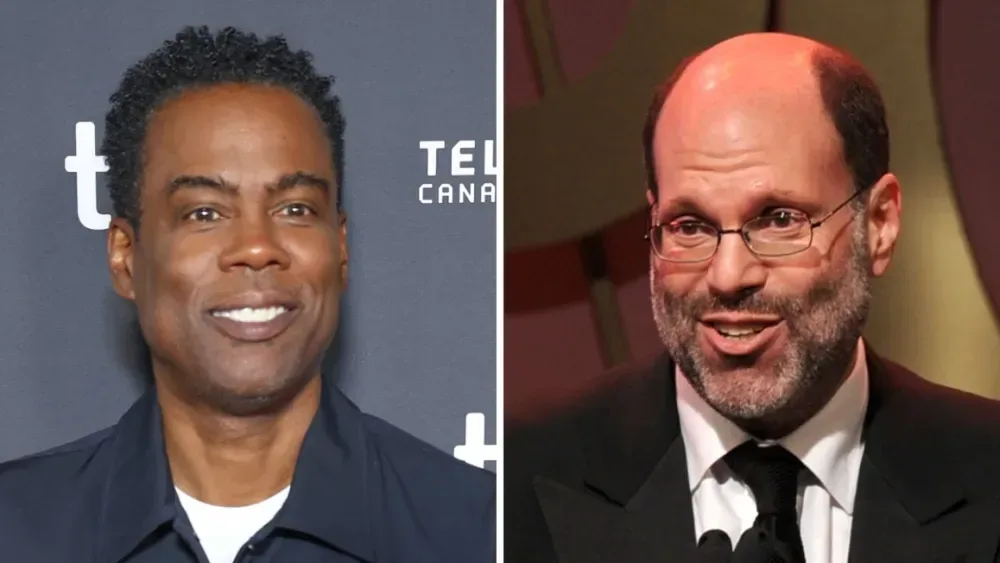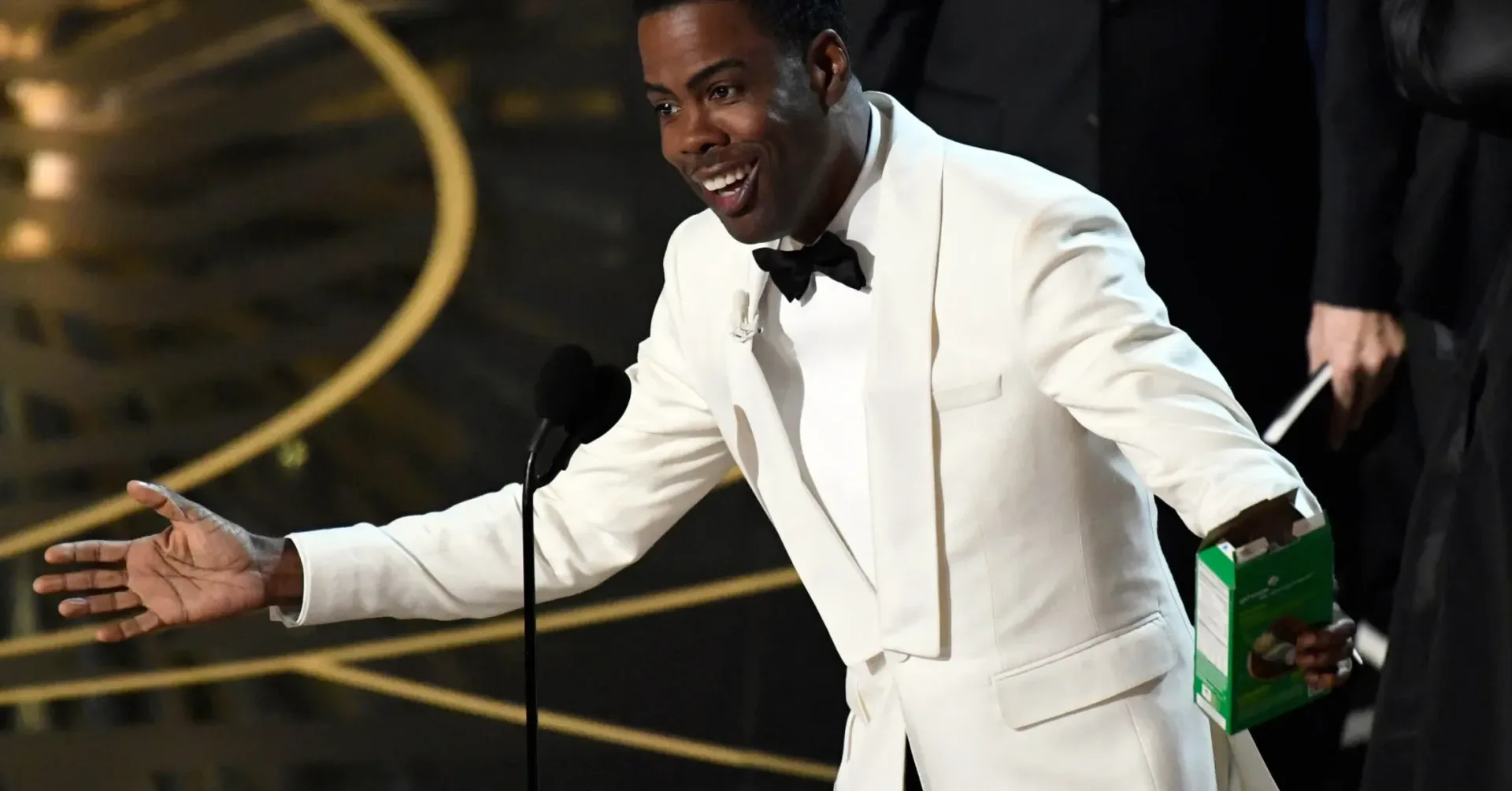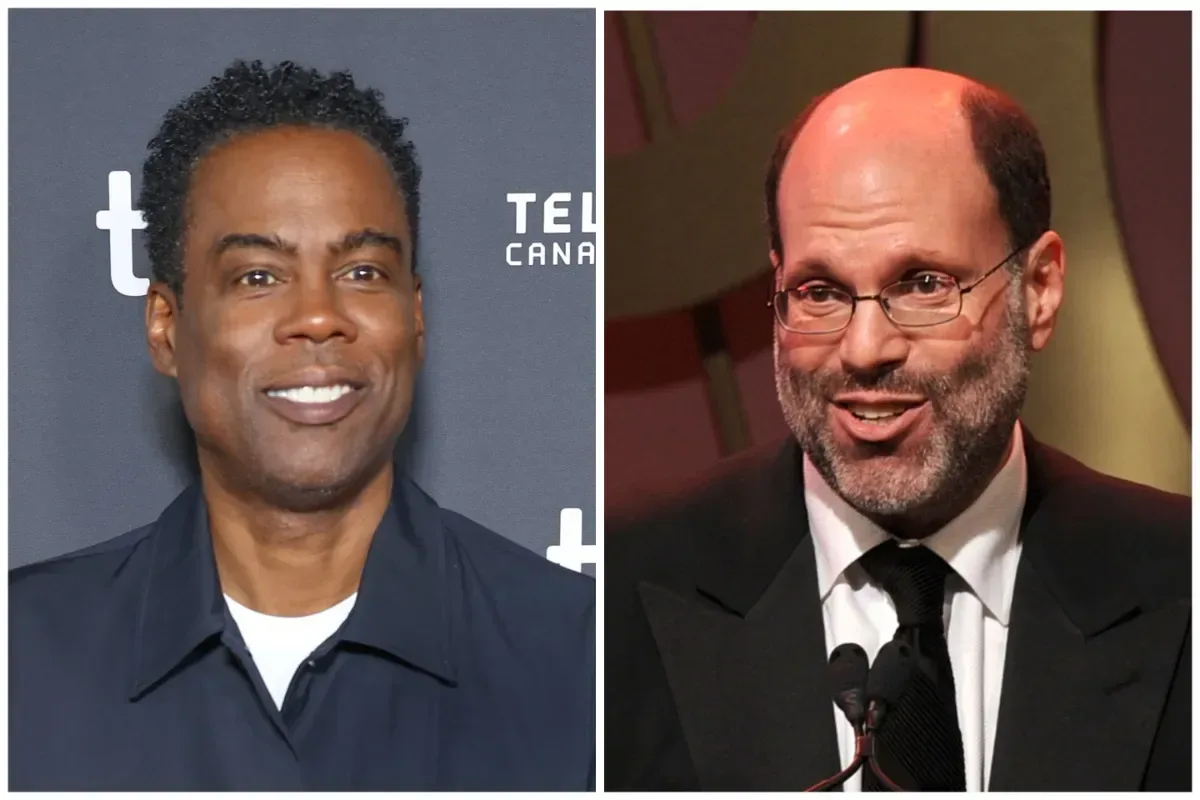
Chris Rock’s latest festival appearance was ostensibly a moment to discuss Misty Green, his new directorial effort, but one of the most revealing parts of the conversation looked back more than a decade. Speaking at the Toronto International Film Festival with TIFF chief executive Cameron Bailey, Rock revisited the making of Top Five, his 2014 comedy starring Rosario Dawson, and described producer Scott Rudin as a force who pushed him to raise his standards as a filmmaker.
It is a complicated recollection because Rudin’s reputation is inseparable from extensive reports of workplace bullying and verbal abuse that emerged publicly in 2021. Rock did not dismiss that history. Instead, he explained that the kind of blunt, demanding feedback Rudin gave him was personally useful at that stage of his work. His remarks were not a broad defense of abusive conduct; they were Rock’s account of the pressure and editorial intensity he believes sharpened his own approach to directing.
For a filmmaker discussing an unusually personal movie about celebrity, reinvention, romance, and the uneasy boundary between a comedian’s public persona and private anxieties, that distinction matters. Rock’s takeaway from the Top Five experience was not that every creative team should run on fear. It was that he responds to direct coaching and that he learned to be more rigorous in pursuing the right people and the right choices, both in front of and behind the camera.
From ensemble downtime to a distinctly personal comedy
Rock said he wrote Top Five in 2012 while working on Grown Ups 2. Being relatively low on the call sheet of a very large ensemble production, he noted, meant extensive downtime. He used it to write.
That practical detail says plenty about the movie’s origin. A major studio comedy can be an enormous machine, with scenes scheduled around a deep roster of performers. Rock turned the gaps in that schedule into drafting time for a smaller, dialogue-driven feature built around a performer confronting the limits of a familiar career identity.
He also identified several cinematic touchstones in the resulting script: Woody Allen, Mike Leigh, and Alexander Payne. Those references point toward talk-heavy scenes, character-focused humor, uncomfortable emotional honesty, and a setting where comedy is not simply an interruption of drama but one of the ways people deflect it. The tonal mix helped make Top Five feel unlike a conventional celebrity vehicle, even as Rock himself was its writer, star, and director.
Rosario Dawson co-starred in the film, and Rock’s festival comments emphasized a lesson that extends beyond casting one leading role. He said Rudin impressed on him the importance of pursuing the strongest available talent across every department. In Rock’s formulation, the goal is to avoid settling: seek the best collaborators on camera and off, and do not treat a compromise as inevitable merely because a production is moving fast.
That philosophy has a straightforward appeal to anyone who cares about filmmaking craft. Movies are collaborative by design. A director can have a complete vision on the page, but performance, photography, editing, production design, sound, music, costume, and countless other choices determine whether that vision becomes something specific on screen. Demanding excellence is not, in itself, controversial. The harder question is what conduct a leader uses to pursue it.
Related coverage includes Chris Rock Credits Scott Rudin’s Demanding Approach on ‘Top Five’.
Hard coaching, and the line it cannot erase
Rock framed his own response to criticism in personal terms. People do not all react to encouragement in the same way, he said, using the contrasting needs of his two daughters as an example. Some people can be guided gently; others may need someone to confront them much more directly. For Rock, Rudin’s approach represented a level of pressure he had not experienced in some time, and he said it helped.
That is a meaningful statement about Rock’s creative process, but it does not settle the larger debate around Rudin’s methods. The accounts that surfaced in 2021 described serious allegations of workplace mistreatment, including bullying and verbal abuse. The entertainment industry has spent years reckoning with a persistent myth that cruel behavior is the unavoidable cost of great art, great theater, a hit film, or an exacting production schedule.
Rock’s experience and those allegations can both be discussed without forcing them into a simplistic verdict. A veteran performer may genuinely value severe notes, high expectations, and clear criticism. At the same time, employees and collaborators should not have to accept humiliation, intimidation, or unsafe working conditions as the admission fee for making ambitious work. Directness and cruelty are not interchangeable production tools.
There is a useful creative distinction here. A hard note is specific: the scene has no stakes, the performance needs another pass, the casting search is not finished, the cut is too long, or the crew needs more preparation. It asks for change while retaining basic respect. Abuse shifts the issue from the work to the person. It turns urgency into degradation and can make people afraid to identify problems before those problems become expensive or damaging.
Rock’s comments point to an artist’s desire for an uncompromising collaborator, not necessarily a desire to replicate every element of a notoriously harsh management style. His clearest stated lesson was about standards: finding exceptional talent, refusing complacency, and staying alert to compromises that could weaken a project. Those are lessons a director can carry forward while rejecting the destructive behavior that has long been excused as part of an old-school Hollywood temperament.
Rudin’s return to the public conversation
Rudin stepped away from public view after the 2021 reports. In 2025, he resurfaced and indicated an intention to return to Broadway, an arena in which he had previously been associated with major productions including The Book of Mormon and To Kill a Mockingbird.
In comments published last year, Rudin acknowledged that much of what had been said about his conduct was true, while maintaining that some claims were not. He said there was little value in trying to parse individual instances of bad behavior and accepted responsibility for the behavior overall. He also described understanding, at the time, why he was harsh with people and believing for a long time that the cost was one he could live with.
That admission is relevant context for Rock’s comments, because it confirms the stakes are larger than a celebrity anecdote about getting tough notes from a producer. Rudin’s legacy includes commercially and critically significant work, but it also includes a public record of conduct that provoked substantial condemnation and an extended withdrawal from the industry’s visible center.
For audiences, the more useful conversation is not whether demanding creative partnerships exist—they plainly do—but what accountable leadership looks like when the pressure is high. Creative industries frequently reward the person who speaks loudest, works longest, or appears least willing to accept a second-best option. Yet the best productions are also built on communication, trust, and teams that can give difficult information upward without worrying about retaliation.
That tension is familiar well beyond film. Game development has its own history of crunch culture, where intense pressure is sometimes defended as proof of commitment rather than examined as a production-management failure. The issues echo those raised in a former BioWare cinematic designer’s recollection of extreme Mass Effect crunch: great creative results do not automatically resolve questions about the human conditions under which they were made.
What Rock’s Top Five recollection actually reveals
Rock was not presenting a newly announced collaboration with Rudin, nor was he suggesting that Top Five was somehow detached from the controversy around its producer. He was reflecting on the education of a director. In that reflection, he credited an intense working relationship with helping him recognize that every part of a production deserves the same insistence on quality.
It is also notable that the conversation arrived alongside the festival premiere of Misty Green. Rock’s return to directing naturally invites a comparison between his earlier directorial work and what comes next. The 2014 film was shaped during stolen time on another production and made with a particular group of creative influences in mind. His latest project arrives after years of additional experience as a writer, performer, and public figure.
There is no need to reduce that career path to one producer’s influence. Rock’s voice was already unmistakable long before Top Five: observational, confrontational, interested in status and performance, and capable of turning awkward social friction into comedy. Still, he is clear that the experience taught him something lasting about preparation and standards.
The broader lesson is perhaps less glamorous than the legend of a fearsome producer driving an artist to excellence. It is the discipline of not accepting an easy answer. A filmmaker should fight for the sharpest cast, crew, script, and execution possible. But the fight need not be demeaning. Rock’s account of what helped him is personal; the industry-wide challenge is building conditions where high standards and humane treatment are never treated as opposing goals.