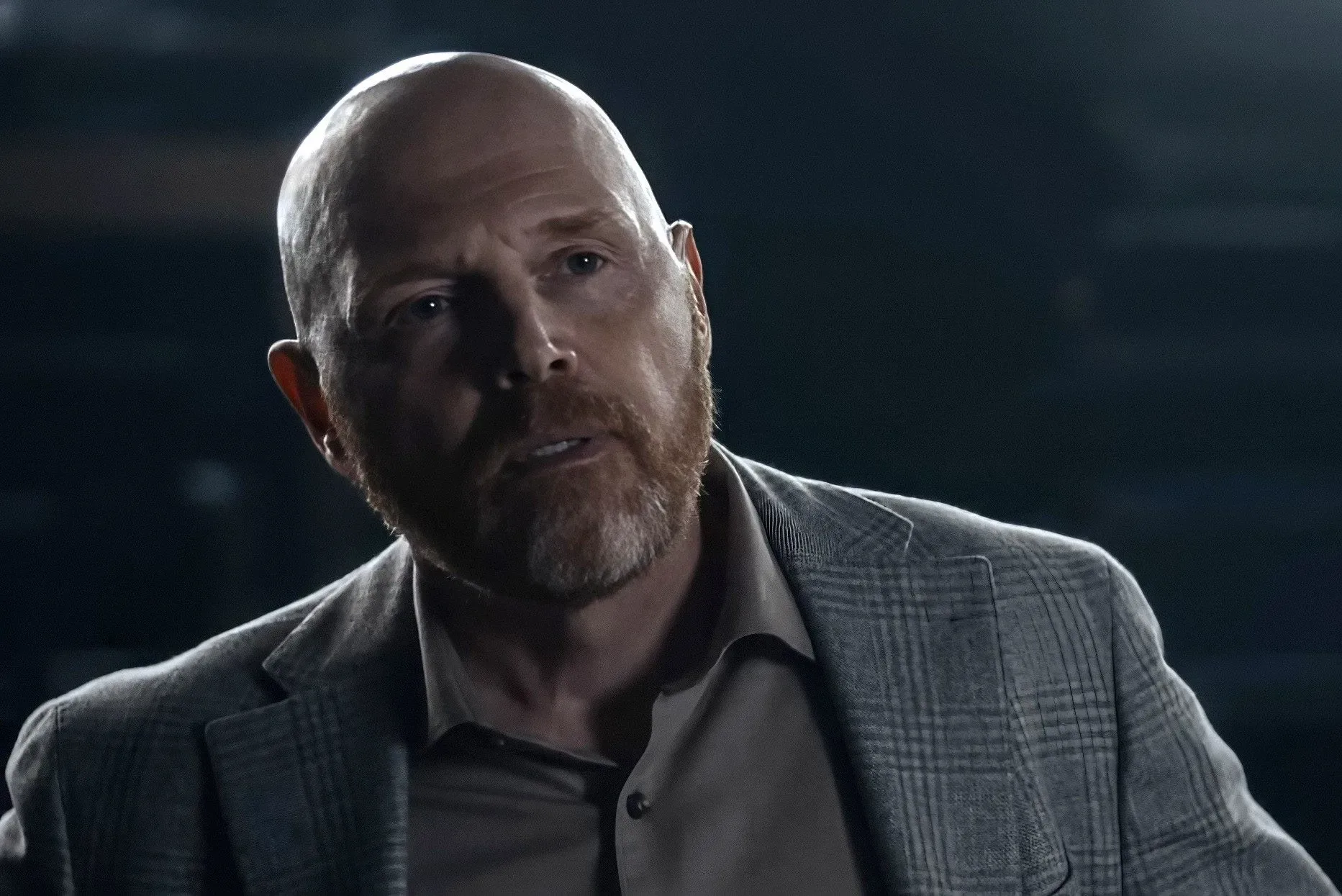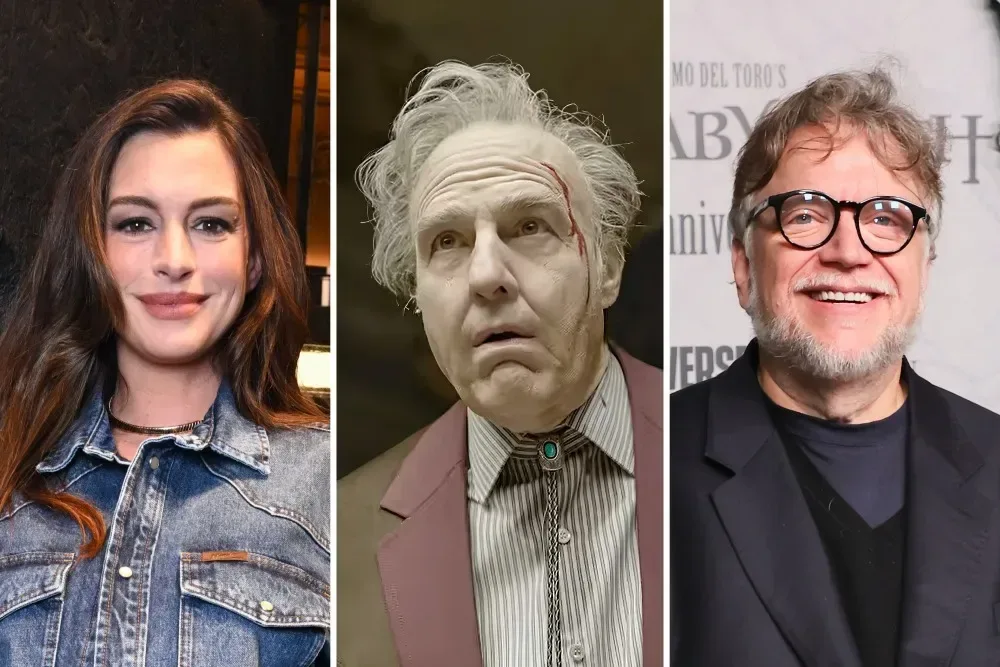
Chris Carter has spent 2026 returning to an unfinished argument with his own work while launching a new one. In August, Hulu released The X-Files: I Want to Believe - Vrach Frankenshteyn, Carter’s director’s cut of his 2008 feature debut. This month, his second feature, Queens for a Day, has begun a limited run. The films are very different on their face—one reconnects The X-Files to the Frankenstein tradition Carter felt was diminished in its original release, while the other uses body-swapping time travel to confront contemporary politics—but their production histories overlapped closely.
Carter said the recut of Vrach Frankenshteyn was locked in December 2025. He then moved to Vancouver, British Columbia, in early 2026 to make the self-funded Queens for a Day, filming it in 32 days before editing with Jeff Cahn. The new film’s final cut was locked around October 9. Cahn is one of the collaborators linking both projects, alongside production designer Mark S. Freeborn.
That rapid handoff matters because Carter describes both as acts of creative reclamation. The director’s cut is a chance to restore the genre identity he wanted for his first feature. Queens for a Day, co-developed with screenwriter Dori Carter from a decades-old script, is an overtly political allegory whose story is designed to force its central character into an unfamiliar life and era.
Why “Vrach Frankenshteyn” matters to Carter
The X-Files: I Want to Believe originally arrived in 2008, but Carter has said he felt the released version was altered away from the movie he made. The director’s cut gives the film the extended title The X-Files: I Want to Believe - Vrach Frankenshteyn, a change that puts its intended inspiration front and center.
For more context, explore Disney Lorcana’s Next Chapter Includes Digital Play, Collector Boosters and a Cosmic 2027.
“Vrach” is Russian for doctor, while “Frankenshteyn” is a transliteration of Frankenstein. Carter’s point is not simply that the film contains a horror element; he sees its construction and mood as fundamentally tied to a Frankenstein story. He wanted it to be frightening, and he wanted audiences to encounter it through that lens.
“I wanted to make the movie a scary movie. It was a Frankenstein movie,” Carter said. “We made sure it’s an X-Files movie that draws on the Frankenstein story and that's what I tried to put back into it.”
In practical terms, a director’s cut is a version of a film assembled under a filmmaker’s preferred creative direction, rather than necessarily the version ultimately shaped by a studio’s release process. It does not automatically mean every scene from an early assembly is restored, or that it is an objectively definitive version for every viewer. Here, though, Carter frames the recut as a specific attempt to recover the title, tonal intention, and Frankenstein-rooted identity he felt had been lost.
The revision also had to account for the later revival seasons of The X-Files. Carter said he removed some material involving Mulder and Scully’s relationship because the series’ subsequent story developments meant he did not want the 2008 movie to play as though it were frozen in an obsolete continuity. He acknowledged that viewers invested in the pair’s romance were unhappy with those omissions.
That is a notable tradeoff. Fans often treat a director’s cut as a promise of “more,” especially more character material. Carter’s stated approach was instead selective: restore the movie’s horror and Frankenstein emphasis while trimming material that he believed would make a current viewing feel dated after the revival seasons. It is a reminder that revisiting an older franchise installment can mean recontextualizing it, not merely expanding it.
A 30-year-old script reshaped for the present
Queens for a Day began with a screenplay Dori Carter wrote roughly 30 years ago. It was optioned but did not receive a green light. Carter later found the script while cleaning the house and encouraged Dori Carter to update it for the current political climate.
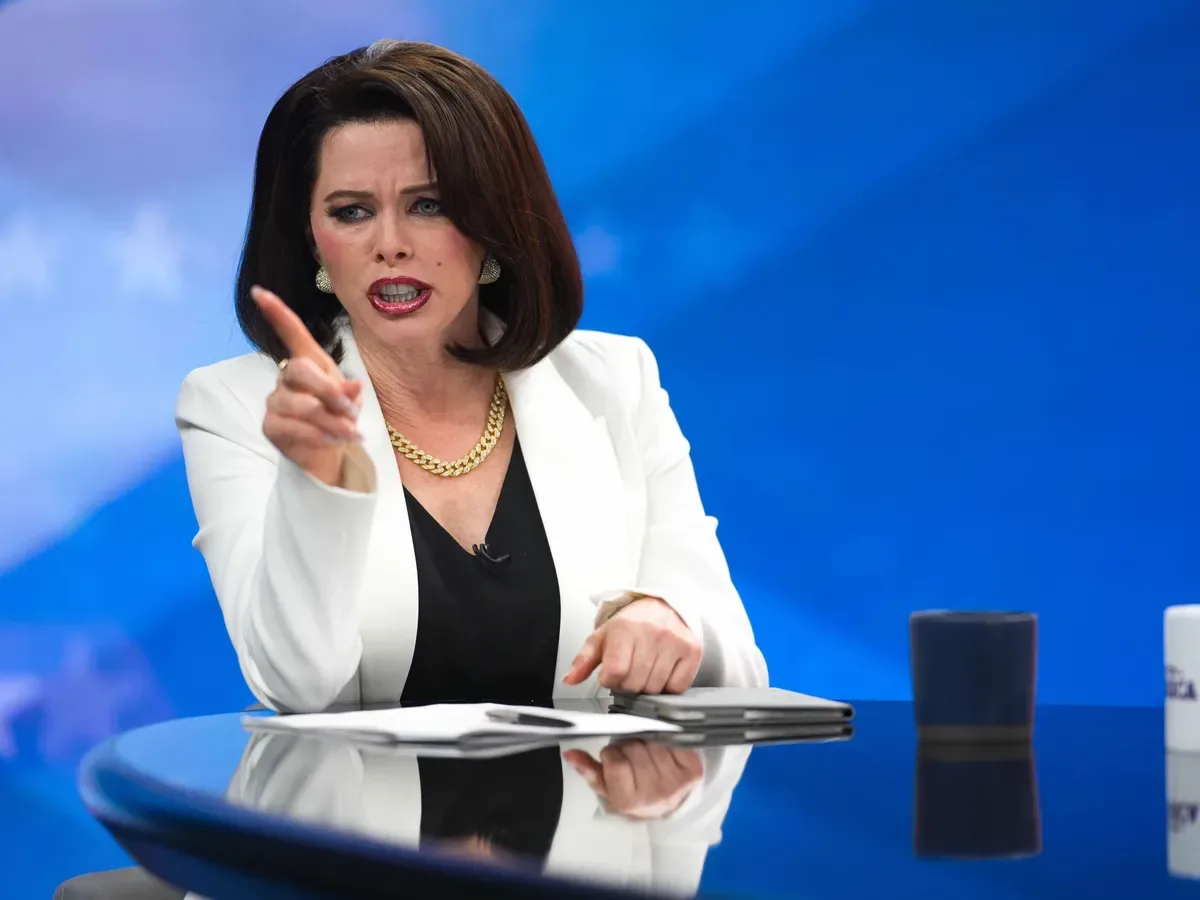
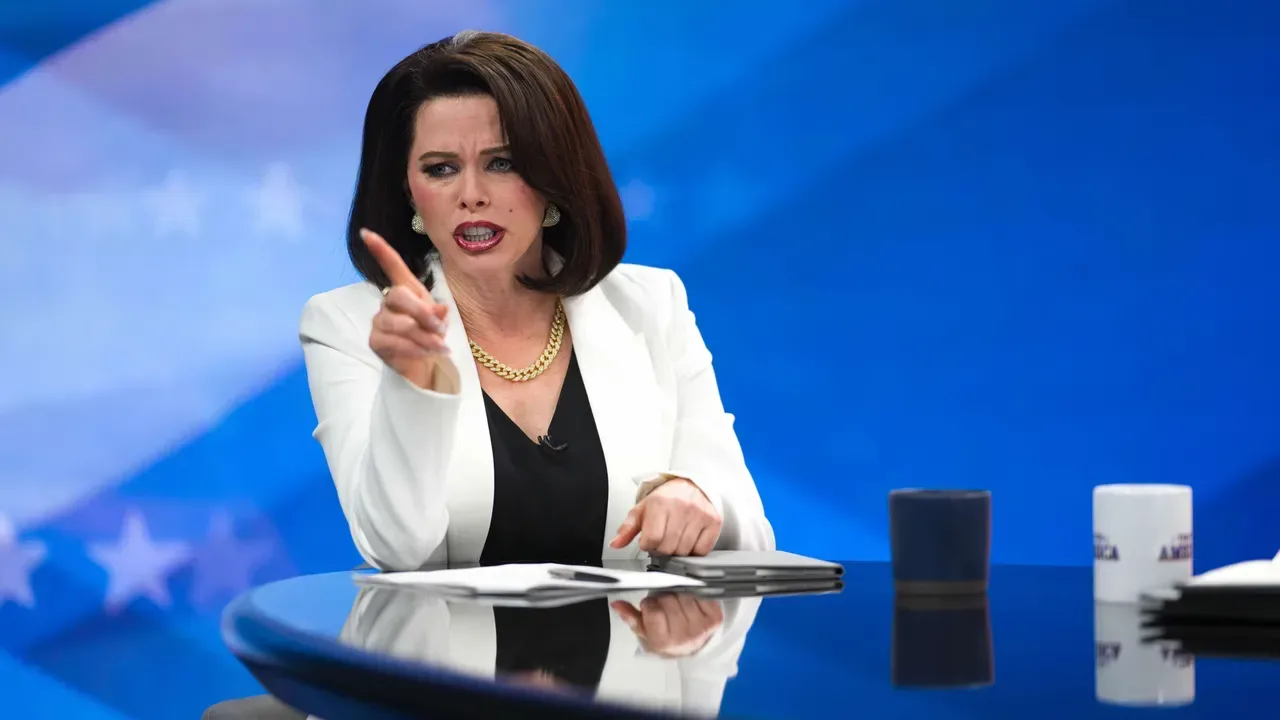
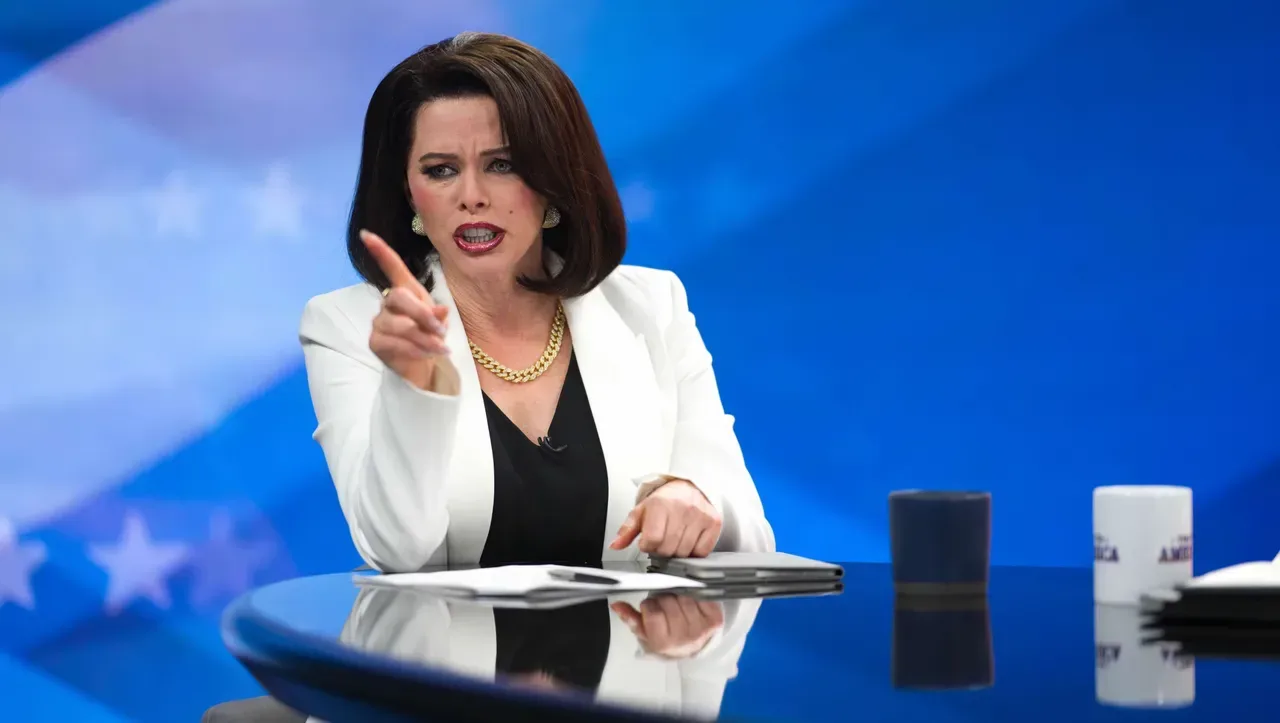
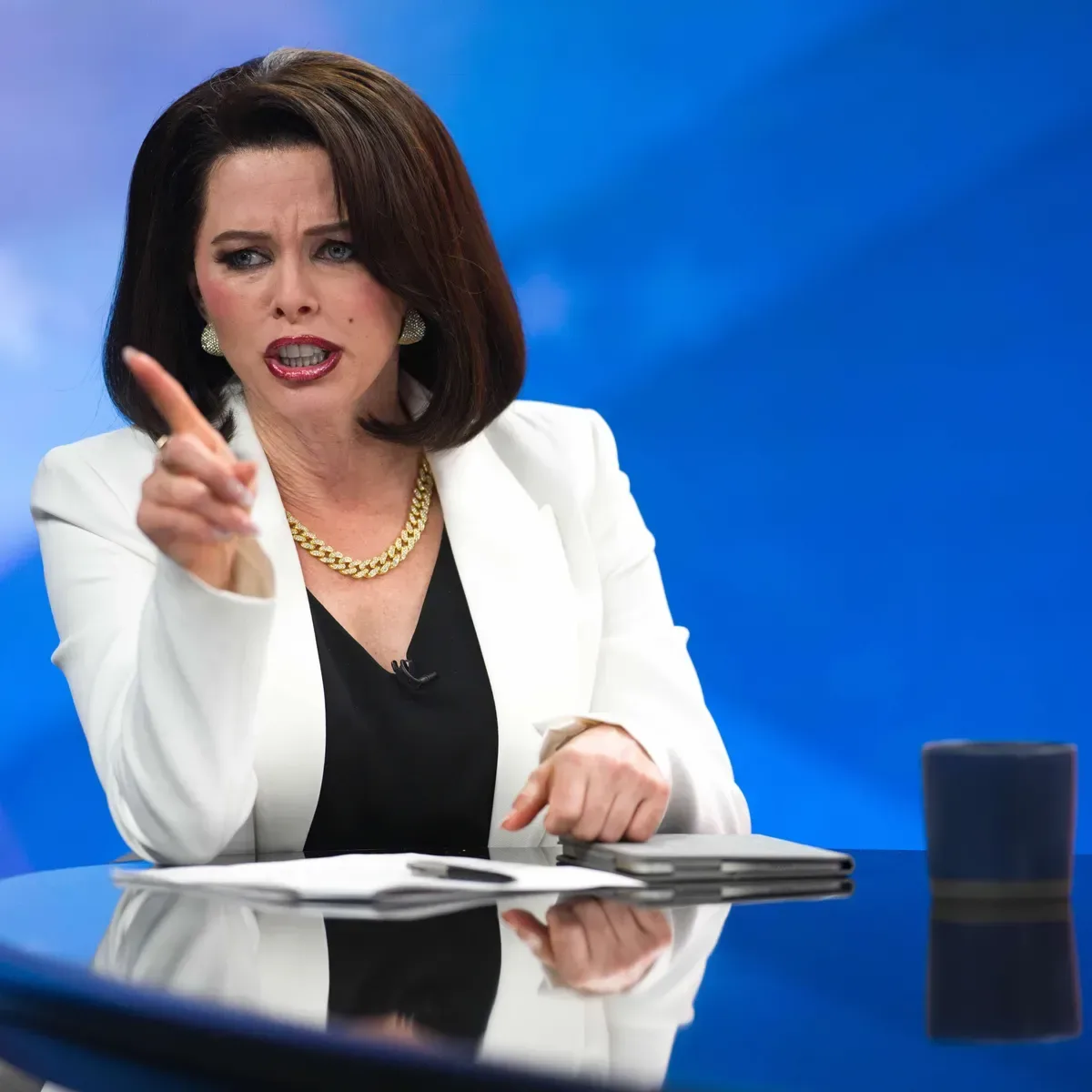
The premise retains the framework of a speculative morality tale. An adult daughter is estranged from her traditional mother. After a car crash, she wakes up in her mother’s body in the 1950s, where she must live through circumstances that had previously been outside her experience. The current version centers on Judge Jerri, played by Erin Boyes, described as a loud, conservative MAGA media pundit.
Carter suggested redefining the protagonist as a right-wing newscaster, pointing to Jeanine Pirro’s television persona as a reference point for the kind of forceful political broadcaster the character would become. That adjustment turns the premise from a broad intergenerational fantasy into a story about political rhetoric, empathy, and the consequences of seeing other people’s lives only from a distance.
Jerri’s experience in her mother’s time is described as a journey toward reluctant empathy. She comes to understand her mother’s hardship as a single mother and as a woman with limited independent options in the period. The film also connects that personal realization to Jerri’s own bitterness and the wider political discourse she has helped intensify.
Its central mechanism is body-and-time displacement, but the stated dramatic purpose is not escapism. The premise asks a character with power in the present to inhabit the restrictions that shaped her mother’s life. That makes the switch a device for perspective rather than simply a novelty. The past is not used as a costume backdrop; it is the means by which Jerri is made to confront the social conditions she has not had to live under herself.
Dickens and Serling are the key reference points
Carter has specifically cited Charles Dickens’ A Christmas Carol and Rod Serling’s The Twilight Zone as touchstones for Queens for a Day. The Dickens connection is clearest in the film’s structure: a hardened protagonist undergoes an encounter with past, present, and future that fundamentally changes how she understands her actions.
That does not mean Jerri is a direct remake of Ebenezer Scrooge. Rather, the story adopts the moral machinery of the Dickens tale. A person whose worldview has narrowed is confronted with lives and consequences she has failed to acknowledge, then shown a future with the power to alter her course.
Serling’s influence speaks to the film’s method. An allegory tells one story while meaningfully pointing toward another subject beneath it. In genre fiction, that can make difficult social or political issues more visible by repositioning them through a heightened premise: a time jump, an impossible transformation, or a speculative world with rules close enough to ours to expose its pressures.
Carter noted Serling’s ability to use allegory to put ideas on screen that straightforward television storytelling would not permit. Queens for a Day adopts that strategy openly. Its time-twisting setup lets the film address a modern political figure archetype through a fantastical experience of the 1950s. It is intentionally pointed rather than neutral.
“The reason we wanted to do this was not just to tell a good tale, but to raise our fists,” Carter said. “We’re angry we are living in a world we don't want to live in, and so this is our response to that.”
That framing also helps explain why the Carters have faced a difficult route to distribution. Carter said studios and distributors were frightened by the finished film, and that he is still seeking a distributor. The movie’s self-funded status gave its makers room to pursue the political version of the story they wanted, but independence can also mean taking on the burden of finding a larger release path after production is completed.
What is known about the film’s release
Queens for a Day has been playing in a limited engagement at Laemmle Royal in Santa Monica. The listed run was through October 22 at 11523 Santa Monica Boulevard. As the report was published on October 23, that stated window has already passed; no wider release date or additional screening dates were specified.
The film’s official Instagram account, @queensforadaymovie, is the identified place for future screening and release updates. Until further dates are announced, audiences outside the limited run should not assume a streaming, digital, or nationwide theatrical release is confirmed.
The timing nevertheless gives Carter an unusual two-film moment. One project revisits a franchise feature he believed had been compromised, using a new cut to make its horror lineage clearer. The other moves forward with an independent feature drawn from an old screenplay but reshaped to speak directly to current anxieties. Both lean on genre storytelling—not as a retreat from real-world tensions, but as a way to make those tensions more immediate.