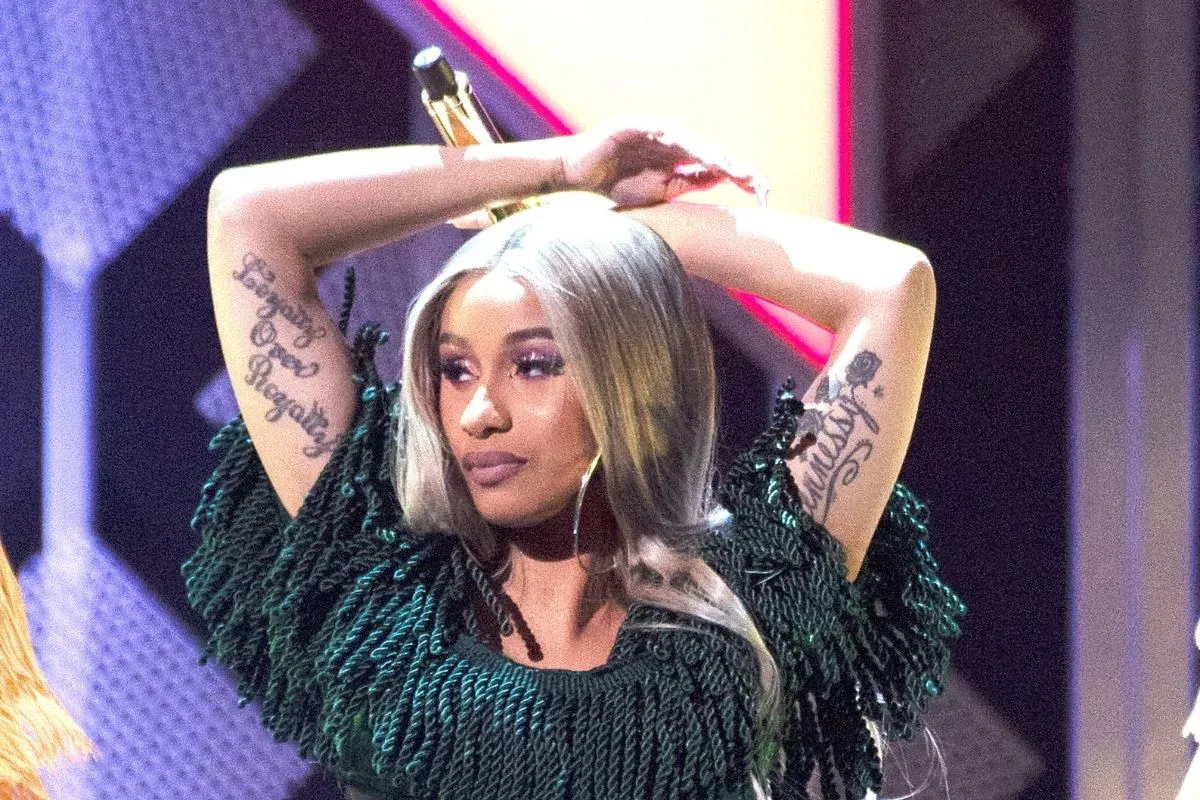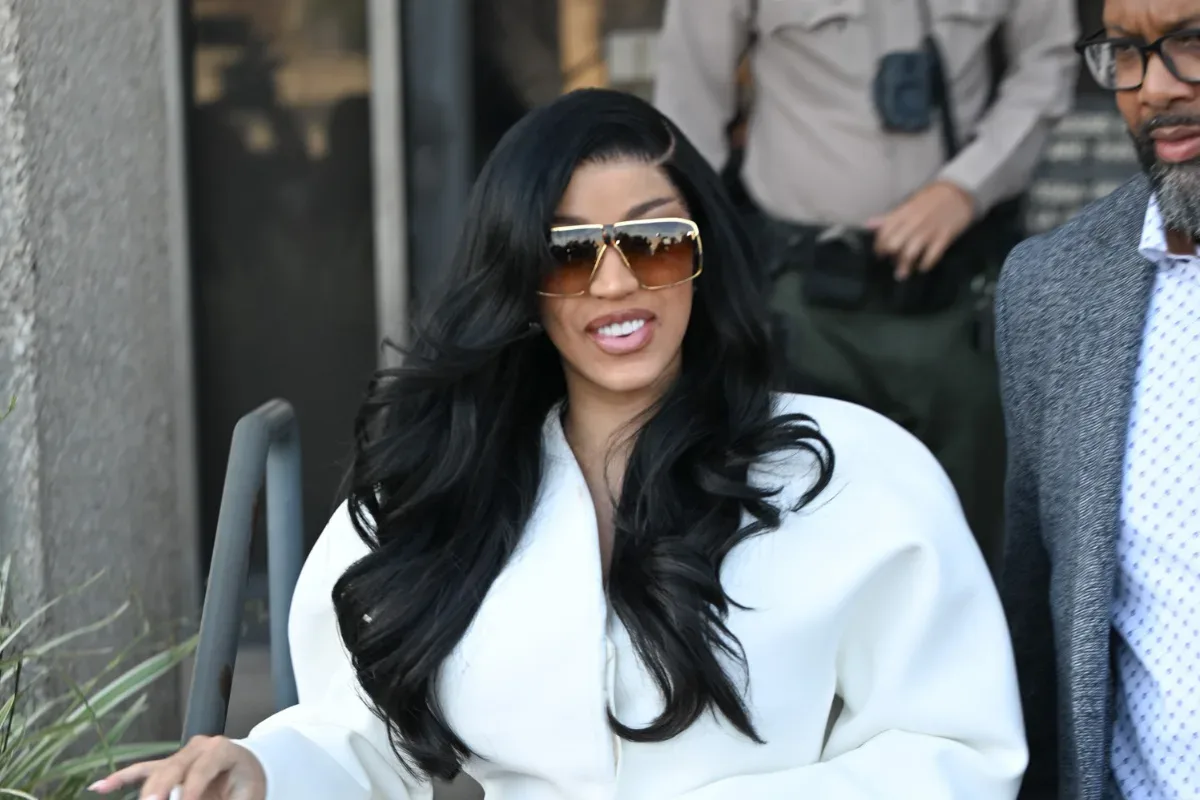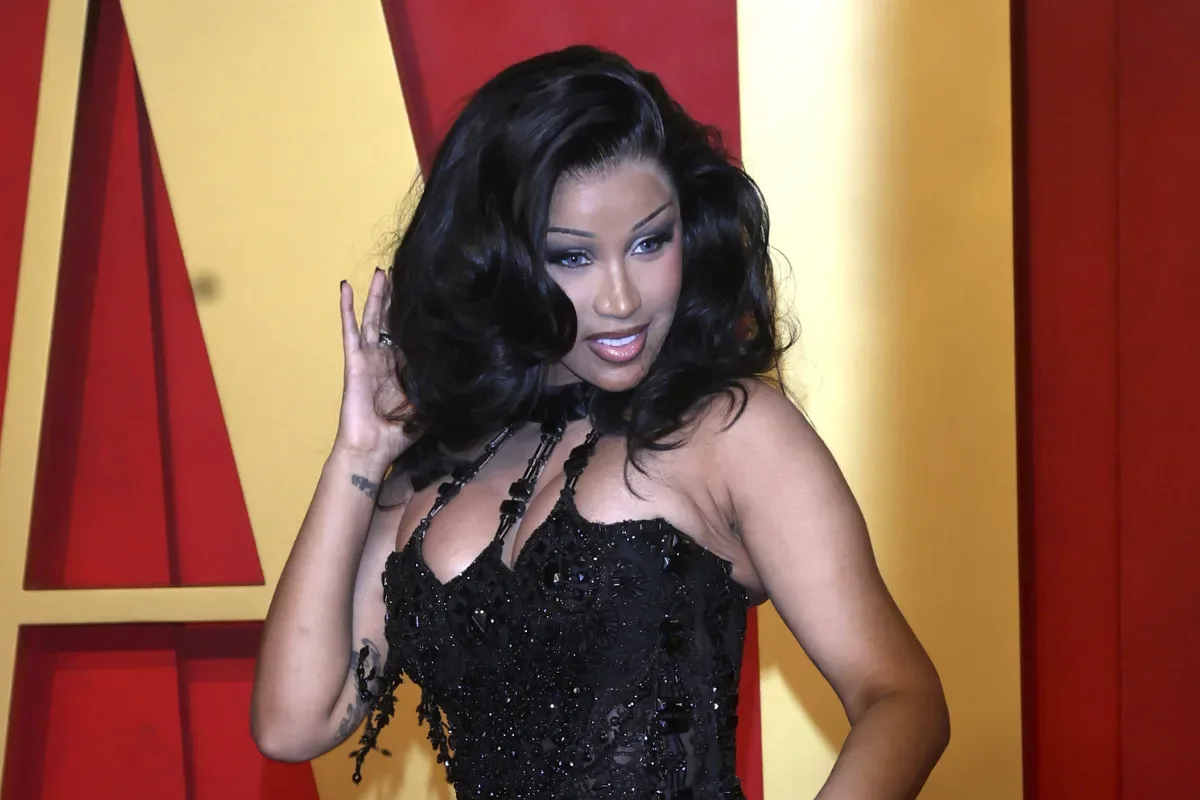
Cardi B has responded forcefully to Mona Love, also known online as Don’t Call Me White Girl, after Mona used a brief excerpt from a 2024 Instagram Live to reopen a discussion around colorism, brand opportunities and Cardi’s career. The exchange is not a simple disagreement over whether colorism exists. Both women have acknowledged that it does. Their dispute is over what that reality means when people explain one person’s success.
The public exchange grew from a 13-second segment of a much longer live broadcast. Mona’s argument was that lighter skin and Dominican heritage can create an advantage in securing work, including brand deals, compared with a darker-skinned woman with equivalent talent. She said that point was about unequal access rather than a denial of Cardi’s ability, and described herself as a fan of Cardi’s work.
Cardi’s answer focused on the limits of reducing a career to a single explanation. She said lighter-skinned women can have an advantage, while also maintaining that her own accomplishments came through talent, consistency, marketing, audience awareness and showing up for the work. In her view, recognizing structural bias should not erase the labor, decisions and public criticism she navigated while building her profile.
What the disagreement is actually about
Colorism is discrimination or preferential treatment based on skin tone, often within a racial or ethnic group. In this discussion, it refers to the possibility that people with lighter skin may be regarded as more marketable or may be offered opportunities that similarly qualified darker-skinned people are denied. Mona’s point was not framed as a claim that Cardi lacks talent. It was a claim about the uneven conditions under which talent is evaluated and rewarded.
For more context, explore How to Watch MS NOW’s 2026 Midterm Election Night Coverage Without Cable.
Cardi did not dispute those conditions in broad terms. She spoke about colorism affecting employment, the justice system and the way women were treated by men in strip clubs. That is important context: the argument is not between an assertion that bias is real and an assertion that it is not. Rather, it is a conflict between two ways of interpreting bias alongside personal achievement.
One position emphasizes the structural advantage that can influence who gets a meeting, a deal, favorable assumptions or the benefit of the doubt. The other emphasizes that an advantage is not a complete account of a person’s outcome, especially when that person has also faced stigma, mockery and professional pressure. Both frames can exist at the same time, which is exactly why short social-media excerpts struggle to hold the full conversation.
Cardi B’s objection: a partial clip and a totalizing claim
Cardi’s central complaint was that Mona revived a small portion of a 15-minute live discussion without enough surrounding context. She argued that the clip created an impression that she dismissed colorism, even though she has repeatedly spoken about its effects. She also said Mona could have contacted her directly, alleging that Mona had previously messaged her over the years for guidance about surgery, career matters, brand arrangements and pitches.
Those claims about their private communications are Cardi’s allegations in the exchange, not independently established details. Their relevance is less about proving the wider colorism argument than explaining why Cardi viewed the video as personal as well as public. She questioned why a creator who she says had reached out before would not seek clarification before presenting the old clip to an audience.
Cardi also connected Mona’s video to criticism Mona had received involving Tia Kemp and Kemp’s comedy credentials. Cardi alleged that she was being used as a diversion from that backlash. Mona’s stated argument, however, remained focused on colorism and the access it can influence. The competing explanations for why the clip was resurfaced are part of the public conflict, but neither changes the underlying issue: whether it is responsible to turn a complex subject into a verdict on an individual career from a short extract.
Access is not the same thing as authorship
The hardest part of this conversation is distinguishing between access and authorship. Access means the doors that may open more easily for some people: consideration from brands, assumptions about mainstream appeal or fewer appearance-based penalties. Authorship, in this context, means the work a performer does to create a public career: developing an identity, communicating with an audience, making decisions and sustaining attention.
Mona’s position concerns access. A performer can be gifted, work diligently and still encounter an industry in which others receive fewer chances before their talent is even assessed. Cardi’s position concerns authorship. A performer can benefit from certain social preferences yet still make substantial contributions to the career that follows. Treating either point as a rebuttal to the other creates an unnecessary false choice.
It is also why language matters. Saying that colorism can help shape outcomes is different from saying skin tone is the sole reason an artist succeeds. Cardi objected specifically to what she saw as that second, more absolute reading. Her comments presented success as multicausal: talent, work, visibility, marketing and knowledge of an audience were all factors she named. That does not settle the broader question of how heavily each factor weighs, but it describes the distinction she wants audiences to preserve.
Brand work and the pressure to be “acceptable”
The latest dispute has echoes of an earlier 2024 exchange involving influencer Raymonte Cole. He questioned why he was treated as too “ghetto” for brand opportunities while Cardi received deals, tying the difference to her lighter skin. At that time, Cardi said she had changed how she talked, acted, responded and presented herself in order to work with brands.
That earlier response adds a useful complication. It suggests that brand access is not merely about whether a deal arrives; it can also depend on what a public figure is expected to alter or soften to become acceptable to companies. The term respectability politics is often used to describe expectations that marginalized people conform to dominant standards of speech, dress, behavior or presentation in order to gain acceptance. The supplied information does not establish a complete account of Cardi’s branding choices, but her own statement makes clear that she believed adaptation was part of pursuing those opportunities.
In June 2024, Cardi offered a different but related response when people criticized her voice. She said she would not change the way she speaks, arguing that authenticity was part of what made her famous. Read together, the two statements describe a tension rather than a contradiction. Public figures can face pressure to adjust for commercial settings while also defending core elements of the identity that made audiences pay attention in the first place.
That tension applies beyond one rapper or one set of deals. A public-facing career can involve constant negotiation over what is considered polished, safe, marketable or relatable. Colorism may affect who is presumed to fit those labels. Class-coded judgments, accents, appearance, gender expectations and prior reputation can affect them too. Recognizing a range of pressures does not dilute a discussion of colorism; it can help clarify how discrimination and commercial gatekeeping overlap.
Why the clip format can make this worse
A 13-second video can be useful evidence of what someone said, but it rarely captures every qualification around a sensitive issue. In this case, the clip was taken from a 15-minute discussion, and the missing material matters because Cardi says she explicitly recognized the harm caused by colorism. Mona’s wider point also matters because she says she was not denying Cardi’s talent. When both sides are reduced to their sharpest possible version, audiences are invited to pick a side rather than examine the disagreement accurately.
That does not mean older clips should never be revisited. Past remarks can remain relevant, particularly when the subject is ongoing inequality. But fair use of a clip requires careful framing: what was said before and after it, whether the speaker has offered fuller comments elsewhere, and whether the criticism concerns a person’s words, their intent or their broader position.
For viewers, the practical takeaway is to resist turning a structural critique into a personal insult—or treating an individual’s story as proof that structural problems do not exist. A person’s success can involve real skill and real effort while taking place in a system where opportunity is not distributed evenly. Likewise, calling out unequal access is more persuasive when it accurately represents the person whose career is being used to illustrate it.
What remains clear
The dispute has produced more heat than resolution, but several points are clear from the participants’ own public positions. Mona says colorism and racism are real and that both she and Cardi may have benefited from colorism. She has praised Cardi’s talent while arguing that lighter skin can affect professional access. Cardi says she has seen and spoken about colorism’s harm, including in work environments and the justice system. She rejects the suggestion that her skin tone alone explains her success.
Those statements leave a more substantive question than social-media feuding usually allows: how should people talk about unequal opportunity without stripping successful individuals of agency, or celebrating individual agency in a way that ignores unequal opportunity? The answer begins with refusing the all-or-nothing framing. The conversation is more useful when it can hold both the system and the person in view.