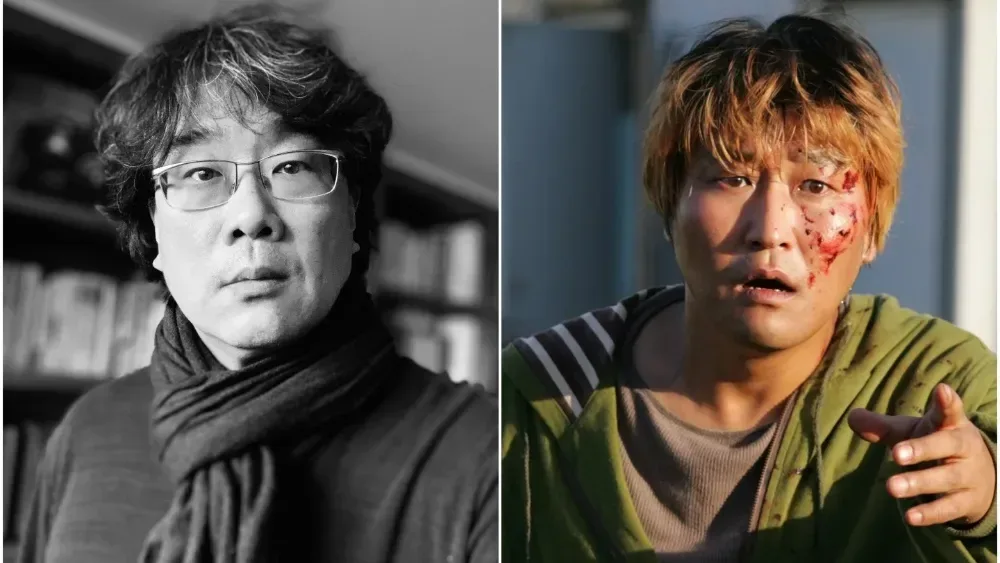
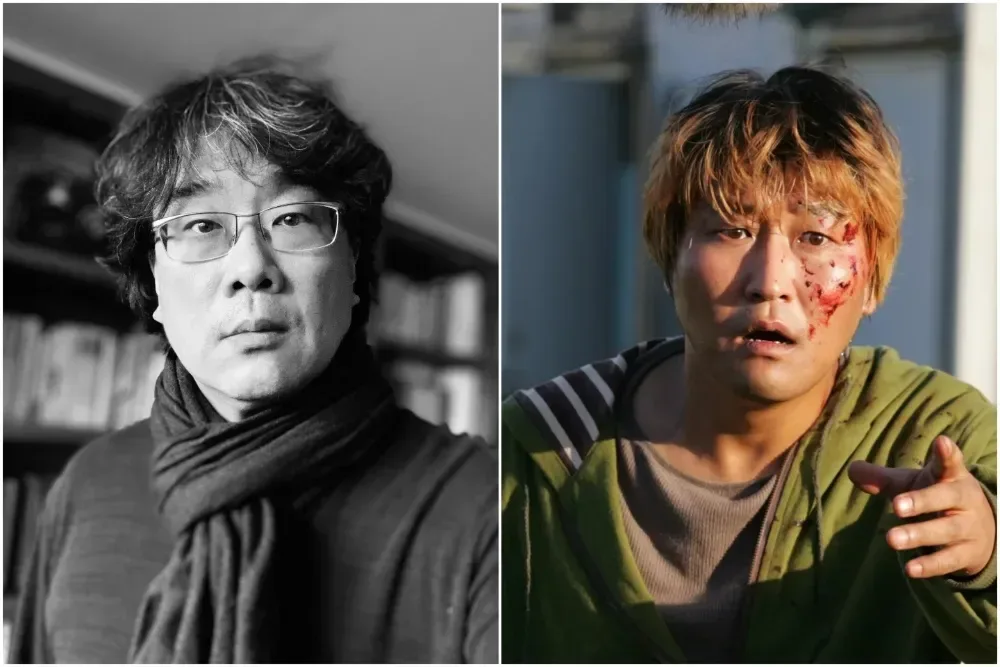
Twenty years after The Host first arrived, Bong Joon Ho is returning to the film with a 4K restoration that is deliberately less about revision than recovery. The 2006 monster movie will return to theaters nationwide on Nov. 20 through Magnolia Pictures, with Nov. 21 and Nov. 23 screenings set to include a conversation between Bong and filmmaker Edgar Wright.
The timing gives the reissue an obvious appeal for viewers who know Bong primarily through his later international success, especially Parasite. But this is not being presented as a newly “fixed” edition of an early work. Bong’s stated goal was to restore the sensation of seeing a fresh 35mm print—the format in which the film played at Cannes in 2006—while using current digital tools to manage the practical constraints of bringing older visual-effects material into a 4K presentation.
That distinction matters. Restoration can mean many different things: stabilizing or cleaning a film image, correcting color, preserving audio, or adapting older material for modern exhibition. It can also tempt filmmakers into altering the work itself. Bong says he felt that temptation with one or two shots, but ultimately chose not to remove them. In his view, The Host remains a record of the filmmaker he was at that moment. The odd edges, limitations and decisions belong to that record.
A creature feature built around a family
The Host follows Gang-du, played by Song Kang-ho, a snack-kiosk worker by Seoul’s Han River. A monstrous creature emerges from the water, attacks the crowds along the riverbank and takes his daughter Hyun-seo, played by Ko A-sung. When authorities identify the creature as a carrier of an unknown virus, the public response becomes part of the film’s threat. Gang-du later learns that Hyun-seo is alive and tries to reach her inside the sealed-off riverside area.
Byun Hee-bong, Park Hae-il and Bae Doo-na co-star as members of Gang-du’s family. The premise contains the familiar architecture of a monster story—an attack, panic, official containment and a rescue mission—but it also makes room for a family drama and a political satire. The creature is not simply an obstacle to defeat. It is the catalyst that exposes how ordinary people can be endangered by an institutional story that is wrong, or at least insufficiently questioned.
That layered setup helps explain why the film has endured beyond its original effects showcase. A giant creature near a populated riverbank is immediate, physical movie spectacle. Yet the human stakes are unusually specific: a father believes his daughter is alive while the people in charge insist on a crisis narrative that narrows what can be done. The film’s tension is therefore split between the monster itself and the structures responding to it.
Why its misinformation satire still lands
Bong has linked the writing of The Host to the SARS outbreak. He has also described the film’s revelation that no virus was spreading through Korea as satire aimed at misinformation surrounding the Iraq War and its justification through weapons of mass destruction that did not exist.
The significance is not that the film somehow predicted every later public-health emergency or conflict. Rather, its central concern is broader and grimly durable: what happens when fear, official authority and incomplete or false information reinforce one another. Since the film’s release, audiences have experienced the coronavirus pandemic, and Bong sees the repetition of war and social mistakes as making the unchanged movie feel relevant again.
That is an important way to frame the 20th-anniversary return. The restoration does not update the plot, add contemporary references or alter the political target. Its renewed relevance comes from viewers bringing their own history to the same images. The authorities’ virus declaration, the sealed-off zone and Gang-du’s struggle against the accepted account of events can now carry associations that audiences in 2006 could not have had.
For a film about a creature from the water, that is a remarkably human afterlife. The monster can draw the eye, but the story’s lasting anxiety lies in the gap between what powerful institutions announce and what a family knows it still needs to do.
Restoring film texture in a 4K workflow
Bong’s target for the new version was the look of a newly struck 35mm print rather than a generic idea of digital sharpness. The Host was shot on Fuji film stock, not Kodak, and he wanted to recover the subtle color qualities developed with cinematographer Kim Hyung-ku during production.
Film stock is the light-sensitive material used to capture an image on film. Different stocks can yield different responses in color, contrast and grain. Grain is the fine texture produced by the film image itself; it is not automatically a defect to scrub away. In a restoration intended to resemble a film print, preserving the character of the original photography is more meaningful than making every frame look newly shot on a modern digital camera.
That creates an apparent contradiction that Bong acknowledges: digital technology was used to enhance the movie’s film-like identity. But it is not really a contradiction in practice. A digital restoration can be the route to presenting older photographic choices more faithfully in current theaters, provided its work is guided by the original creative intent instead of an impulse to modernize every surface.
The visual-effects work presented a separate issue. The creature shots were made in 2005 and 2006, before 4K delivery was available, so those effects required upscaling. Upscaling is the process of adapting lower-resolution image material to a higher-resolution format. It does not create the original detail that was never captured; the task is to produce a stable, convincing result while avoiding an artificial or distracting look.
Bong says the team took care to ensure that the creature continued to blend with the performers and surrounding locations. That phrase, “blend,” is central to the challenge. An effects shot succeeds not only when an audience can see detail in a creature, but when the creature appears to occupy the same space, lighting and visual world as the actors. Excessive digital cleaning or aggressive sharpening can make an old composited element stand out rather than belong.
The director remains able to spot small CGI flaws and portions that do not fully satisfy him. Yet he decided those were not reasons to reshape the film. His comparison is to leaving a journal intact rather than going back to rewrite it. That philosophy gives the restoration a clear boundary: improve the presentation, but do not erase the evidence of how the film was made.
The sound of the creature and the value of an archive
The restoration also brings attention to sound, an element that can be less visible in reissues but is inseparable from how a monster works on screen. Bong completed the original sound work at Livetone in Seoul, where he says he has worked with the same sound supervisor for 25 years. Crucially, the facility retains the original sound library for The Host.
For the creature’s voice, the team recorded and processed sea-lion sounds, then combined them with a vocal performance by Korean actor Oh Dal-su. Layering, in sound design, means combining distinct recordings into one final effect. In this case, animal sound supplied part of the creature’s texture while a human performance added another expressive component. The result is a constructed voice rather than a single natural recording, fitting a creature that must feel alive without sounding like an ordinary animal.
Bong says his films from Okja onward, including Parasite, were mixed in Dolby Atmos. Atmos is an audio format designed to place sound with greater spatial precision than conventional channel-based mixes. He says The Host could be upgraded to Atmos, though the sound format for the North American release had not yet been confirmed.
That uncertainty is worth preserving. A 4K restoration does not automatically mean an Atmos soundtrack, and it should not be assumed that every screening will use the same presentation. What is clear is that the original sound materials survive and that Bong views the creature’s voice as an area that deserved particular attention.
Preservation, not a director’s rewrite
Bong contrasts the work on The Host with his newer films. Everything he made after Okja was shot in 4K and finished with Atmos sound, so he sees little reason to remaster those titles in the same way. He has, however, created black-and-white versions of Mother and Parasite, which have played in small theatrical releases and at festivals. Those projects reflect his admiration for black-and-white cinema, but they are a different creative exercise from restoring an earlier film’s original look.
His willingness to make alternate black-and-white versions while resisting cuts to The Host outlines a useful distinction. An alternate presentation can be openly framed as a new interpretation. A restoration, in contrast, carries an obligation to the historical work. The latter should not quietly become a chance to replace a filmmaker’s earlier judgment with a later, more polished self.
For audiences, the practical promise is a chance to revisit—or encounter—the film with its Fuji-stock color character, reworked 4K presentation and original-era choices intact. The screenings featuring Bong and Wright add a focused event component, but the central attraction is the movie’s refusal to become a sanitized artifact. It is being returned to theaters as a film of 2006 whose anxieties have found new audiences, not as a 2026 rewrite.
That preservation-minded approach also makes the rerelease a fitting bridge in Bong’s career. Parasite won the Palme d’Or in 2019 and later took four Oscars, including best picture, becoming the first non-English-language film to win that top award. The new The Host release offers viewers a renewed look at an earlier film that already combined family distress, genre spectacle and sharp social critique—the qualities that would remain central to his work.
Bong has also confirmed that, after his animated feature Ally, he still plans to pursue crime and horror films. “I want to return home,” he said. The restored The Host makes that sentiment feel less like nostalgia than a reminder of the filmmaking territory he has never truly left: monsters, institutions, families and the unnerving possibility that the official explanation is the most frightening thing in the room.
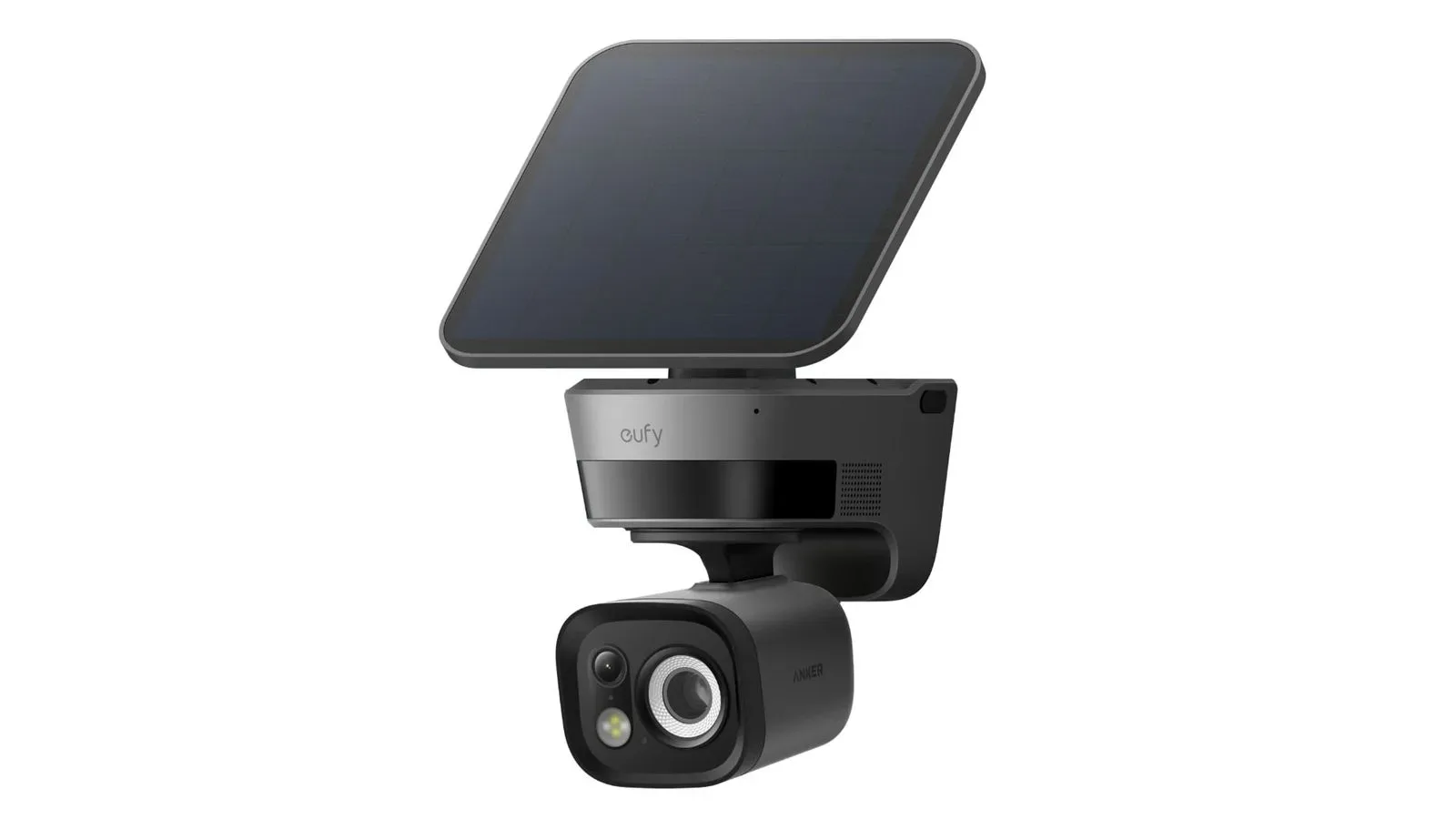
For more on how modern 4K is turning up in technology well beyond movie restoration, see this look at a 4K security camera and tracking light.