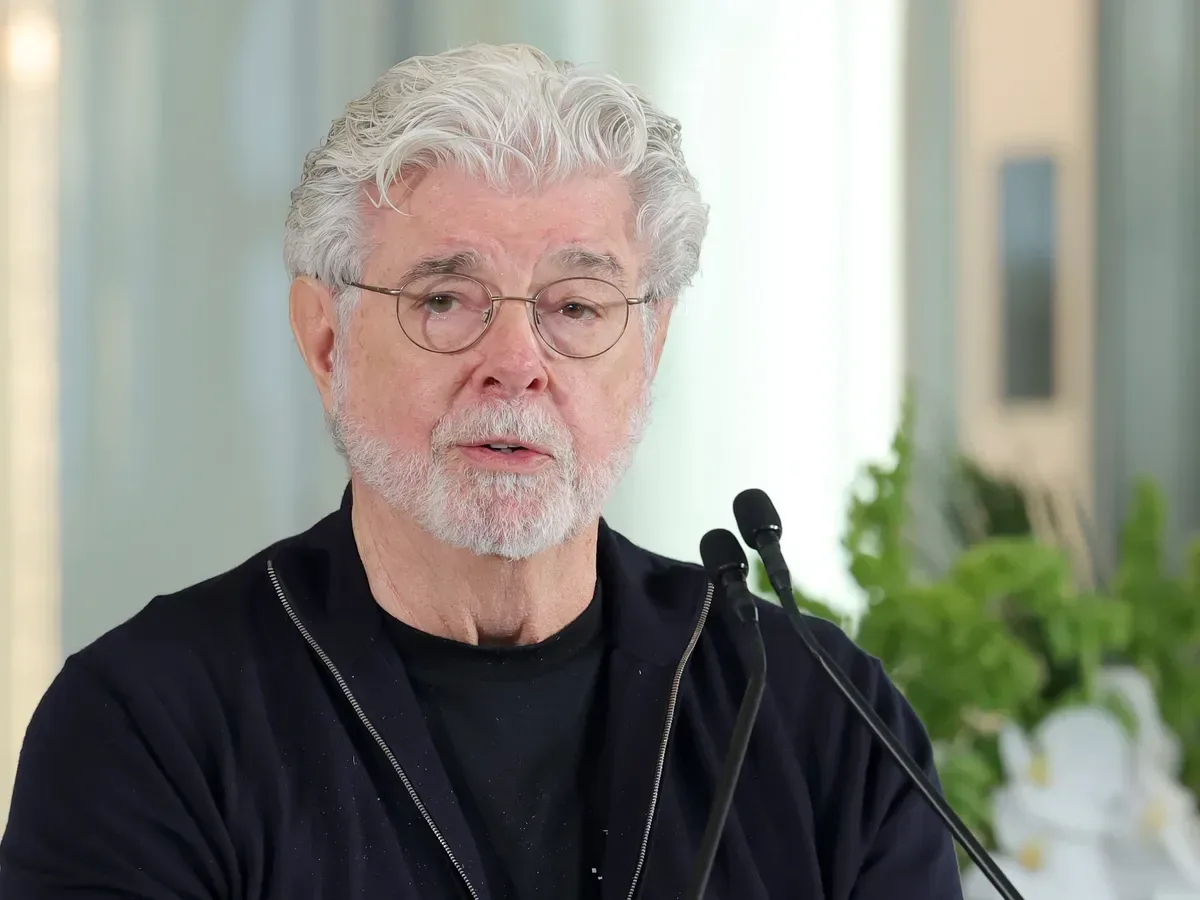
George Lucas has once again made the case for revising the original Star Wars trilogy, framing the long-running alterations not as casual tinkering but as an attempt to finish films that, in his view, had to leave his control before every intended detail was complete.
His position will not settle the argument over Special Editions, DVD updates, Blu-ray revisions, or later streaming-era adjustments. It does, however, put the dispute into unusually direct terms: Lucas sees a theatrical release deadline as a point where a filmmaker’s work can be taken away before it is done. Many viewers, meanwhile, see the versions experienced in theaters as finished works with a history and identity worth preserving.
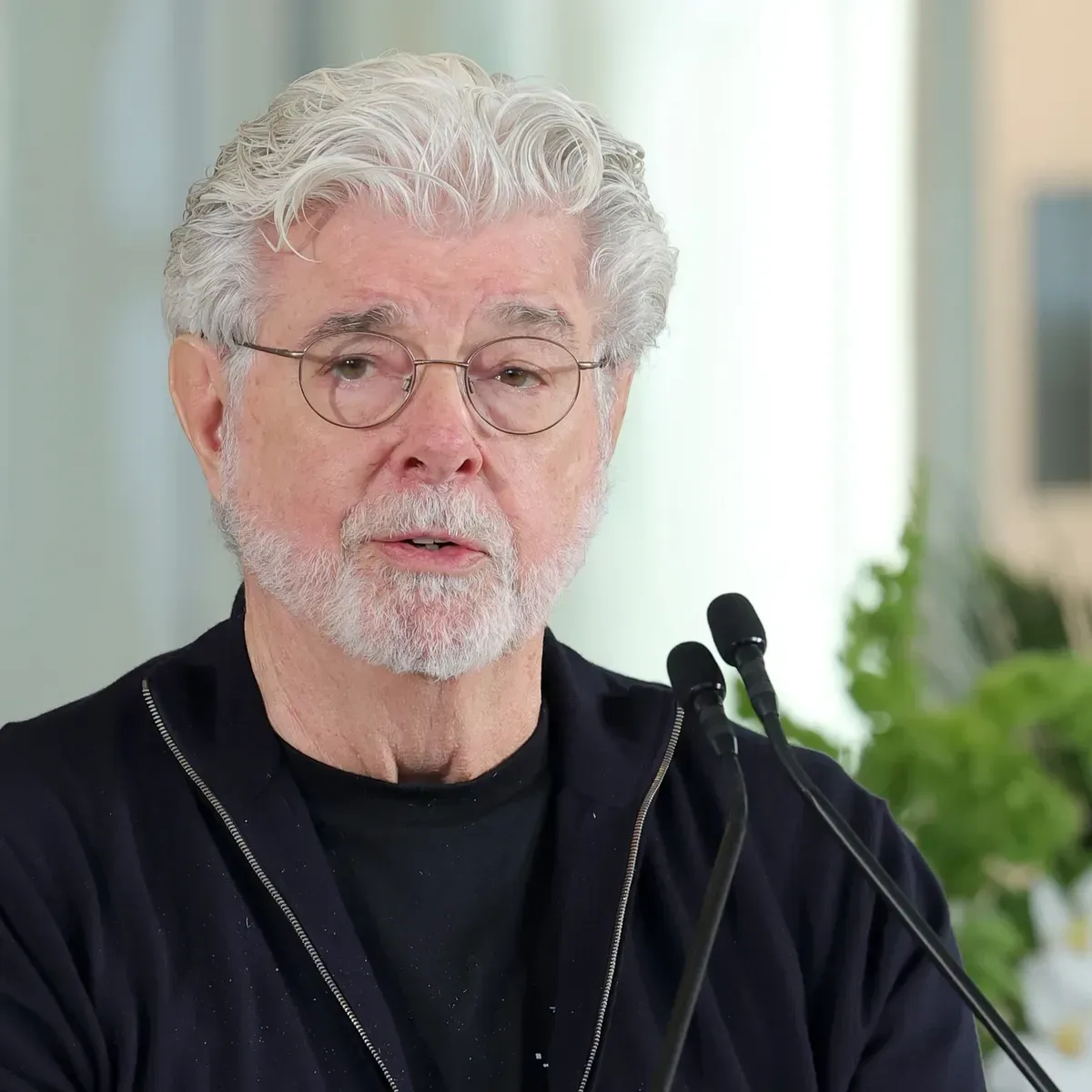
“Most movies aren’t finished, they’re simply yanked out of your hands and put in the theaters,” Lucas said, describing the pressure of making a deadline.
Lucas said that after Star Wars, he returned to the films to finish them as he saw fit. He also acknowledged the backlash, noting that many people objected to the idea that the movies could be changed after the fact. His response drew a comparison with fans who create alternate versions and other reinterpretations of the material.
That tension—between an artist’s continuing authority over a work and an audience’s attachment to a particular released version—is the engine that has kept this debate running for decades. It is not merely a quarrel about whether a creature looks better in CGI or whether a line reading sounds different. In the biggest flashpoints, edits can affect characterization, continuity, and the meaning people take from a foundational scene.
The alterations span more than one kind of change
The original trilogy has not undergone one single revision pass. The 1997 Special Editions introduced substantial alterations, including new computer-generated imagery. Additional revisions arrived with the 2004 DVD releases, followed by further changes for the 2011 Blu-ray editions. Smaller adjustments were also made for the Disney+ versions in 2019.
That history matters because “the Special Edition” is often used as shorthand for every post-theatrical version, even though the changes occurred across multiple releases. A person who watched the films on DVD may have encountered a different set of choices from someone whose regular version is the Blu-ray or Disney+ release.
Some of the edits are technical corrections rather than obvious story revisions. The changes include work intended to address color errors or improve matte backgrounds. A matte background is a visual-effects element used to create locations or scenery that were not fully present on a physical set. Refining one can be seen as maintenance: an effort to make an illusion work more cleanly for modern home formats.
Other alterations are so small that casual viewers may not notice them. Obi-Wan Kenobi’s call used to frighten off Tusken Raiders on Tatooine, for instance, changed for the 2004 DVD version and changed again for the 2011 Blu-ray. Such a revision may look minor on paper, but it illustrates Lucas’s broader approach: no detail was necessarily too settled to revisit.
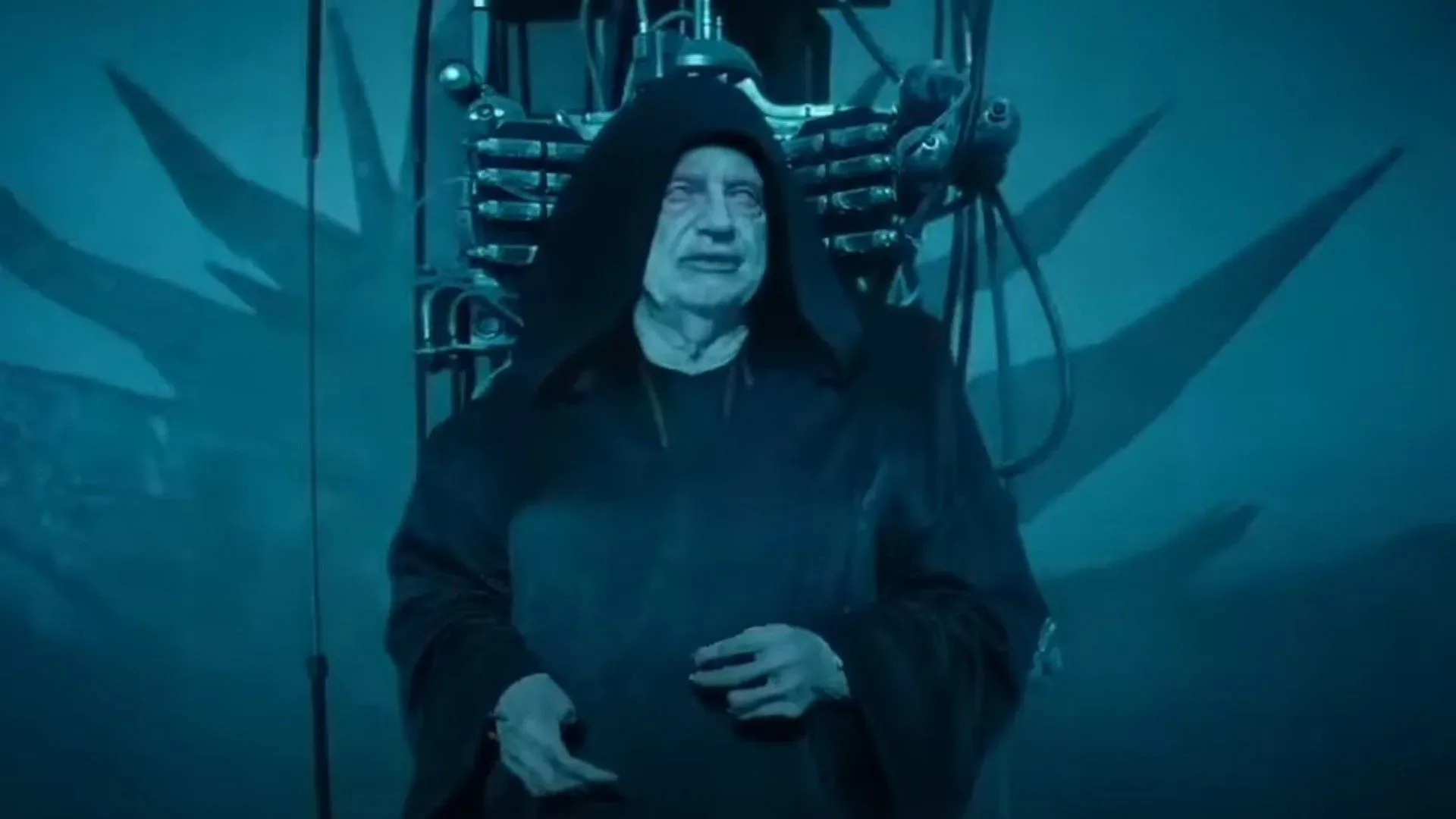
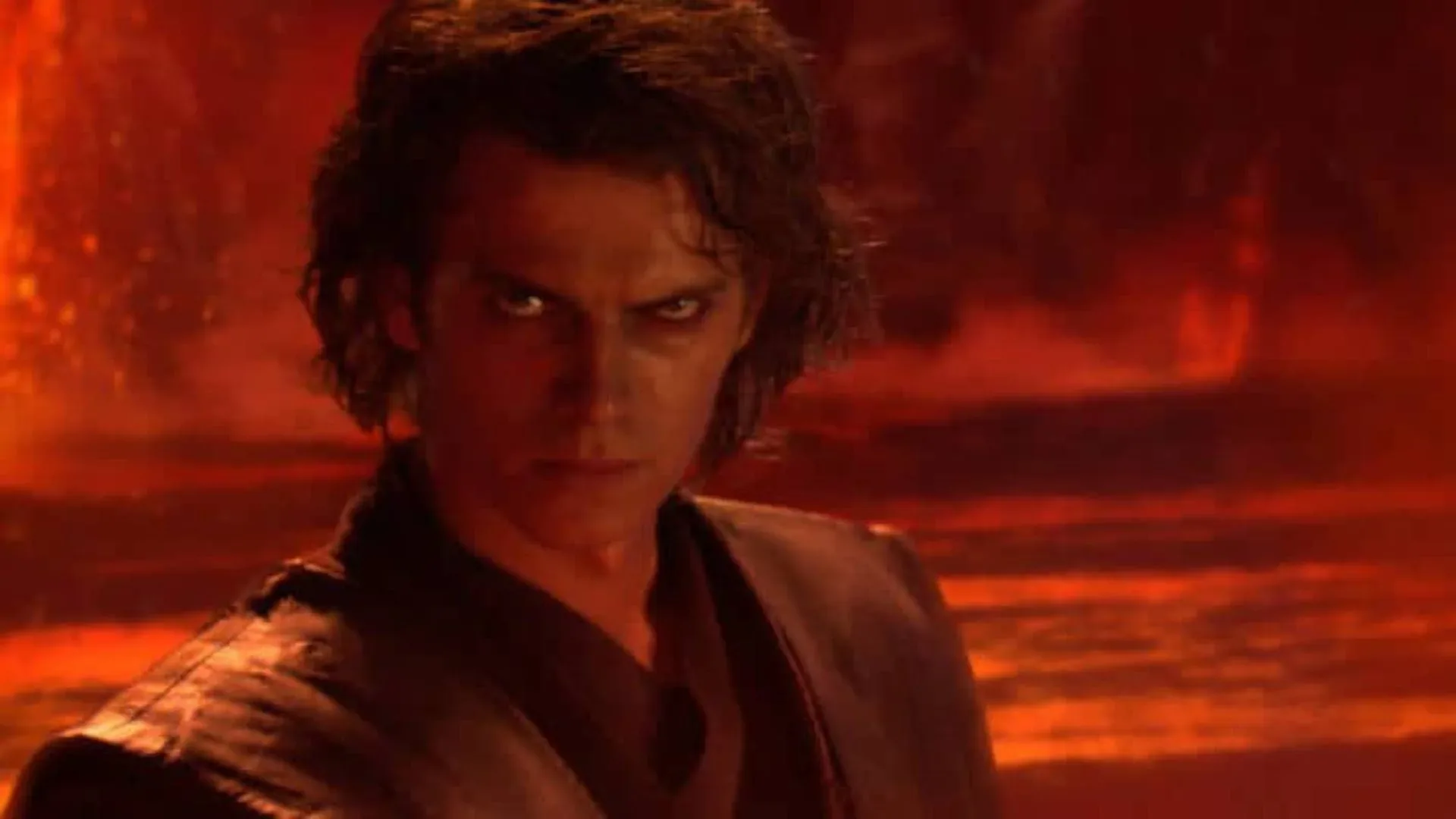
Then there are modifications that speak directly to the evolving shape of the saga. The removal of Anakin Skywalker’s eyebrows for the DVD version of Return of the Jedi and the replacement of Anakin’s Force ghost with Hayden Christensen are examples of edits intended to more closely connect the original trilogy with the prequel films.
A continuity edit is a change made to help separate works fit together more neatly as a larger story. For a creator pursuing a unified six-film arc, that can be a compelling objective. For viewers who value the original trilogy as it existed before the prequels, it can feel like later material is being inserted into an earlier work rather than allowed to stand on its own terms.
Why the Han and Greedo scene never leaves the cantina
No change has become a more recognizable symbol of the argument than the encounter between Han Solo and Greedo in A New Hope. The scene’s central question—who fired first?—has endured precisely because it is about more than the timing of a blaster shot.
In the 1997 Special Edition, the moment was changed so that Greedo fired before Han. It was shortened for the 2004 DVD release, shortened further for the 2011 Blu-ray, and then revised again with new visual effects in 2019.
For critics of the alteration, Han firing first makes a meaningful statement about who he is when the audience meets him: a self-interested, morally rough-edged smuggler whose later choices carry the weight of personal change. Changing the sequence can be read as softening that introduction. For defenders, the adjustment can be understood as a calibration of intent, with Lucas able to present the character and moment as he believes they should have been presented.
Neither position is really about a frame-by-frame effects comparison. It is a disagreement over authorship and reception. Lucas is saying that the films’ creator should be able to keep developing the work toward the intended version. Dissenting fans are saying that the version released into public life is not disposable just because its creator later wants something different.
Deadlines, authorship, and the version people remember
Lucas’s comments make the production constraint central to his defense. Films must reach theaters on schedule; people have deadlines, and work that a filmmaker might continue refining has to be released. His later changes represent, from that perspective, access to a second chance that the original production process did not allow.
There is a practical logic to that view. New distribution formats have repeatedly created opportunities to revisit audiovisual work. The 1997 theatrical Special Editions, 2004 DVDs, 2011 Blu-rays, and 2019 Disney+ versions each supplied another delivery format and another moment for revision. Digital tools also make certain kinds of correction or replacement more achievable than they would have been during the original releases.
But accessibility creates its own problem. When newer releases supersede older ones, audiences who specifically want the earlier form may have fewer official ways to see it. That is why the forthcoming theatrical return of the 1977 version is notable. The original Star Wars, without Lucas’s later changes, is scheduled for a limited theater run in February 2027 to mark its 50th anniversary.
This does not undo the existence of the altered cuts, nor does it resolve which should be regarded as definitive. It does recognize that “original” and “finished” can be distinct labels. A creator may regard a revised edition as the completed expression of an idea, while an audience may regard the first released edition as the culturally important artifact.
That distinction applies beyond a single galaxy far, far away. Film releases can be theatrical cuts, home-video cuts, restored editions, or later revisions. Each label points to a particular version, and the differences can be aesthetic, technical, or narrative. The more a work changes between formats, the more useful it becomes for viewers to know exactly which edition is being shown.
Lucas’s warning about fan response
Lucas also addressed the intensity of the wider Star Wars debate, arguing that studios should not simply follow unhappy audiences because those audiences are not the people making films. The comment arrives in a franchise environment where every creative decision is liable to receive an enormous, immediate reaction.
His statement should not be mistaken for a claim that people cannot dislike the edits. Lucas explicitly recognized that many did. Rather, it expresses a limit on audience feedback as a creative compass. In his view, responding too closely to displeasure will lead to an unhappy result.
It is a bracing stance, and one likely to inflame the same conversation it addresses. Fans are not a single voting bloc with one preferred edit, and the original trilogy’s different versions have accumulated different defenders. Some favor technical polish. Some prioritize the theatrical presentations. Some may prefer select revisions while objecting to others. The argument’s longevity partly comes from that lack of one clean divide.
There is also an important separation between criticism and control. Viewers can argue that a particular change weakens a scene, or that an older cut deserves preservation and access. Lucas can argue that he retained a creative need to revise the work. Those claims can coexist without making either side’s preference disappear.
What the 2027 theatrical run means
The February 2027 limited re-release gives audiences a rare opportunity to see the original 1977 film in theaters without the later revisions. Its timing, tied to the 50th anniversary, makes it an event for people who want to encounter the version that began the phenomenon in its original form.
For newer viewers, the run can make an abstract debate concrete. Instead of discussing “the original” as a historical footnote, audiences can compare the experience of that earlier cut with the revised editions they may know from home releases. For longtime fans, it provides official theatrical recognition that the 1977 version still has a place alongside Lucas’s preferred later revisions.
Theatrical presentation remains a major part of the dispute because Lucas’s core justification begins with theaters: films are released because deadlines demand it. Returning the unaltered 1977 film to theaters creates an intriguing counterpoint. The version once shaped by that deadline is being presented again half a century later, not as an unfinished rough draft, but as a version people still actively want to see.
That does not mean the debate has a winner. Lucas’s view is clear: the revisions allowed him to finish what production schedules forced him to release. The opposing view is equally durable: the original releases are works that deserve to remain visible, not just remembered. With the 1977 cut heading back to theaters, both versions of the argument will have fresh fuel—and, naturally, someone will probably still fire first in the comments.
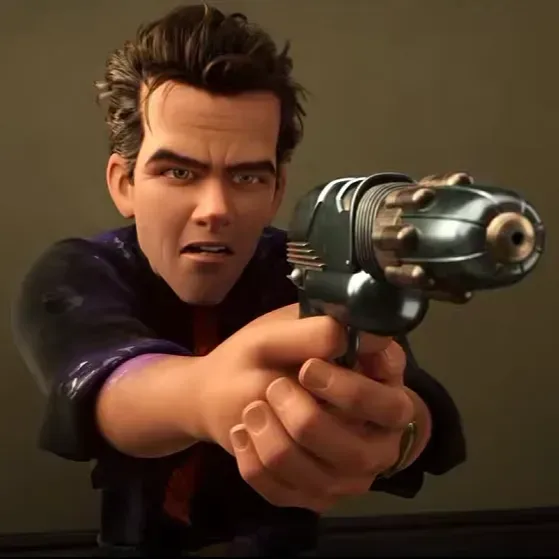
For more coverage of films returning to cinemas before their streaming lives begin, see this look at Brad Bird’s Ray Gunn theatrical run.