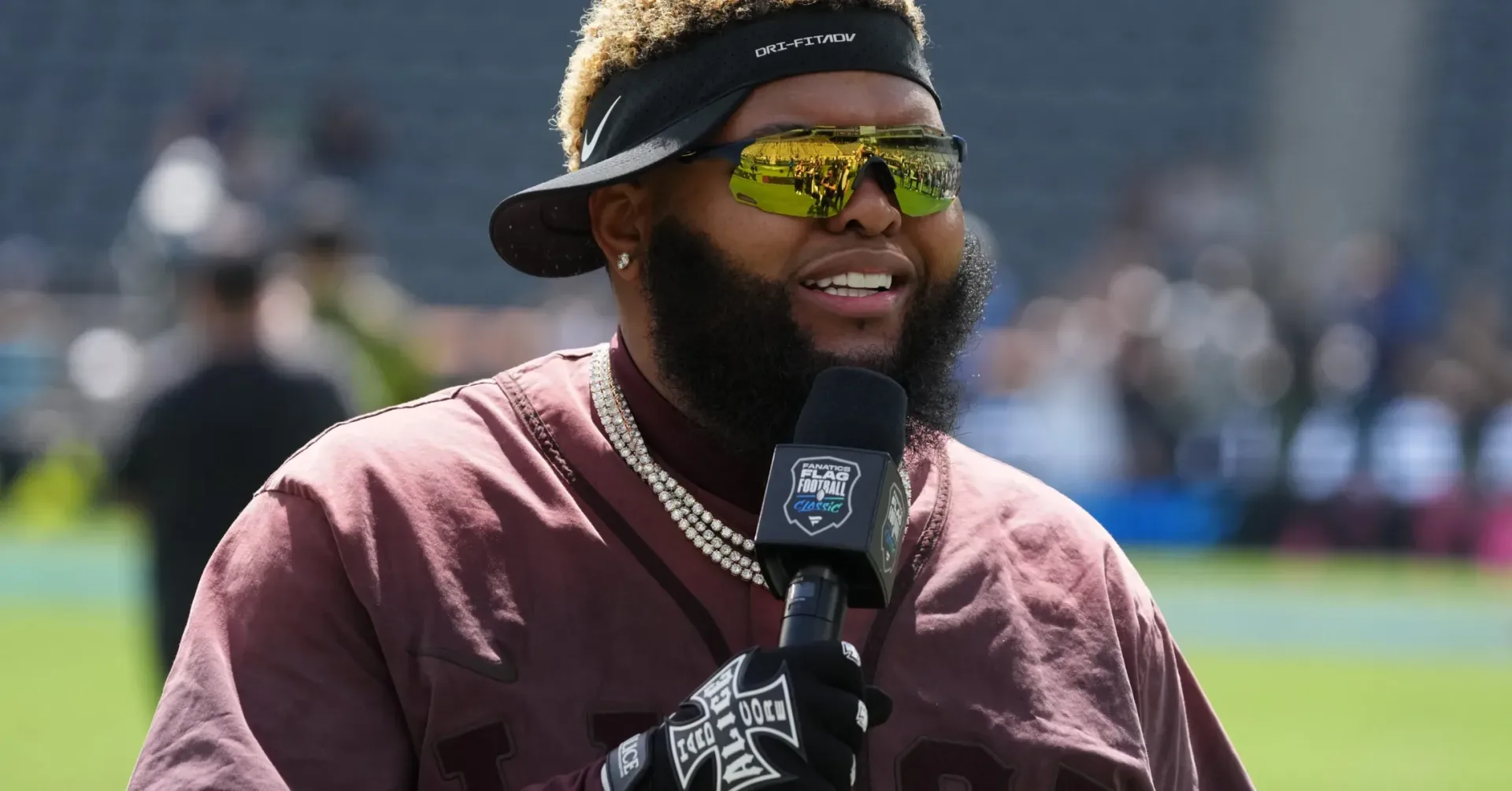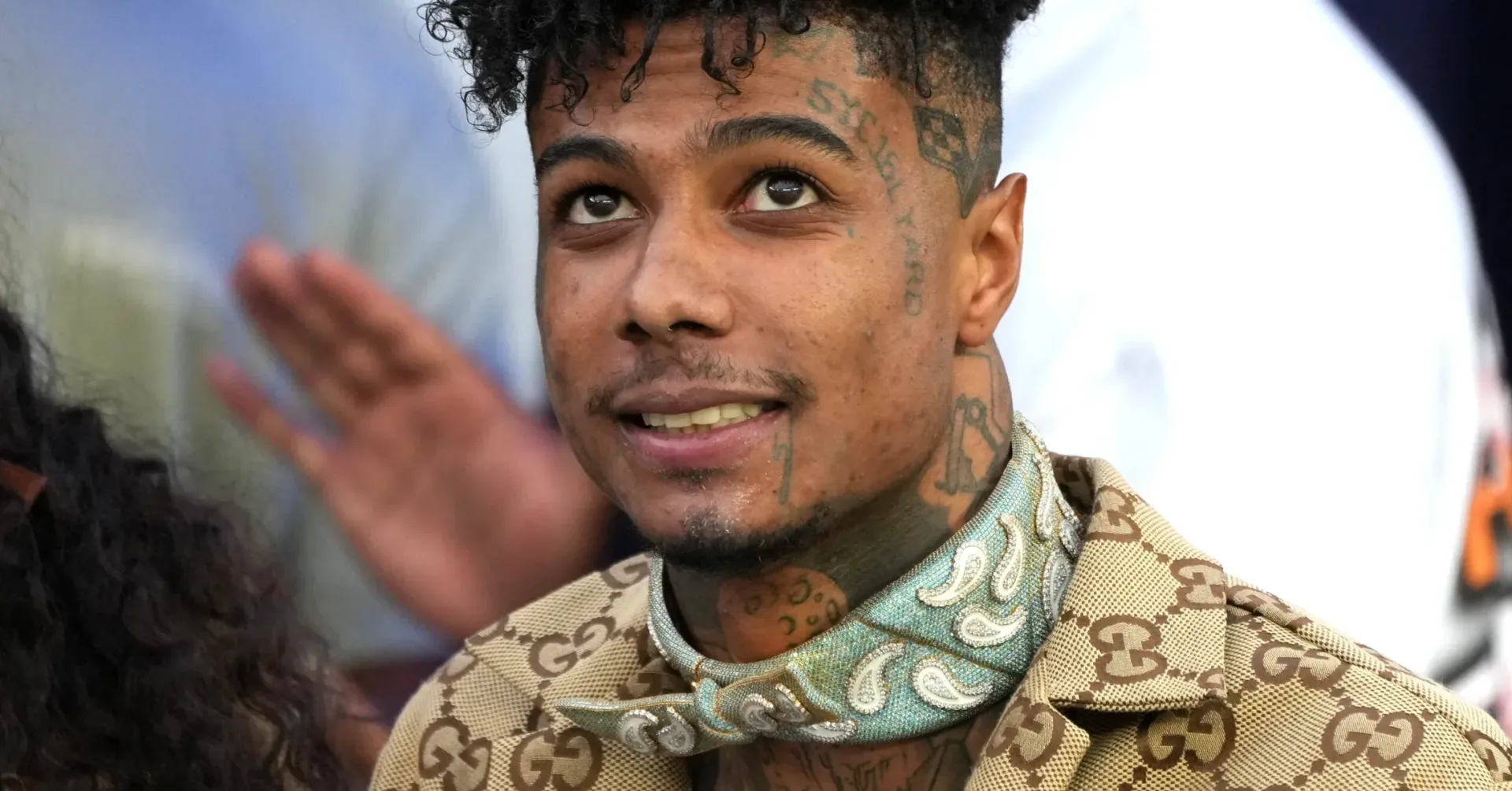
A Blueface livestream reportedly took an unexpected turn Wednesday night when viewers watching the broadcast became concerned that Celina Powell might drive after appearing impaired in social-media clips. The clips led some chat participants to contact police, and officers later arrived at the parking lot, where Powell reportedly did not leave in her vehicle.
The available account is based on videos circulating online and commentary around the stream, rather than an official police statement or independently verified account of the incident. That distinction matters. Claims about a person’s condition, what occurred before officers arrived, and why specific decisions were made should be treated as allegations unless confirmed by authorities or the people involved.
Still, the central issue raised by the footage is straightforward: if somebody may not be fit to drive, keeping them from getting behind the wheel can prevent a potentially serious situation. In this instance, Blueface’s viewers appear to have treated the chat as more than an audience, acting on a perceived immediate safety concern.
What the circulating clips appear to show
Posts shared across social media alleged that Powell was preparing to drive her pink Lamborghini Urus. Viewers watching Blueface’s stream said they believed she was not in a condition to do so and called police. Officers subsequently arrived in the parking lot and, based on the videos and descriptions available, she did not drive away.
Powell reportedly maintained that she was okay to drive. People around her were heard reacting to the situation with laughter, while the chat’s intervention was described as necessary because her behavior appeared alarming. Online observers also pointed to what they interpreted as slurred speech in the footage. Those are impressions drawn from clips, not a substitute for a formal determination of intoxication.
No supplied information establishes whether any citation, arrest, test, or further police action occurred. It also does not establish the precise location, timeline, or what arrangements were made for Powell to leave safely. The clearest reported outcome is simply that officers were present and that she was prevented from driving from the parking lot.
A livestream chat becomes a bystander network
Livestream culture often rewards immediate reaction. A creator broadcasts in real time, the audience posts comments in real time, and moments that might once have remained private can become a collective event within minutes. Usually, that produces jokes, arguments, clips and rapid-fire commentary. In a possible safety situation, however, that same speed can make a chat function like a loose network of bystanders.
Bystander intervention is the basic idea of taking action when another person may be in danger or may pose an immediate risk to others. That action does not have to mean physical confrontation. Alerting venue staff, contacting emergency services when appropriate, calling a sober friend, or arranging another way home are all examples of stepping in without escalating the situation.
In this case, viewers were geographically removed from the scene, but they believed they could identify an imminent risk from what was being broadcast or reposted. Calling police was their chosen intervention. If the account is accurate, the result highlights an unusual feature of livestreams: an audience can be passive one minute and capable of summoning real-world help the next.
That is not an uncomplicated role. Internet audiences have incomplete information, clips can lack context, and group excitement can rapidly turn into a pile-on. The responsible dividing line is urgency. A suspected danger involving a person about to drive is very different from viewers attempting to litigate private disputes, spread addresses, or mobilize harassment over rumors. Safety concerns should be directed toward appropriate local help, not used as an excuse for online vigilantism.
Why the stakes are different when a vehicle is involved
A car changes the scale of any suspected impairment concern. A choice that may otherwise affect one individual can put passengers, pedestrians and other motorists at risk. That is why the reported decision to ensure Powell did not drive was consequential even though the incident unfolded amid the chaotic, entertainment-first atmosphere of a celebrity stream.
The useful practical takeaway is not that viewers should diagnose strangers from a short video. They cannot. Instead, it is that people who are physically present should treat uncertainty cautiously when someone intends to drive and appears unwell, impaired, exhausted, or otherwise unable to operate a vehicle safely. Removing access to keys, finding a sober driver, arranging a ride, or seeking assistance can be safer than debating whether the person is “fine.”
For remote viewers, the threshold should be higher because they have less context and may not know the location or circumstances. If there is a credible, immediate threat and enough reliable information to contact local emergency services, reporting the concern may be warranted. Broadcasting assumptions, encouraging swarms of strangers to intervene, or treating a live situation as participatory spectacle is not.
Blueface’s streaming run and the attention economy
The reported intervention arrives during an active stretch of streaming for Blueface and Powell. Their broadcasts have generated frequent discussion, with the live format placing personal conversations and unpredictable incidents directly in front of an online audience.
Blueface has also discussed strong earnings connected to his current run on Kick, with a figure of up to $130,000 per week cited in the supplied information. That number should not be read as a guaranteed annual salary: weekly earnings can vary, and projecting them across a full year assumes the same pace continues. But it illustrates why creators may invest heavily in live content, where a direct and continuous relationship with an audience can be commercially valuable.
Streaming is not automatically a simpler or lower-risk alternative to music, despite the suggestion that it requires fewer resources. It has a different risk profile. A song can be recorded, edited and released on a schedule; a livestream is immediate and less controllable. The same authenticity that audiences value can leave creators and guests exposed when private conflict, questionable judgment, or a possible emergency unfolds in public.
That trade-off is increasingly visible across entertainment. Viral moments can bring attention that becomes career momentum, as Druski has described in discussing the impact of a major music-video appearance. But attention is not inherently beneficial, particularly when it centers on potential harm rather than a planned performance or creative work.
What should not get lost in the viral framing
The language of “chat saves the day” makes for an easy viral headline, but the more important point is restrained: viewers reportedly saw something concerning, police arrived, and a person was reportedly stopped from driving. If that intervention avoided harm, that is the meaningful part of the story.
There is also a reason to resist treating the event as a punchline. The people involved are not fictional characters in an open-world game, and a livestream does not turn a potentially dangerous moment into entertainment. Friends laughing, chat reacting, and clips spreading afterward may be part of the social-media texture, but none of that reduces the stakes when a vehicle may be involved.
The footage and reports available leave significant unanswered questions, including the official outcome. Until more reliable information emerges, the responsible reading is narrow: a livestream audience reportedly raised an urgent driving concern, police reportedly responded, and Powell reportedly did not drive away. That is enough to discuss the safety lesson without overstating what has been proven.