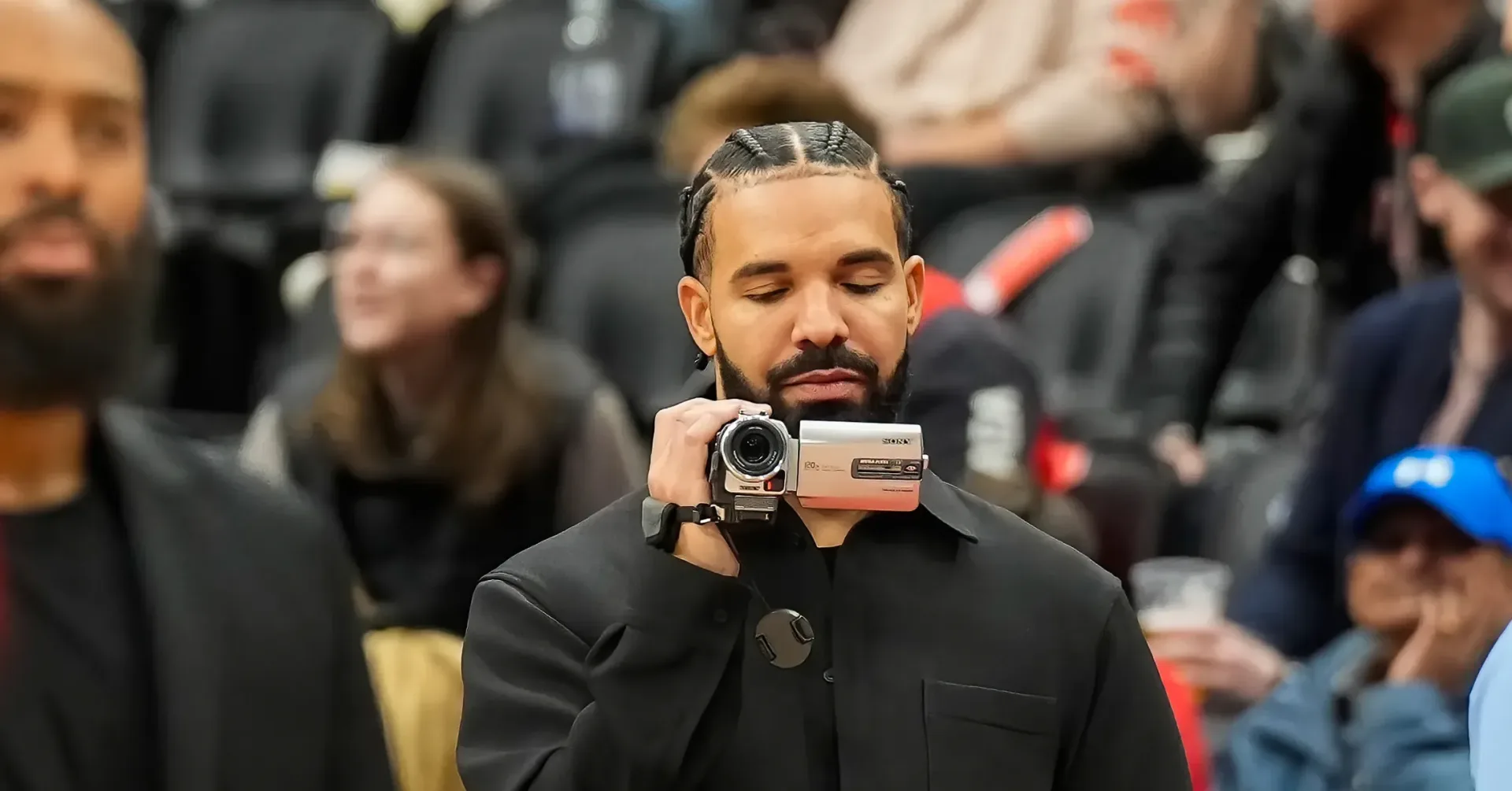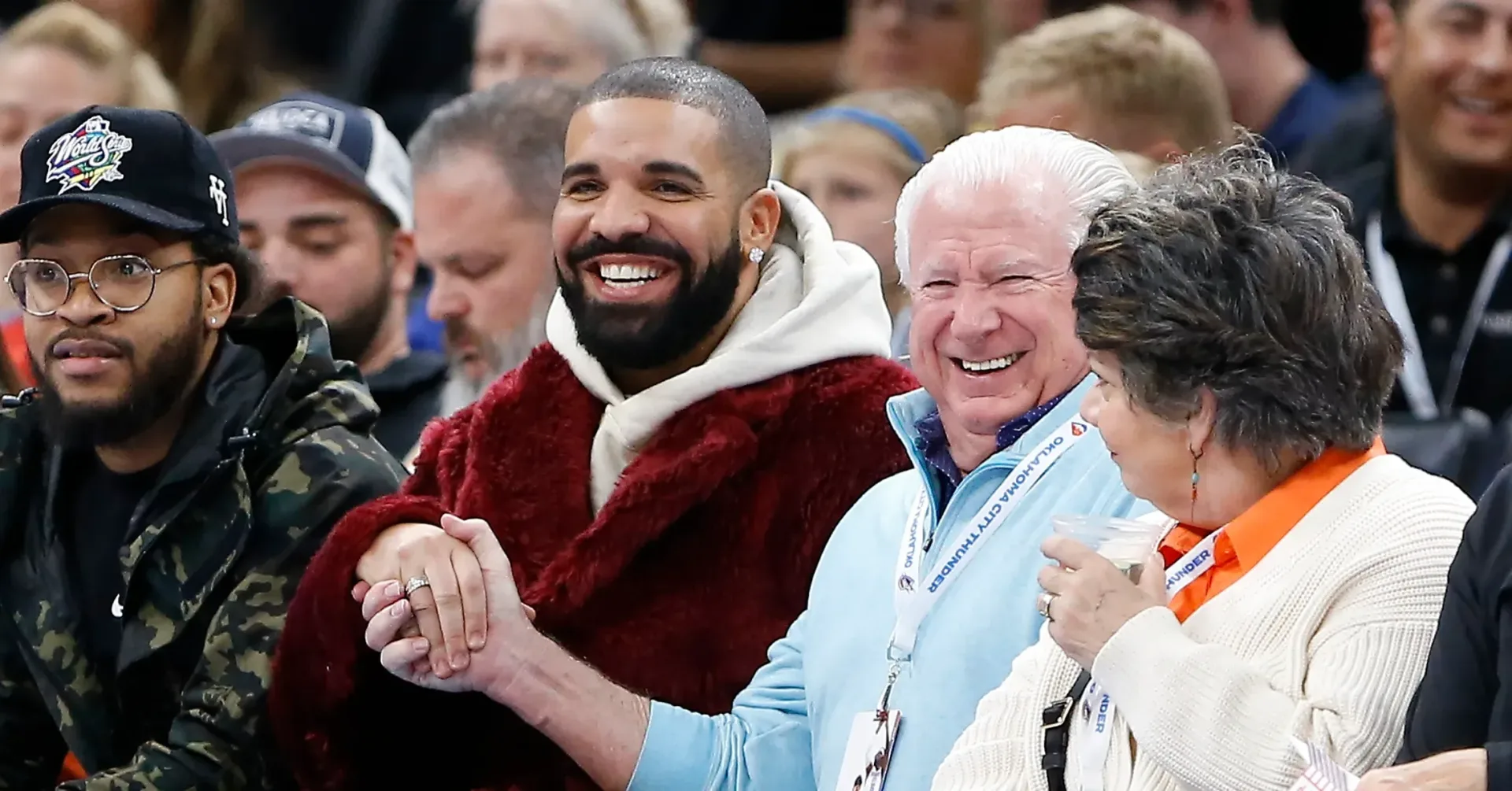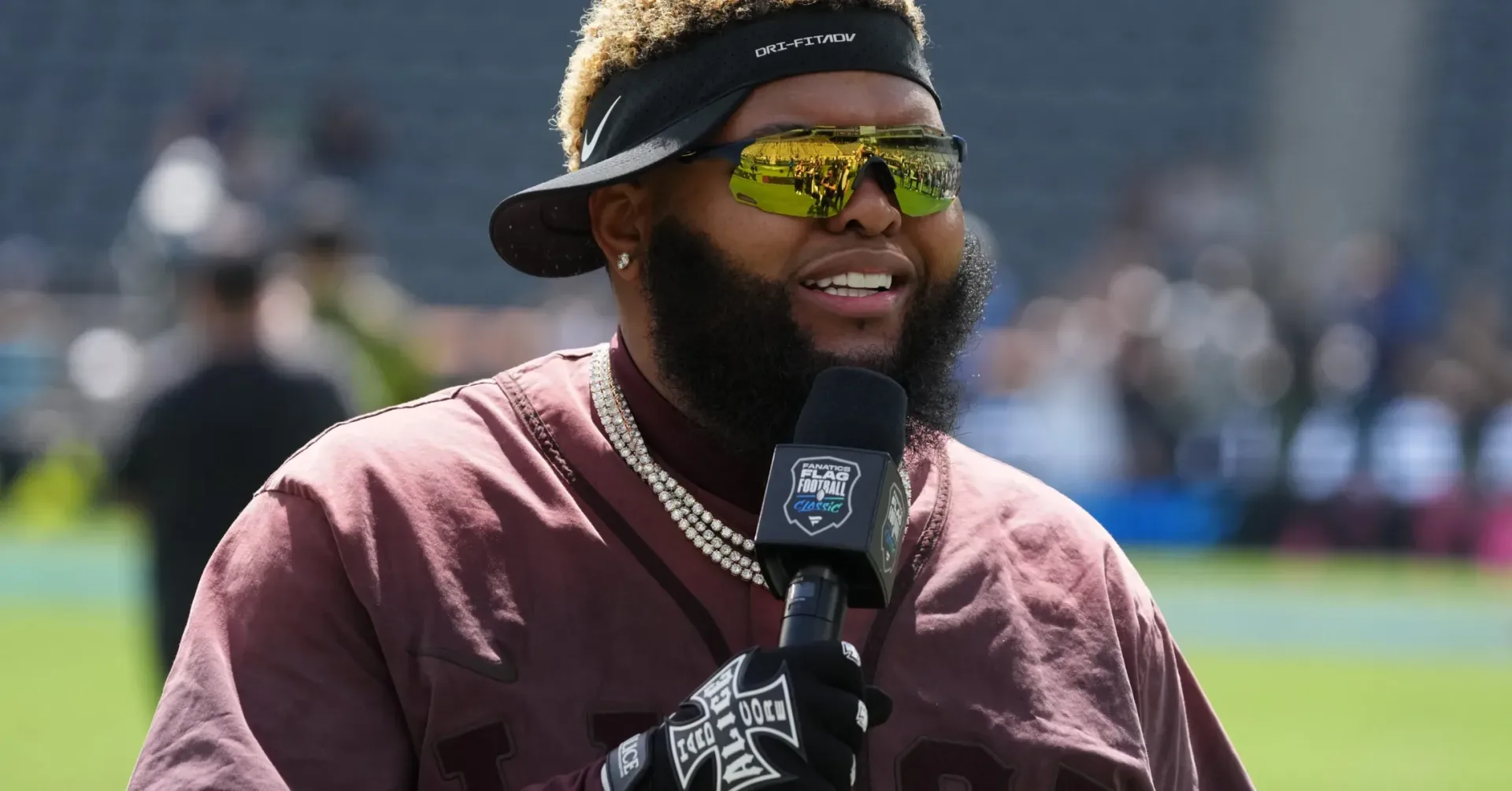
Druski has described Drake’s “Laugh Now Cry Later” video as the moment that fundamentally changed the financial trajectory of his comedy career. In a conversation with Steven Bartlett on The Diary Of A CEO, the comedian said the call to join the video gave him a level of visibility that made brands take him seriously as a paid creative partner rather than simply someone to send promotional products.
“The thing that changed my life was Drake calling for the ‘Laugh Now Cry Later’ music video,” Druski said. “Brands started to take me seriously, it was no more sending free merch. It wasn’t until then that the real money was coming in.”
The distinction is a useful one. Online recognition, even when it produces a large audience and frequent viral clips, does not automatically create a stable business. Druski’s account separates early attention for his skits from the later commercial opportunities that followed the Drake appearance. In his telling, the video did not merely bring more viewers; it signaled to potential brand partners that he was an established collaborator capable of reaching a wider mainstream audience.
A guest appearance with a much larger effect
“Laugh Now Cry Later” placed Druski in a high-profile music-video setting alongside Drake. For a creator already building an audience through comedy skits and reality-show work, that kind of placement can operate as an introduction to viewers and businesses outside the creator’s existing channels.
Druski was direct about how he viewed the opportunity, saying he could not believe Drake took a chance on him. The language matters because it frames the appearance as an inflection point rather than a claim that it built everything by itself. He had already been making work and earning recognition, but he says the major opportunity changed what came next.
That is a familiar divide in creator careers: attention can be plentiful while income remains uneven. Free merchandise is often used as compensation, or partial compensation, for promotional posts and appearances. A paid campaign, by contrast, means a company has allocated a real budget for a creator’s work, reach or on-camera presence. Druski’s comments point to the moment when that shift became tangible for him.
Why brand attention is different from audience attention
Audience growth and commercial demand are related, but they are not interchangeable. An audience may respond to a comedian’s characters, quick sketches or recurring formats without immediately giving advertisers a clear reason to spend. High-visibility appearances can change that calculation by providing a recognizable credential: a creator has worked in a prominent production and can reach people beyond a single platform or niche.
For Druski, the impact he describes was concrete. He says brands began calling and that the money started arriving after the video. It is not a claim that the music-video appearance created his comic voice or replaced the work that came beforehand. Rather, it was the break that converted an emerging entertainment profile into a more viable commercial career.
That difference is especially relevant in comedy, where a performer can have a recognizable persona long before there is an obvious traditional lane for monetizing it. Sketches can lead to live work, acting, sponsorships, hosting and collaborative productions, but none of those outcomes is guaranteed by a viral post. Druski’s experience suggests that the Drake collaboration gave prospective partners a reason to see those possibilities.
The value of a cultural co-sign
Drake’s role in the story is not simply celebrity adjacency. Druski identifies the invitation as the specific event that caused brands to reassess his value. In entertainment terms, a co-sign is public support or association from an already prominent figure. It can function as an endorsement, but it is more accurately understood as borrowed visibility: a newer or rising performer is introduced to an audience that might otherwise never encounter their work.
The effect can be powerful, but it still depends on the person receiving it. A cameo can be forgotten quickly if it does not fit the performer’s established strengths. Druski’s comedy was already based around an identifiable on-screen presence, so the larger platform appears to have amplified a persona viewers and companies could immediately recognize.
His subsequent public profile has extended well beyond individual short-form sketches. Druski has become known for comedy videos and reality-show work, and he has hosted the BET Awards. The progression makes the original point clearer: the major video appearance was not the end destination. It was a springboard into wider opportunities across entertainment.
There is also a broader music-and-comedy connection in this trajectory. Music videos can create a common stage for artists, athletes, actors and internet personalities, allowing each participant to bring their own audience. That crossover remains part of contemporary music culture, as reflected in the wide-ranging artists covered in this roundup of recent music releases. Druski’s experience illustrates how appearing in that ecosystem can have effects far beyond the video itself.
Success did not erase the difficult context
The conversation also included far more serious material. Druski discussed having become involved in scamming and said that, at one point, he had planned to end his life if he did not succeed in comedy. Those disclosures should not be reduced to a dramatic footnote in a career story. They underline how precarious and emotionally difficult the period before his breakthrough felt to him.
It is important to distinguish the facts of his account from a simplistic lesson about perseverance. A major opportunity arriving at the right time helped alter his situation, but a celebrity break is not a dependable solution to financial distress, mental-health struggles or instability. His story describes a personal path and an individual turning point, not a formula others can reproduce.
It also reinforces why the financial side of creative work deserves direct discussion. Public-facing careers can look successful long before they provide consistent income. A performer may have visibility, followers and cultural relevance while still lacking dependable paid partnerships. Druski’s contrast between free merchandise and “real money” is a concise description of that gap.
What Druski’s account says about the creator economy
Druski’s remarks offer a grounded view of how a digital-first comedian can move from momentum to scale. The process was not portrayed as instant. He says his early rise involved restless nights and planning, while recognition for his skits did not immediately resolve the money question. The Drake video, in his account, changed the stakes by opening commercial doors that had not been available at the same level.
- Visibility is not the same as income: Viral work may establish an audience without producing reliable compensation.
- Context shapes an opportunity’s value: Appearing in a major music video connected Druski’s existing comedy persona to a significantly broader entertainment platform.
- A co-sign can alter business perception: The benefit he emphasizes was not only more people recognizing him, but brands becoming willing to pay for his involvement.
- Career narratives can conceal real strain: Druski’s discussion of his past makes clear that the period before the breakthrough carried serious personal difficulty.
Ultimately, Druski gives Drake credit for a pivotal call that changed how the market saw him. His comedy work had already put the pieces in place, but “Laugh Now Cry Later” became the event he associates with turning public recognition into meaningful paid opportunities. That is why the memory carries such weight in his account: it was not just a cameo, but the moment he believes changed his life.