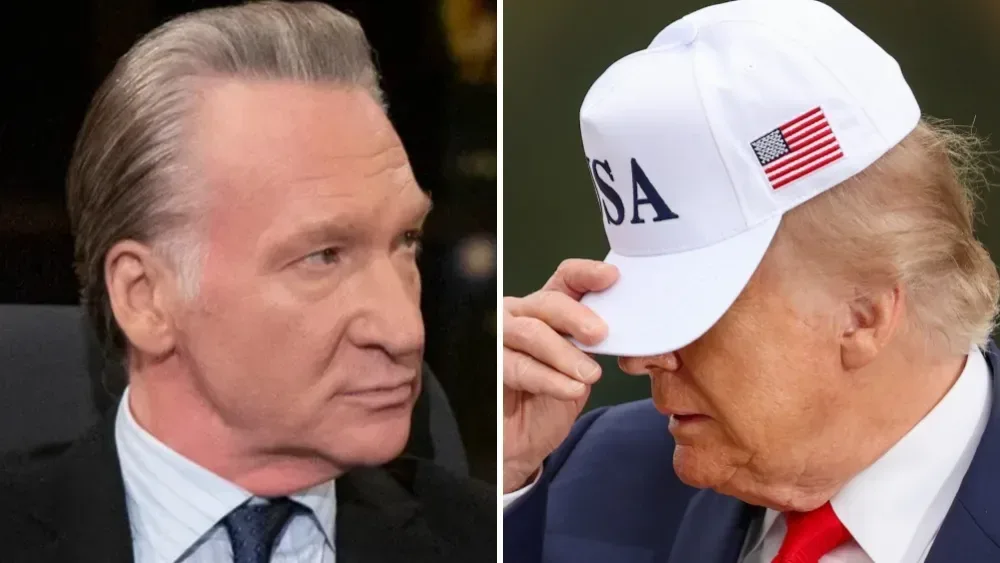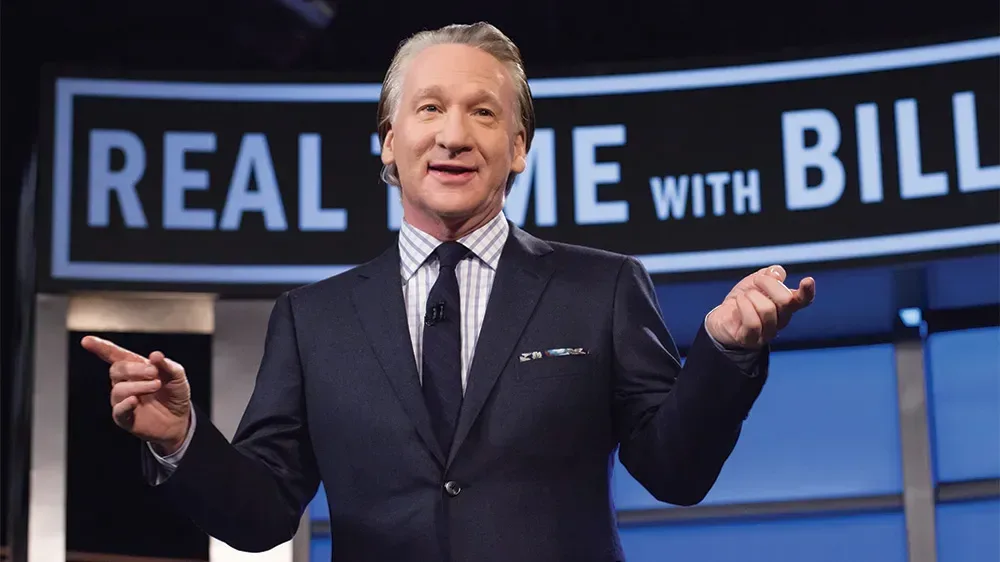
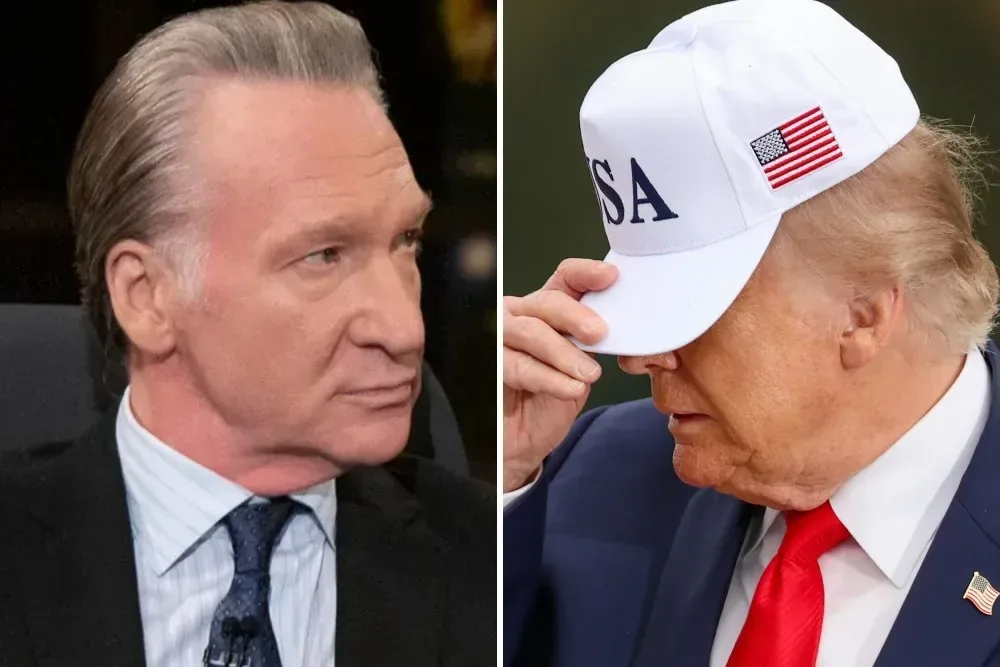
Bill Maher turned his latest Real Time monologue into a victory lap after Democrats regained control of Congress in the midterm elections, using the show’s familiar blend of clips, punchlines and direct-to-camera commentary to poke at Donald Trump.
Maher’s core argument was simple: he believed the result was much clearer than much of the pre-election hedging suggested. He described the Republican result as a major loss, then played footage of himself from Real Time and cable-news appearances in which he had forecast a substantial Democratic victory.
That structure matters because it made the segment about two things at once. It was a joke-heavy reaction to an election outcome, but it was also Maher making a case for his own record as a political prognosticator. Late-night monologues often react to the week’s biggest news; here, Maher also supplied a highlight reel intended to show that he had called the direction of the result before votes were counted.
“Gloating” becomes the premise
Maher openly framed the routine as gloating. That gave him a comedic license to lean into the bluntness of the result rather than attempt a detached, analytical assessment. He said Republicans had lost decisively, using Trump’s favored “bigly” phrasing for the punchline, and added a joke about a $5,000 check he now would not receive.
He then referenced a 2016 comment from the late Republican senator Lindsey Graham, who had warned that nominating Trump would lead to the party being destroyed and deserving that outcome. Maher coupled the quotation with a joke about gay people being a decade ahead of everyone else. Graham, who represented South Carolina, died in July.
The joke is characteristic of Maher’s approach: an old political statement becomes the setup, with the passage of time providing the twist. It also shows how he uses his monologue to fuse political memory with an immediate headline. Rather than treating the midterm as an isolated event, he tied it to a warning from a decade earlier and presented the current loss as a delayed confirmation.
The Trump response supplied the sharper turn
The most pointed part of the segment came when Maher discussed Trump’s reaction to the election. Maher said Trump congratulated Democrats and said they had done a good job. Maher presented that response as surprising, particularly given the antagonistic relationship he has described between himself and Trump.
Looking into the camera, Maher addressed Trump directly: “Donnie, are you OK?” He said Trump sounded unwell and joked that Trump was not even going to claim the election had been rigged.
Related coverage includes Bill Maher Mocks Trump After Democrats’ Midterm Sweep.
That final line is the segment’s clearest example of how a short monologue can rely on audience expectations. The humor does not come merely from the wording of the congratulatory response. Maher’s premise is that the response sounds out of character, and the comic tension comes from treating relative restraint as a sign that something is wrong.
In other words, Maher did not need to argue at length about the election. He made Trump’s reaction the scene: a familiar political adversary speaking more generously than expected, followed by Maher feigning concern rather than accepting the concession at face value.
Why the clip package was central
The clips of Maher predicting a Democratic “historical thumping” did more than refresh viewers’ memories. They changed the role he assigned himself in the story. Without them, the monologue would have been a straightforward post-election celebration. With them, it becomes a defense of confidence in a media environment Maher characterized as overly cautious and hedged.
Hedging, in this context, means qualifying a forecast to account for uncertainty: stressing close possibilities, avoiding firm declarations, or presenting several outcomes as similarly likely. Maher’s complaint was not a technical election-analysis claim with a detailed methodology. It was a performance critique. His position was that too many commentators had resisted saying what he believed the evidence and political mood plainly indicated.
His self-quotation montage is therefore best understood as a rhetorical device, not an independent measure of forecast accuracy. It is a way to establish authority inside the show’s comic format. The effect is to tell viewers, “I said this would happen,” before moving on to the more entertaining question of how Trump handled it.
A familiar Maher contradiction becomes part of the story
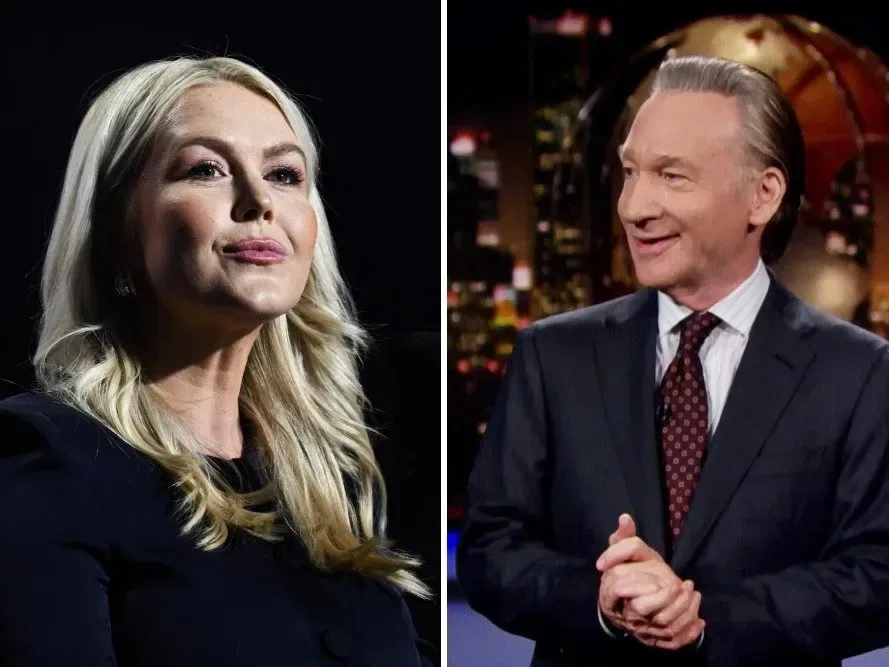
The segment also arrives after a period in which Maher’s relationship to Trump-world figures drew attention. In the lead-up to the election, he dined with Trump at the White House, later sparred with him publicly, interviewed former press secretary Karoline Leavitt in a notably friendly exchange, and hosted Kid Rock during comments directed at Democratic Senate candidate Abdul El-Sayed.
Those appearances make the monologue more complicated than a simple partisan late-night broadside. Maher has continued to place himself in conversations with figures across ideological lines, and that can create an expectation that he will give guests room to speak. But the post-election monologue demonstrates that access and conviviality do not mean he has surrendered the show’s instinct for ridicule.
His response was not conciliatory. He celebrated the Democrats’ result, replayed his own predictions and used Trump’s reaction as the basis for a taunt. The apparent contradiction is part of the Maher persona: he can pursue a high-profile political encounter, publicly argue with the same figure later, and return to the desk ready to make that figure the target of the next week’s jokes.
For viewers, that distinction may be more useful than trying to force the moment into a single ideological label. The program is structured around opinionated commentary, debate and comedy, not around neutrality. Maher’s decision to “gloat” was explicit, and the footage he chose established exactly which side of the election result he wanted to emphasize.
What the monologue says about political comedy
Political comedy commonly works by compressing a complicated event into a recognizable emotional frame. Maher’s frame was confidence rewarded: he says he predicted a big Democratic win, Democrats won big, and the losing side’s response is strange enough to become the closing joke.
That compression is effective for a monologue because it offers viewers a clean narrative through-line. It also has limits. Election outcomes involve many candidates, races and local factors, while a comedy segment needs a focal point. Here, Trump becomes that focal point, even though the immediate subject is a congressional midterm result.
Maher’s use of direct address is equally important. Speaking to “Donnie” turns a broad political observation into a mock personal check-in. It is not an attempt at dialogue; it is a performance device that lets the host deliver criticism with the cadence of concern. The question “Are you OK?” works as an ironic refrain because it invites the audience to read the congratulatory response as unexpectedly subdued.
The result is a compact example of how Real Time processes politics: clips provide receipts, a historical quotation supplies context, and a present-day reaction becomes the joke. Maher’s target was not only Republican electoral defeat, but the gap between the Trump reaction he expected and the one he said Trump delivered.
What to take from the moment
Maher’s monologue should be read first as commentary and entertainment, not as a comprehensive post-election account. Its strongest claim is personal and performative: Maher says he saw a Democratic rout coming when others were less willing to make that prediction. Its strongest joke is likewise built on persona: Trump offering congratulations is framed as so unusual that Maher responds with mock alarm.
That combination helps explain why the segment is likely to travel beyond the full episode. It contains a concise score-settling narrative, a replayable prediction montage and a line aimed squarely at one of American politics’ most recognizable figures. Whether viewers share Maher’s politics or not, the construction is easy to follow: call the result, claim the receipt, then interrogate the rival’s surprising response.
For more television context, see our coverage of Adam Driver ruling out a return for HBO’s five-episode Girls revival.