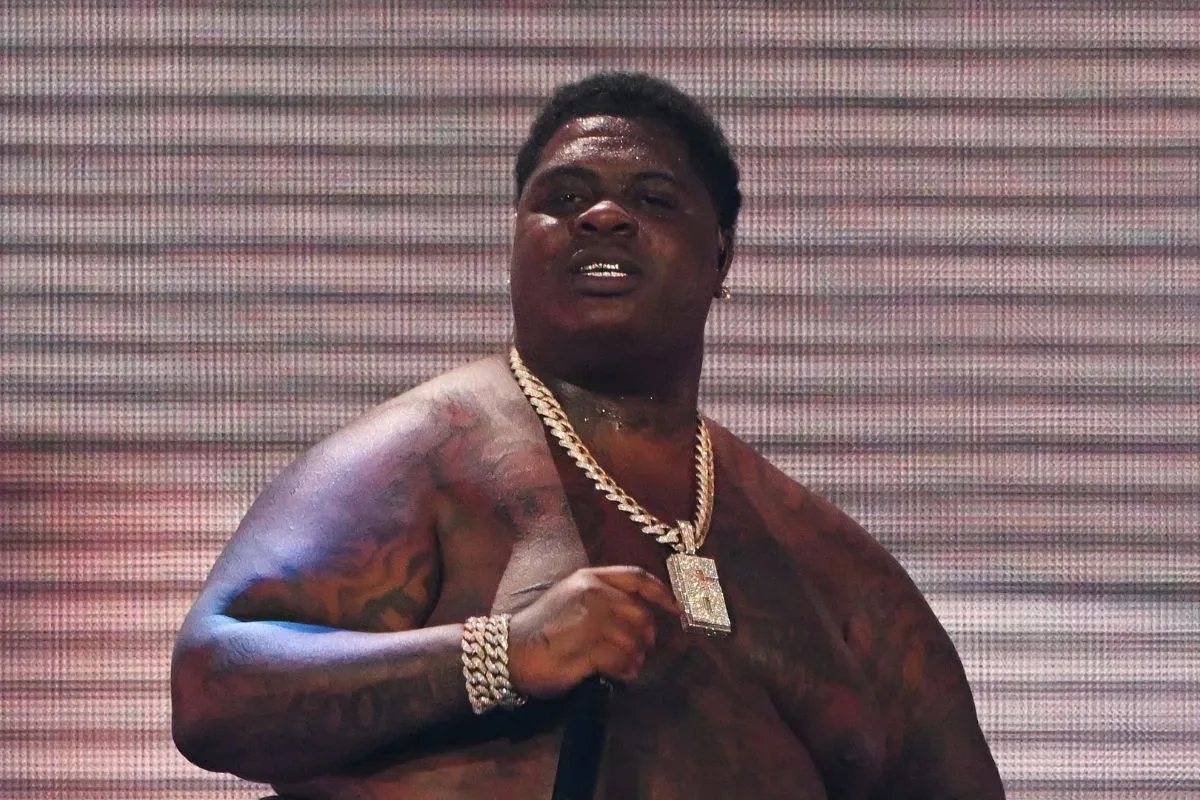
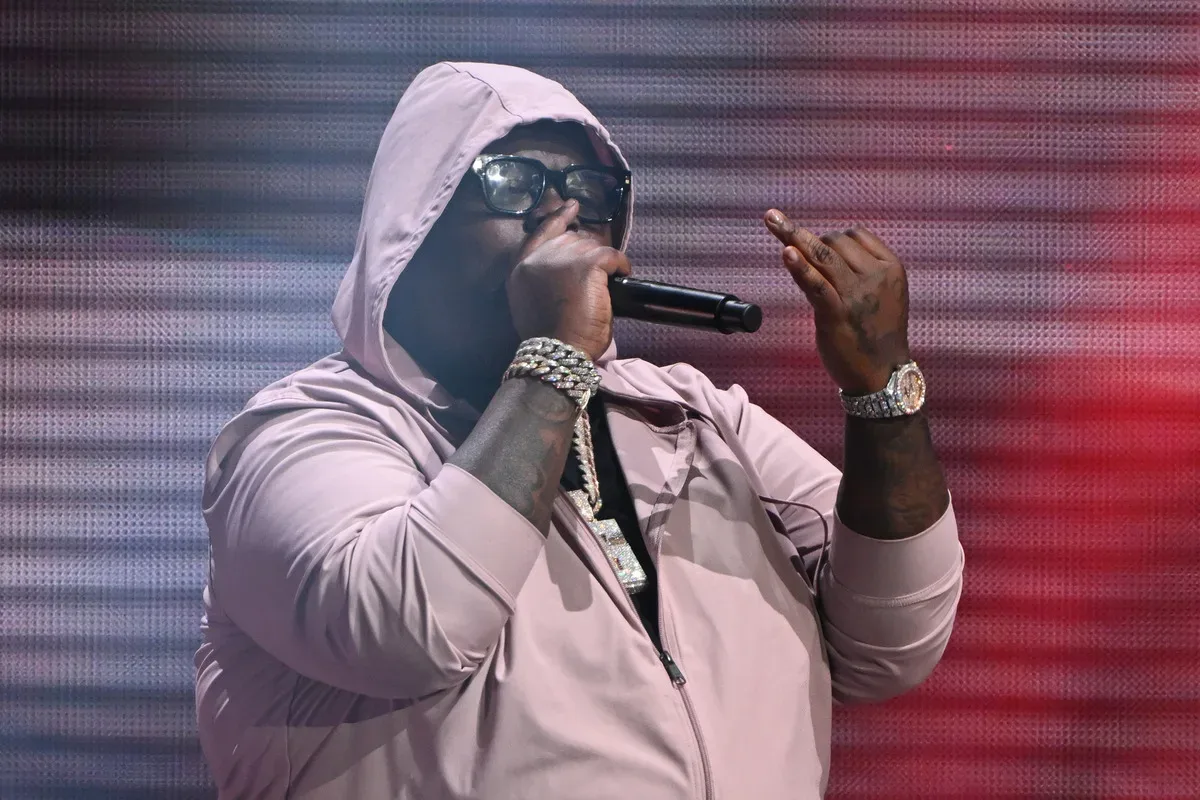
BigXthaPlug has returned to his highest position on the Billboard 200 as Better Over Time opens at No. 7 on the chart dated November 14. The Dallas rapper’s latest album posted 35,000 equivalent album units in its first chart week, matching the No. 7 high reached by 2025’s country project I Hope You’re Happy. His 2024 album Take Care peaked one spot lower, at No. 8.
The chart placement is a clear result, but the path to it is notable for how many distinct entry points the campaign offered. Rather than treating the album as only a streaming release, BigXthaPlug’s rollout combined a direct-to-fan pre-order hub, selected early music access, merchandise and community features, location-specific billboard promotion, and a Dallas screening of a short film paired with an advance album listen.
That does not prove that any one tactic was responsible for the No. 7 bow. Chart performance reflects many forms of listening and purchasing, and the available numbers do not break down the 35,000 units by format. What the rollout does demonstrate is a deliberate attempt to make the record feel like an event before listeners reached the standard album page.
A No. 7 debut that extends an upward run
Better Over Time gives BigXthaPlug a second Billboard 200 peak at No. 7. That tie matters in the context of the three albums named in the release history: Take Care reached No. 8 in 2024, while I Hope You’re Happy reached No. 7 in 2025. The new release therefore sustains that upper-chart level rather than merely registering a one-week spike.
Equivalent album units are the measurement used for the chart total. The term is important because it is not simply a count of traditional album purchases. It combines album consumption into a common unit, which can include album sales and activity derived from music listening. The supplied figure establishes the overall opening-week total, but it does not specify how much came from direct sales, streaming, or other qualifying consumption.
That distinction puts the campaign’s direct offer in useful perspective. A $7.99 pre-order was available through BigXthaPlug’s branded EVEN STUDIO hub, but it would be inaccurate to treat the stated starting price as a full accounting of the chart result. The reliable takeaway is narrower: the hub created a place for fans to engage with the project before release in addition to wherever they chose to hear it afterward.
One album, two opening-week editions
The project changed shape quickly. The original edition arrived October 30 with 18 tracks and a 42-minute running time. On November 2, an expanded version took the album to 19 tracks and 45 minutes through the addition of the “LITE” remix featuring Lil Wayne and Belly Gang Kushington.
For listeners, that revision means the album’s first week was not a fixed, single-version experience. Early listeners encountered the 18-song sequence; listeners who returned after the update found a longer edition and an additional collaboration. In practical terms, a post-release expansion gives an audience a reason to revisit a record without replacing the original release date or obscuring its initial form.
The timing also draws attention to a frequent point of confusion around album rollouts: an expanded edition is not necessarily a wholly separate album campaign. Here, the added remix extended the existing project by one track, changing both its track count and total runtime. It is best understood as an update to Better Over Time during the debut window.
Featured artists across the record
The guest list reaches across several tracks rather than concentrating attention on a single collaboration. Leon Thomas appears on “NO LIMIT,” Ava Max is featured on “BURN,” and GloRilla joins “FAF.” Babyface Ray and Lil Yachty share “BELIEVE,” while Fridayy appears on “HEAL ME.” The later version retains those appearances while adding the Lil Wayne and Belly Gang Kushington “LITE” remix.
Those placements provide multiple potential discovery routes for an album. A fan who arrives for one guest may explore the larger tracklist; conversely, a core BigXthaPlug listener gets collaborations distributed across the record. The evidence does not establish which track drove the most engagement, so claims about a particular song’s commercial impact would go beyond the available facts. Still, the sequencing of featured guests across the project makes the album’s collaborative scope clear.
The direct-to-fan hub was more than a checkout page
Before either album edition was available, the EVEN STUDIO destination sold pre-orders beginning at $7.99 and granted early access to selected songs. It also included a community chat, merchandise access, behind-the-scenes videos and tour information. The advance offer was based around the original 18-song configuration and operated through an exclusive license to UnitedMasters.
Direct-to-fan describes an arrangement in which an artist provides a dedicated destination for the audience, rather than relying solely on the familiar streaming-service interface. In this case, the hub gathered music access, commerce and campaign updates in one branded space. Its value is not limited to the transaction itself: the surrounding material offers fans reasons to visit before, during and after release day.
The community chat is particularly revealing of the rollout’s intention. A streaming page is optimized for playback; a chat, behind-the-scenes material and tour information support conversation and repeat visits. Merchandise access similarly connects the album to a physical purchase opportunity without making merchandise the entire campaign. Together, these elements present the album as a continuing fan destination.
There is also a practical lesson in the structure for artists and audiences watching contemporary music launches. Direct access can coexist with broad availability rather than demanding an either-or choice. The supplied details describe early access to selected tracks ahead of the October 30 release, while the album itself then existed in original and expanded forms. The campaign used exclusivity as an advance engagement tool, not as a reason to withhold the full project indefinitely.
A film screening gave the release a physical premiere
Music was only one part of the pre-release presentation. On October 26, invited guests gathered at a Cinemark theater in Dallas for a preview that combined a short film with an early listen to the album. BigXthaPlug then performed in the parking lot and invited fans to appear during a taping.
This approach added a local, physical dimension to an otherwise digital-forward release plan. The theater setting frames the short film as part of the album’s creative presentation, while the performance afterward shifted the event into a fan-facing live moment. The invitation for attendees to appear in the taping further blurred the normal line between audience and campaign imagery.
It is not possible from the available information to define the film’s plot, duration, distribution plans, or relationship to individual songs. Those details have not been established. What is clear is its functional role in the rollout: it gave guests a visual route into the album before release, then led into a performance environment outside the theater.
That combination of screening and live performance aligns with a broader creative principle: an album launch can benefit from a setting that asks people to experience music together rather than only encounter it alone through an app. The effect is hard to measure with a chart figure, but it makes the pre-release period more memorable and supplies a distinct narrative image for the campaign. Readers interested in another example of creators using screen storytelling as an extension of their work can explore this look at the makers behind horror satire Namaslay.
Billboards connected guests to their home cities
The outdoor component of the campaign took a similarly targeted approach. Billboards appeared in seven cities and introduced featured artists in their hometowns before the complete collaborator lineup was announced. Memphis displayed GloRilla, Detroit featured Babyface Ray, and Dallas highlighted Ro$ama.
That choice did more than list names. It tied the album’s collaborators to places where their presence carries immediate local recognition. Instead of presenting the guest roster only as a final tracklist reveal, the campaign allowed individual participants to become clues in a larger rollout. Fans could see who was being spotlighted while still awaiting the complete picture.
There is a useful distinction between this type of promotion and a generic album billboard. A conventional placement may communicate an artist name, cover image, date or title. These placements used geographic context as part of the message: the collaborator and the city were paired. The supplied examples establish that idea in Memphis, Detroit and Dallas, though they do not identify the remaining cities or every billboard participant.
The resulting campaign had several layers operating at once. The billboards raised anticipation through selective reveals; the direct hub offered early access and a fan space; the film screening supplied a communal premiere; and the expanded edition refreshed the release a few days after launch. None of those layers changes the core achievement: Better Over Time opened at No. 7 with 35,000 equivalent album units. But together they explain why the album arrived with more infrastructure than a standard tracklist drop.
What the Better Over Time rollout shows
BigXthaPlug’s new chart result is straightforward: a No. 7 Billboard 200 debut that equals his career high. The campaign behind it was more complex. It treated the music as the center of a wider release ecosystem, giving different fans different ways to enter—through selected songs, a pre-order, community material, local visual promotion, a film event, a performance, or an expanded tracklist.
Most importantly, the rollout did not rely on one vague promise of “exclusive content.” Its components had identifiable purposes. The hub provided a direct relationship with fans; the screening made the launch tangible in Dallas; hometown billboards gave featured artists localized visibility; and the “LITE” remix created a concrete update to the album. With Better Over Time, those separate pieces now sit beside a measurable outcome: BigXthaPlug has matched the top Billboard 200 position of his previous best-performing release.