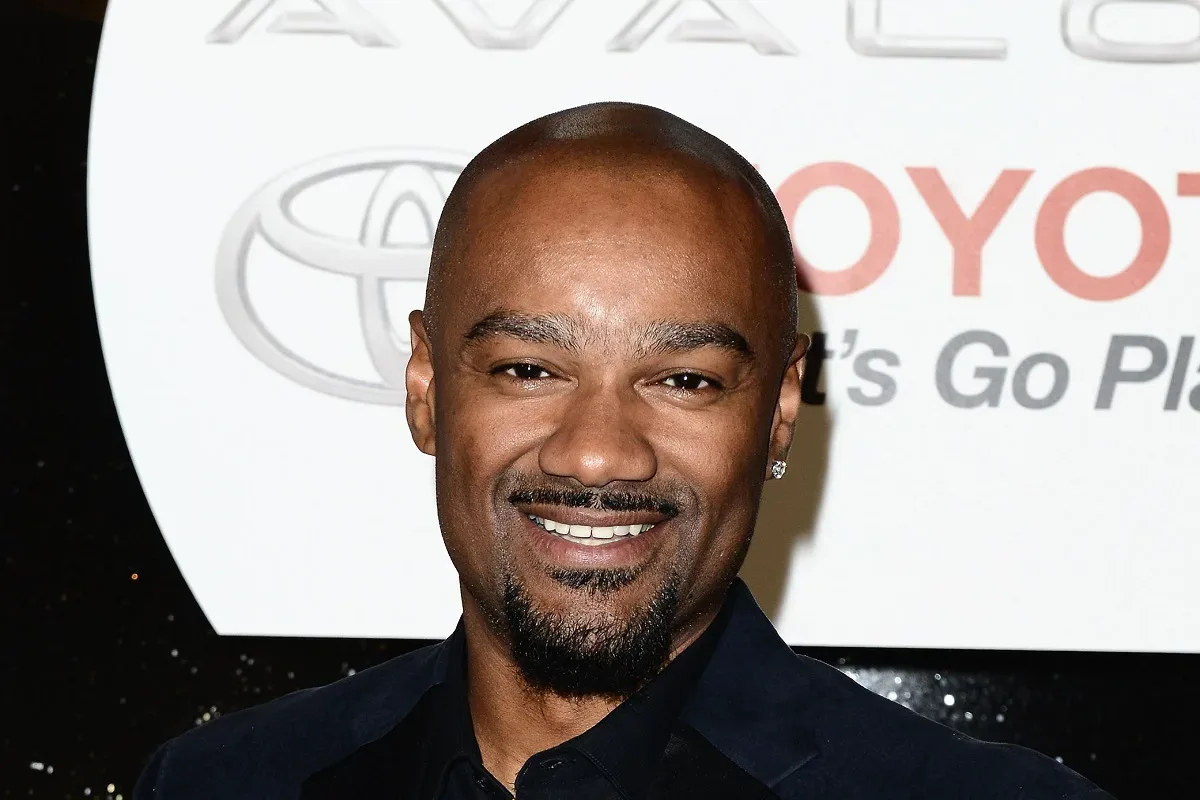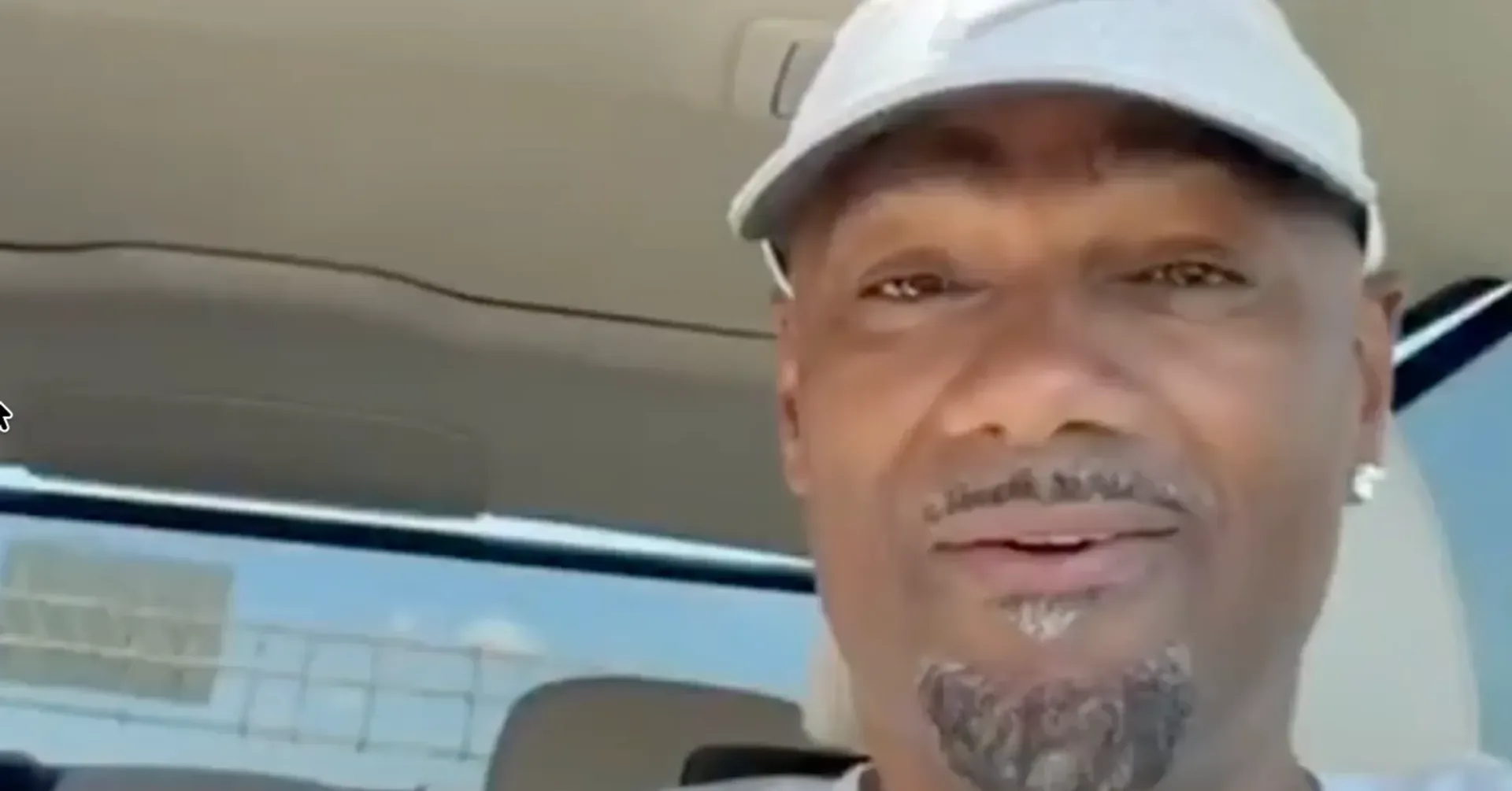
Big Tigger has publicly addressed the decision not to prosecute him on aggravated battery and third-degree cruelty to children allegations tied to a dispute with his estranged wife, Alicia Brown. Appearing on Instagram Live days after the Fulton County District Attorney’s Office declined the case, the Atlanta radio figure sounded relieved, grateful toward supporters and sharply humorous about the marriage now at the center of an intensely public summer.
The broadcaster, whose legal name is Darian Morgan, celebrated the outcome on the livestream and joked that he had moved his wedding ring to his right hand because he “married the wrong person.” The comment offered a pointed glimpse at the state of the relationship, but it did not signal that the pair’s broader personal or civil conflicts have been resolved.
What is clear is the criminal outcome: prosecutors declined to move forward on the listed charges. That means Morgan will not face criminal prosecution on those allegations. It does not, however, establish a public finding on every disputed account of what occurred in the couple’s home, and publicly reported information about the specific reasoning behind the declination has not laid out the office’s rationale in detail.
A public response after a difficult summer
Morgan had denied the accusations from the outset and maintained that the facts would support his position. In the livestream, he encouraged viewers to examine the district attorney’s decision, while also portraying the development as a major personal vindication.
His most expansive comments were not limited to the legal result. Morgan used the moment to acknowledge people who backed him during the period between his June arrest and the prosecution decision. He said his long public career helped persuade many people to withhold judgment and expressed appreciation for those who did.
“Luckily, the majority of people believed in me, stood by me and represented for me,” he said during the livestream.
He also made it plain that the ordeal altered how he sees people around him. Morgan said he kept track of individuals he felt did not support him, joking that the resulting list was lengthy. Asked about dating, he said he was not dating and that his trust in new people had reached an all-time low.
The combination of relief, resentment and jokes about a right-hand wedding ring reflects the strange public afterlife of a high-profile domestic dispute. A prosecutor’s decision can close a criminal track, but it cannot instantly erase a months-long wave of allegations, online debate, personal disruption and fractured relationships.
What led to the charges
The allegations became public following an argument at Morgan and Brown’s Sandy Springs home. Brown told investigators that a May 9 dispute was connected to text messages involving Morgan and a female coworker. In the arrest affidavit, Brown alleged that Morgan shoved her, causing her to fall headfirst into an office door. She was treated medically for a deep cut above her left eye.
Authorities later charged Morgan with aggravated battery and third-degree cruelty to children. The child-cruelty count was tied to an allegation that the couple’s 13-year-old son was upstairs and could hear the confrontation.
Ring camera footage from inside the residence became part of the public conversation afterward. Portions that surfaced showed the pair struggling, but the available clips did not document every element of Brown’s allegations. That limitation is important: selectively available video can become a powerful force in online discourse while still providing an incomplete record of an event.
Morgan was arrested on June 20 and released that same day after posting $10,000 bond. He responded with a denial of all allegations. He later stepped away from The Big Tigger Morning Show on V-103, explaining that the attention directed at his private life had become overwhelming and that he wanted to focus on his family.
The district attorney’s choice not to prosecute ends the criminal case on those charges, but it should not be overstated beyond that. A declination means prosecutors will not proceed; it is not a detailed public reconstruction of the incident. With no extensively reported explanation from prosecutors, outside observers do not have a complete official account of why the office made its decision.
Marriage remains separate from the criminal outcome
Morgan’s ring joke was memorable precisely because it made no attempt to hide the apparent distance between the spouses. The criminal matter may no longer be moving forward, yet his remarks suggest the marriage remains deeply strained.
Brown’s other legal issues are separate from the allegations against Morgan and should be understood that way. She was arrested in July on warrants associated with a Maryland custody matter. Brown has also sued Fulton County Sheriff Patrick Labat over a different Georgia warrant, alleging that it resulted in a wrongful arrest.
There is also a defamation lawsuit involving V-103 personality Francesca Amiker, who sued Brown over social-media claims that Amiker had an affair with Morgan. That dispute is distinct both from the declined criminal charges and from Brown’s claims involving law enforcement. In a story where multiple allegations and legal proceedings overlap, separating the matters is more than a technicality; it is necessary to avoid treating one claim or case as proof of another.
Defamation litigation often turns on precisely that distinction: what was said, where it was said, whether it was presented as fact and whether it caused legally actionable harm. The broader entertainment world has seen how long and complicated such cases can become, including in a separate defamation dispute involving Sean Combs and Ariel Mitchell. Morgan and Brown’s situation carries its own facts and should not be conflated with any other case, but the shared lesson is that legal labels rarely capture the full personal impact of public allegations.
Why precise language matters here
This is the kind of story where shorthand can mislead. Saying the charges were “dropped” mirrors Morgan’s own celebratory phrasing, but the reported procedural development is that the Fulton County District Attorney’s Office declined to prosecute. The difference may sound formal, yet legal language has value: it describes what authorities actually did without implying facts that have not been publicly established.
Likewise, Brown’s account remains an allegation, and Morgan’s denial remains his position. The existence of an arrest affidavit, medical treatment and partial Ring footage explains why the matter drew serious attention. The later declination explains why it will not become a criminal prosecution. Neither point authorizes outsiders to fill gaps in the public record with certainty.
That restraint can feel unsatisfying in the social-media era, especially when a livestream provides immediate, headline-ready comments. But Morgan’s laughter, his statement about supporters and his distrust of new people are best read as his reaction to a legal outcome and a painful public chapter—not as a substitute for a fully disclosed account of the prosecutors’ analysis.
What the decision changes—and what it does not
The most immediate effect is straightforward: Morgan no longer faces prosecution for aggravated battery or third-degree cruelty to children in this matter. For a radio personality whose career and personal life have both been thrust into scrutiny, that is a major shift from where things stood after his June arrest.
It also gives Morgan room to speak more openly about the episode, which he did through a mixture of vindication and cutting humor. His comments about recording who supported him suggest he sees the period as a test of loyalty. His answer about dating suggests the experience has changed his willingness to form new relationships, at least for now.
But the decision does not automatically repair a separated marriage, answer every question raised by the reported confrontation or resolve unrelated legal matters involving Brown. It does not turn partial public footage into a complete record, and it does not provide the public with detailed prosecutorial reasoning where none has been reported.
For now, Morgan’s Instagram Live has put a human, and sometimes barbed, voice to the outcome. He is presenting himself as someone relieved to have the criminal case behind him, appreciative of the people who believed him and wary of nearly everyone else. The legal chapter involving these charges is closed, while the personal fallout plainly remains far more complicated.