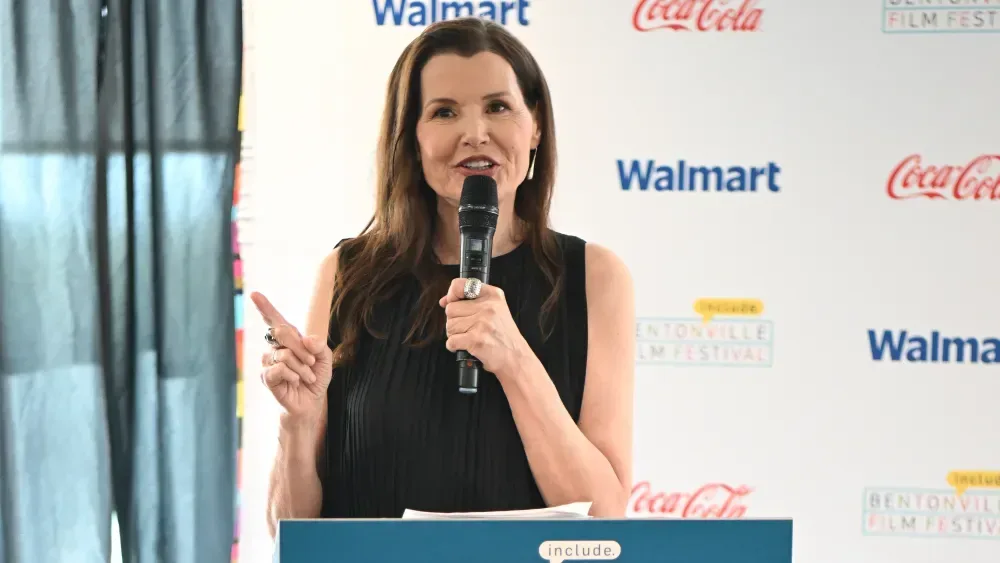
The Bentonville Film Festival will return for its 13th edition from June 14 through June 20, 2027. The event, founded by Geena Davis in 2015, will again combine film screenings with industry conversations and community-focused programming in Bentonville.
The 2027 event also continues a partnership with 10 Producers to Watch for a third consecutive year. That continuity matters because festivals do more than put finished films in front of an audience: they can create points of contact between filmmakers, producers and the wider business side of screen storytelling. A producers program places attention on the people responsible for helping projects move from development through financing, production and eventual release.
Bentonville has defined its mission around authentic storytelling and creating visibility for stories that have received less attention. That stated focus frames the festival as both a screening event and an industry gathering, with opportunities intended to connect creators and audiences rather than treating those as separate parts of the experience.
“Over the past 12 years, BFF has championed the artistry of thousands of talented filmmakers, creating opportunities to showcase stories that have been overlooked,” Davis said. “As we look ahead to 2027, we remain committed to expanding our reach, connecting filmmakers with audiences and celebrating the power of storytelling to bring people together.”
What the 2027 dates mean
Locking in a June 14–20 window gives prospective participants a firm target on the calendar. For filmmakers, a festival date is useful well before a program is announced: it establishes the likely period for travel, publicity work and potential attendance if a film is selected. For viewers, it identifies the week when the festival’s slate, conversations and community events will take place.
The supplied submission timeline is already well underway. The early deadline was November 20, following the opening of submissions on October 5. The remaining listed dates are January 29 for the regular deadline, March 5 for the late deadline, and March 19 for the extended late deadline. Selections are scheduled to be communicated on May 11.
Those labels describe stages in the submission process rather than a guarantee of selection. An early deadline is the first cut-off; a regular deadline is the standard later window; and late and extended-late periods give projects additional time to enter. The announced notification date is the point at which entrants should expect to learn the result of their submissions.
Key submission dates
- October 5: Submissions opened
- November 20: Early deadline
- January 29: Regular deadline
- March 5: Late deadline
- March 19: Extended late deadline
- May 11: Notification date
For creators deciding whether to submit, the practical distinction is simple: the schedule offers several entry points before the festival’s June dates, but it should not be read as information about fees, eligibility rules, premiere requirements, formats or programming criteria. Those details were not included with the announced calendar, so entrants will need to consult the festival’s submission materials before making decisions based on a deadline alone.
Related coverage includes Bentonville Film Festival Sets June 14-20 Dates for 2027 Event.
A recent benchmark for the competition slate
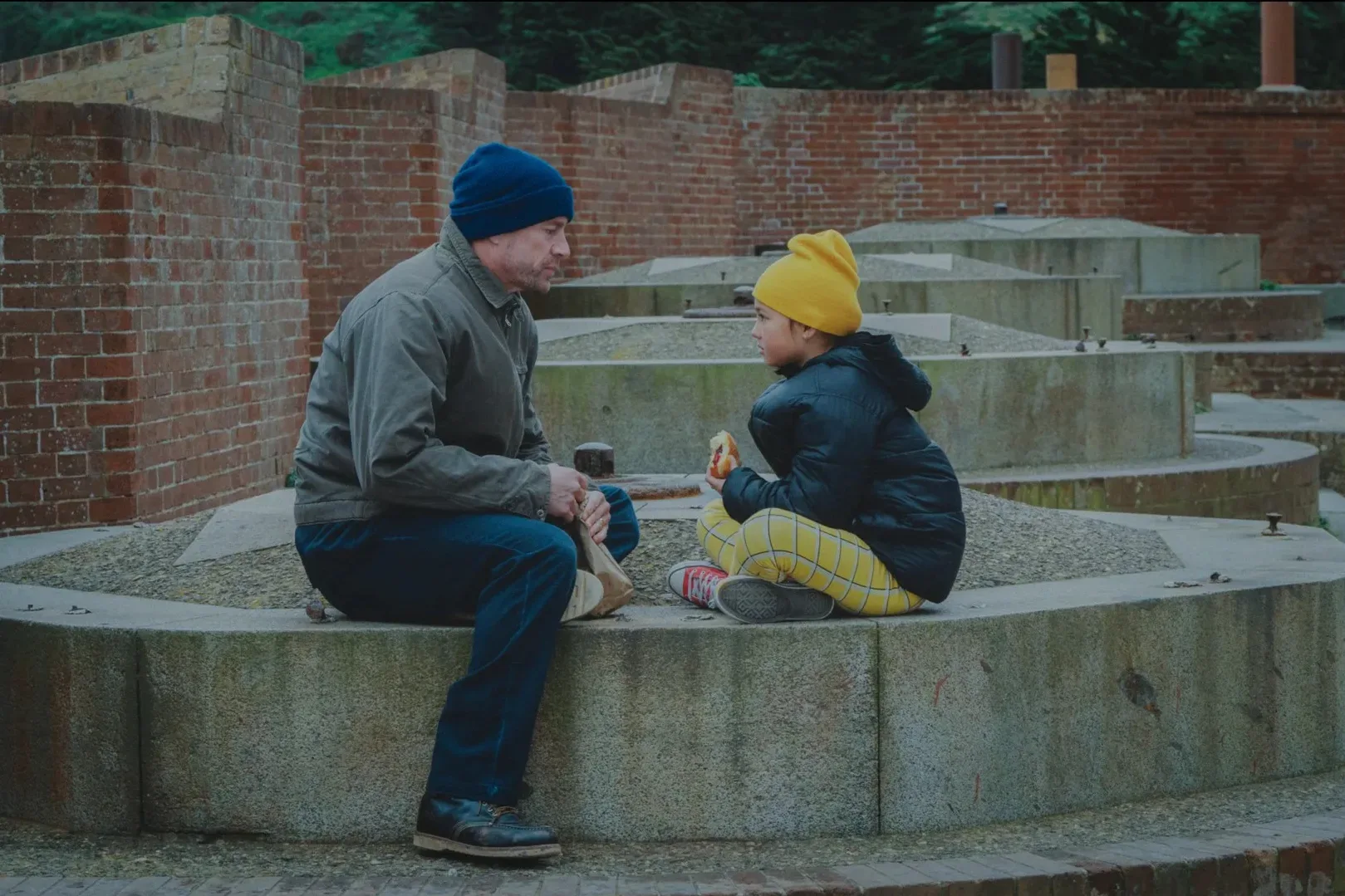
The 2026 festival featured 34 feature competition films. Its top narrative award went to Walter Thompson-Hernández’s If I Go Will They Miss Me, while Judd Ehrlich’s Jane Elliott Against the World received the best-documentary prize.
That is a useful measure of the festival’s recent feature-competition scale, though it does not establish how many films will compete in 2027 or what the next program will look like. Festival lineups are assembled after submissions close and selections are made; the 2026 total is context, not a promise of the same number next year.
The split between narrative and documentary awards also illustrates two common festival-programming categories. Narrative film generally refers to a work built around a scripted or fictionalized story, while a documentary is nonfiction filmmaking. Both may tackle cultural, political or personal material, but the classifications describe the form of the project rather than a judgment about its subject’s importance.
For entertainment audiences, the most immediate result of a festival like this is the chance to encounter work outside the routine cycle of major studio openings and streaming promotion. At the same time, the industry panels and producer-focused components can put the mechanics behind screen stories in clearer view: films reach viewers through creative work, but also through the relationships and decisions that allow a project to be made and presented.
That broader screen-entertainment ecosystem increasingly includes streaming as well as theatrical and festival venues. Readers tracking the consumer side of that landscape can also see Apple TV’s recent ad-free subscription promotion, a separate example of how viewers’ access to filmed entertainment is shaped by distribution and pricing choices.
Leigh Hopkins joins the BFFoundation board
Alongside the festival dates, BFFoundation has appointed Leigh Hopkins to its board of directors. Hopkins previously served as executive vice president and regional CEO for Asia and Mexico at Walmart International.
The BFFoundation is the organization connected to the festival’s work. A board of directors generally provides governance and long-term oversight for an organization, while day-to-day executives handle operational leadership. In this case, the appointment brings in an executive whose background includes international and regional leadership, a combination BFFoundation president and CEO Wendy Guerrero highlighted in describing the organization’s next stage of growth.
“We are thrilled to welcome Leigh to the BFFoundation board,” Guerrero said. “His leadership experience, commitment to community and understanding of the region will be valuable as we continue to grow the festival, strengthen our partnerships and expand opportunities for filmmakers and audiences.”
Hopkins said he was pleased to join the board and pointed to both the films brought to Bentonville and the festival’s year-round programming and events. That reference is important because it indicates BFFoundation’s activity is not presented as limited to one festival week. The supplied information does not detail the individual year-round programs, but it does position community connection as part of the organization’s purpose.
Why the producer partnership is worth watching
The renewed producers partnership is the clearest sign that the 2027 edition will continue to pair public-facing screenings with career-facing industry activity. Producers occupy a particularly wide-ranging role in film. Depending on a project, they may help assemble creative teams, structure financing, coordinate production, support distribution planning or guide a film through festival strategy. Recognition of emerging producers therefore speaks to the infrastructure that enables filmmakers’ work to be completed and seen.
It would be premature to infer a specific 2027 class, slate or set of special events from the renewal alone. No names, participating films or session details have been announced here. What is confirmed is the third straight year of the partnership and the festival’s June 14–20 dates, alongside a submission schedule that now moves toward the January, March and May milestones.
As the 2027 program takes shape, the concrete markers are straightforward: submissions have opened, deadlines extend through March 19, participants are due notification on May 11, and the festival itself is set for a seven-day run beginning June 14. The rest—competition titles, panel subjects, guests and any additional programming—remains to be revealed.