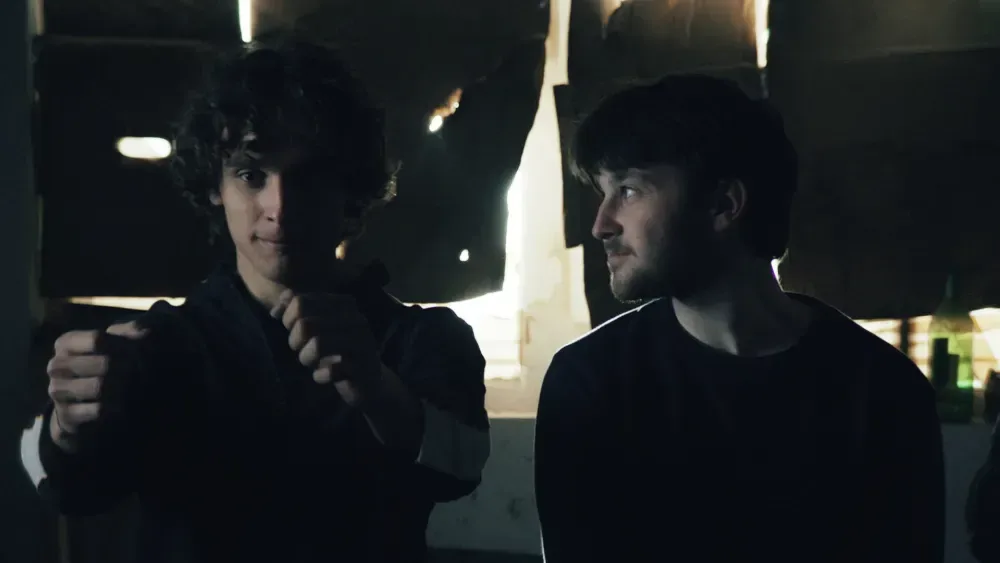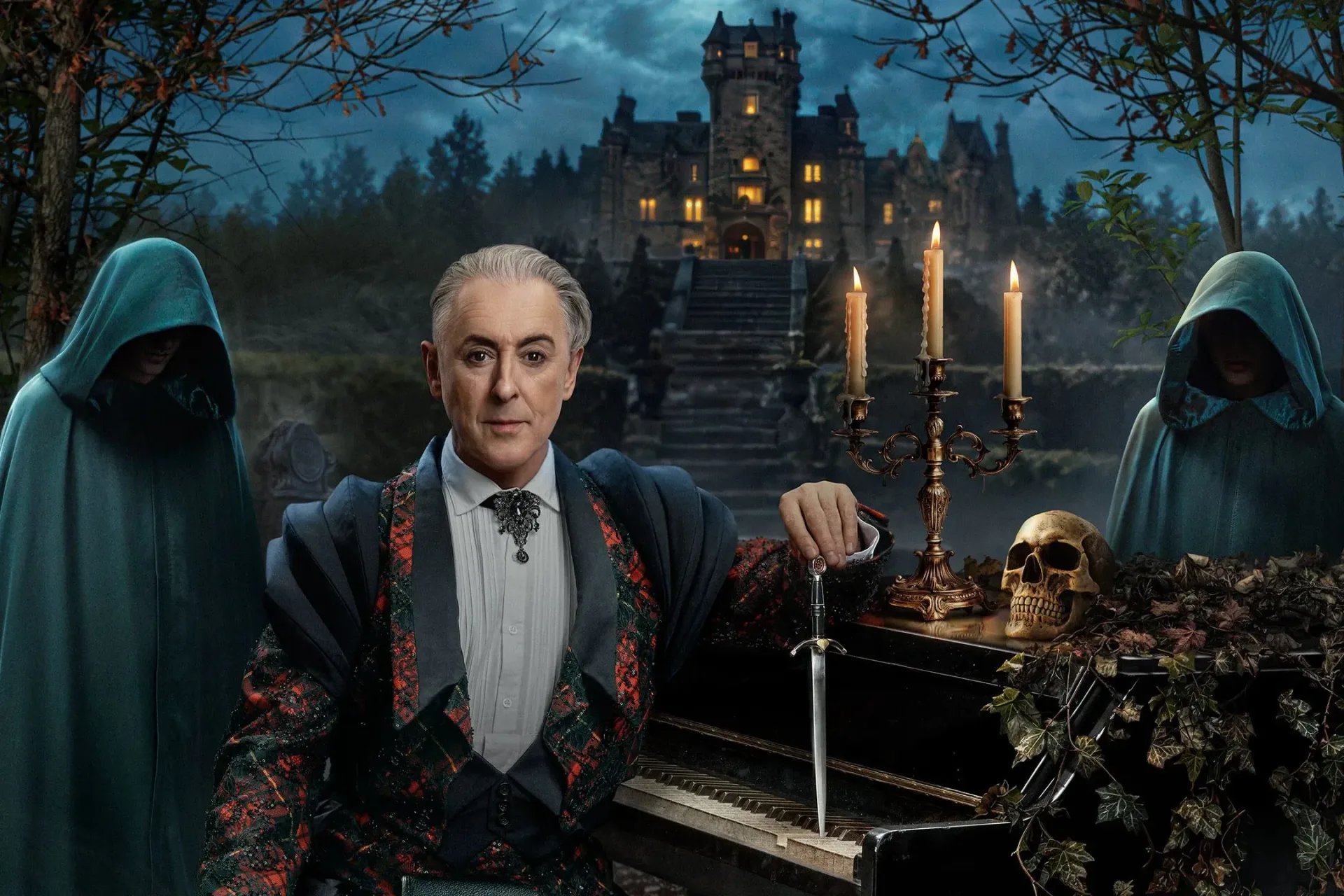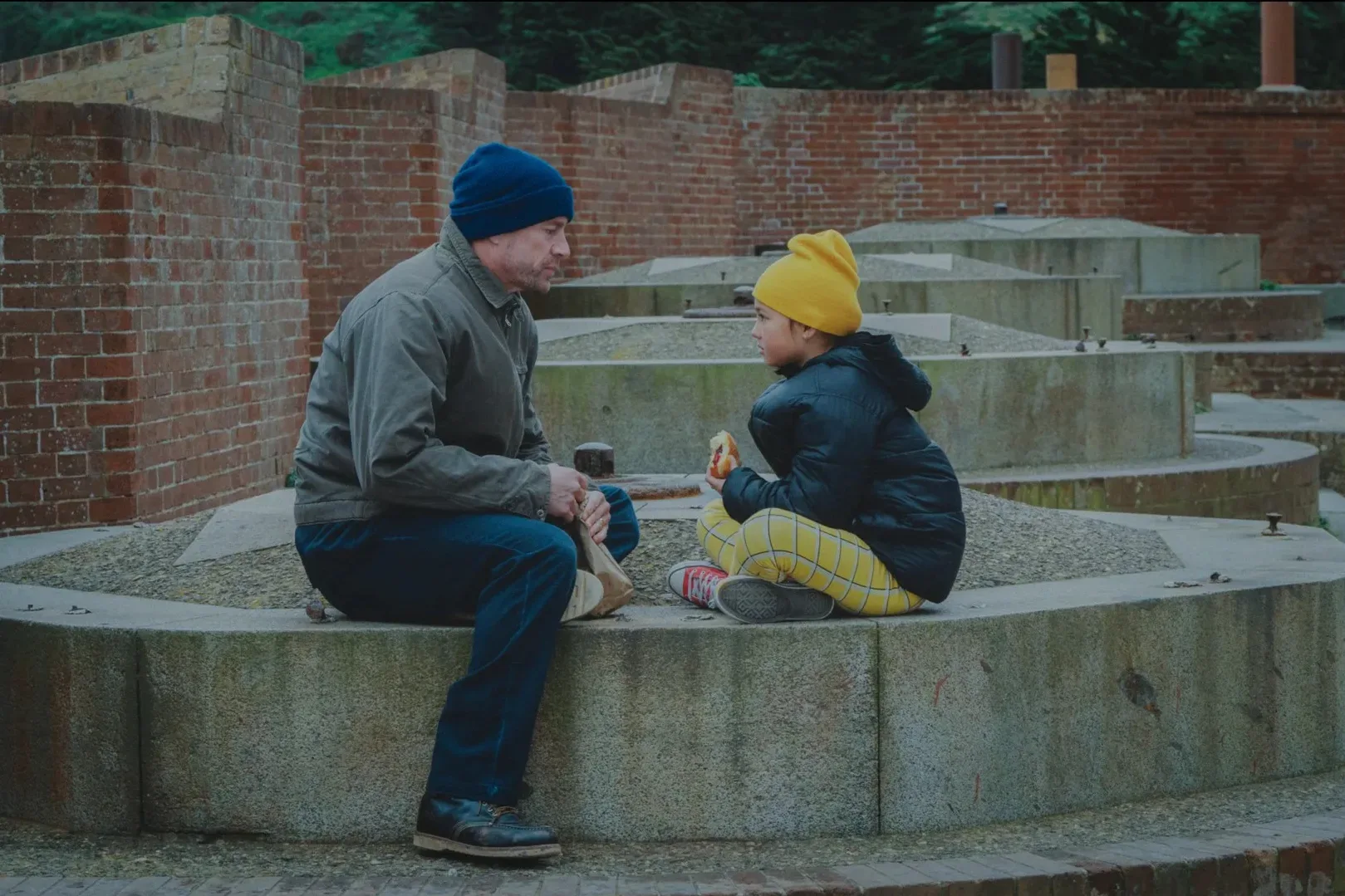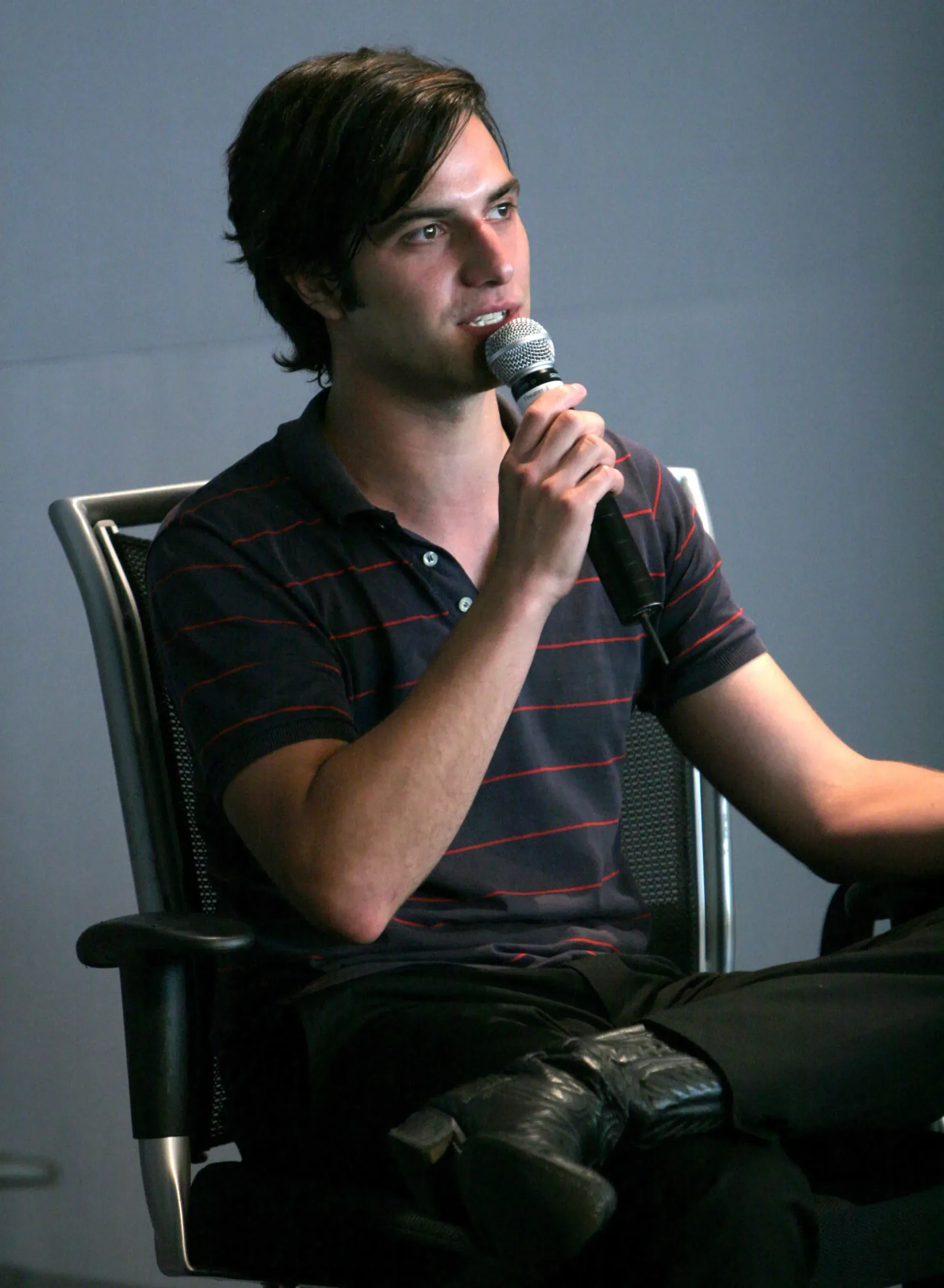
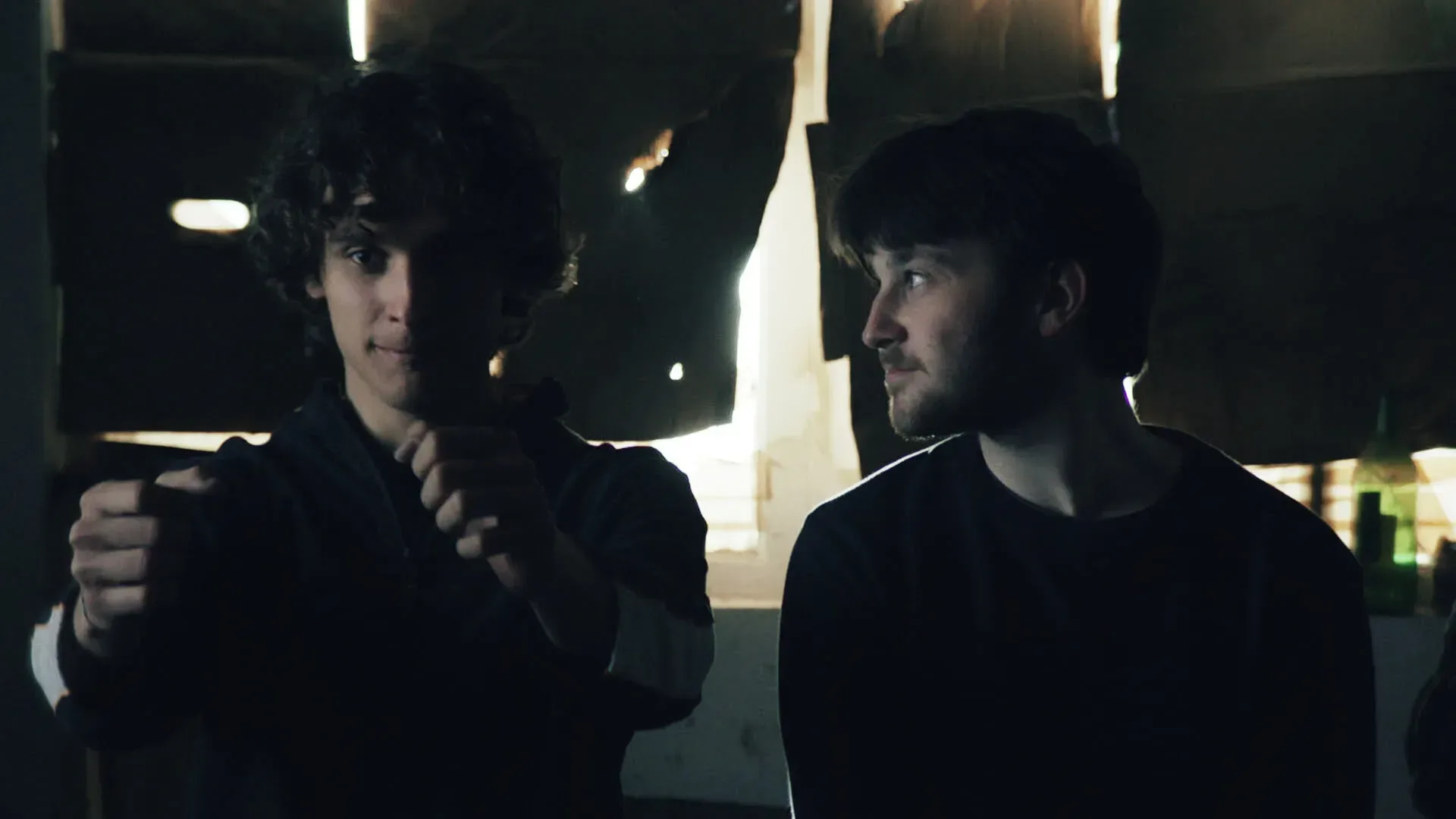
The Lee Strasberg Film Festival has named its 2026 award winners after wrapping its three-day event on November 15 at the Lee Strasberg Theatre & Film Institute in West Hollywood. Mehdi Ouahab’s Asphalt emerged as the festival’s most-decorated title, collecting four awards including Best of Fest, while Čejen Černić Čanak’s Sandbag Dam received the Best Narrative Feature Film prize.
The 10th edition’s official selection comprised 26 films from around the world: 23 shorts and three features. Its award results put particular emphasis on performance, in keeping with a festival tied to an institute whose stated focus includes acting and supporting independent filmmakers. That focus is visible not only in the directing and film awards, but in categories for lead, supporting and paired performances, as well as ensemble work.
Asphalt claims four major awards
Asphalt took the top Best of Fest honor for director Mehdi Ouahab. Ouahab also won Best Director, while the film’s performers Pauline Serieys and Marc Bodnar won Best Actress and Best Actor, respectively. Serieys was recognized for playing Sabine; Bodnar’s winning role was Vincent.
Those four wins make Asphalt the clear headline winner of this year’s festival. Best of Fest generally denotes the jurors’ overall selection among the program, while the directing and acting prizes single out different parts of a production. In this case, the awards align around one film’s filmmaking and central performances, rather than representing separate titles across those categories.
The festival did not provide plot descriptions or release information for Asphalt in its winners announcement. The available results therefore establish the scope of the recognition, but do not indicate where audiences may next be able to watch the film.
Sandbag Dam takes the narrative feature prize
Sandbag Dam, directed by Čejen Černić Čanak, followed with three awards. The film won Best Narrative Feature Film, one of the event’s most significant project-level recognitions. Filip Šovagović won Best Supporting Actor for his role as Franjo, while Lav Novosel and Andrija Žunac received Best Duo for their performances as Marko and Slaven.
A narrative feature is a feature-length fictional film, as distinct from a short film or a nonfiction project. With only three feature films in the 2026 official selection, the Best Narrative Feature category was a focused competition. Sandbag Dam’s wins in both a feature category and acting categories suggest that the jury’s recognition extended beyond the film as a complete work to its supporting and paired performances.
The Best Duo award is especially consistent with the festival’s performance-centered identity. Rather than evaluating a single actor in isolation, such a category recognizes the interaction between two performers. The prize went to Novosel and Žunac jointly, not to either actor as an individual lead or supporting winner.
Performance awards spread across the program
Beyond the two most-awarded films, the acting winners covered a range of titles. Sonja Romei was named Best Supporting Actress for Nightfaces. The Best Ensemble honor went to Glorious Summer, recognizing Magdalena Fejdasz-Hanczewska, Helena Ganjalyan, Daniela Komędera and Weronika Humaj.
An ensemble award differs from a duo award in that it recognizes how a larger group functions together on screen. It is also distinct from individual acting prizes: the listed performers are honored as a collective rather than ranked against one another in separate categories. For a festival built around the art of performance, these group recognitions broaden the spotlight beyond individual star turns.
Al Pacino served as lead juror for the 2026 awards. The jury also included Henri Esteve, Hayley Orrantia, Wade Allain-Marcus, Hyejin “Grace” Park and Brittany Alexia Young. Pacino is among the institute’s alumni, a group also listed as including Marilyn Monroe, Scarlett Johansson, John Leguizamo, Angelina Jolie, Alec Baldwin, Rosario Dawson, Lady Gaga, Chris Evans, Laura Dern and Rachel Brosnahan.
That actor-led jury structure helps explain why the awards program gives equal weight to films and the people bringing roles to life. It also makes the festival’s recognition distinct from an awards list limited strictly to directing or production craft.
Genre winners: horror, thriller, comedy and drama
The awards also named winners across four genre categories. Ryan Henry Knight’s Pericarp won Best Horror. Ryan Youngblood’s NŪR was named Best Thriller. Chris Johnson’s The Most Honest Thing in the Room took Best Comedy, and Max Tullio’s Mouthfeel won Best Drama.
Genre labels identify the broad storytelling mode a film is being evaluated within. Horror, thriller, comedy and drama can each demand very different tonal choices from filmmakers and actors, so separating them allows the festival to recognize work that might otherwise be difficult to compare directly. The winners announcement does not describe the films’ individual stories, themes or running times, but it does show a program designed to acknowledge a range of approaches rather than concentrating solely on one type of screen work.
Shawn Antoine II’s The Sight Unseen won Best Docu-Fiction. The term “docu-fiction” commonly refers to work that combines documentary-oriented material or methods with fictional elements. No further details about the form used by The Sight Unseen were included with the award results, so the designation should not be read as a description of its specific subject or structure.
Alumni awards recognize institute-connected work
The festival also maintained a separate group of alumni prizes. Robert Gomes Standby won Best Alumni Director. Michelle Twarowska was named Best Alumni Actress for playing Basia in The Last Goodbye, and Zack Kozlow won Best Alumni Actor for playing Jack in Dead Deer High. The Last Goodbye, directed by Kailey Wolf, also received Best Alumni Short Film.
These awards identify achievements connected to the institute’s alumni community, while the broader festival categories recognize work across the official selection. The Last Goodbye was the only title to appear twice among the alumni winners: once through Twarowska’s acting prize and once in the alumni short-film category.
The result is a useful reminder that a festival program can serve several purposes at once. It can introduce work from filmmakers around the world, honor specific screen performances and sustain ties with a school or creative institution’s former students. The Lee Strasberg Film Festival’s 2026 awards do all three, with Asphalt and Sandbag Dam at the center of the final tally.
For another recent pop-culture story centered on a cast of recognizable performers, see the latest details on The Traitors Season 5.
Full Lee Strasberg Film Festival 2026 winners list
- Best of Fest: Asphalt — Mehdi Ouahab, director
- Best Narrative Feature Film: Sandbag Dam — Čejen Černić Čanak, director
- Best Director: Mehdi Ouahab — Asphalt
- Best Actress: Pauline Serieys — Asphalt (Sabine)
- Best Actor: Marc Bodnar — Asphalt (Vincent)
- Best Supporting Actress: Sonja Romei — Nightfaces
- Best Supporting Actor: Filip Šovagović — Sandbag Dam (Franjo)
- Best Duo: Lav Novosel and Andrija Žunac — Sandbag Dam (Marko and Slaven)
- Best Ensemble: Glorious Summer — Magdalena Fejdasz-Hanczewska, Helena Ganjalyan, Daniela Komędera and Weronika Humaj
- Best Docu-Fiction: The Sight Unseen — Shawn Antoine II, director
- Best Horror: Pericarp — Ryan Henry Knight, director
- Best Thriller: NŪR — Ryan Youngblood, director
- Best Comedy: The Most Honest Thing in the Room — Chris Johnson, director
- Best Drama: Mouthfeel — Max Tullio, director
- Best Alumni Director: Robert Gomes Standby
- Best Alumni Actress: Michelle Twarowska — The Last Goodbye (Basia)
- Best Alumni Actor: Zack Kozlow — Dead Deer High (Jack)
- Best Alumni Short Film: The Last Goodbye — Kailey Wolf, director