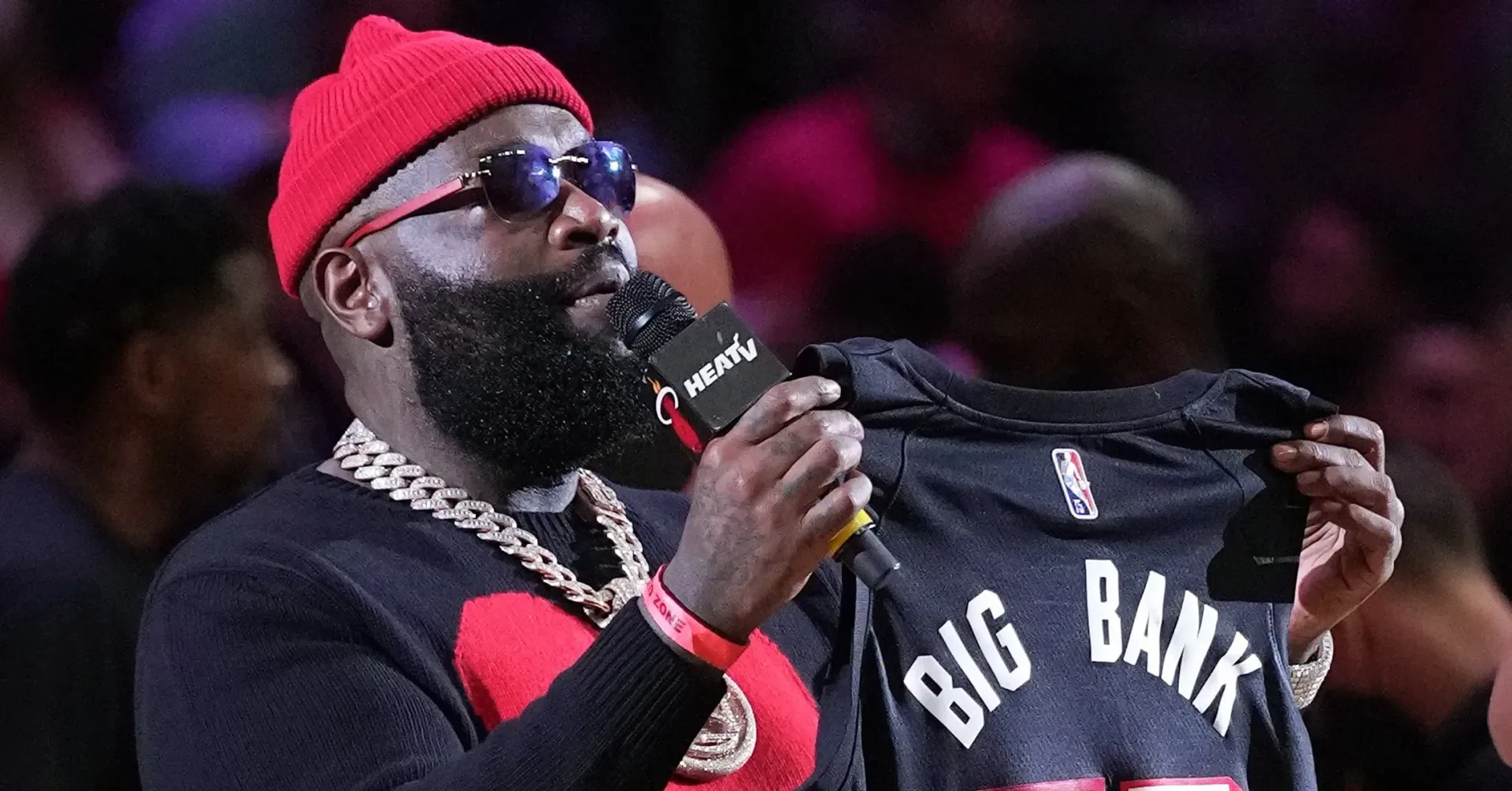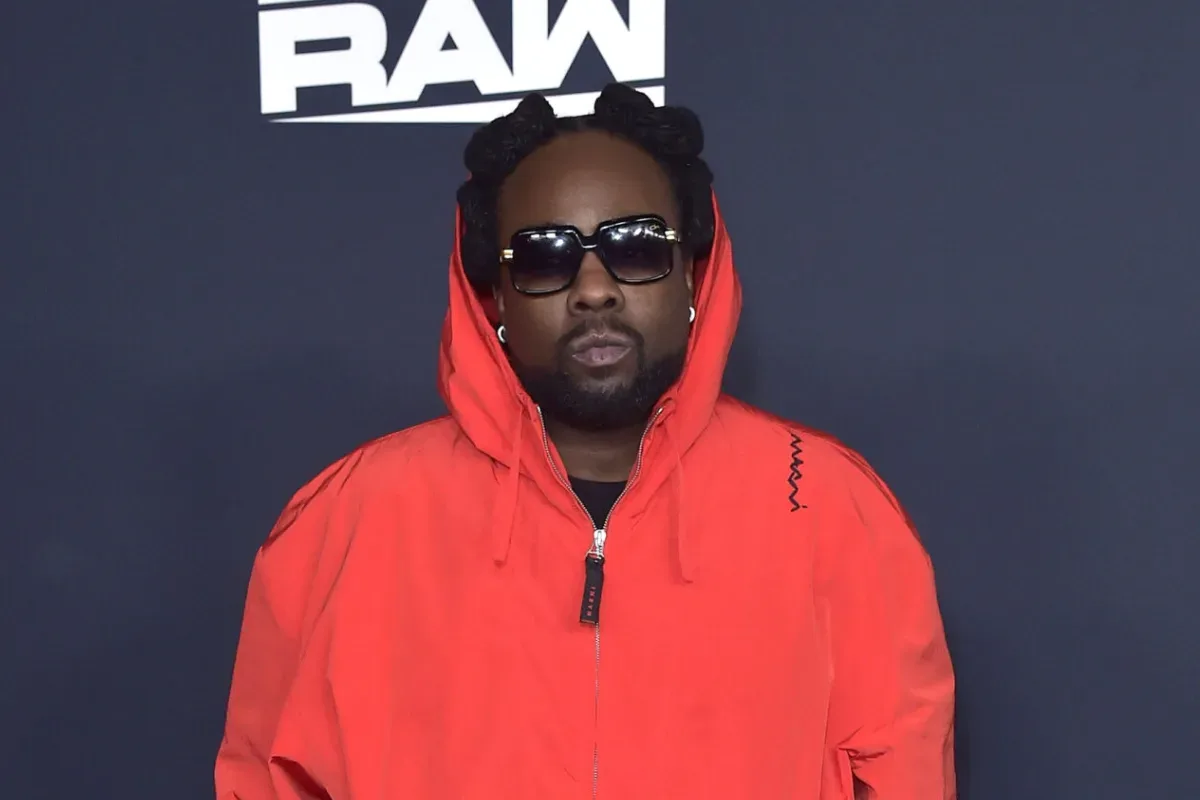
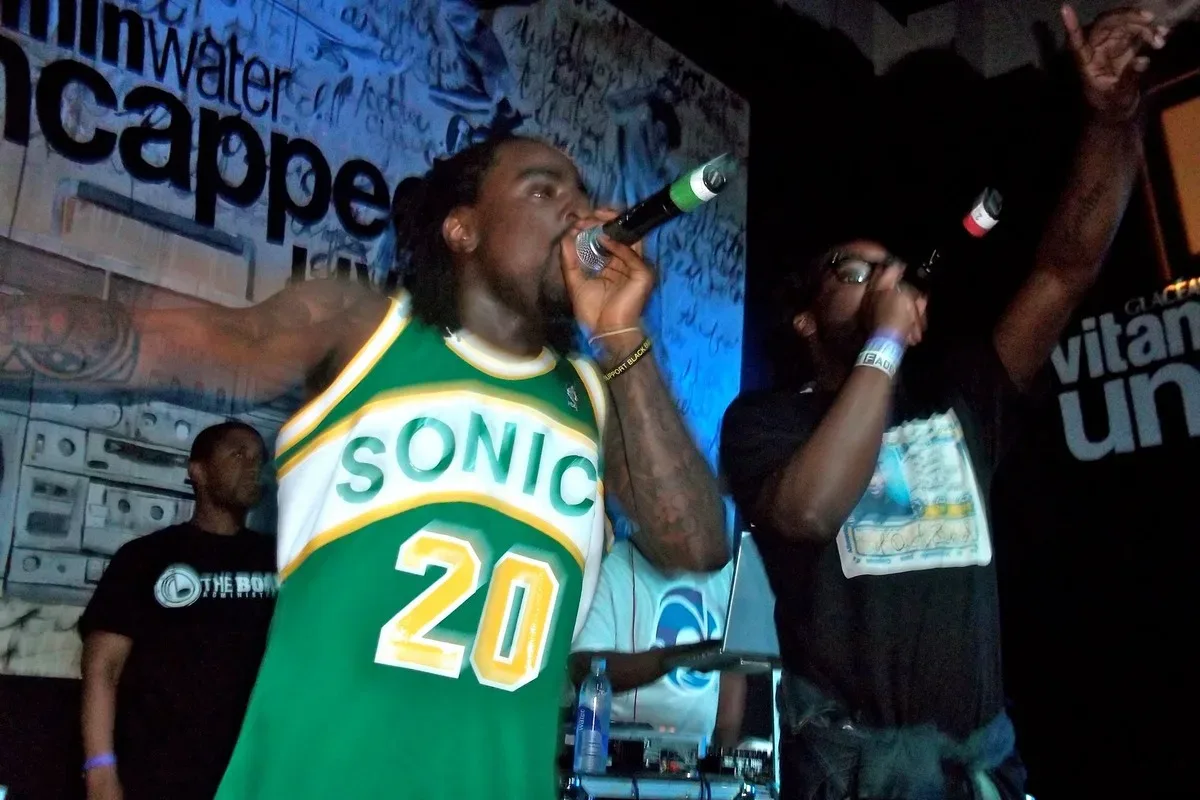
Belly Gang Kushington has offered an unusually direct verdict on “Bonnet,” his collaboration with Wale and Summer Walker: he thinks Wale won the record.
Speaking about the artists he has worked with, the Atlanta rapper singled out the song and described the anticipation after his team sent it to Wale. The response, in his estimation, was decisive. “We sent it to him. He blew it out the water,” Belly Gang Kushington said. “When I heard it, I’m like, oh yeah, I lost on this song.”
It is a blunt way to characterize a guest appearance, but it also underscores a useful creative reality: a feature is not necessarily a supporting role in the artistic sense. A guest artist can radically alter a track’s energy, structure or focal point. In rap, listeners often frame those moments as a friendly contest—who had the strongest verse, who best suited the beat, or whose presence became the part most likely to be replayed. Belly Gang Kushington’s account places Wale’s contribution firmly in that tradition, without suggesting any conflict between the collaborators.
“Bonnet” and the value of a strong feature
The key detail is that “Bonnet” was sent to Wale with room for him to respond creatively. Belly Gang Kushington and his team did not appear to be trying to force a pre-written formula onto the feature; they waited to hear what Wale would make of it. That distinction matters.
Collaborations can be highly planned, with artists selecting a precise slot, theme and vocal approach before a guest gets involved. They can also work more openly: a track is shared, the collaborator finds an angle, and the finished contribution reframes the song. Belly Gang Kushington’s reaction suggests the latter approach produced an outcome that surprised even him.
Summer Walker’s involvement also makes “Bonnet” a three-artist record rather than a simple exchange between two rappers. The supplied details do not identify the performers’ individual sections or the song’s production, so there is no basis to declare exactly why Wale’s appearance landed as strongly as it did. What is clear is Belly Gang Kushington’s own reading of the result: he believes Wale elevated the track beyond his own performance.
That candor is notable because artists are often encouraged to sell every release with absolute certainty and competition-proof bravado. Here, Belly Gang Kushington instead presents admiration as part of the story. Calling himself “washed” in the informal language of rap competition is less a literal scorecard than an acknowledgement that a collaborator delivered at a level he found hard to top.
A shift from mapped-out sessions to following the beat
The comments on “Bonnet” arrived alongside Belly Gang Kushington’s explanation of how his songwriting approach changed after his first album. On his earlier project, The Streets Is Yours, released in 2025, he entered sessions with a plan already in place. For his newer album, Good Dope Sell Itself, he said he took direction from the production rather than making a beat serve a song concept he had already outlined.
Related coverage includes Belly Gang Kushington Says Wale Outrapped Him on “Bonnet”.
In practical terms, that is a move from a concept-first method to a production-responsive one. A concept-first approach starts with an idea the artist intends to execute: a subject, hook, tone, arrangement or performance plan. A production-responsive approach begins by assessing what the instrumental is offering and lets that sound guide the writing decision. Neither method is automatically better. They simply put the creative starting point in different places.
Belly Gang Kushington described his own filter in especially quick terms: he can tell in roughly a second whether a beat has enough to keep his attention. That does not mean a full song is written in a second. It means the initial reaction to a beat is pivotal—an immediate judgment about whether its rhythm, texture or mood offers a direction worth pursuing.
His description also helps contextualize why an open-ended collaboration such as “Bonnet” may have been appealing. If the production is allowed to lead and a collaborator is given space to answer it in their own voice, the song has more room to take a direction the original artist did not fully plot in advance. Again, the available information does not establish the complete recording process for “Bonnet.” But Belly Gang Kushington’s wider comments point to a creative period in which instinct and responsiveness carried more weight.
What is known about Good Dope Sell Itself
Good Dope Sell Itself is Belly Gang Kushington’s second album and follows The Streets Is Yours. The 12-track project was released on November 13 through LVRN Records.
Its confirmed guest list includes 21 Savage on “WTF GOIN,” YKNIECE on “Doctor Mama,” and YFN Lucci on “Show Me Sum.” “WTF GOIN” has become especially important to the album’s live rollout: Belly Gang Kushington named his tour after the 21 Savage collaboration.
The distinction between a song associated with the artist and a song confirmed as part of an album is worth keeping clear. “Bonnet” is identified as Belly Gang Kushington’s track with Wale and Summer Walker, while the available album details specifically confirm the project’s length, release information and the three named features above. The supplied information does not say that “Bonnet” appears on Good Dope Sell Itself, so it should not be treated as confirmed album track-list information.
That same care applies to another collaboration Belly Gang Kushington discussed: a remix involving Kirk Franklin. He said the idea came together through simultaneous outreach, with both camps contacting one another at about the same time. After connecting, he recalled sharing lemon pepper wings with Franklin in Miami.
Franklin originally released “This Time” with GloRilla, and the remix is not included on Good Dope Sell Itself. The sequence illustrates that a musician’s active collaborative world is larger than any one album cycle. Some connections yield album cuts, some lead to separate remixes, and some only become visible when the artists later explain how a conversation began.
The “WTF GOIN” tour connection
Belly Gang Kushington brought the album’s 21 Savage collaboration into the name of the WTF GOIN Tour. The opening date took place at the Tabernacle in Atlanta on November 25, making the hometown show the launch point for the run.
Before that headlining date, he had already performed “WTF GOIN” with 21 Savage during Usher and Chris Brown’s tour. For the Atlanta date, Belly Gang Kushington encouraged attendees to arrive early. The provided itinerary then lists a December 3 stop at the Shelter in Detroit and a December 8 show at House of Blues in Houston.
Naming a tour after a specific collaboration is a straightforward indicator of which record has become central to the immediate live campaign. It does not mean the rest of the album is secondary, but it does give audiences a clear signpost: “WTF GOIN” is a key part of how Belly Gang Kushington is presenting this era onstage.
Atlanta is also a meaningful setting for that start, given Belly Gang Kushington’s roots in the city. Readers looking for another recent story connecting music and Georgia public culture can see the discussion around “Knuck If You Buck” and a proposed state recognition.
Why the Wale admission stands out
The headline-grabbing part of Belly Gang Kushington’s interview is simple: he heard Wale’s verse on “Bonnet” and felt it surpassed his own. Yet the larger picture is one of an artist explaining how he is learning to let the music dictate the next move.
That outlook runs through the comments about choosing beats, allowing collaborators room to respond, and distinguishing an album’s set track list from outside remix work. Rather than presenting every decision as tightly controlled from the outset, Belly Gang Kushington described a process with space for a record—and another artist—to exceed expectations.
For listeners, the immediate takeaway is a pointed recommendation from the artist himself: pay attention to Wale’s turn on “Bonnet.” For Belly Gang Kushington, the comments frame that perceived loss not as a setback, but as evidence that sending the song out was the right call.