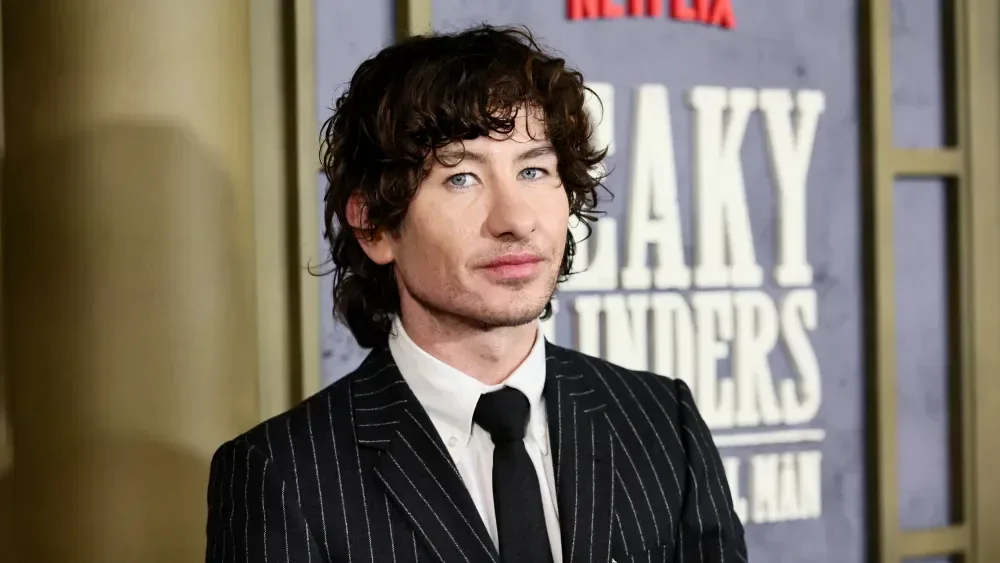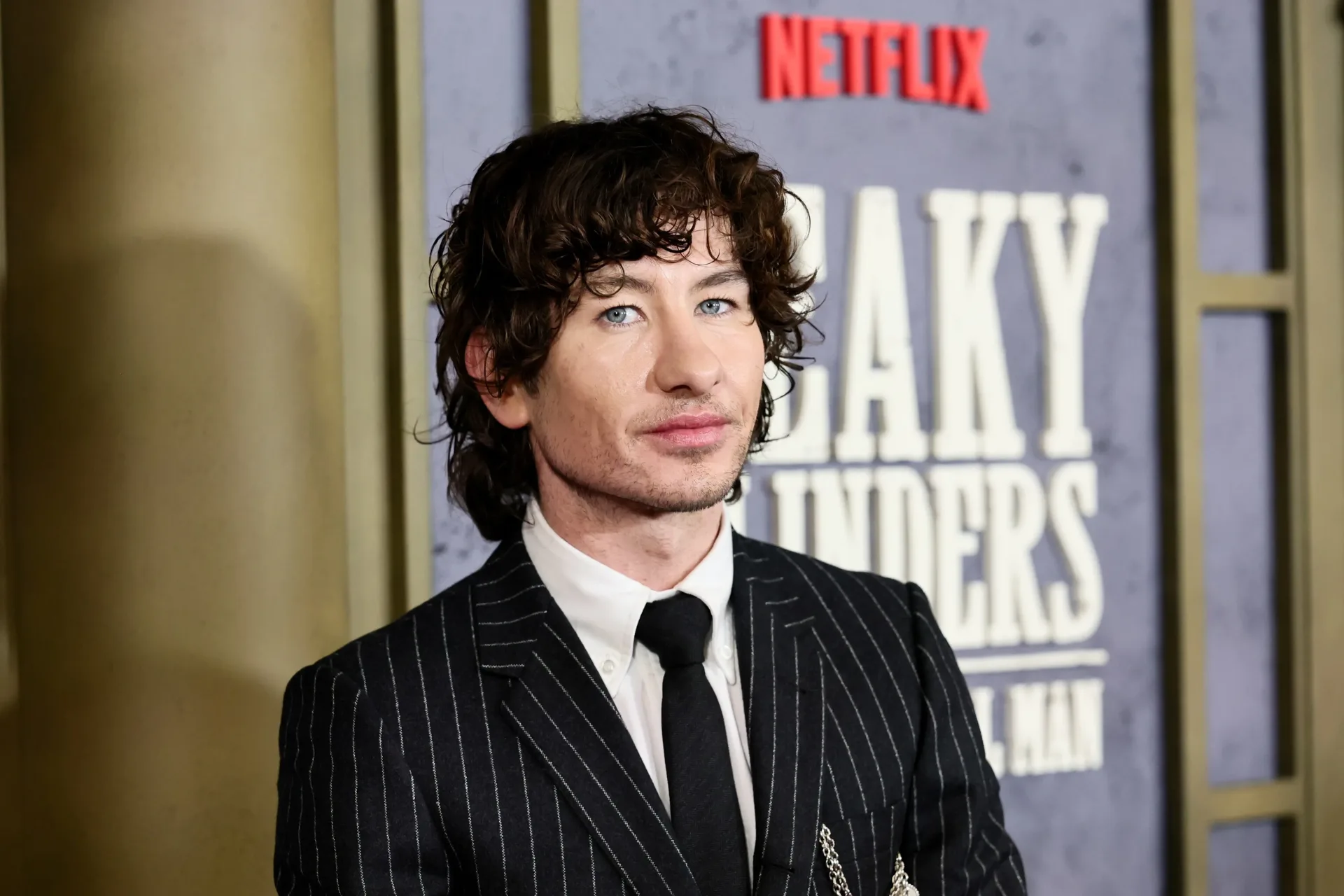
Barry Keoghan has appeared in a new social-media video showing a Xerf skin-tightening session with U.K. facial specialist and Dermaspa founder Nilam Holmes. The appearance arrives after Keoghan previously spoke candidly about the damaging volume of online remarks directed at his looks, saying the abuse had affected whether he wanted to leave home or attend events.
The two subjects should be handled carefully. Keoghan describes the treatment in the video as relaxing and says that he feels better about himself after appointments, while Holmes says she has worked with him across films, campaigns and other professional commitments. But the available information does not establish that the procedure was a response to online bullying, nor should a cosmetic treatment be presented as a solution to the harm caused by harassment.
What the video does show is a public figure choosing to discuss a form of self-care while also having already described the very different pressure created when strangers turn somebody’s face into a target. Those are connected parts of modern celebrity culture without being interchangeable experiences.
What Keoghan says about the treatment
Holmes says the session shown was Keoghan’s second Xerf treatment. She explained that she had been filming material related to Xerf and that Keoghan offered to appear rather than have her rush the work she was doing. Her comments also make clear that their professional relationship predates this particular session: she has treated Keoghan’s skin during periods involving films, photoshoots, interviews, press work and campaigns.
In the video, Keoghan says he had heard a great deal about the treatment and praises Holmes’s work. He characterizes his visits as relaxing and therapeutic, adding that the sessions make him feel better about himself and look better. His broader point is simple: taking care of oneself matters both internally and externally.
That distinction is worth retaining. A person may enjoy a grooming, wellness, or cosmetic routine for comfort, confidence, professional presentation, or all three. None of those reasons gives online spectators license to make personal attacks or to demand an explanation for somebody else’s appearance.
Xerf, explained without the marketing fog
Xerf is described on Dermaspa’s website as a non-injectable treatment that uses radio-frequency technology with the aim of tightening skin and renewing collagen. Radio frequency, in this context, refers to energy used in aesthetic procedures rather than an injectable product. Collagen is a structural protein commonly discussed in skincare and cosmetic-treatment contexts because of its relationship to skin’s appearance and firmness.
The supplied details describe the intended use of the procedure, not a medical guarantee or a universal outcome. Results, suitability, potential risks, and aftercare are not addressed in the available material. Anyone considering any cosmetic procedure should seek individualized guidance from a properly qualified practitioner rather than treating a celebrity video as a substitute for a consultation.
The listed cost is also substantial: a face-and-neck session is priced at about $3,500. That figure puts the celebrity-facing treatment in a very different category from everyday skincare. Keoghan’s video may make the process look calm and accessible, but its price is a reminder that image-maintenance services can be expensive, particularly in industries where people work under unusually persistent visual scrutiny.
The work conditions Holmes says affect skin
Holmes has previously described why Keoghan’s schedule can complicate a regular skin routine. Her list includes simultaneous projects, travel, makeup, interviews, press work, campaigns and disrupted sleep. She also mentioned managing problematic skin, calming inflammation, maintaining it when it is in good condition, and pursuing a healthy, rested appearance.
Those details offer a practical explanation for why an actor might have ongoing professional skincare appointments without inviting speculation about any single treatment. Screen work and promotional cycles are public-facing, but the preparation behind that visibility is usually not. Makeup, travel and uneven routines are not unique to Keoghan, yet they are relevant background when a behind-the-scenes treatment clip becomes widely discussed.
Holmes has shared posts about treating him before photoshoots, including work connected to a 2025 magazine cover. Her social channels also show Xerf treatments involving Chris Appleton, Rosie Huntington-Whiteley, Joe Alwyn and Nicole Scherzinger. Those examples establish that the procedure is part of her broader client work, not something presented as unique to Keoghan.
Online cruelty is not harmless commentary
Earlier this year, Keoghan said that hostile online commentary about his appearance had reached a point where he did not want to go outside. He described pulling away, avoiding places and feeling that the situation had become a problem. He also said he stepped back from social media to avoid nasty comments, though he would sometimes check reactions after a premiere or event and often find them unpleasant.
“There’s a lot of hate online,” Keoghan said while discussing the abuse about his looks. He said it had made him withdraw and not want to attend places or go outside.
The important issue is not whether audiences like a particular haircut, outfit, role, or red-carpet presentation. Public discussion of creative work is part of entertainment culture. Repeated attacks on someone’s physical features are something else: personal, dehumanizing, and capable of following the person beyond the screen.
Keoghan’s comments also illustrate a difficult loop built into social platforms. For performers, a premiere or new project naturally creates an urge to see how it has been received. But a public search for response can put the same person in direct contact with anonymous cruelty. Leaving social media may reduce exposure, yet it does not erase the professional and personal pressure to know what people are saying.
This wider question of how online spaces shape celebrity access and safety remains relevant across entertainment and gaming communities alike. Platforms can turn ordinary public posts into searchable, shareable material far beyond their first intended audience, an issue also reflected in Discord’s plans around web-searchable public server posts and opt-outs. Visibility can be useful for work and community, but it can also make boundaries more necessary.
Appearance discussion needs a better boundary
Keoghan’s video is likely to prompt the familiar mixture of curiosity about skincare, celebrity routines and cosmetic technology. That is understandable. The more constructive version of that conversation stays with what is actually known: Xerf is described as a radio-frequency, non-injectable treatment; the recorded session was Keoghan’s second; he says the appointments feel therapeutic and make him feel better; and Holmes has worked with him over time.
What should not be lost beneath the procedural details is Keoghan’s own prior account of bullying. Cosmetic care can be a personal choice and a professional routine. It cannot make public abuse acceptable, and it should not be used to shift responsibility for that abuse onto the person receiving it.
There is a meaningful difference between saying someone has shared a treatment they value and suggesting they owe the public a perfected version of themselves. Keoghan’s remarks point to the human cost of collapsing that difference. The useful takeaway from the video is not an instruction to chase a costly celebrity procedure; it is a reminder that self-care is personal, while basic decency online should be non-negotiable.