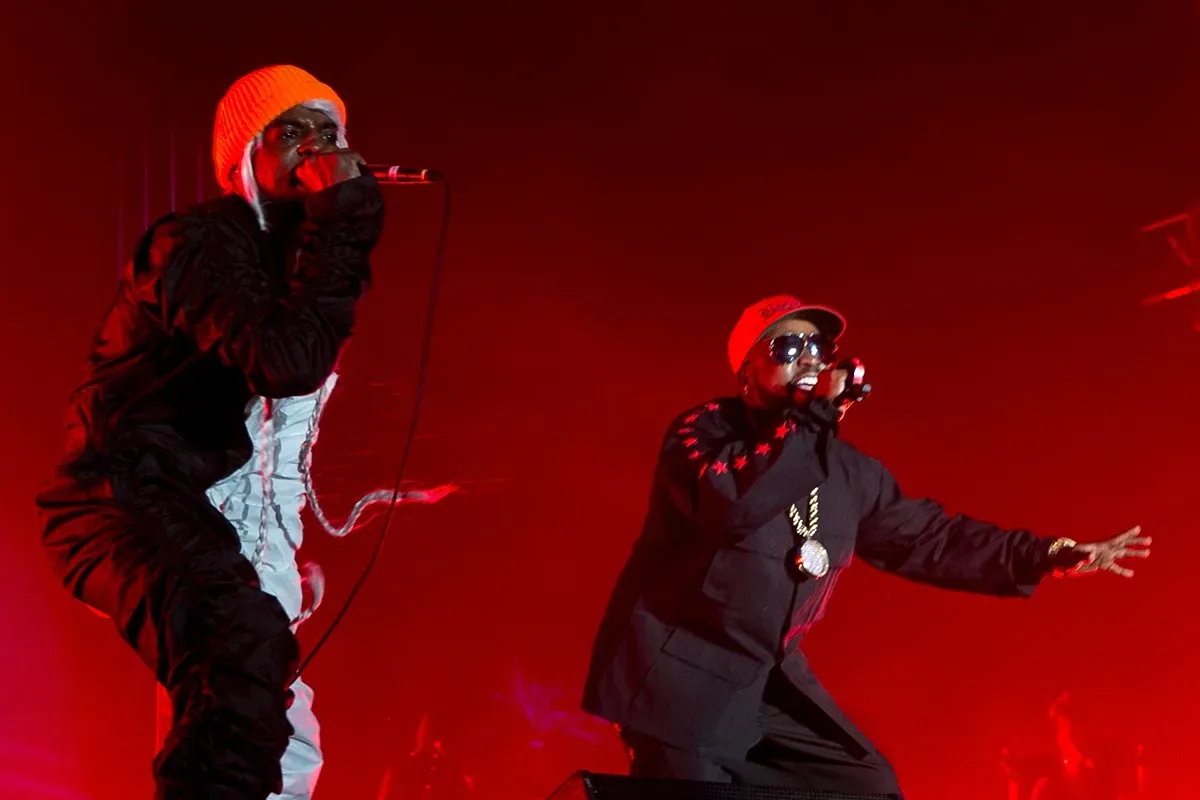
Atlanta’s Trap Music Museum is opening a new exhibit dedicated to OutKast, placing André 3000 and Big Boi at the center of an installation about the duo’s lasting role in Southern hip-hop and Atlanta culture. The exhibit opens Monday, November 9, with a special celebration scheduled from 8 p.m. to midnight at the museum, 630 Travis Street NW.
The opening is notable for more than its late-night timing. The museum normally operates Friday through Sunday, making the Monday event a one-off occasion rather than a standard visiting day. More importantly, the OutKast installation is set to remain part of the museum experience after the opening-night celebration ends, giving visitors another way to encounter a group whose catalog helped establish Atlanta as a global hip-hop center.
Free RSVPs filled before opening night. The museum has said that a limited group of early registrants will receive confirmation by email, with a small batch of general-admission tickets expected afterward. Anyone hoping to attend should treat confirmation as the key detail: registering interest and receiving entry confirmation are not necessarily the same thing.
An exhibit about more than a discography
The museum is framing OutKast’s legacy across music, art, fashion and the broader culture of the South. That scope matters because a museum exhibit can communicate influence differently than a playlist or a conventional album retrospective. Rather than merely presenting release dates and hit records, an installation can connect an artist’s work to the visual language, regional identity and cultural space around it.
In this case, the stated focus is especially fitting. OutKast was always a duo—André 3000 and Big Boi—but it was also a creative partnership with an unusually wide cultural footprint. The group’s Southern identity was not treated as an obstacle to broader recognition. It was central to the group’s music and image, even as its reach expanded well beyond Atlanta.
That distinction is useful when discussing regional rap history. “Southern hip-hop” is not simply a geographic label for where an act came from. In the context of OutKast’s place in the story, it speaks to the ability to make Atlanta and the South visible on their own terms, with their own styles and perspectives, rather than positioning them as secondary to more established rap markets.
The new display joins a museum built around that same larger Atlanta narrative. Since opening in 2018, the Trap Music Museum has used art, memorabilia and room-scale installations to explore the city’s rap history. Its existing galleries include work tied to Jeezy, T.I., Rich Homie Quan, Young Thug, Gucci Mane, Future, Migos and 21 Savage, among others. Adding OutKast creates a direct connection between a formative Atlanta rap legacy and artists who helped define later eras of the city’s sound.
Why OutKast is a natural fit for the museum
OutKast released six studio albums as a group, beginning with Southernplayalisticadillacmuzik in 1994. That starting point is important because it places the duo’s recorded run within a period when Atlanta was still fighting for recognition as a major rap market. The group’s subsequent cultural position shows how dramatically that perception changed.
The museum describes OutKast as a force whose impact moved through music, art and fashion. The evidence supplied about the group supports a broad reading of that influence: their work kept Atlanta at its heart while reaching a much wider audience, and their style extended beyond records into film and visual art. Those overlapping areas are precisely the kinds of connections a physical installation is positioned to explore.
One of the clearest milestones in the duo’s career was 2003’s Speakerboxxx/The Love Below. The double album won the Grammy Award for Album of the Year, a major recognition that pushed OutKast deeper into pop culture without abandoning its Southern roots. It is an especially useful reference point for visitors who know the group primarily through their most visible mainstream era: the award helps explain the scale of the duo’s breakthrough, while the museum’s Atlanta setting reinforces where that success came from.
A double album is, in simple terms, a project released across two full album-length discs or their equivalent. In this case, the title itself identifies two sides: Speakerboxxx and The Love Below. The format underlines the individual creative identities within OutKast while still presenting the work as part of the group’s wider legacy. That tension between partnership and individual expression is one reason the duo remains a rich subject for a cultural exhibit.
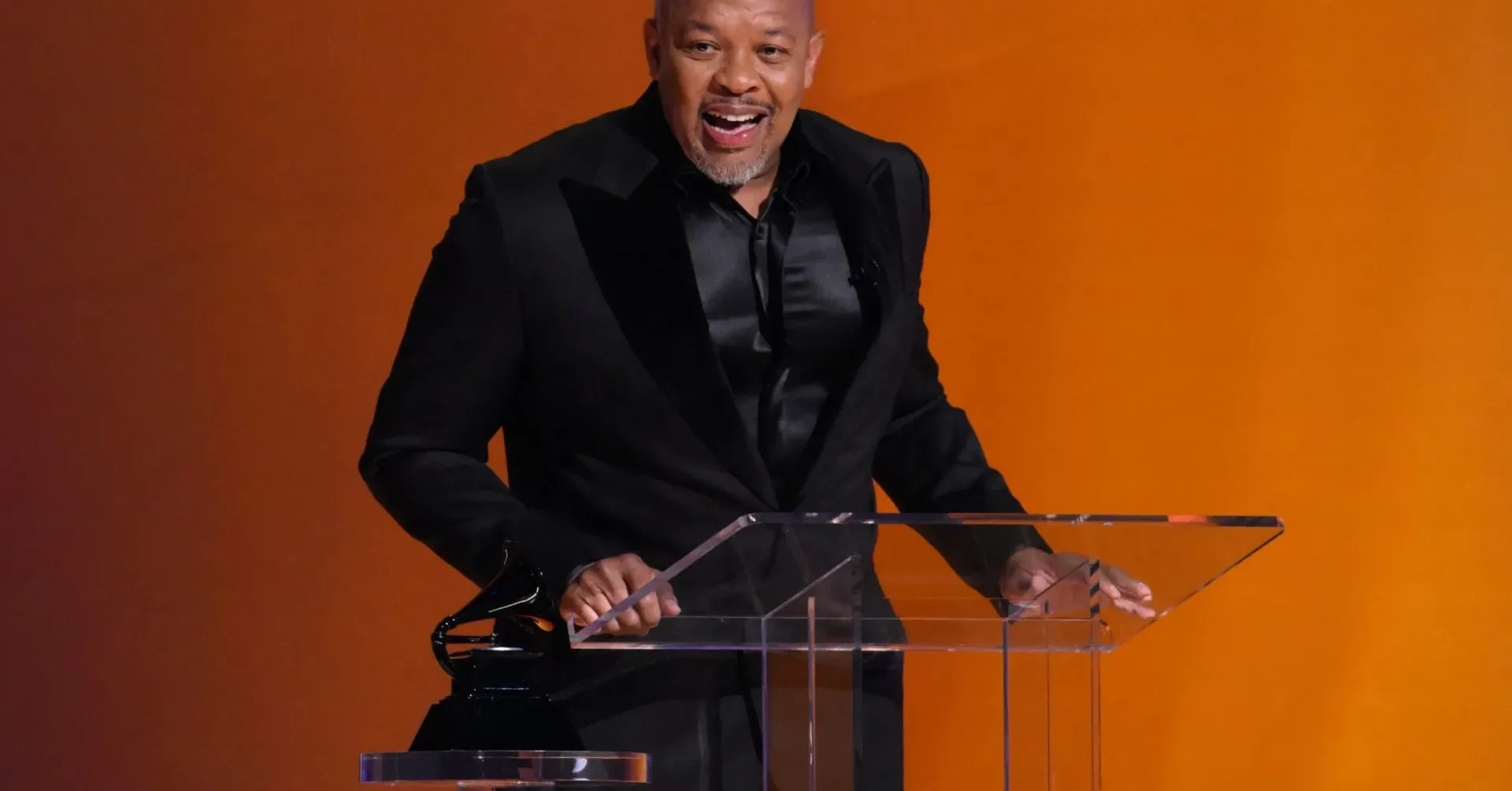
For a related look at how artists and listeners discuss hip-hop lineage and production influence, see Dr. Dre’s comments on Larry Smith’s influence as a producer.
What visitors should—and should not—expect yet
The museum has not released a full inventory of objects or installations in the OutKast exhibit. It also has not announced special guests for the November 9 celebration. That means prospective visitors should be wary of assuming that particular costumes, personal items, artworks or appearances will be part of the event unless the museum confirms them directly.
There is still a useful baseline for understanding the format. The Trap Music Museum has employed three core approaches in its galleries: art, memorabilia and room-sized installations. Memorabilia generally refers to objects connected to an artist, event or era; a room-sized installation is an environment designed for visitors to move through rather than simply view from behind a display. Neither description tells us which materials will be in the OutKast presentation, but it does establish that the museum’s storytelling is intended to be spatial and visual as well as informational.
That approach can be significant for a subject such as OutKast. A wall label can establish a release year or award, but an environment can better suggest how a group’s music intersected with fashion, local identity and visual culture. The museum has explicitly positioned the new exhibit around those dimensions, though the exact execution remains undisclosed.
Opening-night details currently confirmed
- Date: Monday, November 9.
- Time: 8 p.m. to midnight.
- Location: Trap Music Museum, 630 Travis Street NW, Atlanta.
- RSVP status: The free RSVP list is already full.
- Entry update: Limited early registrants are expected to receive email confirmation, and a small number of general-admission tickets is expected to follow.
- Exhibit future: The OutKast display will remain part of the museum after the celebration.
Because the museum’s normal hours are Friday through Sunday, visitors should not treat the special Monday opening as proof of a permanent Monday schedule. The confirmed information establishes that November 9 is an exception tied to the exhibit launch. For a later visit, it is sensible to check the museum’s current operating information before making plans.
Atlanta telling the story at home
The location is part of the point. The new exhibit gives Atlanta audiences an opportunity to see a major part of the city’s music story presented in Atlanta itself. OutKast’s importance cannot be separated from the city’s rise in hip-hop, and the museum’s existing artist lineup already grounds that story in the local scene.
The exhibit also arrives as OutKast’s influence continues through newer generations of Atlanta artists. That does not mean every contemporary artist is a direct stylistic extension of the duo; influence is usually more complex than that. It can appear in the confidence to foreground a local identity, in a willingness to stretch what a rap act can encompass, or in the simple fact that Atlanta is now understood as an essential center of the genre.
This is where the museum’s wider roster adds context. Galleries connected to artists from different periods can illustrate that Atlanta rap is not a single sound or a frozen moment. OutKast’s addition is not presented as a replacement for those stories, but as another major part of the same evolving cultural map. The group represents a pivotal chapter in a city whose musical influence continued to grow.
There is also a practical benefit to the museum format: it can introduce visitors to the scope of OutKast’s legacy without requiring them to arrive as dedicated catalog experts. A longtime listener may approach the exhibition through the duo’s albums and Grammy recognition. Another visitor may connect first with Atlanta’s cultural history, the duo’s visual identity, or the group’s impact outside recorded music. The announced framing leaves room for each route.
A continuing installation, not only a launch party
The opening celebration will likely draw the most immediate attention, especially with the free RSVP list already filled. But the more durable news is the exhibit’s continued presence at the Trap Music Museum. The launch is a special, limited-time gathering; the installation is intended to become part of the museum’s ongoing visitor experience.
That difference is worth keeping in mind for anyone who misses the November 9 event. No full list of exhibit materials has been released, and no special guests have been confirmed, so there is no basis to promise that a later visit will reproduce opening night. What is confirmed is that the OutKast exhibit itself will remain available after the celebration.
For Atlanta, the addition recognizes a duo whose six-album run began with Southernplayalisticadillacmuzik and later reached Album of the Year recognition with Speakerboxxx/The Love Below. For the museum, it expands an already broad account of the city’s rap history. And for visitors, it offers a new chance to consider how music, regional identity, fashion, art and public memory can occupy the same room.