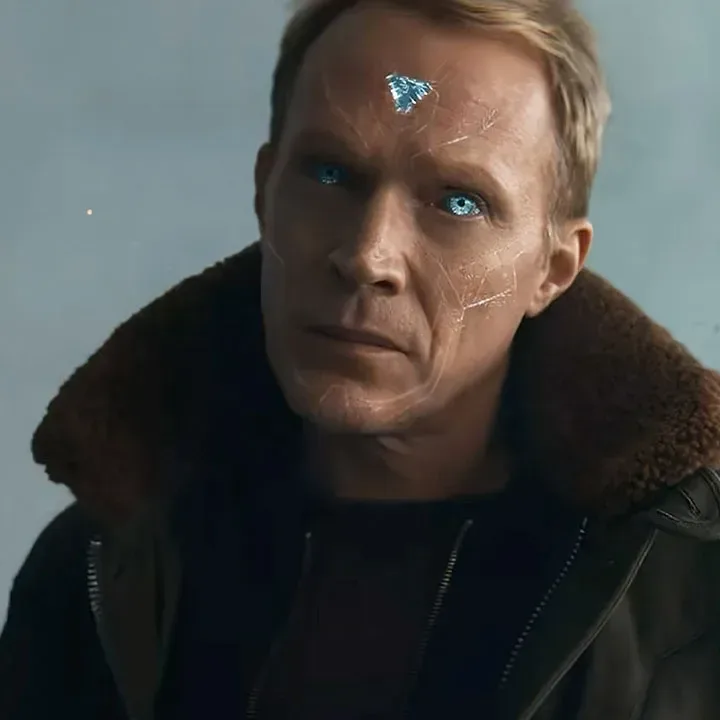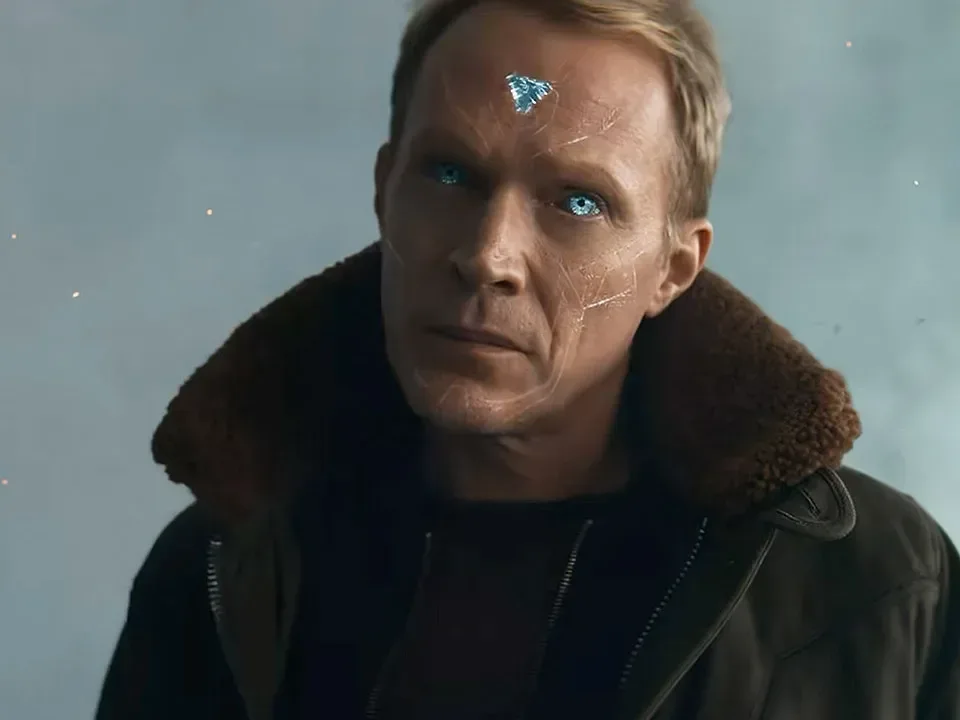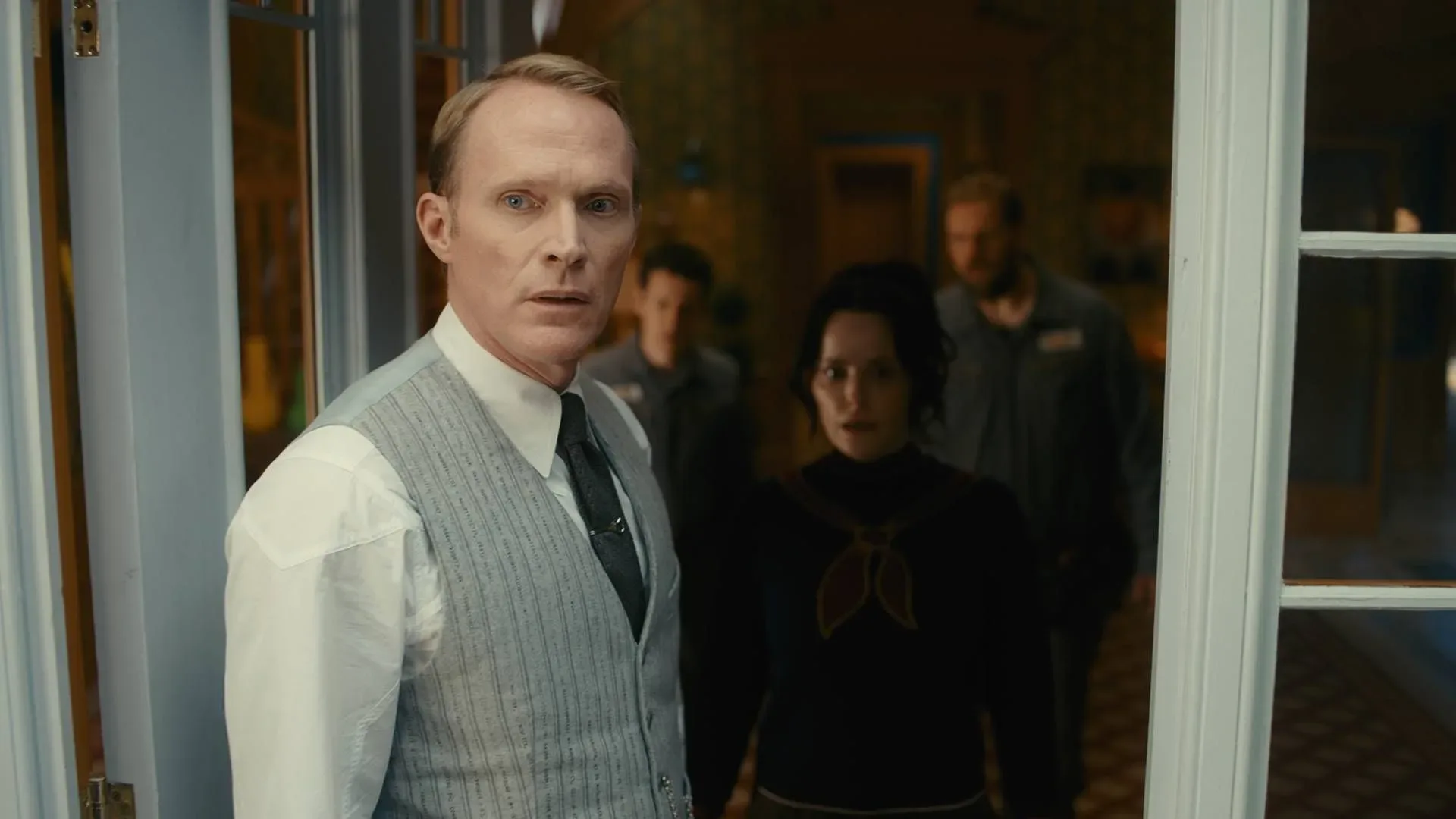
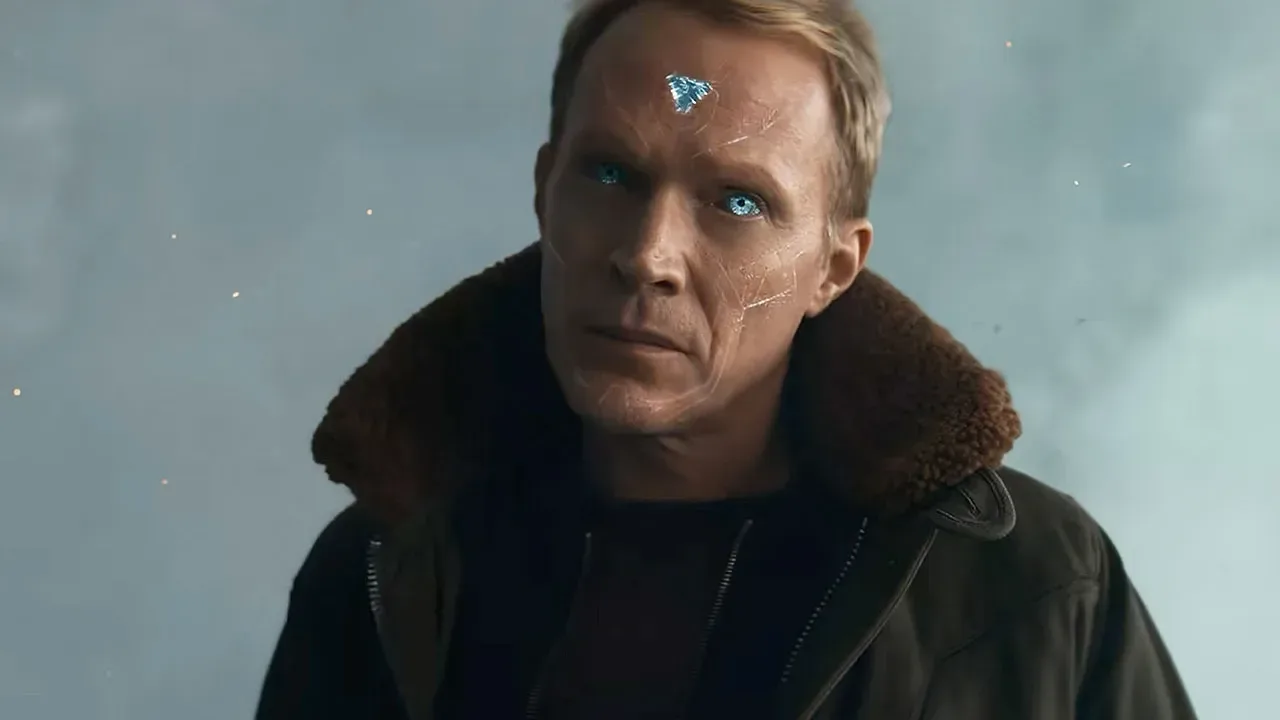
Anthony Mackie is pushing back on the idea that he casually revealed Vision’s place in Avengers: Doomsday. The actor’s earlier remarks about spending time with Paul Bettany during production prompted immediate speculation because Vision has not been confirmed for the upcoming film. Mackie’s clarification is simple, if delivered with enough uncertainty to keep Marvel-watchers entertained: Bettany was working nearby, not necessarily on the same movie.
Appearing on The Tonight Show Starring Jimmy Fallon, Mackie explained that VisionQuest was shooting next door to the Avengers: Doomsday production. He said he and Bettany are friends who spend time together, and described borrowing a golf cart to visit the neighboring set. Mackie also pointed to Tom Holland filming a Spider-Man project nearby as another example of actors being in the same studio complex without that constituting a crossover confirmation.
“So I didn’t say he was in Doomsday, I said he was next door shooting his show,” Mackie said, before adding, “He wasn’t in the movie... I guess?”
That final qualification is doing plenty of work. It is not a confirmation that Vision appears in the film, nor is it a definitive denial. What Mackie has established is narrower: his original mention of Bettany is not, by itself, evidence that Vision was on the Doomsday set.
Why the comment became a spoiler debate
Mackie had previously spoken about enjoying the chance to catch up with fellow Marvel performers while making the next Avengers movie. In naming Simu Liu and Bettany, he inadvertently created two very different levels of fan certainty. Liu plays Shang-Chi, while Bettany’s Vision has not been publicly announced as part of Avengers: Doomsday.
That difference matters. A performer appearing around a giant studio production can mean many things: they may be working on a separate nearby project, visiting friends, taking meetings, recording material, or actually filming for the title fans are tracking. Without an official cast announcement or a clear production confirmation, proximity is not the same thing as participation.
In this instance, the shared location is more than a convenient explanation. The two Marvel productions were operating side by side at the U.K.’s Leavesden studios. A previous set intrusion had already caused confusion when footage believed to show an Avengers: Doomsday set was actually of Madripoor, built for VisionQuest. The mix-up illustrates why isolated images, glimpses of construction, or an actor’s offhand reference can be poor tools for determining a film’s cast.
Sets are clues, not cast lists
A film or television set tells viewers that a physical environment has been built for a production. It does not automatically reveal which performers will use it, how long it will appear, or whether another project within the same facility is using a similar-looking space. In a shared studio environment, that distinction becomes even more important.
Madripoor is the key example here. Footage from the studio area was interpreted as an Avengers: Doomsday leak, but it was later understood to depict a location for VisionQuest. That does not make every subsequent theory wrong; it does mean the initial premise behind a theory needs to be verified before conclusions can follow.
The practical lesson for fans is fairly straightforward:
- Officially announced cast is the strongest public indicator a character is involved.
- An actor being at a studio can establish only that they were at a studio, especially when multiple productions are active there.
- A set image may identify a location, but it cannot reliably identify the project or the character being filmed without corroboration.
- An ambiguous answer can be amusing, revealing, evasive, or all three at once. It should not be treated as a cast announcement.
What this does and does not rule out for Vision
Mackie’s explanation removes the strongest assumption attached to his earlier comment: that Bettany’s presence around the complex automatically meant Vision had filmed material for Avengers: Doomsday. It does not settle whether Vision will appear at all.
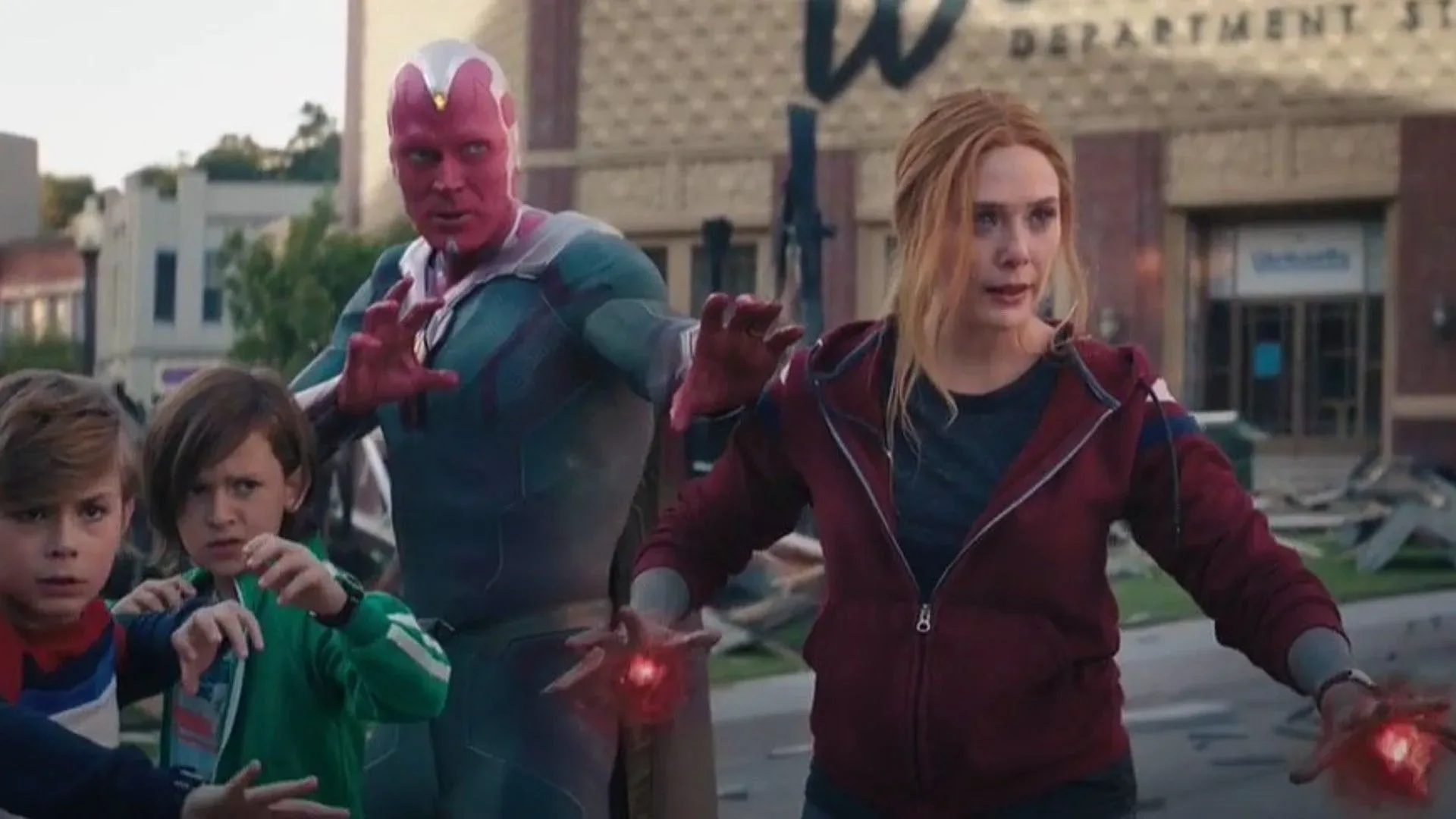
That distinction is particularly relevant because VisionQuest itself puts Bettany’s character back at the center of Marvel storytelling. The series is connected to a family thread involving Vision and his two sons, and its post-credits scene points the Maximoff family toward Doctor Doom. In that scene, the Latverian ruler appears to awaken Wanda from her grave beneath Mount Wundagore.
Those story elements make a future connection easy to imagine, but imagination is not confirmation. A post-credits scene often serves as a narrative signpost: it tells the audience that a character, conflict, or setting may matter later. It does not specify the project in which that payoff will happen, the size of a character’s role, or whether the route will run directly through the next Avengers film.
Likewise, Vision’s history and family ties make him a plausible figure to turn up in a broad Marvel event, but plausibility should be kept separate from the public record. At present, the relevant public fact is that Vision has not been confirmed for Avengers: Doomsday, while Bettany was filming VisionQuest in adjacent studio space.
A reminder of how Marvel secrecy creates its own evidence economy
Large interconnected franchises turn even casual conversations into forensic exercises. A single name can be treated as a spoiler; a travel schedule can be treated as proof; a production leak can launch weeks of theory-building. The same secrecy that preserves surprises also leaves a gap that fans try to fill with circumstantial evidence.
Mackie’s golf-cart story is a good example of how ordinary studio behavior can become extraordinary in that environment. A star visiting a friend on an adjacent production is mundane. The same visit becomes headline material when both people are attached to characters whose potential reunion would carry major story implications.
There is also a more useful way to view Mackie’s “I guess” ending. Rather than reading it as a coded confirmation, it is safest to classify it as unresolved banter. It leaves room for the possibility that Marvel has more to disclose, but it supplies no concrete detail about Vision’s alleged role, scenes, story function, or even whether Bettany worked on the Avengers production.
For now, fans can separate the pieces cleanly. Mackie is involved in Avengers: Doomsday. Bettany is associated with VisionQuest. The productions were close enough for Mackie to visit. A previously misidentified Madripoor set demonstrates that the neighboring shoots have already been confused in public discussion. Everything beyond that remains speculation until Marvel makes it official.
That does not eliminate the fun of connecting the dots; it just means labeling the dots correctly. Vision may still have a future in the larger Avengers story, especially with the Maximoff family’s path apparently intersecting with Doctor Doom. But Mackie’s latest explanation means his time with Bettany should be read as evidence of a nearby friend and a shared studio lot—not a cleanly dropped Doomsday spoiler.
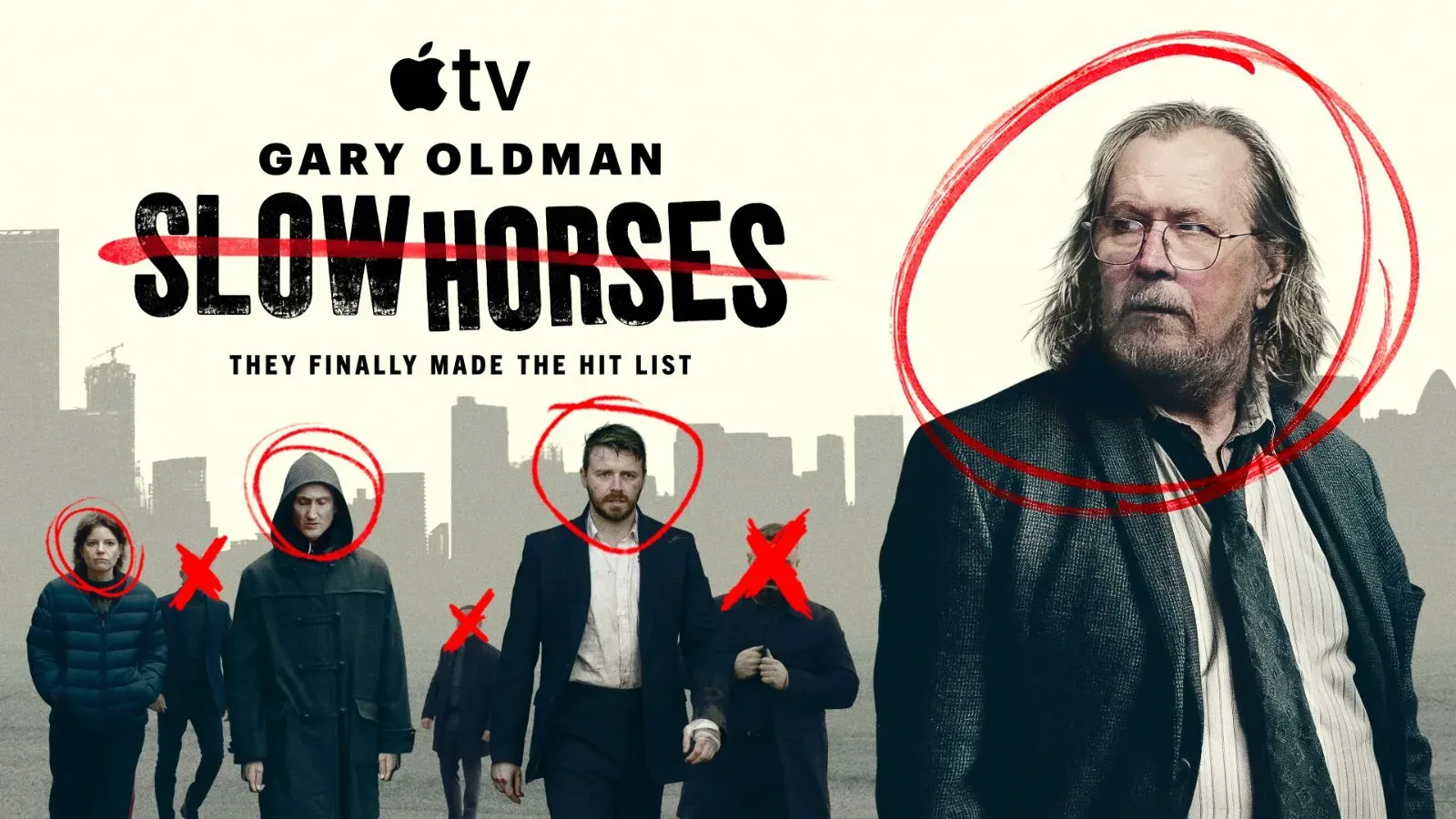
For another example of how long-running screen franchises can keep their future plans in motion, see our coverage of the renewal of Slow Horses through season 10.