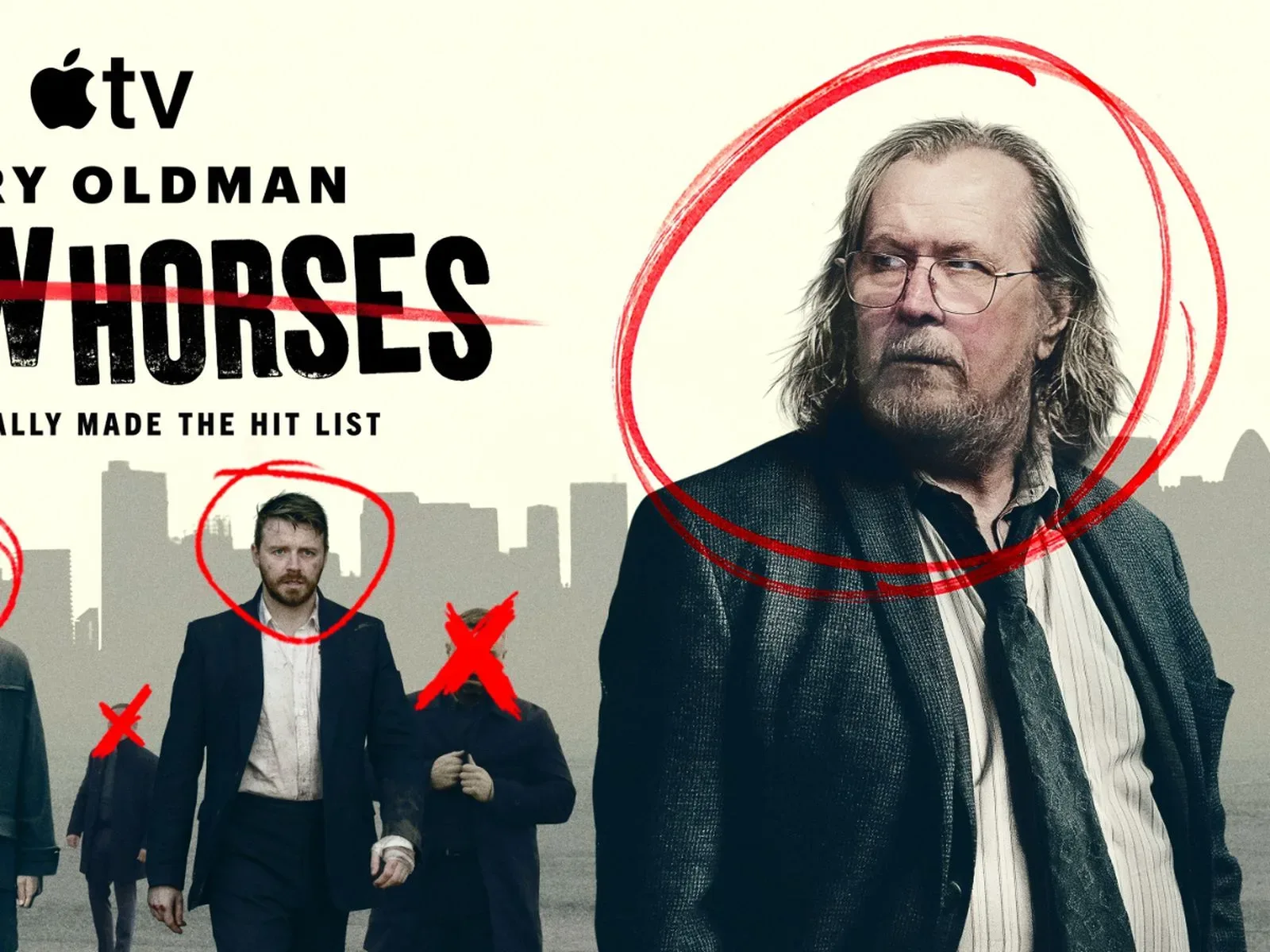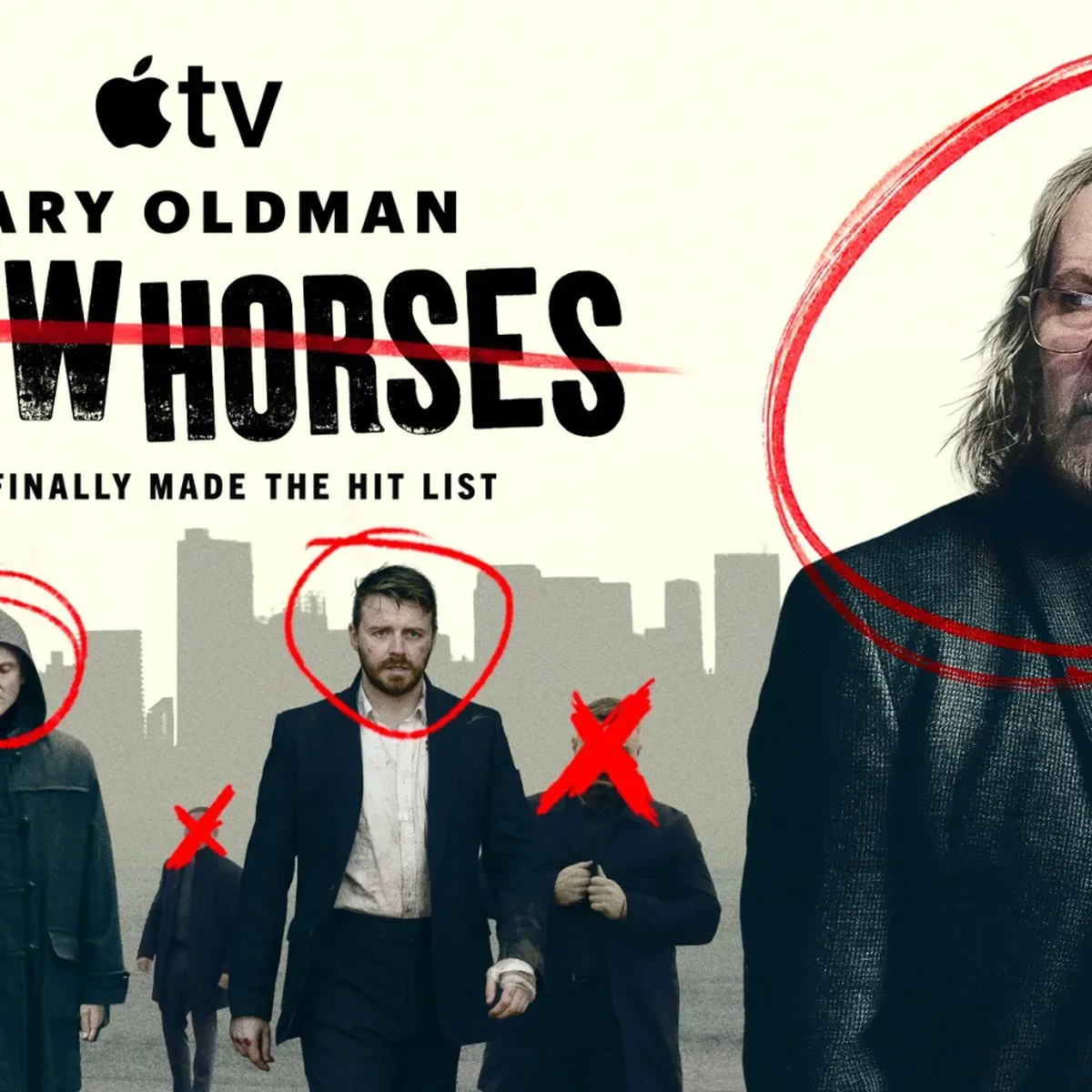
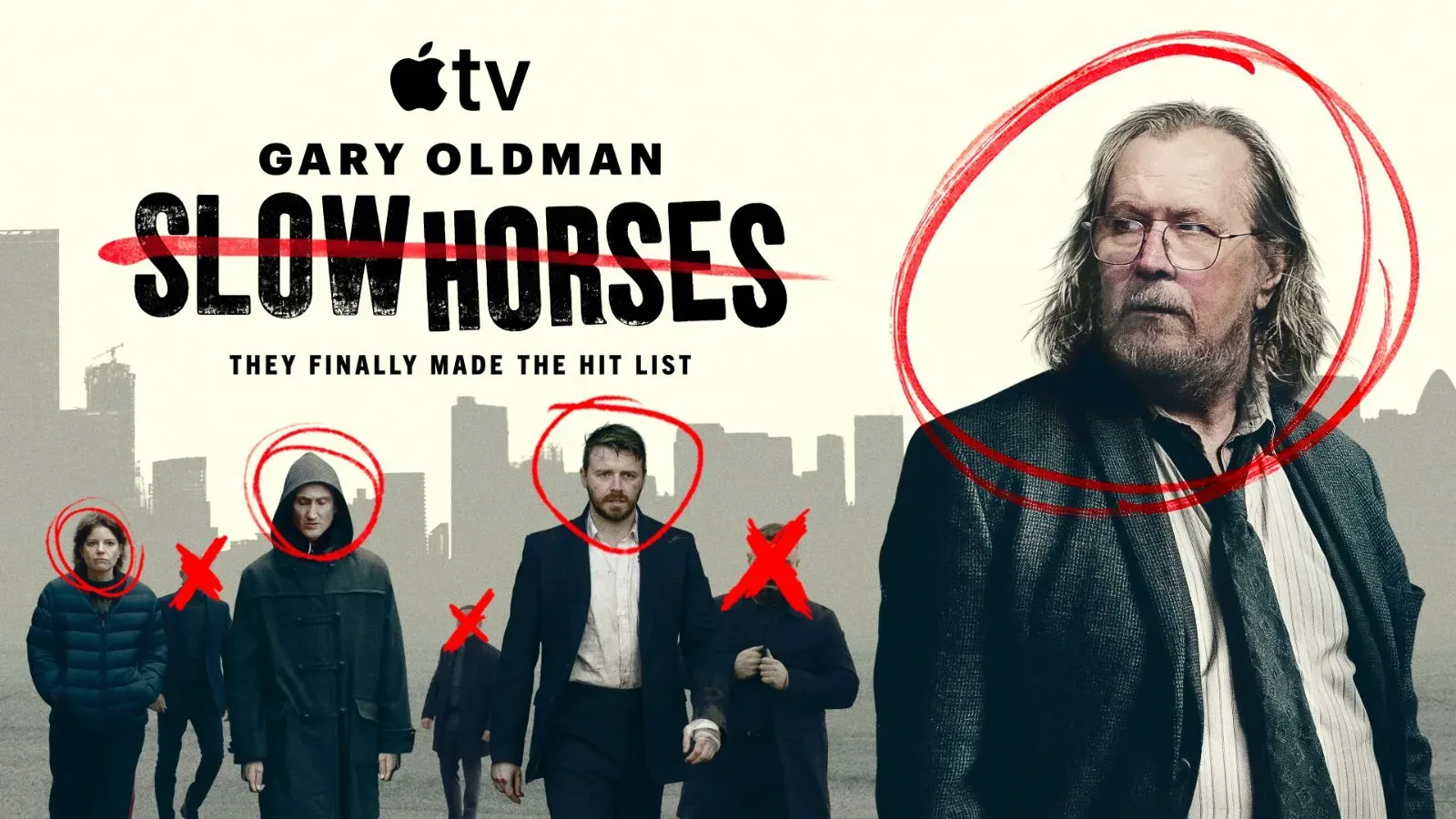
Slow Horses is set to reach 10 seasons. Apple has renewed the British spy drama for seasons nine and 10, extending a run that already makes it the streaming service’s longest-running original by number of seasons commissioned.
Six seasons are currently available, while seasons seven and eight had already been confirmed. The new two-season order makes the show’s long-term future unusually clear in a TV landscape where even successful series often receive renewals one season at a time. It also moves the adaptation closer to, and potentially beyond, the currently published main novels in Mick Herron’s Slough House series.
For viewers, the immediate practical result is straightforward: the story of Jackson Lamb and the agents assigned to Slough House will continue well past the eighth season that had recently been viewed as a possible endpoint. What happens after that is less settled. Apple has not disclosed story details for seasons nine and 10, and it has not confirmed whether they will adapt further published material, draw from new books, or follow an original path.
A major commitment for Apple’s spy series
The scale of the renewal is the headline. With 10 seasons now commissioned, Slow Horses has a larger season count than any other Apple original series. For All Mankind, which began when Apple’s service launched in 2019, is due to end with season six.
“Commissioned” matters here. It means the seasons have been ordered for production, not merely discussed as a creative possibility. It does not, by itself, establish release dates, episode counts, plots, or which cast members will appear in every future installment. Those are separate details that have not been provided for the new seasons.
Still, a paired renewal of this size signals continuity for a drama whose appeal depends heavily on returning characters, accumulating professional grudges, and the ongoing contrast between its scruffy intelligence outpost and the more polished layers of British espionage. The show follows MI5 personnel who have damaged their careers and are sent to Slough House, an administrative backwater overseen by Gary Oldman’s Jackson Lamb.
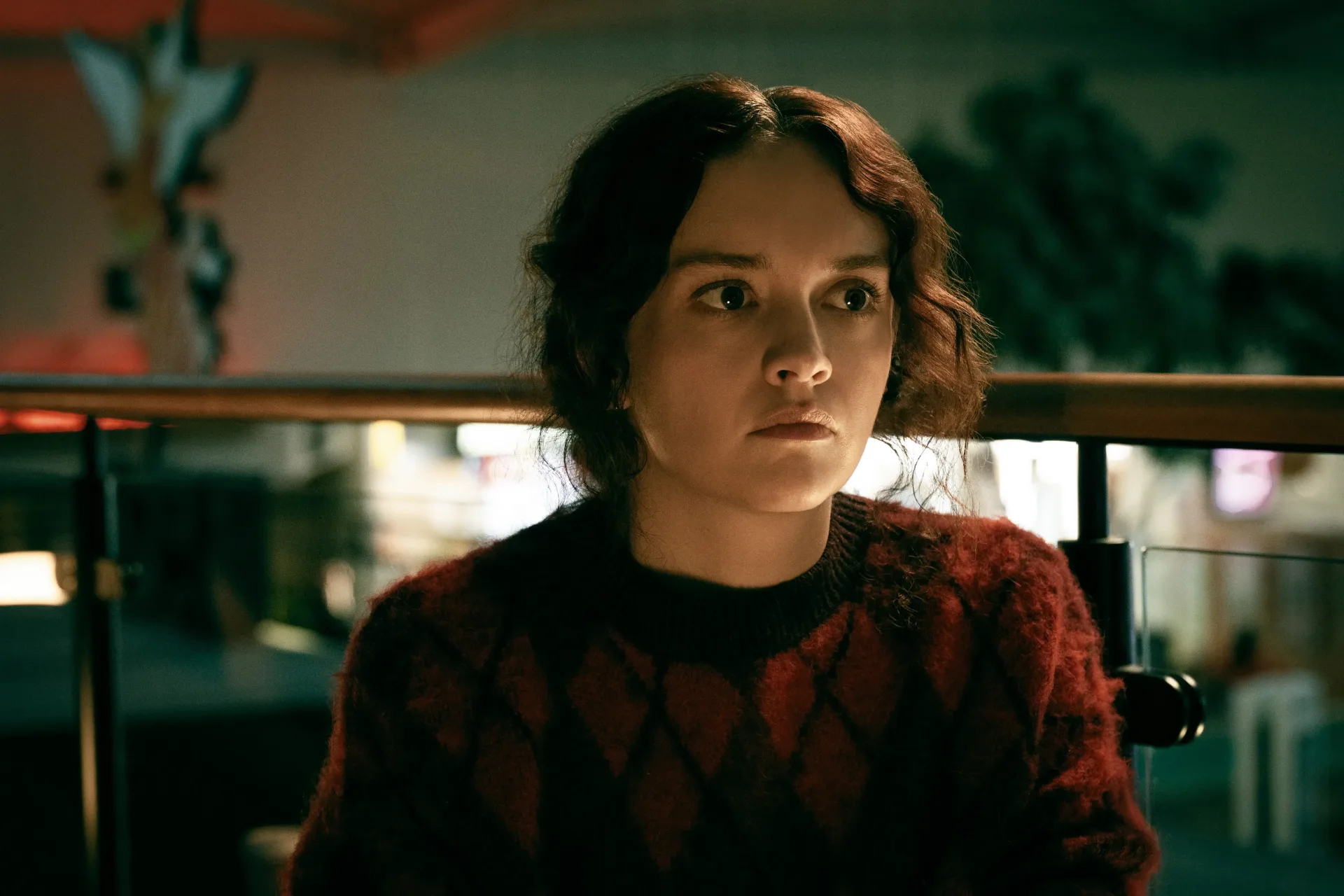
The core cast also includes Jack Lowden, Kristin Scott Thomas, Jonathan Pryce, and Olivia Cooke. That ensemble is central to the series’ identity: the premise is not simply that agents are assigned poor work, but that the people written off by their institution remain caught up in high-stakes intelligence crises.
The season-eight uncertainty has been answered
The ninth- and 10th-season order arrives shortly after Cooke suggested that season eight might be the end of the series. The renewal directly changes that picture, confirming that the show will continue beyond the point that had prompted audience uncertainty.
It is worth separating the confirmed news from what remains unknown. Seasons nine and 10 are official. The creative plan for them is not. A long-running drama can maintain the same characters and premise while changing how it structures its stories, but there is no confirmed reason yet to assume a specific approach here.
That distinction is especially important because Slow Horses is an adaptation. Early and middle seasons of an adaptation commonly benefit from a visible runway of existing books. As that runway shortens, the next moves can become more complicated: a production could adapt later material, wait for new material, combine elements, or create a story designed for television. None of those possibilities has been confirmed for this show’s final two currently ordered seasons.
How the show is catching up with the books
Herron’s main Slough House novel sequence began in 2010. There are nine main novels, released with gaps ranging from one to three years. The latest, Clown Town, arrived in 2025, three years after Bad Actors.
Those two later novels supply the source material for seasons seven and eight. That leaves the television production in a notable position. Once those seasons have covered their respective books, its 10-season commission extends past the currently identified material being used for the next two seasons.
This does not necessarily mean the show has exhausted all possible literary foundations. It does mean the simple one-book-per-season expectation becomes less certain based on the information available. The order provides Apple and producer See-Saw Films with a longer planning horizon, while the specifics of that plan remain under wraps.
For readers, the news may add interest to the relationship between the series and Herron’s publishing schedule. The show has been progressing rapidly enough that new television seasons are no longer a distant afterthought to the novels. The adaptation is now close enough to the published sequence that any new announcement about a future book—or a later television storyline—will carry extra weight.
Why its critical consistency matters
Longevity alone is not the whole story. The first six seasons have each earned critics’ scores of at least 95% on Rotten Tomatoes. Seasons two and four hold 100% scores, while the most recent season stands at 98%.
Scores are not a substitute for individual taste, and they do not reveal every practical factor behind a renewal. But the sustained pattern is meaningful. Maintaining that kind of reception across six seasons suggests that the series has avoided the sharp critical drop-off that can affect serialized dramas as their plots and casts expand.
That consistency may be particularly valuable for a spy drama. The genre has familiar tools—secrecy, compromised loyalties, institutional pressure and shifting alliances—but it can become repetitive if every season uses the same revelations without changing the consequences. Slow Horses has retained attention over multiple seasons while continuing to center agents who are professionally discredited rather than conventionally elite.
The title itself is tied to that premise. A “slow horse” is not the glamorous operative sent to the most prestigious assignment. The agents at Slough House are there because of failures or reputational damage. That setup gives the series room for both workplace dysfunction and espionage stakes, with Lamb at the center as their abrasive boss.
What audiences can watch now—and what not to assume
All six released seasons are available to stream on Apple TV. Seasons seven through 10 are confirmed, but no release calendar for the ninth and 10th seasons has been detailed in the information currently available.
Viewers should also avoid treating the renewal as confirmation of every future casting or story rumor. The established cast has helped define the program, yet a multi-season commission is not a full list of character outcomes. In a spy series, that distinction is more than legal fine print: shifting loyalties and dangerous assignments are part of the dramatic engine.
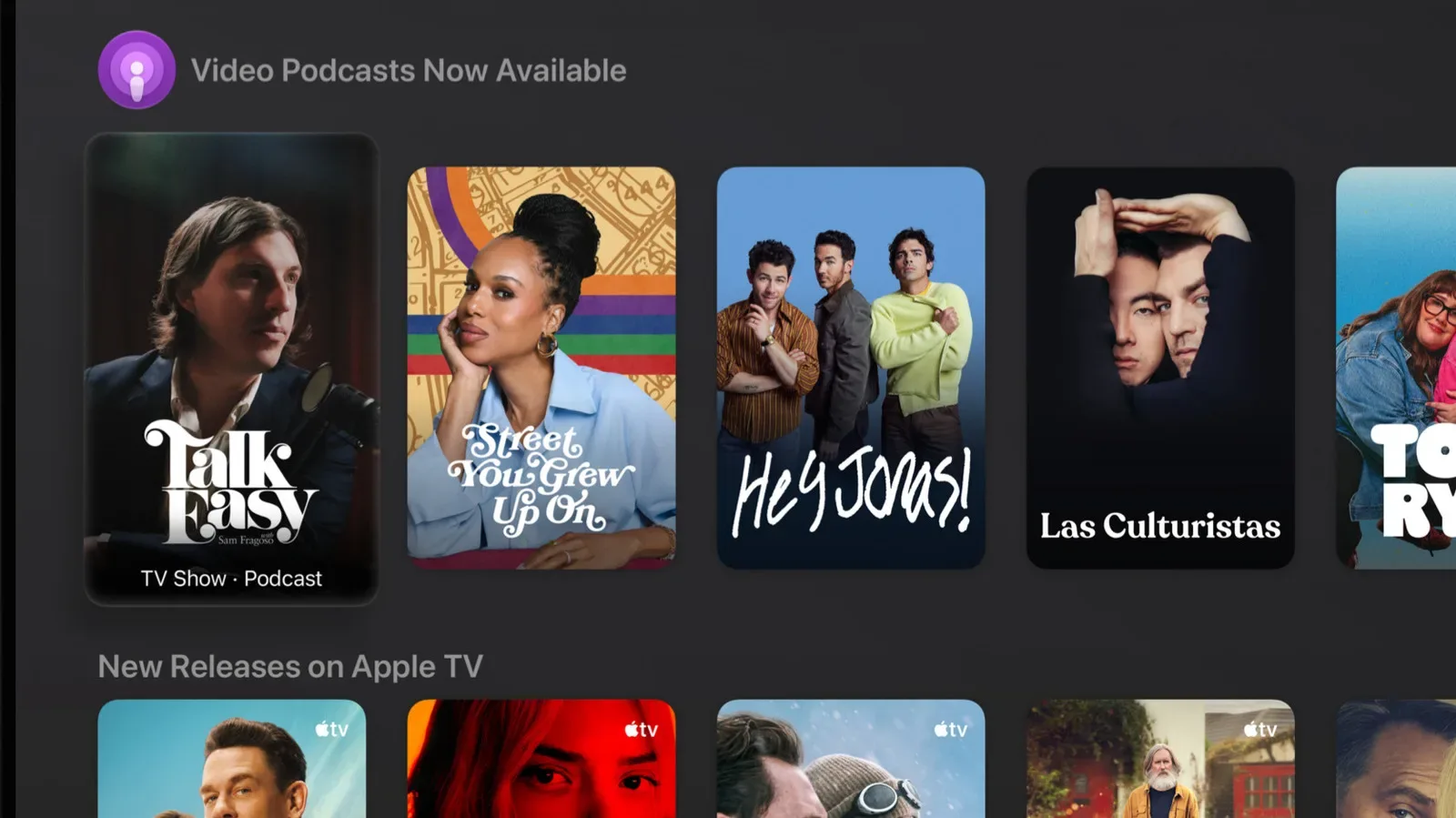
Apple has been expanding its wider screen strategy in other ways as well, including plans around video podcasts on the service, a shift covered in Apple TV’s push to make room for video podcasts. The 10-season Slow Horses order is a different kind of commitment, however. It is an investment in a proven scripted property with an existing audience, a long-established creative world, and an unusually durable critical record.
What season 10 represents
Reaching a 10th season is a meaningful marker for any streaming original, but it is particularly notable for a contemporary British spy drama built around a group of sidelined MI5 agents. The renewal gives the series a rare degree of stability and makes it the clear season-count leader among Apple’s original shows.
The next obvious question is no longer whether Slow Horses will continue after season eight. It will. The question is how the show and its source material will align once the adaptations of Bad Actors and Clown Town have run their course.
For now, the confirmed facts are substantial: six seasons can be watched now; seasons seven and eight are already on the way; and Apple has committed to two more. For fans of Lamb’s chaotic Slough House operation, that is a longer mission briefing than expected—and the details of its last two assignments are still classified.