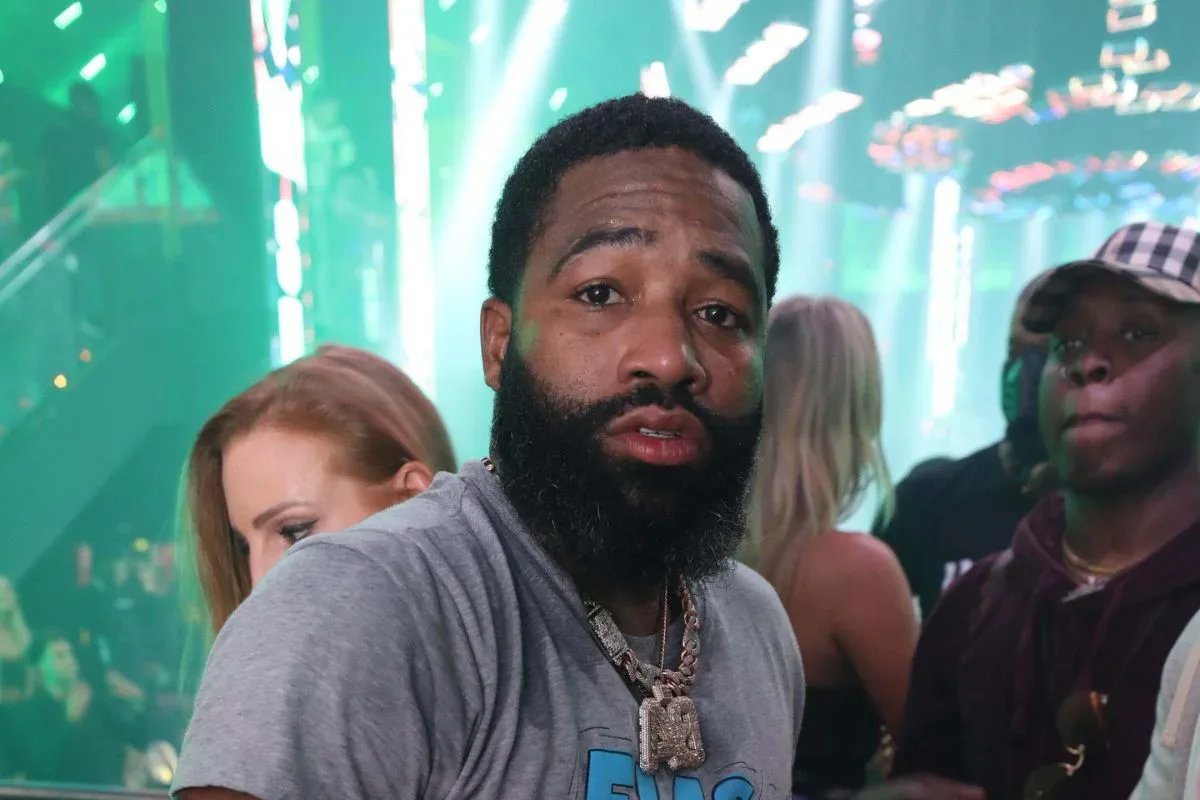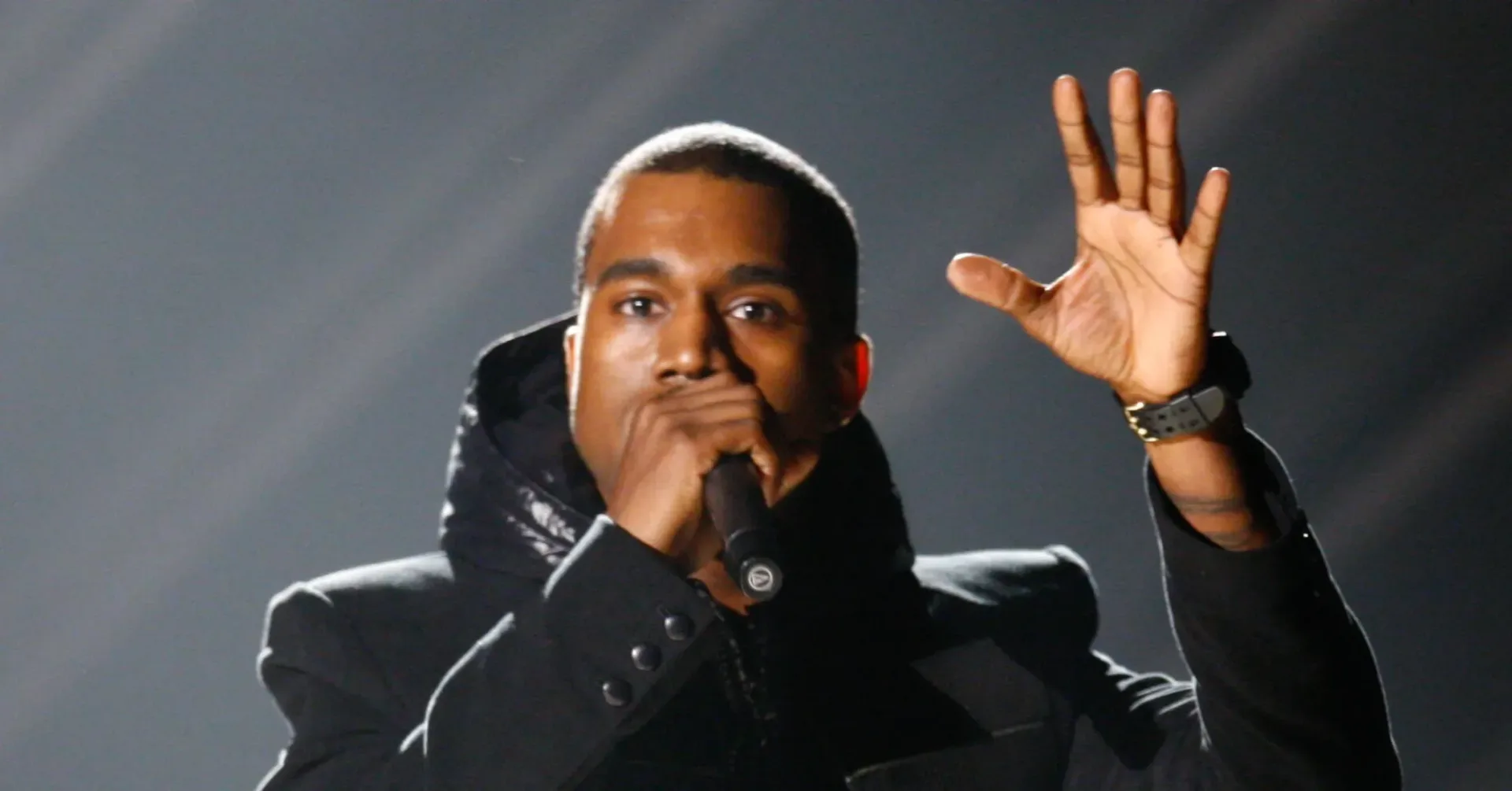
Akademiks has publicly floated a costly, confrontational answer to Hot 97’s reported staffing turmoil: put him on the morning show and pay him $5 million for the first year.
In a recent livestream, the media personality said he would take a morning slot after Thanksgiving if The Kid Mero were removed. His proposed deal was framed as non-negotiable, and his remarks were not subtle about the condition attached to it. Akademiks argued that the station needs stronger talent choices if it wants to sustain its standing in New York hip-hop media.
“Listen, non-negotiable—I want $5 million for the first year,” Akademiks said while making the pitch.
The comments arrive amid reports that employees are facing layoffs. That backdrop matters: Akademiks did not present this as a confirmed job discussion or an announced programming change. It was a public offer, delivered through a livestream, alongside an extended criticism of the station’s leadership and of Mero.
A public pitch, not a confirmed Hot 97 move
There is a significant difference between a personality declaring interest in a job and a broadcaster making a hiring decision. Nothing in Akademiks’ remarks establishes that Hot 97 has offered him a role, agreed to his requested salary, intends to alter its morning lineup, or plans to dismiss The Kid Mero.
That distinction is especially important because the proposal is built around a personnel outcome involving another public figure. Akademiks said he would step in only after what he described as a clearing-out of current talent. At the time of the comments, no response from Mero had been reported.
So the immediate story is not a completed radio shake-up. It is a high-profile creator using his own live audience to make an aggressive case for why he believes he belongs at a legacy hip-hop station—and why he believes its current approach is falling short.
What Akademiks is arguing about radio talent
Akademiks’ criticism was broader than a personal dispute. He suggested Hot 97 is no longer choosing on-air voices with the kind of intensity and draw he associates with prior station personalities, specifically referencing Star and Buckwild. His comparison hinges on a modern-media idea: a host’s appeal can no longer be judged only by a traditional radio time slot.
Related coverage includes Akademiks Says He’d Take Hot 97 Morning Slot for $5M.
When he said earlier personalities could command paying audiences if their work were a podcast, he was effectively measuring radio talent against the creator economy. In that model, a host is not just an employee on a schedule. They are a recognizable personality with an audience that can follow them across livestreams, clips, social platforms and potentially paid products.
Creator economy is the broad term for media built around individuals who communicate directly with their audience through digital platforms. A livestream is a central format in that ecosystem because it lets a creator respond in real time, speak without the limits of a conventional radio break and turn controversy into an event for viewers.
Akademiks used exactly that format to make his case. He did not simply say he could host a morning program. He sold the idea that his established persona, blunt commentary and online reach would be the thing that could “save” the station. Whether that claim is persuasive is a matter of opinion, but the strategy is clear: he is presenting himself as talent whose digital audience could have value in a radio setting.
The $5 million figure is part of the message
The proposed $5 million first-year salary is likely to be the headline-grabbing piece of the livestream, but it also functions as a declaration of self-worth. Akademiks is placing a very large value on the reach and attention he believes he can bring. By calling the number non-negotiable, he turned an ordinary expression of interest into a challenge.
That approach creates a few practical pressures at once. It invites listeners to debate whether he is worth the money, pushes the feud with Mero into a larger public conversation and places Hot 97 executives at the center of a discussion they did not publicly initiate. It also gives Akademiks a way to make the proposal newsworthy even in the absence of a formal negotiation.
There is no evidence here of a salary offer from Hot 97, a counteroffer, or even a meeting. The figure should therefore be understood as Akademiks’ stated ask, not as an indication of what the station would pay or what a role would be worth.
Why the Mero condition changes the story
A creator pitching themselves for a radio job is one story. A creator doing so by demanding another personality’s departure is another. Akademiks’ framing makes this less like a standard employment pitch and more like a public escalation of an existing beef.
His remarks characterize Mero negatively and argue that Hot 97’s programming needs a different kind of voice. Those are Akademiks’ views, not established measures of either person’s performance. The practical effect, however, is to make the potential morning slot inseparable from rivalry. Any response from Mero could further shift attention away from the programming question and toward the interpersonal conflict.
That is a familiar dynamic in personality-driven media. Disagreement can become content, and content can intensify disagreement. The important uncertainty is that the available information does not show that the station has adopted either man’s framing of the situation.
What to watch next
- A response from The Kid Mero: No response had been reported when the remarks surfaced. A reply could clarify whether he treats this as serious career talk, a personal attack or something to ignore.
- Any statement from Hot 97: A station response would be the clearest indication that the on-air discussion has moved beyond a livestream proposal.
- Whether the $5 million demand remains literal: Akademiks described it as non-negotiable, but there is no public negotiation to assess.
- How reported layoffs develop: The staffing context is central to why his pitch has landed as more than routine trash talk.
For now, Akademiks has put a specific price on a hypothetical move and attached it to an even more specific condition: Mero out, Akademiks in. It is a provocative piece of self-promotion at a moment when concerns around staffing reportedly surround the station, but it remains a proposal rather than a confirmed change.
The episode also fits into a wider stream of hip-hop personalities using digital platforms to shape the conversation around their careers. For another recent music-and-media dispute with a streaming-era angle, see the story of Adrien Broner and DeenTheGreat naming Kai Cenat in “Purple App Killa.”