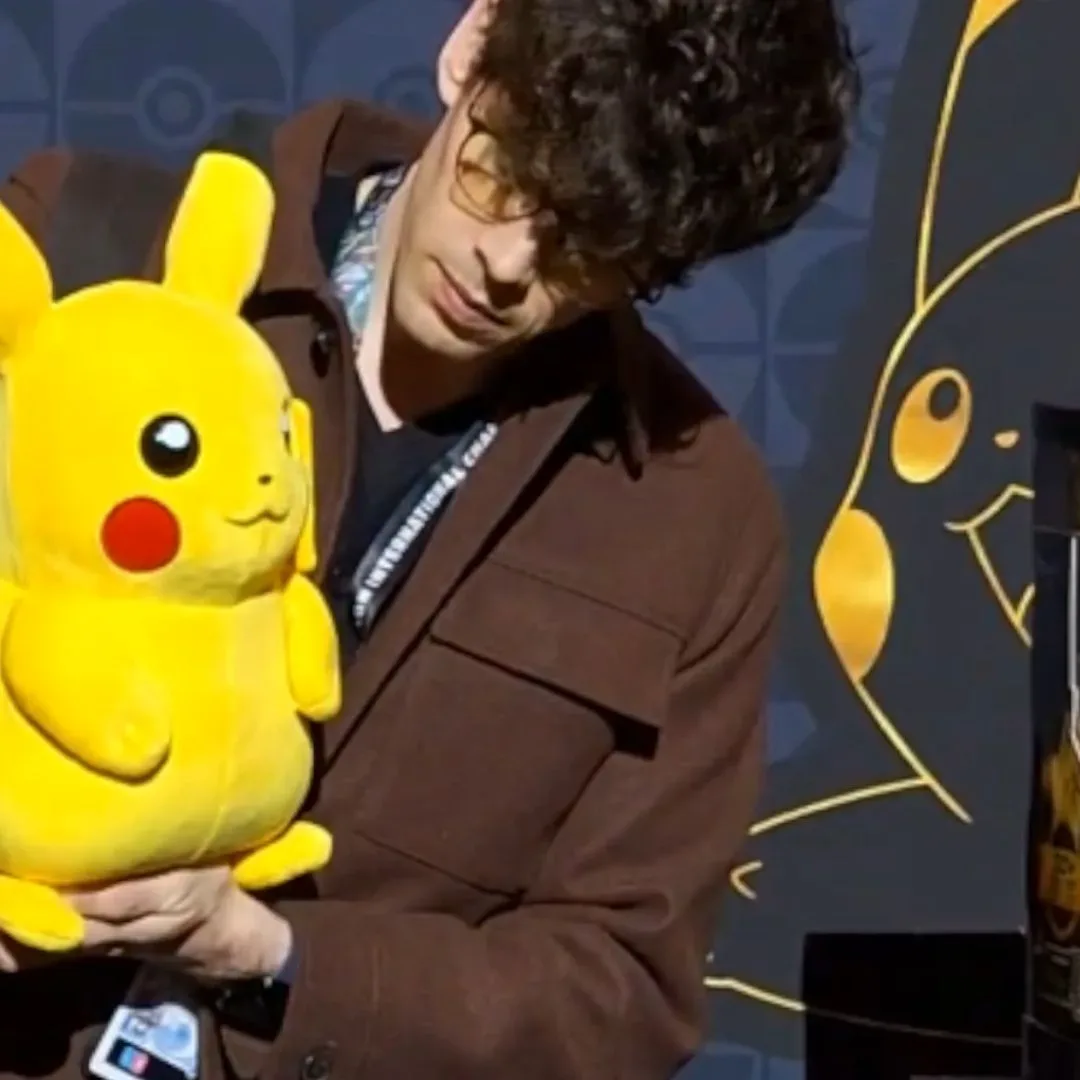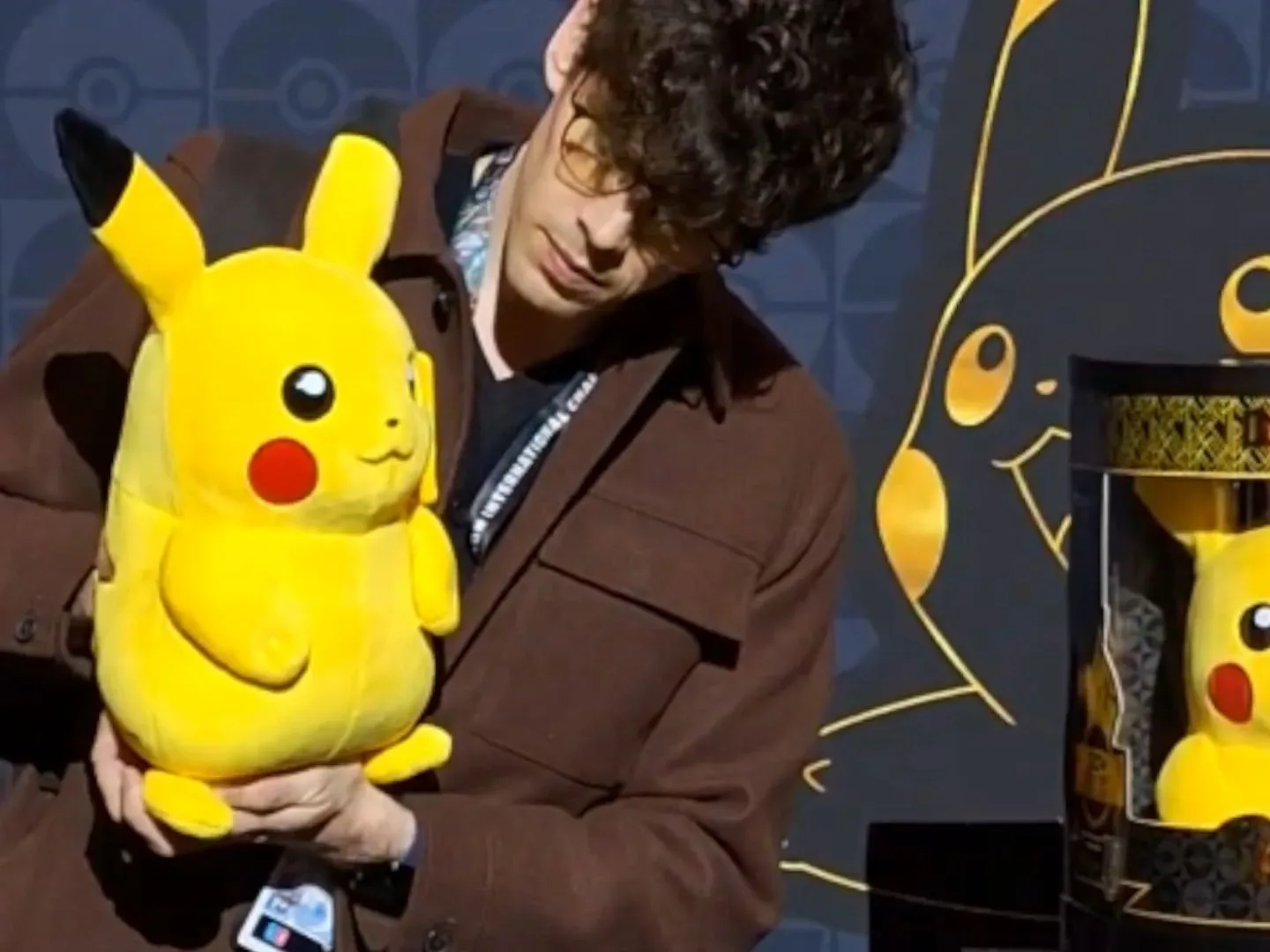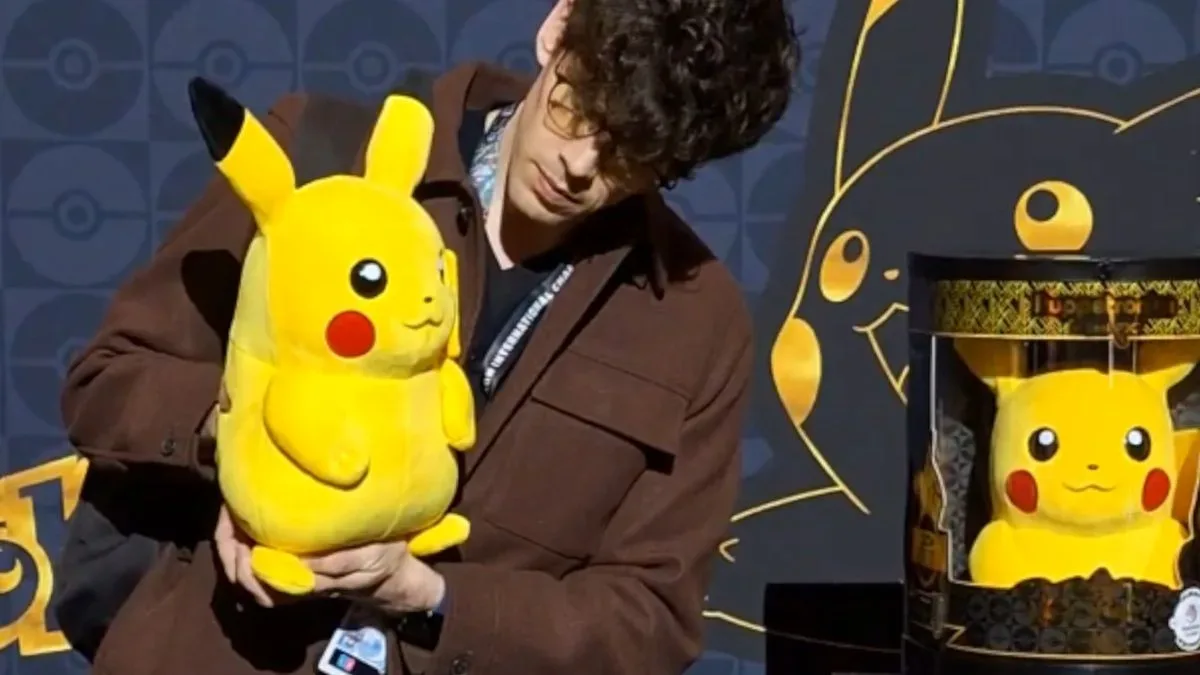
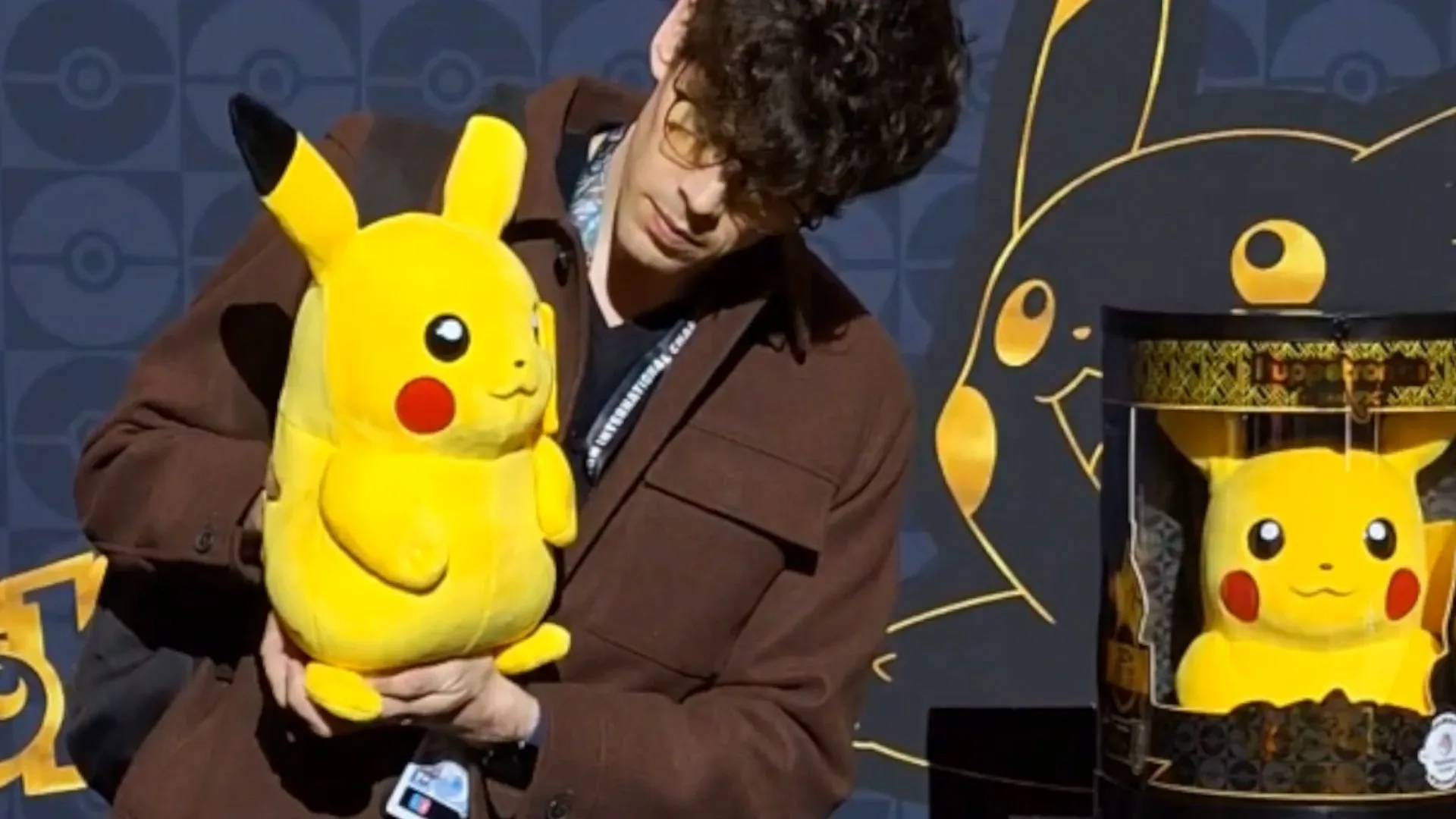
Pokémon merchandise has no shortage of Pikachu figures, plush toys and display pieces, but Pikachu Puppetronic is built around a different proposition: making the mascot perform. The near life-size figure combines motorised movement, lighting, sound and physical interaction points with a puppeteer-style control method. It is now listed with a 40% discount from its normal $80 price, putting the implied sale price at about $48 before any applicable tax or retailer changes.
That matters because the figure had generally remained near its standard price through most of its time on shelves. A reduction of this size changes the calculation for collectors who liked its concept but considered $80 a high entry point for a character toy. It is described as a record-low price, although shoppers should still treat any retail offer as time-sensitive and confirm the live listing, final price and stock before purchasing.
What makes Pikachu Puppetronic different?
The defining idea is in the name. “Puppetronic” describes a hybrid of a puppet and an animatronic figure. Animatronic here means the figure uses mechanisms to create movement and effects; a puppet, in contrast, is directly manipulated by a person. Pikachu Puppetronic combines the two rather than choosing one approach.
It can move on its own through its programmed responses, but a subtle opening on its back also lets an owner control it like a puppet. That opening is designed to be difficult to notice from the front. The practical appeal is straightforward: the figure can appear animated during its automatic routines, while the owner can also add a more deliberate performance element instead of merely pressing a button and watching a fixed sequence.
Its feature set includes more than 120 animations, multiple sounds, lighting effects including illuminated cheeks, a moving mouth and ears with dual motion. Three sensors, placed in the nose, head and tummy, enable motion-activated interactions. In everyday terms, those sensors allow the toy to react to touch or movement at several distinct points, rather than treating all interaction as a single input.
That concentration of moving and reactive elements is why the product sits closer to an interactive character figure than a conventional static collectible. Its value is not only in Pikachu’s familiar silhouette. The intent is to sell the impression of a small character responding, moving and expressing itself in the room.
The features at a glance
- Scale: a figure described as close to Pikachu’s real-world character size.
- Animation library: more than 120 unique animations.
- Effects: sounds and lighting, including light-up cheeks.
- Movement: a moving mouth and dual-motion ears.
- Interaction: sensors in the nose, head and tummy for motion-activated responses.
- Manual performance: a discreet rear slit supports puppet-style control.
Why the reduced price is the important part
At its $80 regular price, Pikachu Puppetronic asks buyers to pay for electronics, movement and interaction—not simply the character licence or shelf presence. That does not make it automatically poor value, but it does place it in a more considered purchase category. A 40% reduction is substantial because it lowers the cost while leaving the central proposition unchanged: the sensors, animation count, light effects, mouth movement, ears and puppet component are still the reason to buy it.
Using the stated regular price as the baseline, 40% off represents a $32 reduction. That leaves an approximate $48 price. The arithmetic is useful for judging the offer, but it should not be confused with a permanent repricing. Retail listings can shift quickly, and a “record low” does not guarantee that a lower price will never arrive later. It only establishes that this deal is unusually aggressive compared with the product’s prior observed pricing.
Related coverage includes Pikachu Puppetronic Drops 40% After Becoming a Standout Pokémon Collectible.
For gift buyers, the difference is especially meaningful. Interactive toys often need to clear a higher expectation than a standard figure: the moving parts and responsive elements should be central to the recipient’s enjoyment, not an expensive footnote. The lower price makes the product easier to justify for someone who wants a more theatrical Pokémon present, whether the recipient is a child interested in character play or a fan who values an expressive display item.
Collectible, toy, or both?
Pikachu Puppetronic occupies both spaces, but buyers should be clear about which one matters most to them. As a collectible, it is notable because it recreates Pikachu through scale, movement, lights and sounds rather than through a pose or sculpt alone. As a toy, it is designed around interaction: the body sensors, animation routines and puppet access are core functions, not extras buried in a specification sheet.
That overlap can be appealing, although it also brings a practical distinction. A person seeking a silent, fully static shelf display may not need the complexity that makes Puppetronic stand out. Someone drawn to a responsive figure, however, is exactly the audience for whom the mechanics have a purpose. The figure’s appeal rises or falls on whether its owner wants to see Pikachu move, react and be manipulated as a character.
The puppet control is the most unusual detail. Many interactive figures operate entirely through pre-set programmes, switches or remote inputs. A rear control opening adds a more tactile form of participation. Since it is positioned to stay out of sight from the front, the design also tries to preserve the visual illusion for anyone watching the figure rather than operating it.
Practical buying considerations
The available details establish what the figure can do, but they do not establish every practical specification a buyer may need. Before treating the deal as a purchase decision, it is worth checking the retailer’s live page for the current price, availability, included items and any operational details that matter to your household or display plan. This is particularly sensible for a product with lights, sounds, sensors and moving components.
It is also worth distinguishing a sale from a prediction. The current discount is described as deeper than the figure’s typical pricing and as a record low, but no future price can be promised. Seasonal sales may alter listings; equally, stock can disappear or an offer can end. The soundest interpretation is not that this is definitively the last or best chance, but that it is a meaningful drop relative to the $80 regular price.
For Pokémon fans who want their merchandise to do more than occupy a shelf, the product’s design explains its attention. Its recognised character design is paired with a long list of animation and interaction features, while the puppeteering element gives it a point of difference from a standard automated figure. At roughly $48 on the stated promotion, that combination becomes considerably more accessible than it was at full price.
Nintendo fans looking for more current platform-related reading can also see how A Little to the Left is arriving on Switch 2 with a free upgrade for Switch owners.
Shop the products
Check current price, model and availability at the retailer.