Black Friday toy shopping is doing what it does best: putting wildly different play patterns in the same cart. This year’s notable offers range from an interactive Buzz Lightyear action figure to a Nerf Rebel Ops blaster built around a large circular dart clip, plus a decidedly softer Doctor Doom Squishmallow. They are connected by familiar entertainment brands, but they are not interchangeable purchases—and that is exactly why the details behind each reduction matter.
The clearest listed price cuts are $32 for interactive Buzz Lightyear, down from $40; $39.97 for the Nerf Rebel Ops blaster; and $16.99 for the Doctor Doom Squishmallow, reduced from $20. The Buzz figure and Doom plush are described as record-low prices. A “record low” means the lowest price observed in a product’s tracked pricing history, not automatically a guarantee that it cannot fall further. It is useful evidence of value, but it should still be weighed against whether the item is actually the version a buyer wants.
Interactive Toy Story figures make the case for buying a set, not just a character
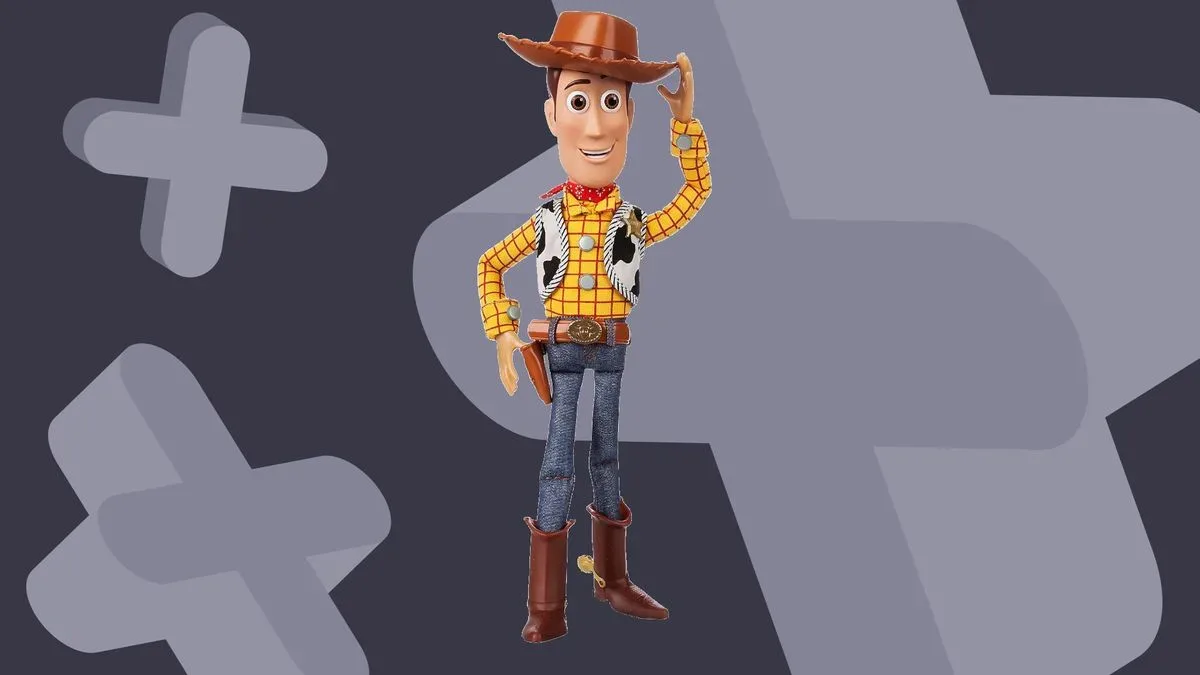
Toy Story is back in the retail conversation following the launch of a new film in 2026, and the interactive talking figure range plays directly into the franchise’s central appeal: characters that appear to come alive together. Buzz Lightyear is listed at $32 rather than $40, a straightforward $8 reduction.
What distinguishes these figures from a conventional talking toy is their interactivity. The figures can communicate with one another when brought together. In practical terms, that means the product’s value proposition is partly collective. A single figure can be a complete gift, but its special behavior is designed to expand as more compatible characters enter the scene.
That does not make one figure a poor purchase. It does mean shoppers should define the goal before reacting to the percentage off. Someone buying for a child who wants Buzz specifically can sensibly evaluate the $32 figure on its own. Someone attracted mainly to the cross-character chatter should consider whether a single purchase delivers enough of that feature—or whether the purchase could become the starting point for a wider set.
It is also worth separating an interactive figure’s play value from its display value. A collector or fan may chiefly care about character likeness, scale and shelf presence. A recipient looking for an active toy may care much more about speech functions and how the figure interacts with other characters. Neither approach is wrong, but confusing them can turn a seemingly excellent deal into an oddly mismatched present.
What the Buzz discount actually tells buyers
The math here is simple: $8 off a $40 listed price is a 20% reduction. That is meaningful, but the stronger signal is the reported record-low status. For buyers who have already settled on this particular interactive Buzz, the reduction is more compelling than a vague seasonal sale banner because there is a stated reference price and a price-history claim to assess.
Still, verify the product listing before checkout. “Buzz Lightyear” can describe many toys with very different functionality, sizing and accessories. Confirm that the page identifies the interactive version and, if the shared dialogue is the reason for buying, check that the listing makes its compatibility clear. A price comparison is only valid when it concerns the same product, not simply the same character.
Related coverage includes Black Friday 2026 Toy Deals Spotlight Interactive Toy Story Figures, Nerf Rebel Ops and Doctor Doom Plush.
Nerf Rebel Ops turns a game-inspired idea into physical play
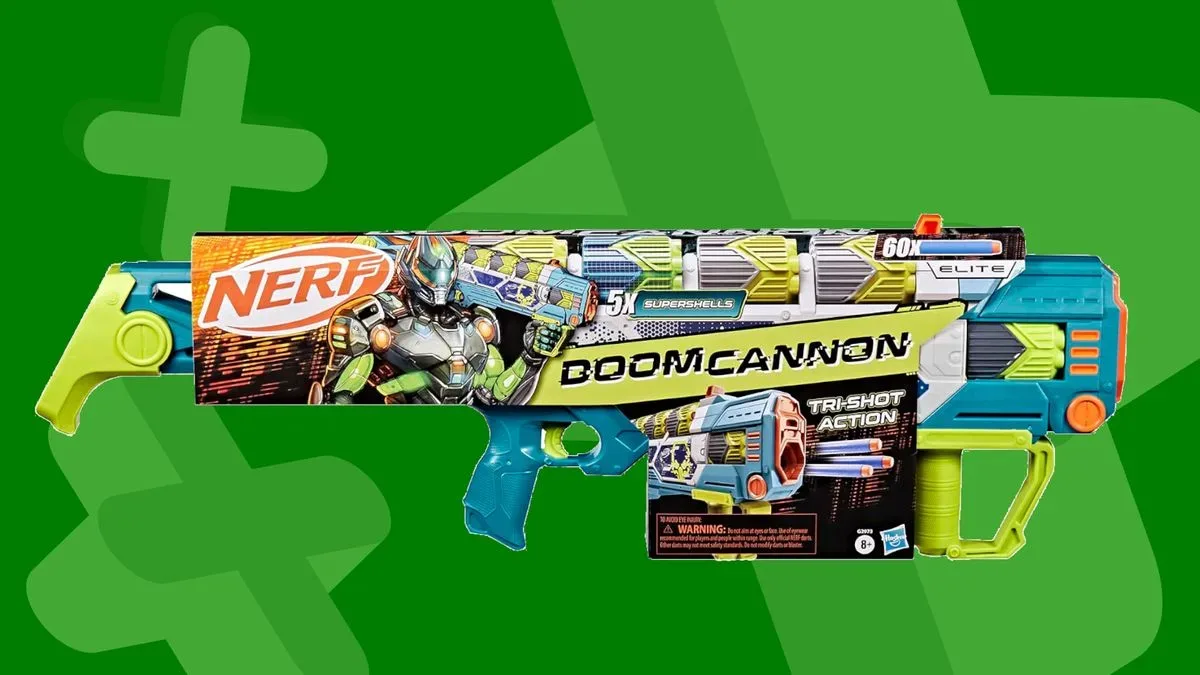
The 2026 Nerf Rebel Ops range takes inspiration from video-game power-ups and configurable loadouts. A loadout is the combination of equipment or setup selected for a particular situation. In a game, changing a loadout might mean choosing a different weapon or ability. Here, the idea is translated into blaster configurations intended to suit different uses.
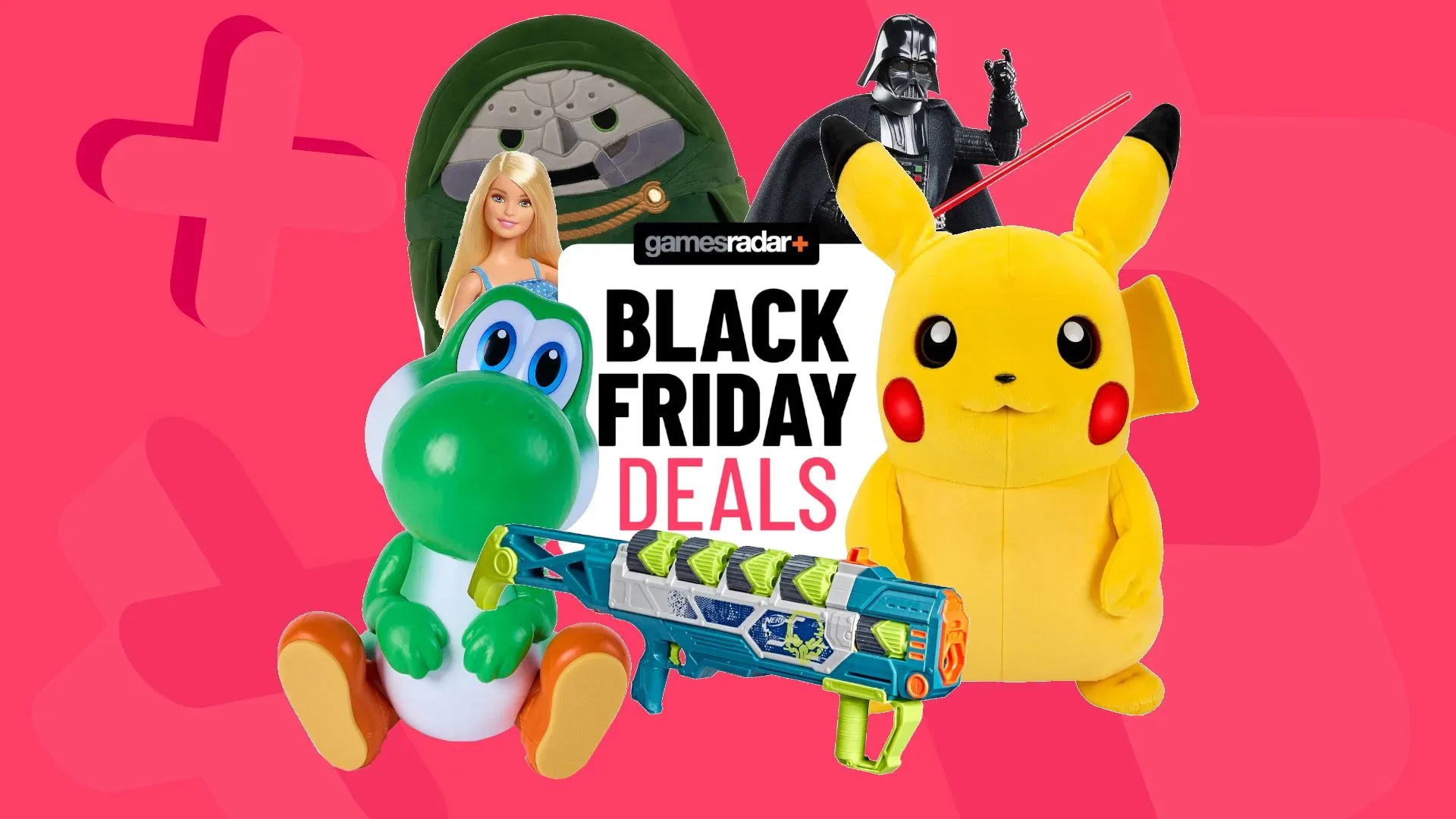
The featured Rebel Ops model is styled after a shotgun and has a circular clip that can hold 60 darts. It can fire three darts at once and is listed at $39.97, described as a record low. Those specifications explain why it stands apart from a basic blaster: capacity and multi-dart firing are central to the product’s appeal.
A circular clip is a magazine-like component that stores darts in a ring-shaped arrangement. The 60-dart capacity sounds impressive, but shoppers should distinguish storage capacity from firing behavior. The blaster may hold 60 darts, while firing three at a time is a separate capability. The first speaks to how much ammunition can be loaded before refilling; the second speaks to what happens in a single shot.
That distinction matters for gift planning. A buyer drawn to fewer interruptions may value the large capacity. A buyer interested in close-range, dramatic play may be more interested in the three-dart burst. Neither feature alone describes the entire experience, and neither establishes performance beyond the listed functions. There is no need to assume firing range, rate of fire, battery requirements or included accessories unless the product page specifically confirms them.
A high-capacity blaster deserves a practical check
The Rebel Ops offer is attention-grabbing because it pairs a notably low listed price with unusually conspicuous design features. But it is also the deal where a careful listing review is most useful. Ensure the circular clip is included with the exact version being sold, and review what darts are supplied. A blaster’s advertised capacity can be less immediately useful if it arrives with fewer darts than it can hold.
Consider the recipient and play setting as well. A three-dart blast is described as especially formidable at close range, which is a reminder that the product is aimed at active play rather than quiet desk display. The appropriate space, household rules and any age guidance on the retailer’s page should all carry more weight than sale urgency.
There is a gaming connection here without pretending this is a videogame accessory. Rebel Ops borrows visual and conceptual language from games—power-ups, changing configurations and scenario-specific setups—but it remains a physical toy line. That distinction should make it easier for shoppers to decide whether the appeal is thematic, mechanical or both.
Doctor Doom becomes the softest Black Friday villain
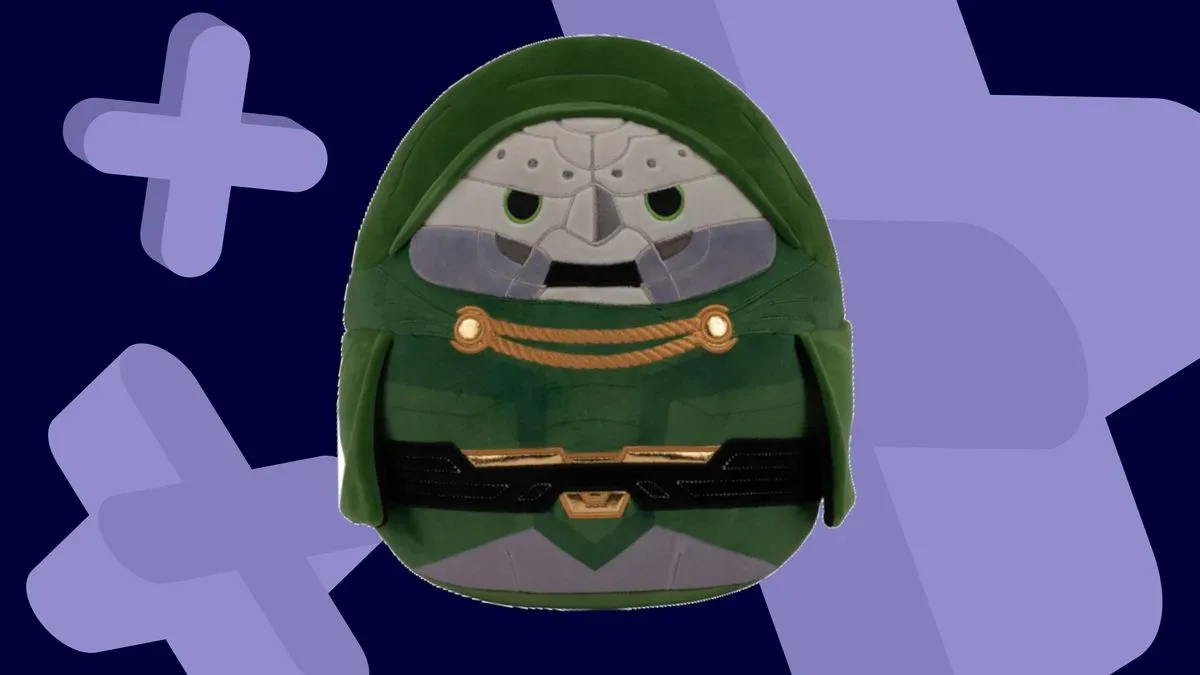
At the other end of the toy spectrum is the Doctor Doom Squishmallow plush, listed at $16.99 rather than $20. That is a $3 reduction, or 15% off the stated price, and it is also presented as a record low. The timing is naturally favorable for Marvel fans with Avengers: Doomsday due within weeks.
A licensed plush solves a different gifting problem than an action figure or blaster. Its appeal is character recognition and tactile, display-friendly design rather than articulation, interactivity or active competition. The Doctor Doom version gives fans a lower-cost way to acknowledge the character and the approaching film without committing to a larger collectible.
That makes the modest dollar saving easier to interpret. Three dollars off is not a huge headline reduction, but the lower entry price matters. For a small present, a stocking-style addition or a themed desk plush, $16.99 may be more relevant than the percentage calculation. Conversely, buyers pursuing a specific plush size, release or collecting goal should confirm the exact listing details rather than treating the Doctor Doom name as sufficient identification.
The broader point is that a good Black Friday deal need not be the item with the largest raw discount. It can be the item that matches a recipient, a budget and a purpose at a price that is unusually low for that exact product.
How to judge a toy sale without getting distracted by the red label
Black Friday discounts create urgency by design. The most reliable response is to treat the apparent saving as the first question, not the final answer. Price-history services such as CamelCamelCamel can show a product’s previous prices, including its average level and prior lows. That context helps a shopper identify the difference between a genuinely unusual reduction and a price that has appeared repeatedly.
Price tracking is particularly helpful where retail pages use a crossed-out comparison price. A listed reduction can still be legitimate, but history gives the buyer a more complete picture. If a product is commonly sold near the alleged sale price, the event branding is less important. If it has rarely reached the lower number, the offer carries more weight.
A simple pre-purchase routine can keep the process grounded:
- Confirm the exact item, including version, character, interaction feature or included component.
- Compare the current price with price-history information where available.
- Check that the seller is the retailer or an identifiable official brand storefront.
- Read recent user feedback for practical issues that product photographs cannot show.
- Decide whether the toy is intended for play, display, gifting or a growing collection before adding related products.
The third point is especially important during major sale periods. Marketplace listings can include third-party sellers, and unofficial lookalikes can present themselves with similar names or images. That does not mean every third-party listing is a problem. It means seller identity, product branding and customer feedback deserve attention before a deal is treated as equivalent to a purchase from an official store.
Checking reviews is not just a way to hunt for complaints. It can help validate whether the item shown is the product buyers actually receive and whether the features that matter—such as an action figure’s interactive behavior or a blaster’s supplied clip—match expectations. Reviews should not substitute for the official product description, but they can flag questions worth resolving.
The sensible choice depends on what kind of gift it is
Among these three deals, interactive Buzz Lightyear is the strongest fit for a Toy Story fan who will enjoy connected character play. The Nerf Rebel Ops blaster is the most feature-forward option, built around capacity, configuration and three-dart firing. Doctor Doom Squishmallow is the accessible Marvel pick: a compact character-driven plush at a lower cost.
There is no single winner because the toys solve different problems. The useful shared lesson is to focus on exact product identity and confirmed features before comparing the discounts. Black Friday is at its best when it helps buyers purchase a toy they already understand at a better price—not when it persuades them to buy an unfamiliar version because the label is loud.
For another seasonal subscription-price example outside the toy aisle, see this Peacock Black Friday offer. The same principle applies: compare the precise plan or product, the terms, and the normal price before deciding the promotion is the right fit.
Shop the products
Check current price, model and availability at the retailer.