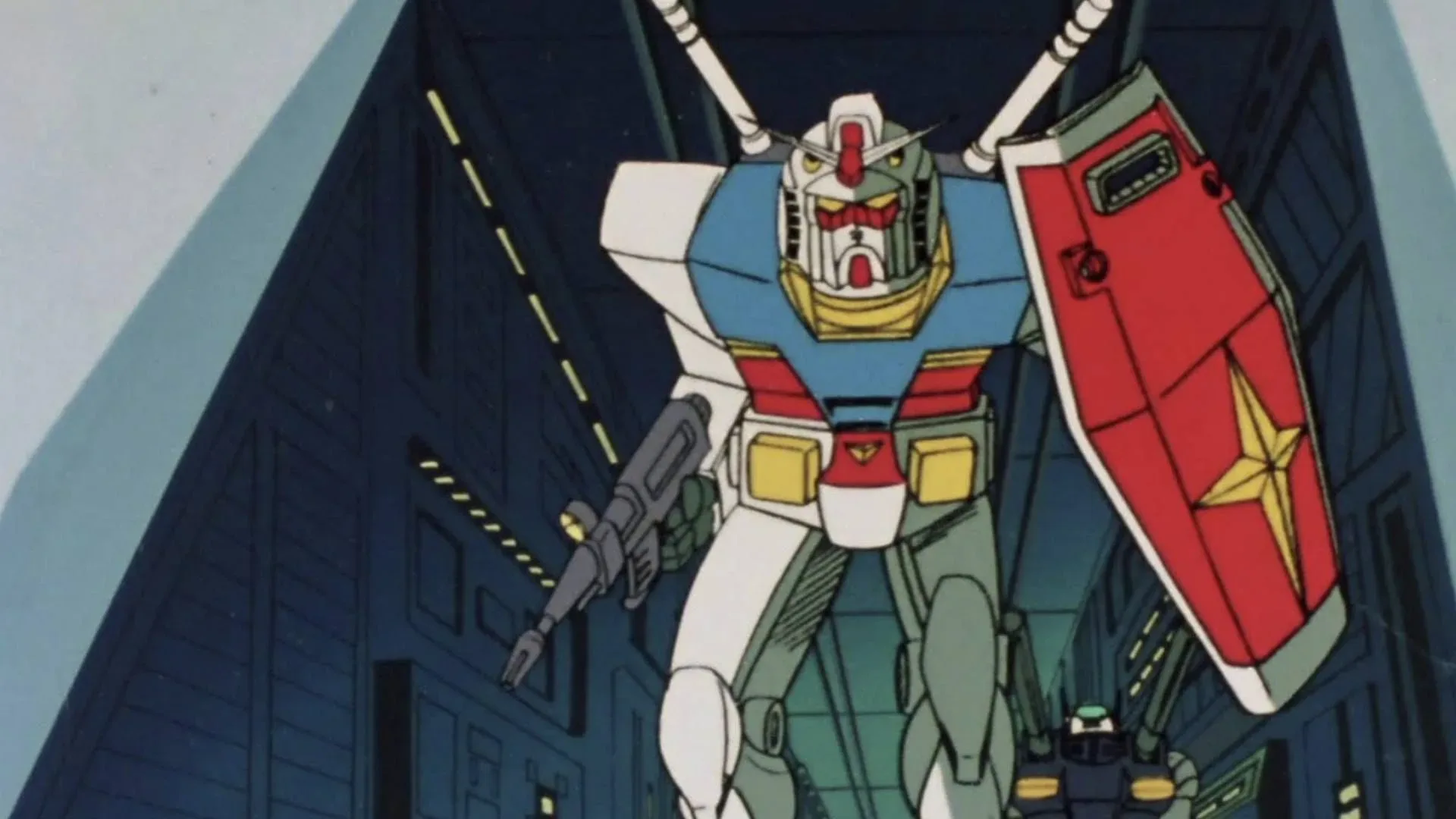
Three major Japanese entertainment companies are pooling their rights-enforcement efforts against counterfeit merchandise. Bandai, Square Enix and Capcom have been working together since July on a joint approach intended to address a practical limitation of intellectual-property enforcement: a single rightsholder can generally pursue only the goods that allegedly misuse its own characters, brands and designs.
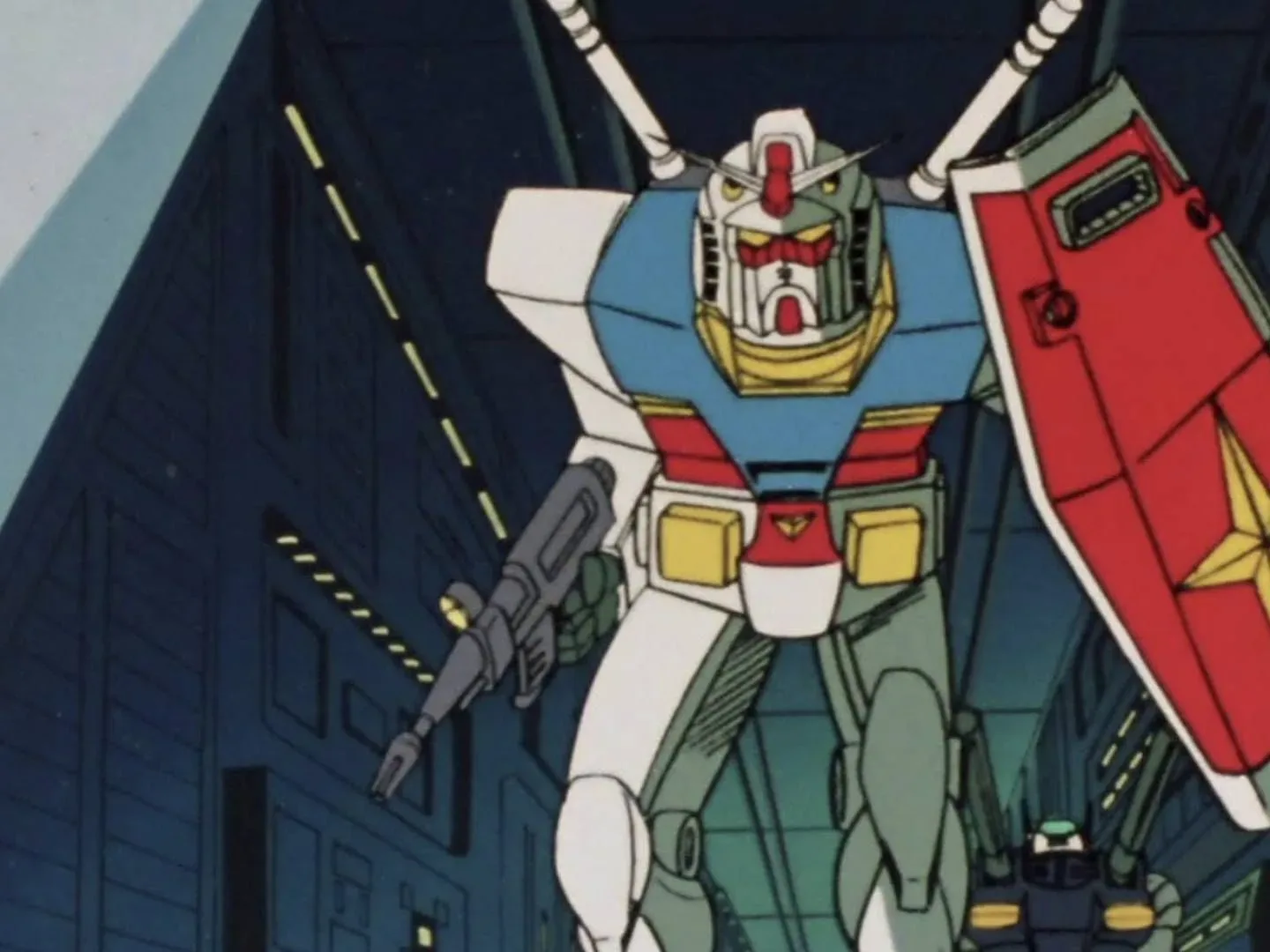
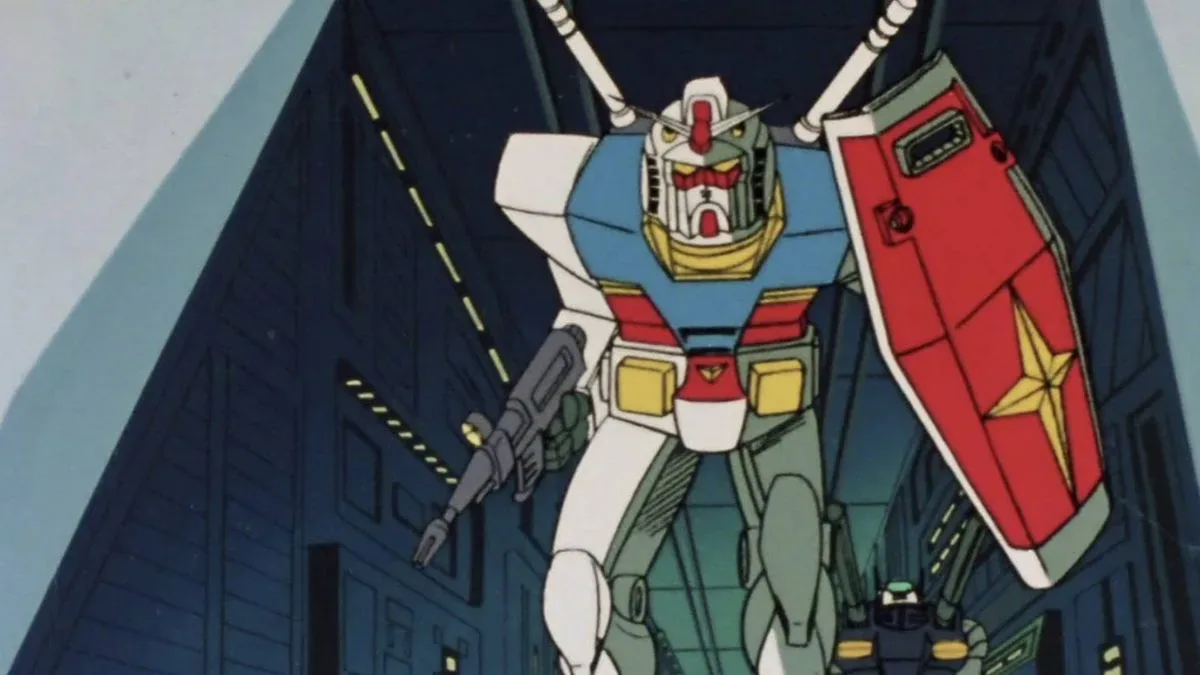
The partnership has already been tied to an operation against a Chinese merchandiser. The store operator was arrested, while authorities seized 137 pieces of alleged counterfeit Gundam merchandise with an estimated value of about ¥31 million, or roughly $194,000.
That is a substantial valuation for a relatively small item count. It also underscores why counterfeit figures and related collectibles are more than a nuisance for companies and fans. A fake item can trade on the reputation of a licensed brand while bypassing the quality control, approvals and official supply chain associated with legitimate merchandise.
Why three companies are working together
Counterfeit cases can be awkwardly fragmented when a seller’s stock includes products based on several properties. A warehouse or storefront may hold alleged copies connected to Final Fantasy, Street Fighter and Gundam, but each company’s claim concerns its own intellectual property.
Intellectual property, or IP, is the umbrella term for protected creative and commercial assets such as character designs, franchise names, logos and other brand identifiers. In this situation, the important point is not merely that a seller may have many kinds of suspect merchandise. It is that the affected brands are owned or managed by different rightsholders, creating a need for separate claims and coordination.
A combined effort can therefore make an alleged mixed-IP operation easier to address in a single push. Bandai’s toy-making subsidiary, Bandai Spirits, has indicated that this overlap is the reason the companies chose to cooperate. Instead of leaving each company to focus narrowly on only its own portion of the inventory, the arrangement gives the parties a route to act alongside one another when the same merchant is alleged to be dealing in multiple franchises.
The reported seizure focused on Gundam goods, but the structure of the partnership matters beyond any one robot model or game character. Square Enix brings properties including Final Fantasy; Capcom’s portfolio includes Street Fighter; and Bandai’s merchandise business is deeply connected to Gundam. These are brands with active, international collector audiences, which makes official identification and properly licensed products particularly important to buyers.
The reported Gundam seizure, by the numbers
- Companies involved: Bandai, Square Enix and Capcom.
- Partnership timing: The collaboration has reportedly been ongoing since July.
- Merchandiser targeted: A Chinese seller.
- Enforcement outcome: The store operator was arrested.
- Goods seized: 137 alleged counterfeit Gundam items.
- Estimated value: About ¥31 million, approximately $194,000.
Those figures should be read carefully. The reported yen estimate is a valuation of the seized merchandise, not a stated retail price for each item, a confirmed resale total or a measure of every counterfeit product potentially connected to the seller. Likewise, the reported arrest and seizure describe the outcome of this operation; they do not establish broad conclusions about every marketplace, collector or unaffiliated seller.
Related coverage includes Bandai, Square Enix and Capcom Join Anti-Counterfeit Push as Fake Gundam Goods Are Seized.
Still, the case offers a clear example of why brands may see cross-company enforcement as useful. Counterfeit supply is not always arranged neatly by franchise. When one seller’s catalogue allegedly crosses the boundaries between several companies’ properties, a one-brand-at-a-time response can leave the broader catalogue intact or require multiple parallel actions.
Square Enix had already pursued a separate figure case
The new collaboration follows a separate Square Enix enforcement action earlier in the year involving alleged counterfeit Tifa figures. That case led to 13 arrests and the seizure of assets reported at $300,000.
Tifa is a character from Final Fantasy, and figures based on recognizable game characters can be especially vulnerable to counterfeiting because their appeal rests on visual fidelity: the sculpt, paintwork, costume details, package art and branding all matter to collectors. The underlying problem is not limited to one franchise, however. A fake can imitate the visual language that buyers expect from a legitimate release while offering no assurance that it originated through the authorized production route.
The difference between the earlier Square Enix case and the newer joint operation is organizational. Square Enix’s prior action concerned its own property. The Bandai, Square Enix and Capcom partnership is designed around the fact that sellers may deal in several companies’ alleged knockoffs at once. That makes the joint approach a potentially important development even though the reported goods in this seizure were Gundam merchandise.
What “counterfeit” means in the collecting context
In everyday collector conversation, “fake” can mean several different things: an unofficial fan-made item, an unlicensed reproduction, misleading packaging, a modified genuine item or a direct copy presented as authentic. This report specifically concerns merchandise described as counterfeit in connection with enforcement activity.
That distinction matters. The central issue is not simply whether an item is cheap, unusual or sold outside a major retailer. It is whether it allegedly infringes protected IP and is represented or distributed in a way that violates the rightsholder’s rights. The legal process, evidence and final determinations sit with the relevant authorities; collectors should avoid treating the existence of a similar-looking product as proof of wrongdoing without reliable information.
For people buying figures and franchise merchandise, the practical lesson is straightforward: the authenticity question is part of the item itself, not a trivial afterthought. Licensed goods support the companies and creators behind a property, but they also carry provenance—meaning a documented origin through an authorized maker, distributor or retailer. In the physical-collectibles world, provenance can influence confidence, collecting enjoyment and future value.
That does not mean every buyer needs specialist knowledge of every packaging variant or production run. It does mean that exceptionally vague listings, missing maker information and claims that cannot be tied to an authorized release deserve caution. A low price alone is not a verdict, and this enforcement news does not provide a universal authentication checklist. But the reported cases show why buyers benefit from knowing who made an item and where it entered the market.
A rights issue with an industry-wide shape
The Bandai, Square Enix and Capcom effort also reflects a wider reality of game and pop-culture business: a franchise is not confined to its original medium. Games, anime-linked properties and characters live on through figures, statues, apparel and other goods. That expansion gives fans more ways to engage with a favorite series, while also increasing the number of places where trademarked names, protected designs and likenesses can be misused.
Merchandise enforcement therefore sits alongside other industry concerns, even if it is distinct from game development, publishing strategy or platform releases. For another example of how business choices can shape public discussion around games, see this look at a former development pitch for Dragon Age: Inquisition.
In this case, the immediate outcome is tangible: 137 alleged fake Gundam goods removed in an operation valued at roughly ¥31 million, plus the arrest of a store operator. The larger significance is the coordinated model behind it. If a seller’s alleged catalogue spans Gundam, Final Fantasy, Street Fighter and other protected properties, collaboration can let multiple affected companies address that overlap together rather than as isolated rights disputes.
For collectors, the story is a reminder that the official-versus-counterfeit divide is not merely cosmetic. It affects trust in the merchandise ecosystem around beloved franchises. For the companies involved, the reported partnership creates a shared response to a problem that does not respect the neat boundaries between one publisher’s characters and another company’s brands.