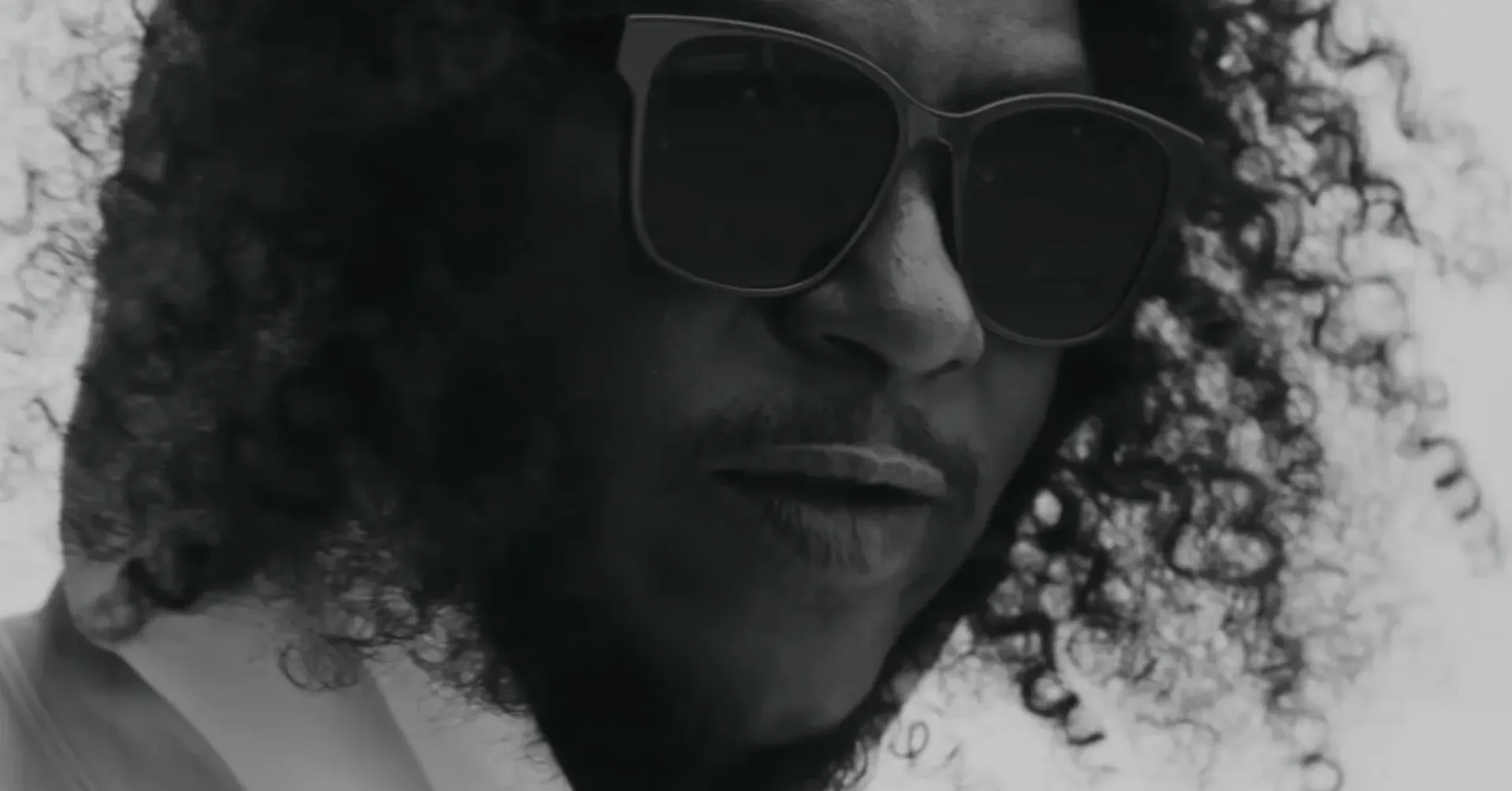
A fan unexpectedly reaching an artist onstage usually creates a brutally uncertain few seconds. The crowd sees movement; the performer has almost no time to interpret it. Is the person disoriented, excited, seeking attention, or presenting an immediate threat? At a recent Back to the City Festival performance in Johannesburg, Ab-Soul found himself in exactly that sort of moment when a fan made his way onto the stage and approached him.
The rapper, also known as Soulo, initially appeared surprised by the sudden arrival. That is the appropriate human reaction to an unauthorized person entering a performer’s space. But the interaction took a gentler turn once it was apparent that the fan was overwhelmed and emotional rather than confrontational. Ab-Soul listened, embraced the fan and allowed the moment to sit briefly before the fan returned to the audience.
It is an affecting image precisely because it does not erase the unsettling part that came first. A fan crossing onto a stage is a security failure and a personal-boundary violation, no matter how heartfelt the intent proves to be. Ab-Soul’s response can be compassionate without making the route taken acceptable.
A brief moment of grace in an inherently uncertain situation
Live performance creates a peculiar kind of closeness. An artist may be visible from only a few feet away, speaking between songs and responding to the room in real time, while still being separated from the crowd by a boundary that needs to hold. A stage is not merely a platform; it is a working area where performers, crew and security need to be able to anticipate who is present.
That context makes the first seconds of this incident important. The person who reached Ab-Soul was unknown to him. The performer could not know the fan’s intent just because the audience later understood the emotion behind it. The reported video prompted questions online about how the fan was able to reach the stage before security stepped in, and that concern is reasonable.
What changed the mood was not the rush itself, but Ab-Soul’s decision after he had enough information to read the situation differently. Rather than immediately escalating the encounter in public, he gave the fan room to communicate. When the fan’s distress became clear, he responded with an embrace.
That is a meaningful distinction. Compassion is not the absence of caution. In this case, the warmth of the moment followed an initial surprise and depended on Ab-Soul’s own assessment that the fan was emotional rather than aggressive. Viewers should not take a moving outcome as a template for recreating the circumstances.
Why the interaction resonated
Artists are often discussed as if the relationship with their audience travels in one direction: music goes out, admiration comes back. Incidents like this reveal how intensely personal that relationship can feel to an individual listener. The fan appeared to struggle to compose himself after reaching the artist, suggesting that meeting Ab-Soul had become emotionally overwhelming.
Related coverage includes Ab-Soul Embraces Emotional Fan After Stage Rush in Johannesburg.
That reaction has particular resonance around an artist whose work is associated with difficult subjects, including grief, survival and the untidier realities of being alive. Music can give listeners language, company or recognition when ordinary conversation does not. None of that grants someone the right to enter a stage uninvited, but it can help explain why a meeting can carry such visible force for a fan.
Ab-Soul’s decision not to reduce the person to the disruption is therefore the detail people are likely to remember. He did not turn a tense, potentially humiliating situation into a spectacle at the fan’s expense. He recognized the emotion in front of him and answered it with a few seconds of human reassurance.
That does not make this a story about a flawless fan encounter. It is a story about an artist making a humane choice after an unsafe entrance. Both truths should remain in view.
Stage access is not a shortcut to connection
There is a useful line between appreciating the outcome and learning the wrong lesson from it. Fans who want to communicate appreciation have many respectful options: attend the show, support the music, participate in sanctioned meet-and-greet opportunities when they exist, or simply let the performance be the point of contact. None requires forcing an unplanned encounter with the artist.
The practical stakes extend beyond the performer. Crew members and security personnel must react quickly without full context, and their split-second decisions affect everyone in the immediate area. A stage intrusion can interrupt a performance, distract a performer during a physically active moment, and create a wider rush of movement if other attendees follow. Even when one person’s intentions are nonviolent, the disruption can make it harder to distinguish danger from enthusiasm.
There is also no universal “right” reaction for an artist. Some may step away, signal security, pause the show or end the interaction as soon as possible. Those choices are not coldness. They are reasonable responses to an unexpected breach of personal and workplace safety. The same is true for security intervening quickly; it is not an insult to a fan’s feelings to maintain the boundary that protects the artist, crew and crowd.
Ab-Soul’s response was personal to the circumstances in Johannesburg. Its power comes from the fact that it was his choice, in that moment, after he determined the fan needed comfort. It should not be read as a general invitation for audiences to test whether another performer will respond the same way.
The value of letting an emotional moment stay human
There is an understandable tendency for clips from concerts to become binary online debates: either the fan is framed as wholly innocent or the artist is judged against an impossible standard of perfect composure. The more honest reading here is more complicated. The fan crossed a line. Ab-Soul was caught off guard. Once the situation appeared safe enough to de-escalate, the rapper chose reassurance over punishment.
That sequence matters. It acknowledges safety without stripping the fan of dignity, and it acknowledges the fan’s emotion without pretending the access was harmless. In a setting built around spectacle, that restraint is what makes the exchange feel unusually sincere.
For an audience watching from a distance, the takeaway is not that proximity must be earned through a dramatic interruption. It is that meaningful artist-fan exchanges are strongest when consent, space and safety are intact. The embrace in Johannesburg was memorable because Ab-Soul made room for it; it was not something the fan was entitled to receive.
Music fandom can be deeply emotional, and that is often part of its value. A song may be tied to a difficult period, a memory, a loss or a sense of perseverance that an artist will never fully see from the stage. The responsibility of the audience is to carry that feeling without placing the artist or others in an avoidable danger. In this instance, Ab-Soul met a fan’s emotion with grace after an alarming start, leaving behind a moment more tender than the entrance suggested.
For more music-pop-culture coverage, see Drake and Don Toliver’s “Solar Eclipse” Hits No. 5, Giving Toliver a New Hot 100 Peak.