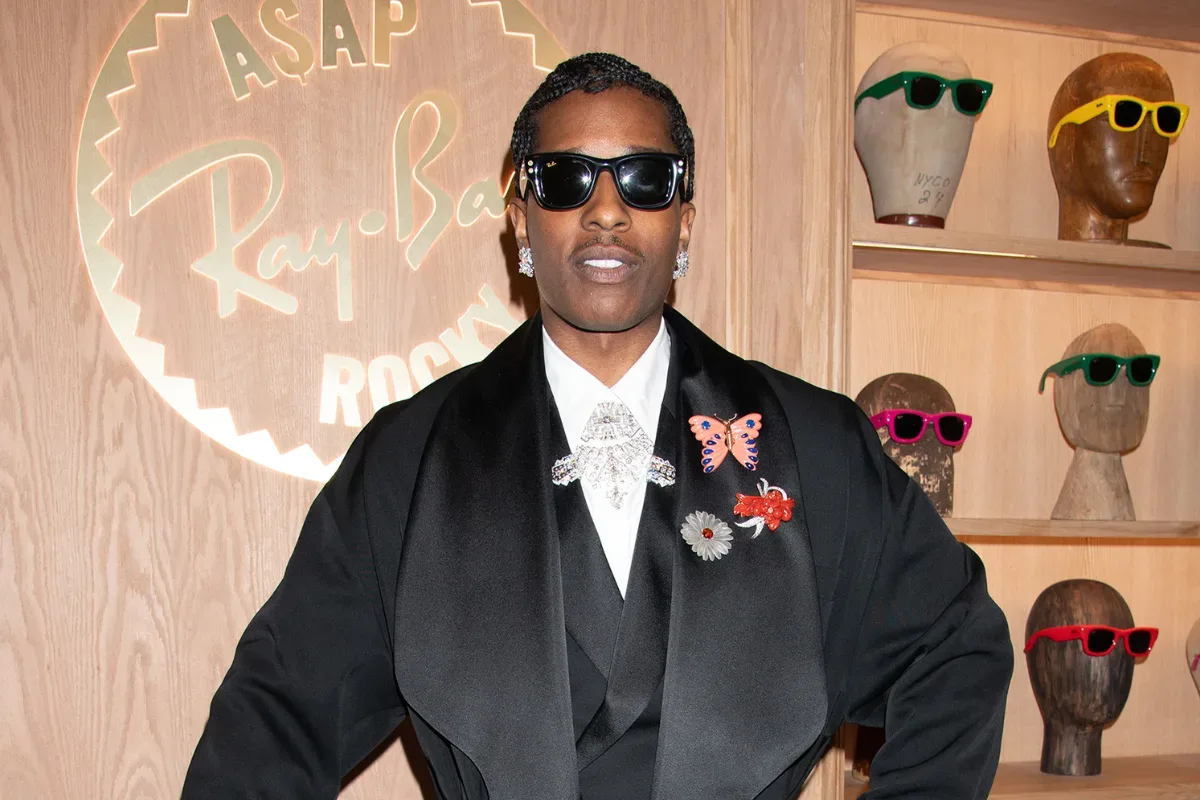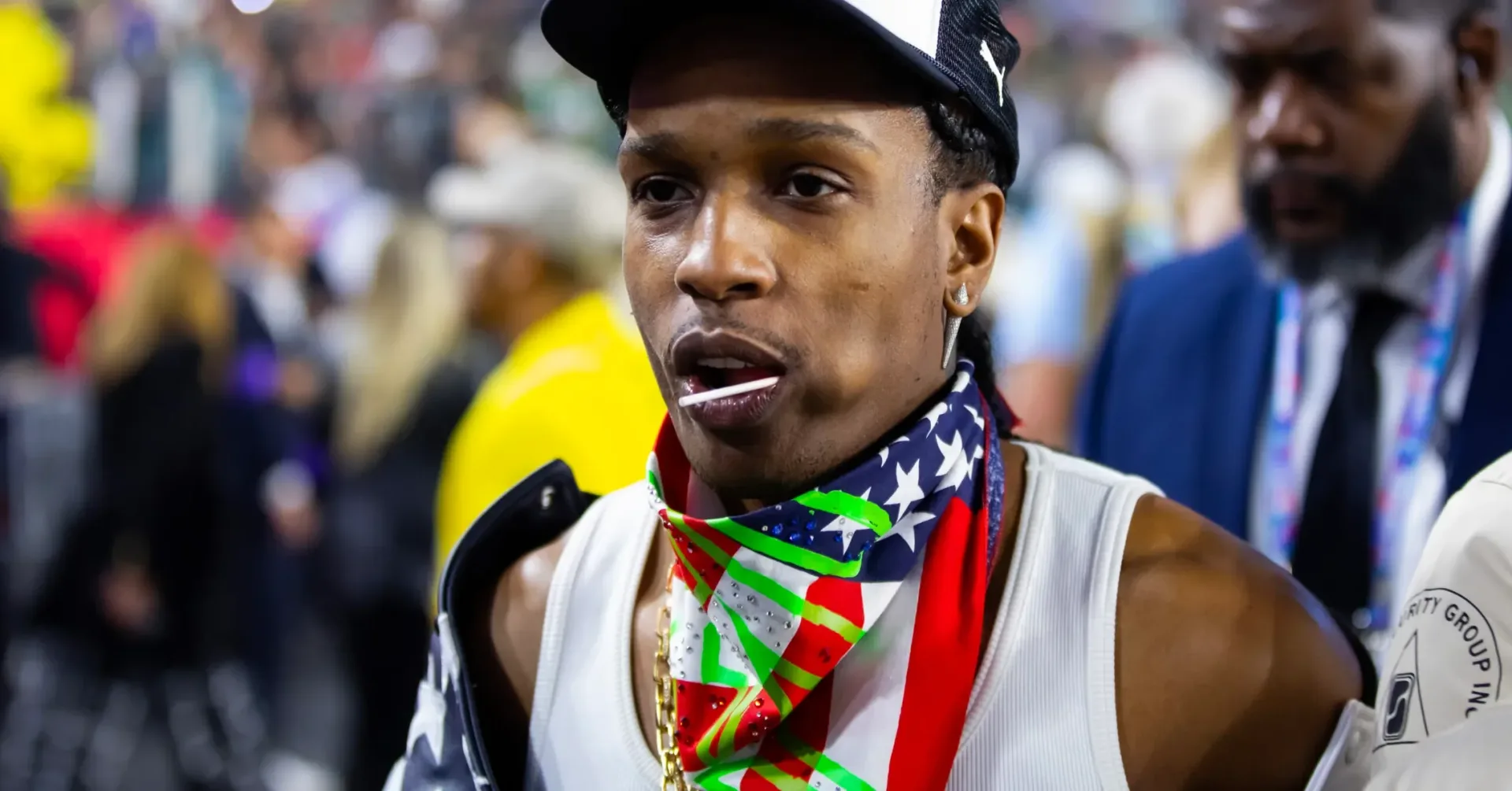
A$AP Rocky is not treating a Grammy as an imaginary bonus prize for Don’t Be Dumb. The rapper has said he made the album with that outcome firmly in mind, framing a first win as a milestone that would validate the work behind a project that arrived after a lengthy gap between albums.
It is an unusually direct articulation of awards ambition from an artist with no shortage of other career markers. Don’t Be Dumb debuted at No. 1 on the Billboard 200 in January, becoming Rocky’s first chart-topping album in more than 10 years. He also returned to major touring after seven years away, with 60 dates sold out. Yet the Grammy remains conspicuously absent from his résumé—and Rocky is not pretending otherwise.
“I worked so hard on this, and I intentionally wanted to win one,” Rocky said of the project.
The statement matters because it gives a clearer lens for the album’s campaign, its broad creative presentation and the categories being pursued for the 2027 awards. It also makes the distinction between commercial success, live-draw power and awards recognition impossible to ignore. Rocky’s argument is not that an award creates an audience. The sold-out dates are evidence that the audience is already there. Rather, he sees a Grammy as a form of institutional acknowledgment that could mark the transition into his next chapter.
A long-running gap in an otherwise prominent career
Rocky has been one of rap’s best-known figures for more than a decade, but he has not won a Grammy. His prior nominations include Best Rap Song for “F***in’ Problems” in 2014 and Best Music Video for “L$D” in 2016. “Tailor Swif” returned him to the Best Music Video field in 2025, but it did not result in a trophy.
That history puts the current push in perspective. A nomination is recognition by the Recording Academy’s voting process, but it is not a win; likewise, a high-profile career, a No. 1 debut and a successful arena run do not automatically translate into a Grammy. Rocky’s comments acknowledge that divide rather than smoothing it over.
The eight-year wait between albums also raises the stakes around Don’t Be Dumb. A long album cycle can create room for anticipation, but it can also shift attention, expectations and the standards by which a return is judged. In this case, the album’s chart result and the scale of the live run suggest that the time away did not erase demand. For Rocky, though, those outcomes appear to be part of the case for awards recognition, not a substitute for it.
What is reportedly being entered for 2027
Don’t Be Dumb has reportedly been submitted in Album of the Year and Best Rap Album, alongside several production and packaging categories. “PUNK ROCKY” is being pursued for Record of the Year, while “STAY HERE 4 LIFE,” featuring Brent Faiyaz, has been entered for Song of the Year.
Related coverage includes A$AP Rocky Says ‘Don’t Be Dumb’ Was Made With a Grammy Goal.
Those category names are easy to blur together, but they recognize different things:
- Album of the Year concerns the overall album achievement and is one of the Grammy Awards’ broadest, most prominent categories.
- Best Rap Album places the project specifically within rap, making it the more genre-focused album lane of the two reported submissions.
- Record of the Year recognizes a recorded track as a performance and production. It is distinct from Song of the Year.
- Song of the Year recognizes songwriting, rather than the recording as a whole.
- Production and packaging categories can acknowledge work surrounding an album beyond its songs, including elements of its physical or visual presentation where applicable.
Being entered or submitted is only the first procedural step, not a guarantee of a nomination. First-round voting is scheduled to run through October 22, and nominations are due November 16. That makes the coming weeks central to whether Rocky’s intention turns into a place on the final ballot.
The campaign’s scope also indicates that Don’t Be Dumb is being positioned as more than a conventional rap release. The reported Album of the Year and general-field song and record entries place it in competition beyond a single genre category, while the packaging and production entries make room for the project’s wider aesthetic work.
The album, videos and tour as one creative framework
Rocky has described his live presentation as “performance art in a Hip Hop formation,” a phrase that explains the importance he places on the show’s staging and concept rather than treating the tour as a simple run-through of the catalog. His claim that the 60-date run sold out is also the practical side of that vision: elaborate ideas need an audience willing to show up for them.
The same expansive approach has shaped Don’t Be Dumb. Tim Burton was brought into the album’s visual world, and Danny Elfman worked with Rocky. Elaborate videos and alter egos further extend the project beyond audio alone. Based on the available details, those collaborations and visual devices are not being presented as detached promotional extras; they are part of the way Rocky is defining the album’s identity.
That approach may be particularly relevant to the production and packaging categories reportedly being pursued. It does not establish a nomination or predict how voters will respond. It does, however, show that the campaign is aligned with a project designed to have a visual and theatrical footprint. Rocky’s description of the tour reinforces the point: he is arguing for a body of work with multiple formats, from recording and visuals to a large live production.
There is a useful contrast here with the album’s commercial story. A chart debut measures concentrated consumption in a given period. Sold-out dates measure demand for tickets and the ability to bring people into a shared physical space. Grammy recognition comes from a voting process and depends on a different constituency entirely. None of those outcomes means exactly the same thing, even when they all feed into the public story of a release.
Rocky’s own framing seems built around that difference. He cited the arena turnout while noting that Grammy winners do not necessarily sell out arenas. The implication is not that one benchmark cancels another. Instead, he is making the case that his work has already demonstrated reach and ambition, and that a Grammy would add another kind of validation.
More music is scheduled before voting closes
“Mushroom Clouds” is set to arrive October 16, one day after Rocky’s comments were published, as he starts the move toward Don’t Be Dumb – Disc 2. The timing means additional music is planned before first-round Grammy voting finishes.
It remains unclear what role, if any, the new release will play in the awards campaign. The provided information establishes its release timing and its connection to Disc 2, but not its eligibility, category plans or whether it will alter the submissions already reported. Still, the rollout ensures that Rocky’s attention is not confined to looking back at the album’s January debut while the awards process unfolds.
For fans, the immediate practical takeaway is simple: the Grammy pursuit sits alongside a continuing release plan, not after it. For the industry narrative around Rocky, the more notable development is his openness. He has a No. 1 album, a sold-out return to touring and an elaborate visual identity for the project, but he is plainly still chasing the award that has eluded him.
That candidness lands differently because the target is specific. Rocky is not vaguely talking about legacy; he is talking about a first Grammy, a project intentionally shaped with that goal, and a ballot strategy that reaches from rap categories to major general-field awards. Whether voters ultimately agree will be determined after nominations arrive, but the purpose behind Don’t Be Dumb is no longer ambiguous.
Rocky’s current awards pursuit also arrives amid ongoing conversations around his wider rap legacy, including a recent public dispute over claims related to Playboi Carti’s rise. That separate discussion around A$AP Rocky’s influence underscores why a Grammy would carry symbolic weight for an artist whose impact has often been assessed through more than award totals.