There are celebrity feuds, there are rap feuds, and then there are the uniquely online feuds that refuse to log off even when the stakes turn serious. As jury deliberations were expected to begin following closing arguments in Lil Durk’s case, 6ix9ine used a stream with DJ Akademiks to direct fresh mockery at the Chicago rapper.
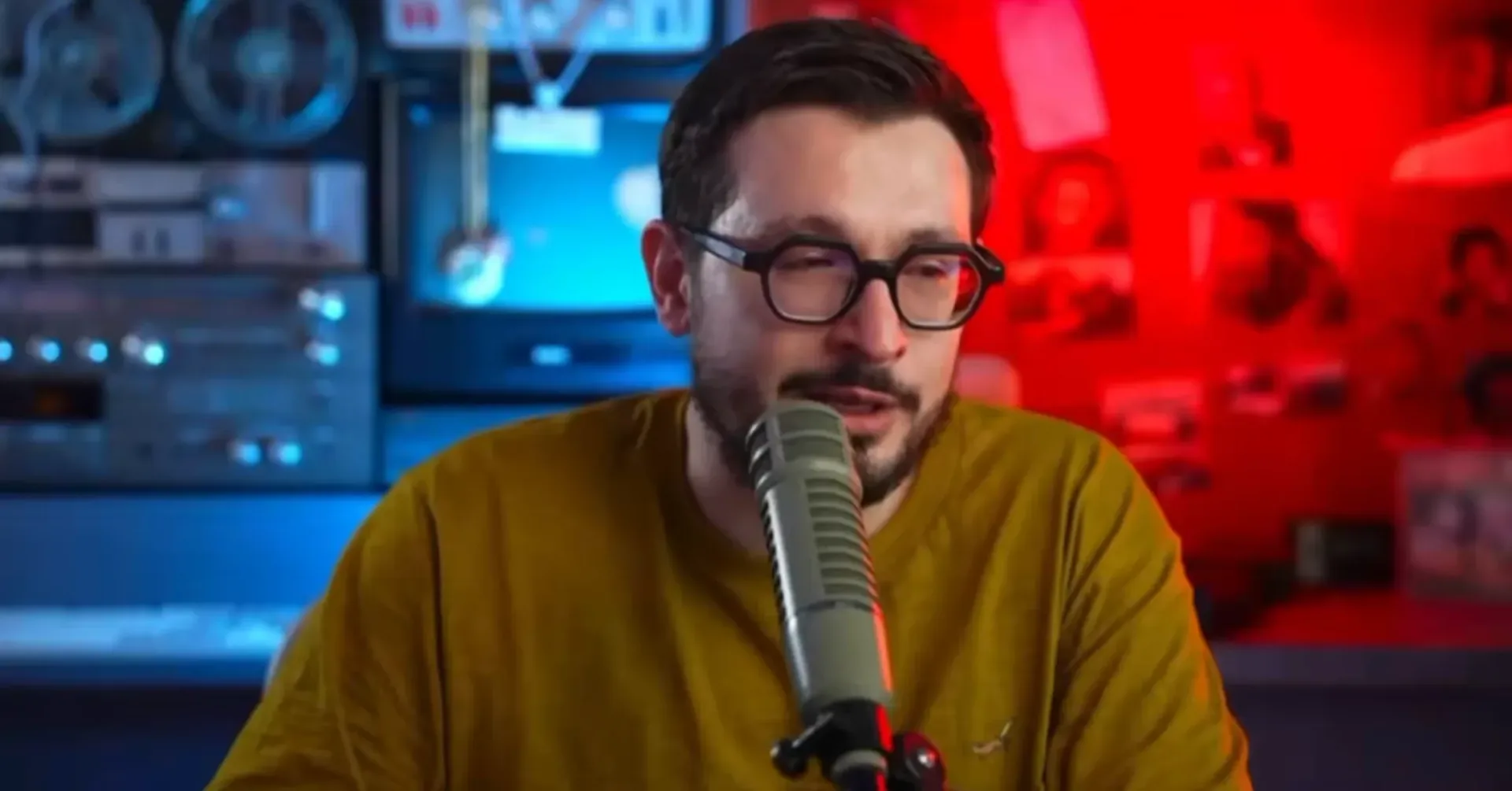
The immediate catalyst was music. During Akademiks’ Kick stream, 6ix9ine sang lyrics from Lil Durk’s “Laugh Now Cry Later,” framing the selection as a taunt while he appeared confident that the coming legal outcome would go against Durk. Akademiks quickly identified the performance for what it was: trolling. He also ribbed 6ix9ine over the delivery, saying Durk is the better artist.
It was a small moment in terms of runtime, but it landed at a particularly sensitive point in a long-running public dispute. Closing arguments had ended, deliberations were anticipated that morning, and the possibility of a verdict arriving the same day remained open. At that stage, however, no outcome was known. Lil Durk supporters continued to argue that the defense had established reasonable doubt, while 6ix9ine’s stream behavior suggested he expected the opposite.
A feud that keeps finding a new stage
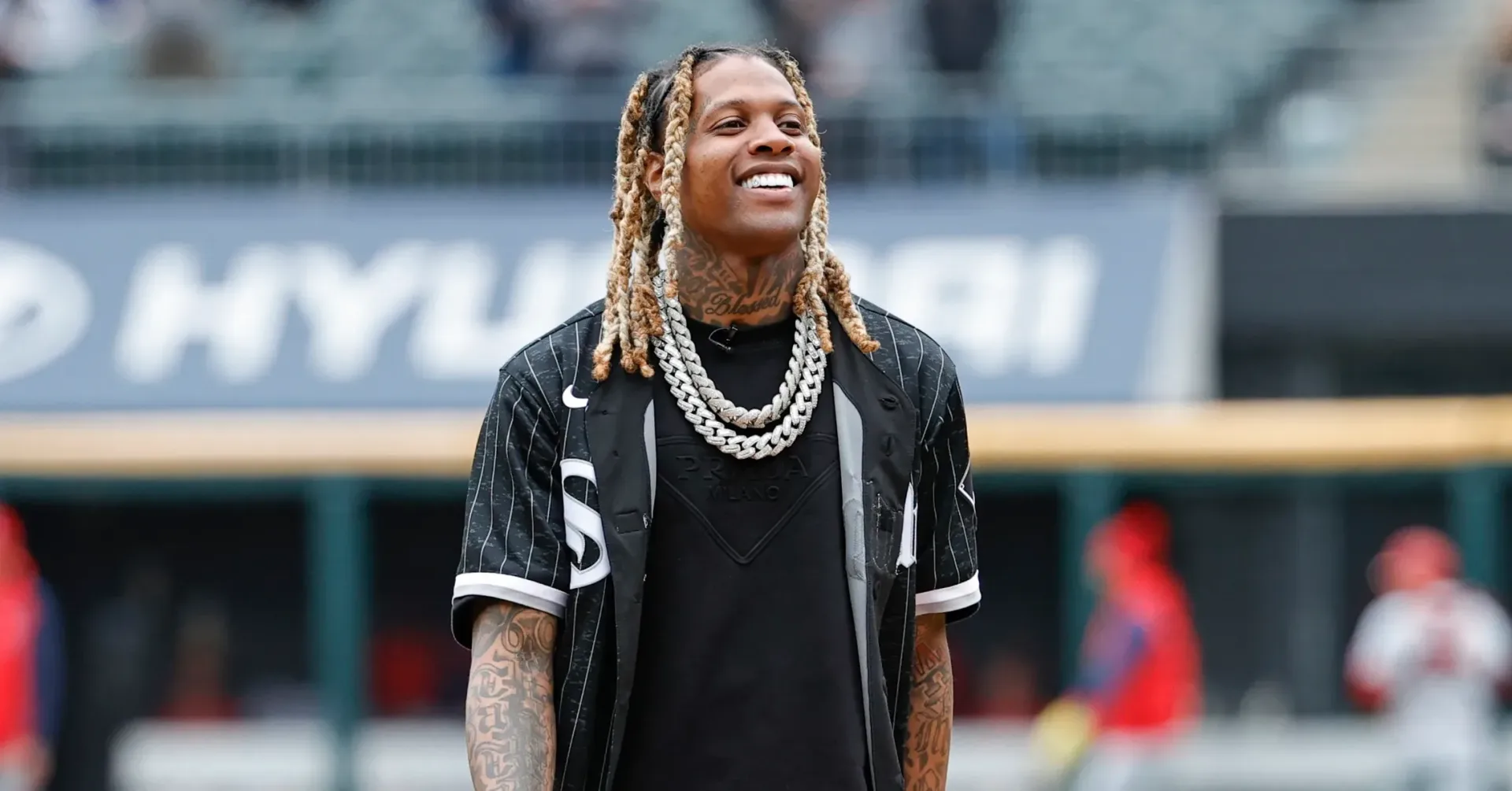
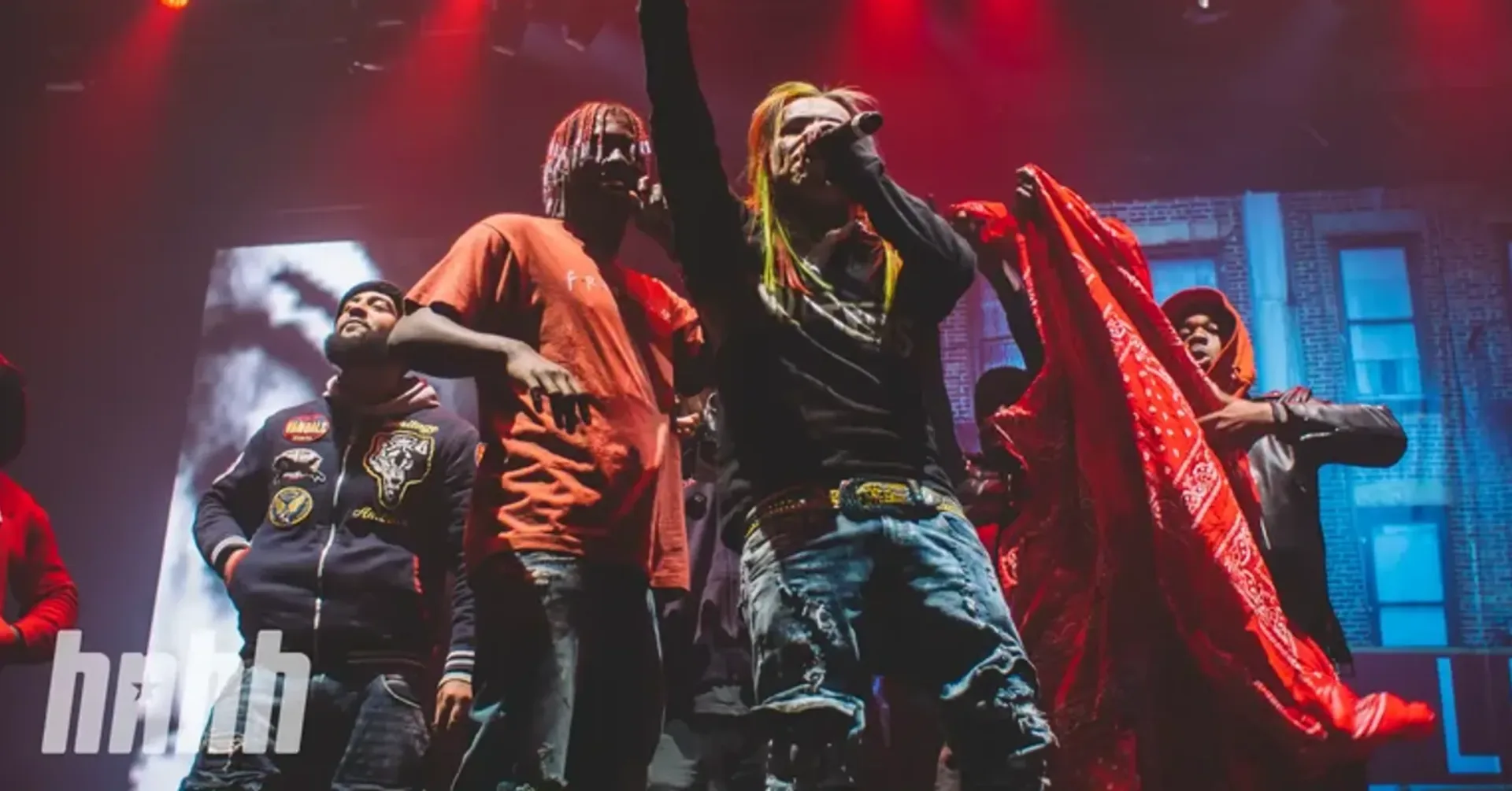
6ix9ine and Lil Durk have been on bad terms for years, though the antagonism has often been described as one-sided. Durk referred to 6ix9ine as a rat during his own RICO trial, a label that has remained central to the public friction between them. 6ix9ine, whose real name is Daniel Hernandez, has repeatedly shown that he does not intend to let the insult disappear into the ever-growing pile of rap-world arguments.
After leaving prison, 6ix9ine returned to a familiar online strategy: direct provocation, maximum visibility, and a willingness to involve himself in other artists’ most painful public circumstances. His past remarks about King Von’s death were especially controversial. He urged Lil Durk to “slide for Von,” turning a phrase tied to grief, retaliation, and hip-hop’s fraught real-world language into social-media ammunition.
Those comments did not remain contained to the usual ecosystem of clips, reposts, reaction channels, and comment sections. Remarks 6ix9ine made on Akademiks’ Off The Record podcast were used by the prosecution in court. That detail gives the current stream exchange a harsher context than an ordinary diss or a competitive chart argument. When a criminal case is underway, the separation between spectacle and consequence is not always as clean as social media makes it look.
That is why the “Laugh Now Cry Later” moment registers as more than a musician needling another musician. The song title itself is built for a taunt, and 6ix9ine’s choice was plainly pointed. But it also occurred at a time when the court process, not a livestream, was set to decide what came next.
Why the timing is the entire story
There is an old rule in the attention economy: timing can make even a brief clip feel enormous. 6ix9ine did not need a new diss track, a long speech, or an elaborate visual stunt. Singing a recognizable Lil Durk lyric just as a jury was preparing to deliberate created the kind of concise, instantly legible provocation that travels quickly online.
It also places the audience in an uncomfortable position. A stream has no courtroom rules, no evidentiary standard, and no obligation to wait for a verdict. It rewards speed, certainty, and reaction. A jury does the opposite. Jurors must consider what was presented at trial, apply legal instructions, and reach a decision through deliberation. The public can speculate; the jury has a responsibility.
That contrast matters. 6ix9ine’s apparent belief that Durk would lose is not an outcome, and neither the stream clip nor the surrounding chatter established how the jury would decide. At the time deliberations were expected to start, the result remained uncertain. Fans backing Durk argued the defense had done enough to leave reasonable doubt. Any confident prediction from the sidelines was still only a prediction.
For an entertainer whose public identity has long been tied to confrontation, that uncertainty may be part of the appeal. The troll’s advantage is that he can speak as if the ending is already written. If events unfold differently, the internet changes topics. If they unfold as predicted, the clip is recirculated as supposed foresight. It is a risk-free posture for the person commenting and a far more consequential reality for the people actually involved.
Akademiks becomes the reluctant referee
DJ Akademiks’ role in this episode is notable because he did not simply amplify the jab without response. He called 6ix9ine a troll and laughed at the quality of his attempt to rap the lyrics. The exchange preserved the loose, combative atmosphere associated with livestream culture while also making clear that the moment was not being presented as a serious musical showcase.
At the same time, Akademiks has been a recurring venue in the wider story. 6ix9ine’s earlier comments on Off The Record later appeared in court through the prosecution. That history means a new appearance involving a case-adjacent taunt naturally draws more attention than a random online conversation would.
Livestreams have become a major arena for music news precisely because they can blur these roles. Hosts can be interviewers, commentators, confidants, critics, amplifiers, and comic foils in the space of a few minutes. Guests can test a narrative in real time, watch viewers react, and generate a headline without producing a formal statement. The downside is equally obvious: emotionally charged situations can become content before anyone has had time to process their significance.
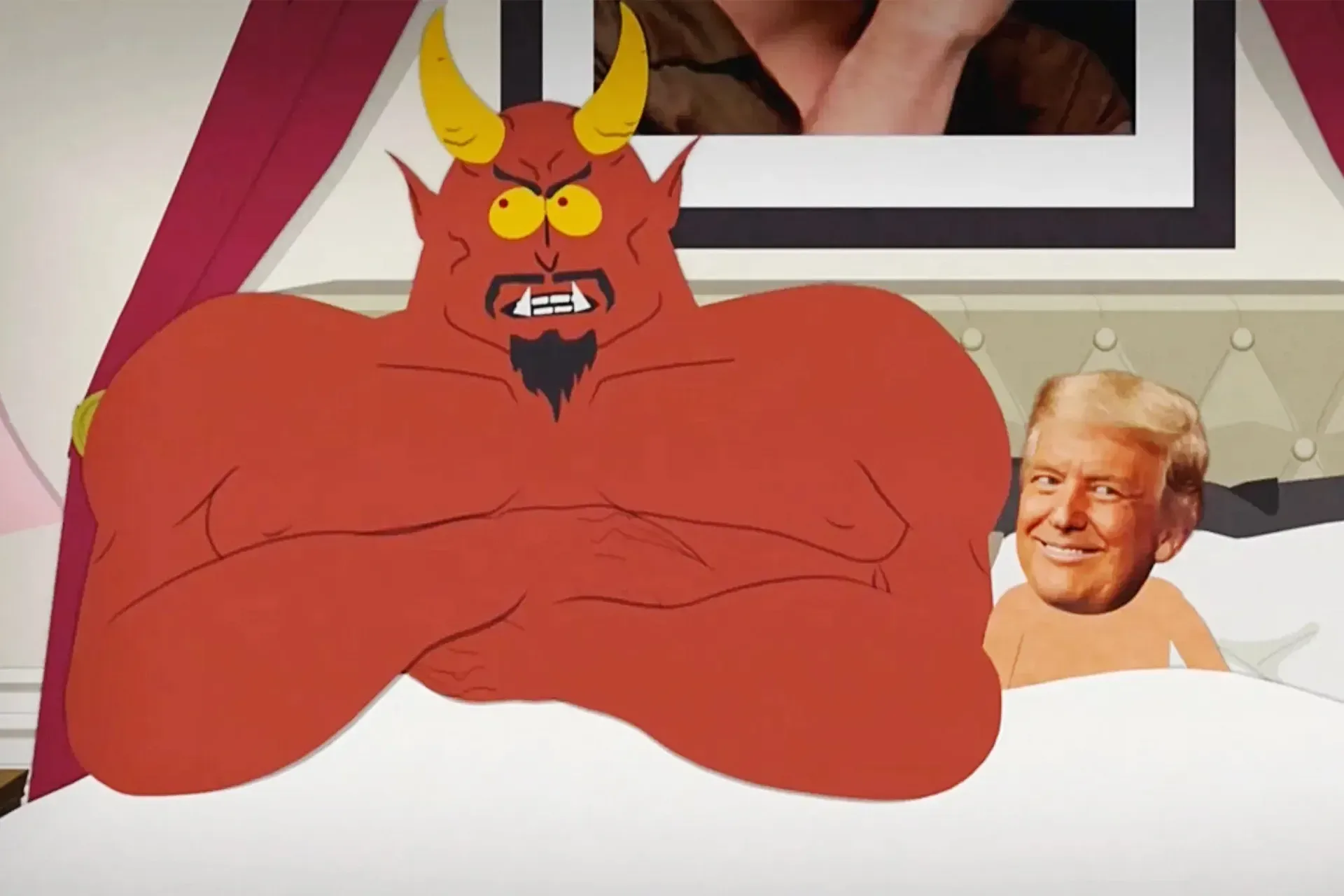
The pattern is not limited to rap, either. Pop culture increasingly treats ongoing disputes as serialized viewing, from public celebrity arguments to big-studio satire. That tendency is visible in very different forms of entertainment, including the political-media parody around South Park’s latest Trump-era satire. The important difference here is that this situation is connected to an active legal proceeding, which makes restraint and clarity more valuable than the usual feed-refreshing impulse.
The difference between a diss and a legal result
Rap has a long tradition of competitive language, coded references, direct insults, and rivalries that play out in songs, interviews, radio segments, and now livestreams. Listeners are accustomed to reading subtext, ranking punchlines, and deciding who “won” an exchange. A song lyric can be repurposed as a meme or a weapon in seconds.
But a jury room is not a battle stage, and deliberation is not a fan poll. The question before jurors is not who delivered a better line, who had the louder online supporters, or who can produce the sharpest viral reaction. It is whether the legal standard has been met based on the case they heard. That is fundamentally different from the social-media contest taking place around it.
6ix9ine’s latest stunt also shows how an artist’s catalog can become available for meanings the artist did not necessarily intend. “Laugh Now Cry Later” is Lil Durk’s song, yet 6ix9ine used its title and lyrics to frame a hostile message against him. That kind of reversal is common online: a phrase designed for one context gets detached, remixed, and pointed back at its creator. The result may be viral, but it also demonstrates how little control an artist has over a song once it becomes part of popular language.
What can be said now
The known facts are limited but significant. Closing arguments had concluded in Lil Durk’s case. Jury deliberations were expected to begin shortly afterward. No verdict was established at that point. On a Kick stream with DJ Akademiks, 6ix9ine sang from “Laugh Now Cry Later” while appearing pleased at the prospect of a negative outcome for Durk. Akademiks called the act trolling and criticized 6ix9ine’s rendition.
Everything beyond that should be approached carefully. A taunt is not a legal analysis. An artist’s visible confidence is not evidence of what jurors will do. Fan confidence in the defense is not a verdict either. The next meaningful development is the jury’s decision, whenever it arrives.
Until then, the stream moment stands as another entry in a feud that has repeatedly crossed from music talk into something more volatile. It is also a reminder that the most shareable reaction is not always the most important event. While 6ix9ine turns an opponent’s song into a trolling soundtrack, the real story remains with the deliberating jury and the process unfolding away from the livestream chat.