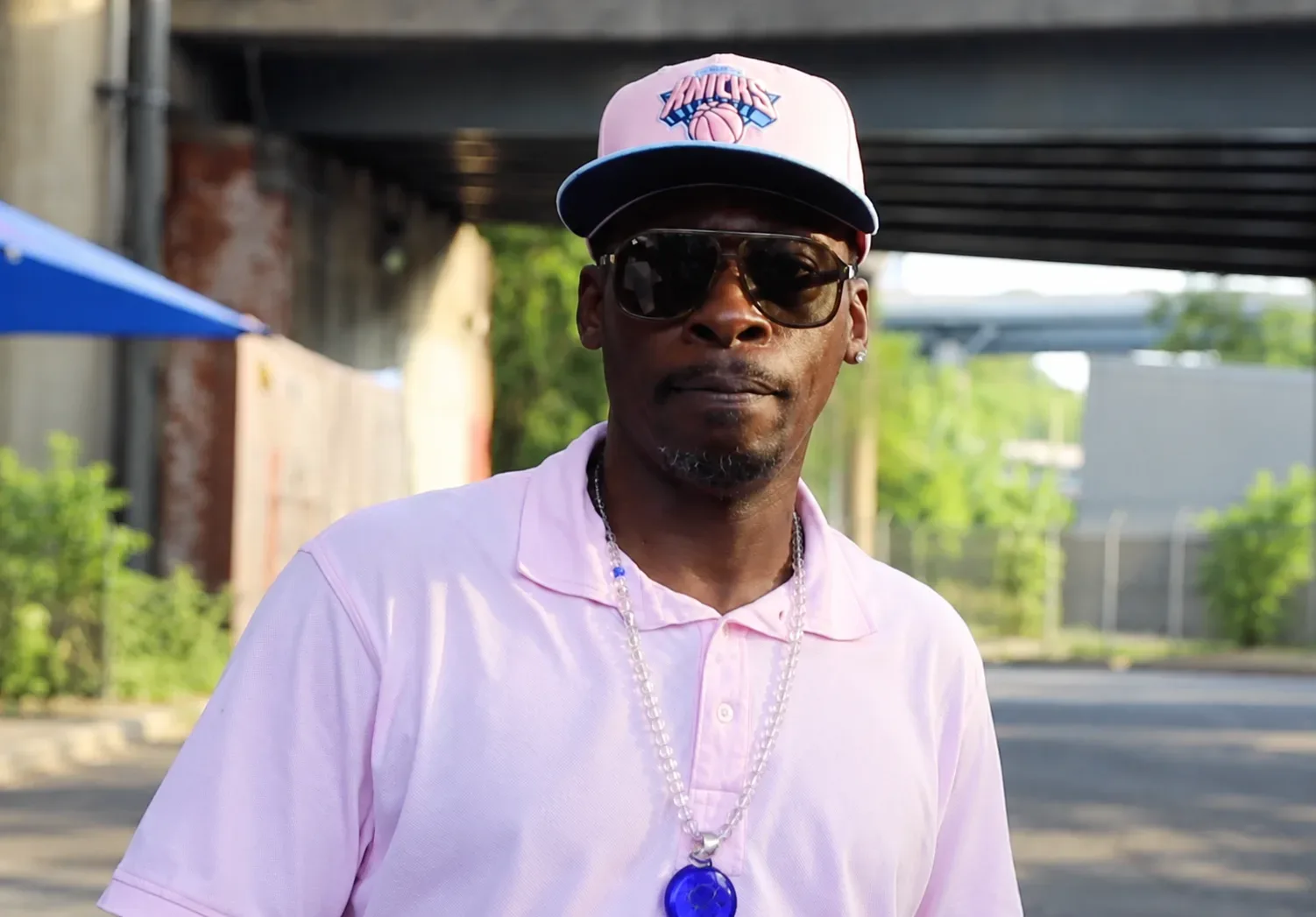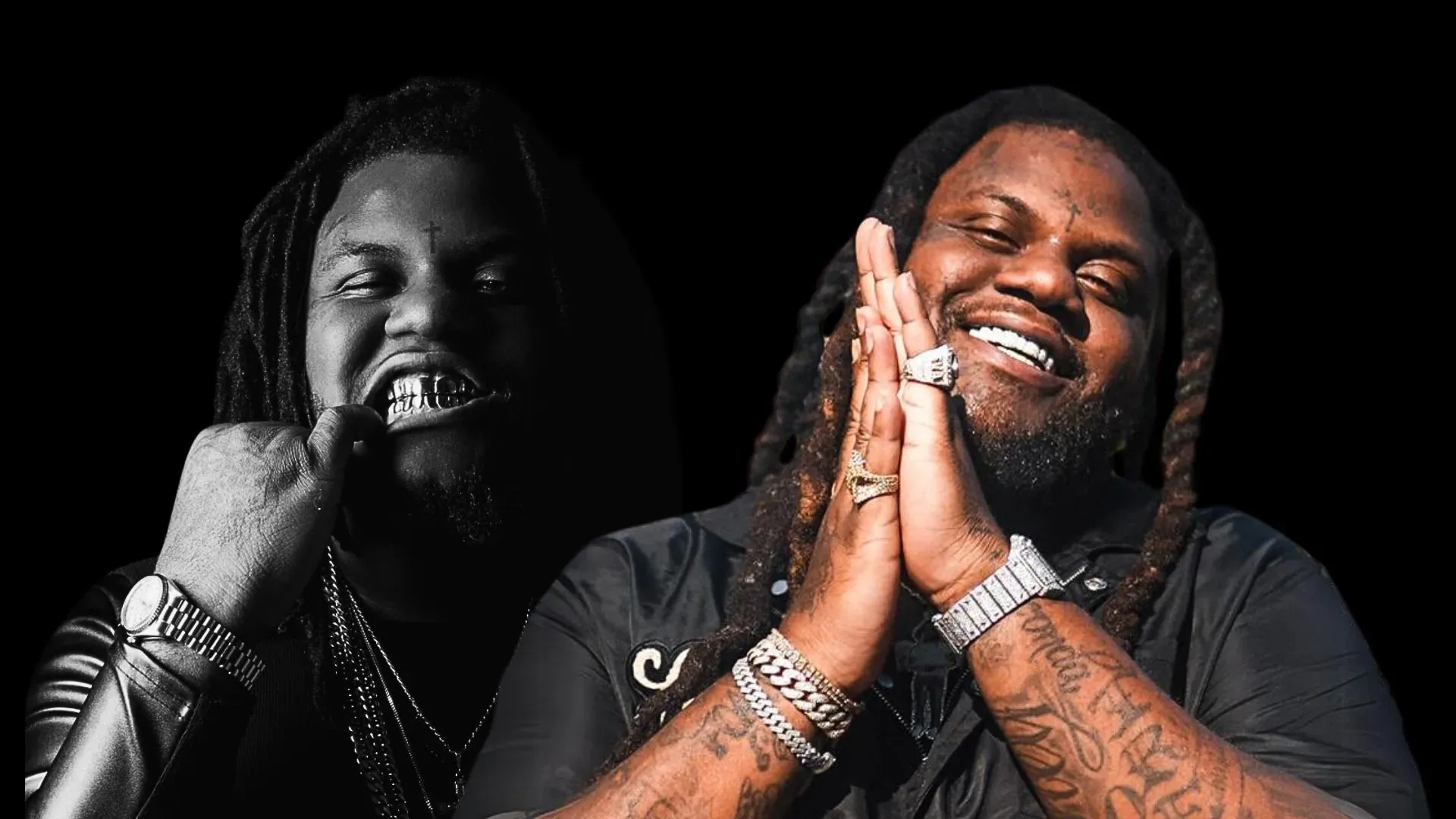
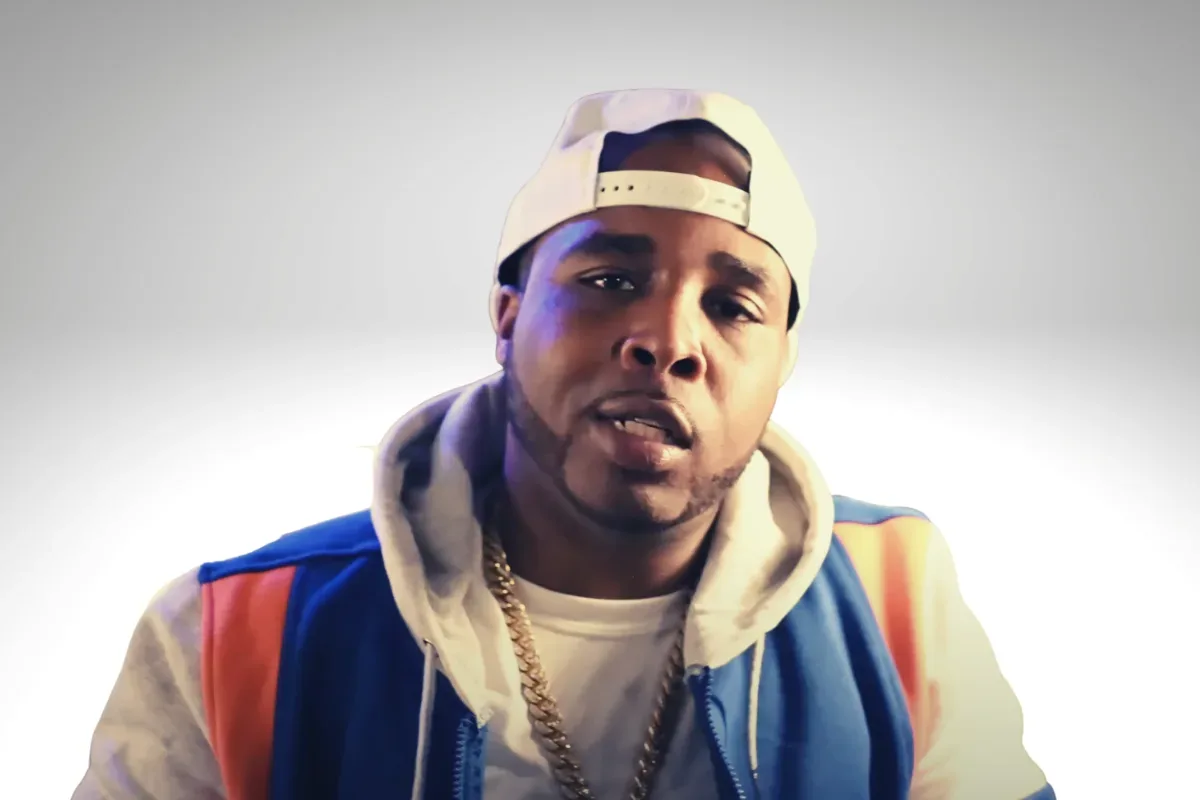
38 Spesh has shared the personal experience that led to “Aborted Child,” a song from Son of G Rap, his 2018 collaborative album with Kool G Rap. In a conversation on The Rap Dads Show, the Rochester rapper said the idea emerged during a difficult trip to Buffalo with a woman who was receiving an abortion.
His recollection centers on an uncomfortable period of waiting rather than a planned recording session. Spesh said his studio was roughly 15 minutes away, so he went there after the woman was called back. Once inside, a beat was playing, and he perceived a sound resembling a baby crying within the instrumental. That detail gave him the creative perspective for the record.
Spesh said lines came to him before he left to pick her up, while the beat remained in his head through the drive home. The experience and the instrumental ultimately became “Aborted Child.” It is an unusually direct illustration of how a song can begin: not with a long-plotted concept, but with a real event, an emotional reaction and a sound that supplies a point of view.
A song concept formed from an uneasy moment
The account is significant because it identifies the precise emotional setting behind the track without reducing it to a neat or celebratory origin story. Spesh characterized the situation as uncomfortable. His explanation does not frame the experience as a promotional anecdote; instead, it presents the record as a response to a moment that stayed with him.
In songwriting terms, a perspective is the position from which a lyric is imagined or narrated. It may belong to the artist, a fictional speaker, an observer or a person suggested by the title. Spesh’s memory of hearing a baby-like cry in the beat steered him toward the perspective used on “Aborted Child.” That connection between production and subject matter matters: the instrumental was not merely backing music added after the words were written. In his retelling, its perceived sound helped determine the song’s central idea.
That is also why the setting of the studio is important. Spesh did not describe sitting down with a predetermined assignment to write a topical song. The beat met an experience already carrying emotional weight. His recollection suggests that the combination made the record cohere quickly, as lines began arriving before the trip home and the idea developed into a full song.
Where “Aborted Child” sits on Son of G Rap
“Aborted Child” closes Son of G Rap, the 2018 album credited to Kool G Rap and 38 Spesh. Pete Rock produced the song. The supplied album details describe it as the fifteenth and final selection on the original track listing, while another supplied detail describes the original album as 10 songs running 27 minutes and names “Spesh Is Back” and “Del Lago” among its tracks. Those track-count descriptions conflict, but the closing placement of “Aborted Child” and Pete Rock’s production credit are consistent in the available information.
As an album closer, the song occupies a consequential spot. Closing tracks can function as an epilogue, a last statement of intent or an emotional shift after the earlier material. The available details do not establish exactly how the sequence was designed, so it would be speculation to claim a specific narrative arc for the album. Still, Spesh’s explanation gives the closer a distinct context: it grew from a personal event and an uneasy creative spark rather than simply from the collaborators’ shared rap pedigree.
Related coverage includes 38 Spesh Explains the Experience Behind ‘Aborted Child’.
Son of G Rap brought together a substantial group of producers. Alongside Pete Rock, its lineup included DJ Premier, The Alchemist, Daringer and Showbiz. Spesh also produced material himself, including “Upstate to Queens” and “Heartless.” The record’s guest appearances included AZ, Cormega, Ransom and Benny The Butcher.
Pete Rock’s involvement extended beyond “Aborted Child.” He also supplied the beat for “Flow Gods.” DJ Premier produced “Young 1s,” which paired Anthony Hamilton with Che Noir. The range of producers and guests shows that the album was assembled as a broad collaboration around Kool G Rap and Spesh, not a project confined to one sonic partnership.
Production can shape the writing, not just the sound
Spesh’s story puts attention on a basic but sometimes overlooked part of rap-making: the beat can influence the lyric’s subject, emotional temperature and delivery. A producer’s instrumental generally establishes components such as rhythm, melody, samples or other sonic textures. A rapper can then write over that framework, but the relationship often runs both ways. A particular detail in the music may prompt the artist to choose a different scene, voice or theme.
In this case, Spesh did not say that the instrumental literally contained a baby crying; he said it sounded that way to him. That distinction is important. The relevant fact is his creative perception of the beat and the direction that perception gave the song, rather than a technical claim about a confirmed sound embedded in the production.
The episode also underlines the role of timing. The studio was close enough for Spesh to go there while waiting, and a fitting beat happened to be playing at a moment when the trip was already on his mind. Creative work is often discussed only after it is complete, which can make songs seem inevitable. Spesh’s account instead describes contingency: a troubling real-life circumstance, time spent at a nearby studio, a sound that triggered an idea and a drive home in which the concept continued to take shape.
That does not make the subject easy, and the account should not be read as treating an abortion as a simple device for artistic drama. Spesh’s own description foregrounded discomfort. What it does clarify is why the record has the title and viewpoint it does, and how a difficult private circumstance became part of his writing process.
Family themes in later work
The interview also covered Spesh becoming a father at 19 after juvenile incarceration. That background places his comments about “Aborted Child” within a wider set of family-related subjects that have surfaced in his work and conversations.
Family was also central to Mother & Gun, released on August 16, 2024 through T.C.F. Music Group. In a 2024 conversation about that album and a film sharing its name, Spesh discussed both as tributes to his late mother. The music and film extended that subject across two formats.
There is no basis in the available information to treat Mother & Gun and “Aborted Child” as parts of a single storyline. They are separate works from different periods. But both show Spesh addressing family, loss and parenthood-adjacent concerns in public-facing creative contexts. The newer project honors his mother, while the older song came from an experience involving pregnancy and abortion that he found difficult to process.
For readers following rap artists who discuss the circumstances around their recordings, Spesh’s comments add concrete context to a track that might otherwise be known only by its provocative title and place on Son of G Rap. They also complement reports of other artists reflecting on the pressures that influence their work, including Don Trip’s account of finding a path forward during label strain.
What Spesh’s explanation clarifies
- “Aborted Child” was inspired by a trip to Buffalo with a woman receiving an abortion.
- Spesh said he went to a studio about 15 minutes away while waiting.
- A Pete Rock beat, including what Spesh heard as a baby-crying sound, helped create the song’s perspective.
- The track closes the 2018 Kool G Rap and 38 Spesh collaboration Son of G Rap.
- The broader interview also addressed Spesh’s early fatherhood after juvenile incarceration.
The central takeaway is not that every difficult event becomes a song. It is that Spesh has identified this event as the origin of this particular one. His explanation gives “Aborted Child” a specific creative history: an unsettled wait, a nearby recording room, a Pete Rock instrumental and an idea that continued to build until it became the finished record.