The 2026 Humanitas Prize winners put the spotlight on a broad range of screenwriting: intimate television comedy, survival-driven drama, limited-series storytelling, family films, shorts and documentaries. This year’s honorees were recognized at the Humanitas Prize Awards Show & Toast at Avalon Hollywood, an event hosted by actor, writer and comedian Ashley Nicole Black.
At the center of the awards is a simple but demanding idea: scripts can entertain while seriously engaging with the complications of being human. The honored work spans grief, illness, community, identity, disaster, survival and family bonds. Rather than limiting recognition to a single genre or format, the prize’s categories make room for a network medical drama, streaming comedies, animated family features and nonfiction projects alike.
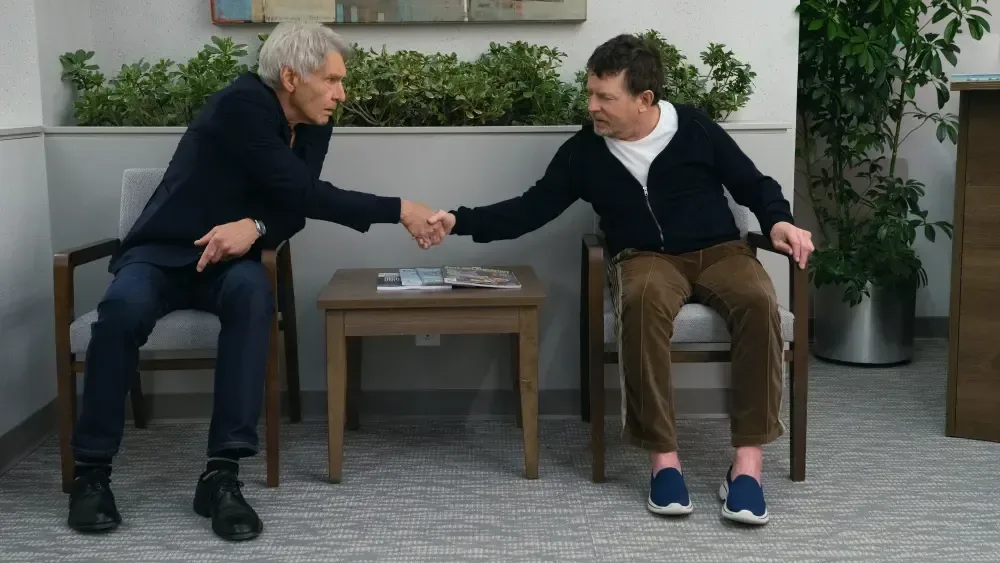
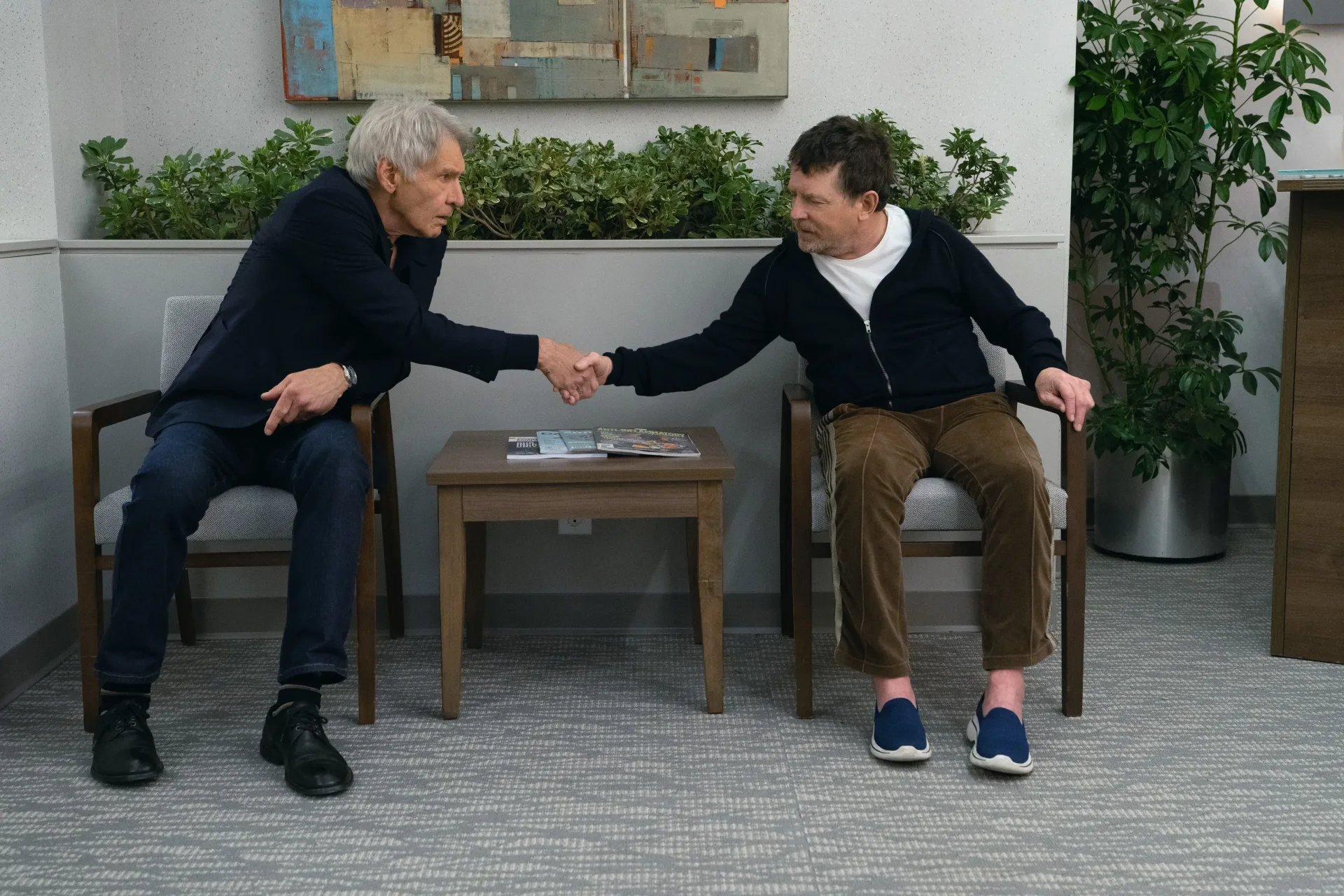
Among the television winners, Paradise took Drama Teleplay for its Season 2 premiere, “Graceland,” written by Dan Fogelman and Eric Wen. Shrinking won Comedy Teleplay for “My Bad,” credited to Brian Gallivan. That Season 3 opener furthered the show’s Parkinson’s storyline and included Michael J. Fox as a guest star. In Limited Series Teleplay, Selwyn Hinds won for the Washington Black episode “The Flying Man & the Musician.”
Television winners lead a varied slate
The Drama Teleplay award for Paradise went to “Graceland,” an episode built around post-apocalyptic survival and featuring guest star Shailene Woodley. Fogelman and Wen’s win came from a field that also included Allen MacDonald for Chicago Med’s “The Book of Charles,” Jess Righthand for Grey’s Anatomy’s “Sometimes I Feel Like a Motherless Child,” and Gianna Sobol for The Testaments episode “Stadium.”
Comedy’s winning Shrinking script, “My Bad,” stood alongside entries that show how elastic the category can be. The nominees included Justin Tan’s Abbott Elementary episode “Goofgirl,” Raphael Bob-Waksberg’s Long Story Short installment “Yoshi’s Bar Mitzvah,” and Chris Sheridan’s Resident Alien episode “The End is Here.” The win recognizes Gallivan’s work on an episode connected to a story thread involving Parkinson’s disease, a subject that calls for a particular balance of emotional directness and comedy.
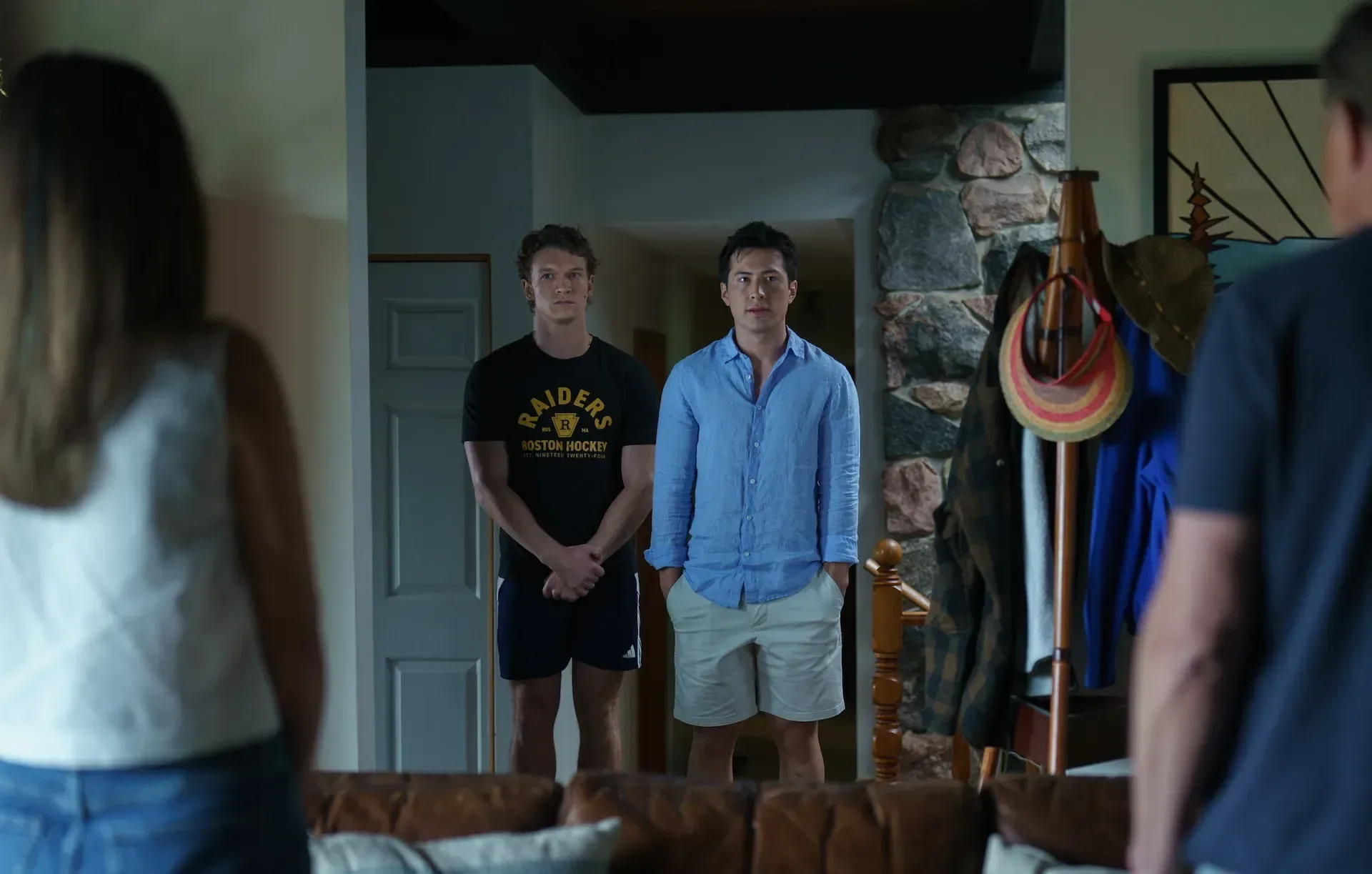
Washington Black won the limited-series category through Hinds’ “The Flying Man & the Musician.” The other recognized scripts in that category were Lee Sung Jin and Madeleine Pron’s Beef episode “Oh, The Comfort, The Inexpressible Comfort”; Steven Conrad’s DTF St. Louis episode “No One’s Normal. It Just Looks That Way from Across the Street”; and Cooper Raiff’s Hal & Harper episode “Are You Watching?”
For children’s television, Sean Presant won for Tab Time and its episode “When We Lose Someone.” The competing entries were Levi Abrino’s “Part 3” from E. B. White’s Charlotte’s Web, Mark B. Hodkinson’s My Brother the Minotaur episode “Lunacy and Lorcan,” and Tiffany Thomas’ The Proud Family: Louder and Prouder episode “The Shade of It All.” The category is a useful reminder that younger audiences are not exempt from big emotions; they deserve storytelling that approaches them with care.
Feature film awards span drama, comedy and family stories
Cherien Dabis won Drama Feature for All That’s Left of You. The remaining nominees were Martyna Majok for Preparation for the Next Life, Craig Brewer for Song Sung Blue, and Clint Bentley and Greg Kwedar for Train Dreams.
Related coverage includes 2026 Humanitas Prize Winners Include ‘Shrinking,’ ‘Paradise’ and ‘Washington Black’.
In Comedy Feature, the prize went to Rental Family, written by Hikari and Stephen Blahut. Also nominated were Eric Randall for A Nice Indian Boy, Will McCormack and Rashida Jones for The Invite, and Jay Duplass and Michael Strassner for The Baltimorons.
Grow earned Family Feature recognition for writers Nick Güthe, Christos N. Gage and Ruth Fletcher Gage. Its fellow nominees were Elio, credited to Julia Cho, Mark Hammer, Mike Jones, Adrian Molina, Madeline Sharafian and Domee Shi; Hoppers, by Jesse Andrews and Daniel Chong; and KPop Demon Hunters, by Maggie Kang, Chris Appelhans, Danya Jimenez and Hannah McMechan.
These film categories do more than sort projects by tone. Together, they recognize the distinct craft demands of a drama, a comedy and a story designed for families. A thoughtful family script has to work for viewers with different levels of life experience; comedy often needs to find humanity beneath a joke; drama has to sustain emotional stakes without reducing characters to easy answers.
Nonfiction and short-form work also receive major recognition
Amir Zargara and Gabe Berry won the Short Film prize for Vital. The other nominees were Valerie Alexander for Beyond Unstoppable, Shari Albert and Laura LeeLun for Double Happiness, and Stephanie Alison Walker and Paula Pizzi for The Birthday Gift.
In Documentary Feature, Tamara Kotevska won for The Tale of Silyan. The nominees included Ryan White, Jessica Hargrave, Tig Notaro and Stef Willen for Come See Me in the Good Light; Reid Davenport and Colleen Cassingham for Life After; and Benjamin Flaherty for Shuffle.
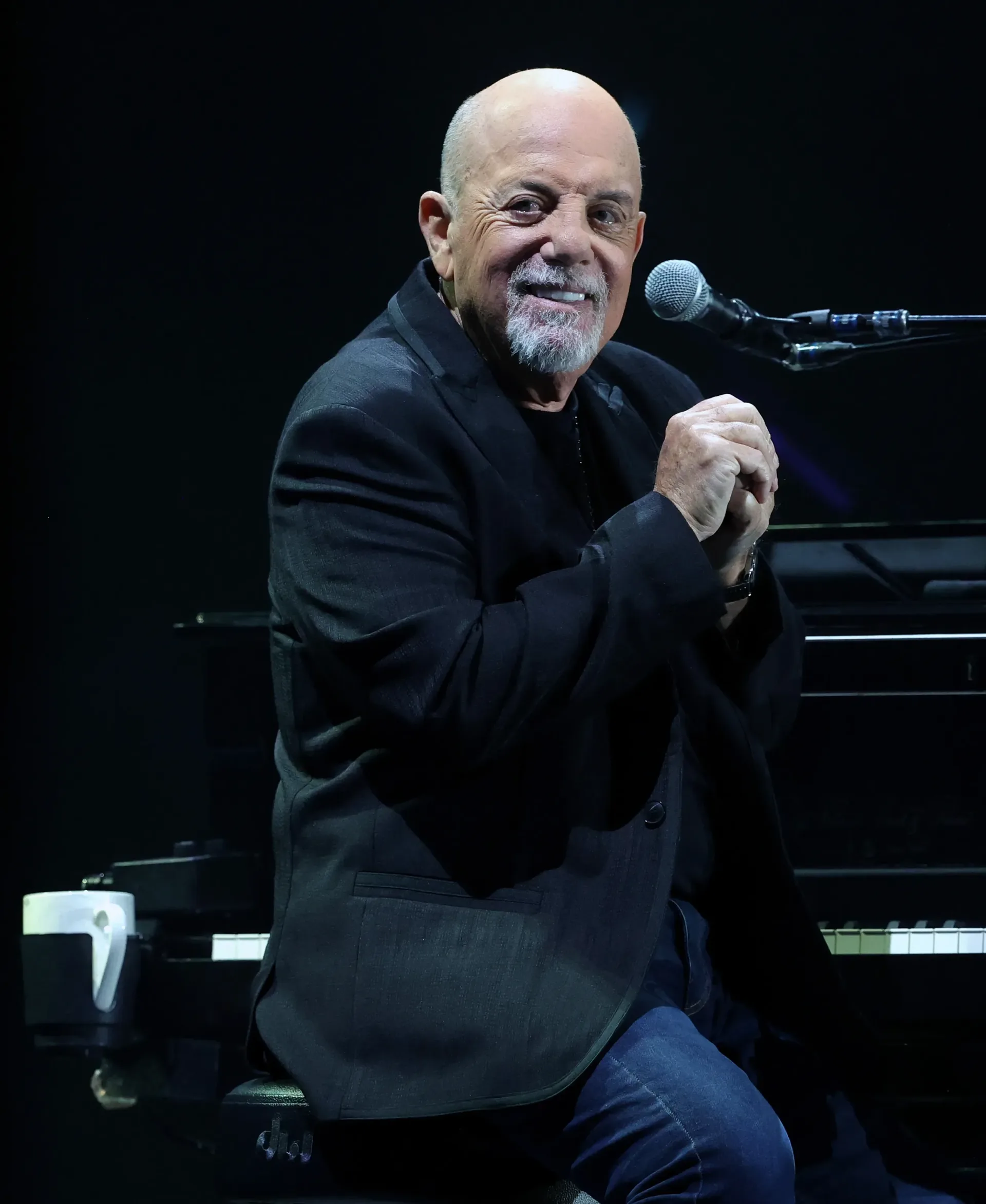
The Documentary Docuseries, Single Episode award went to Samantha Knowles for Katrina: Come Hell and High Water episode “Shelter of Last Resort.” Other nominees were Susan Lacy and Jessica Levin for “Part Two” of Billy Joel: And So It Goes; Judd Apatow, Michael Bonfiglio and Joe Beshenkovsky for Mel Brooks: The 99-Year-Old Man! Part Two; and Ryan Kelly and Nick Mascolo for Rise of the 49ers episode “We Built This City.” For more recent context around Joel, read Billy Joel’s update on his health and recovery.
Documentary writing has its own challenges. Writers and filmmakers shape a coherent narrative from real people, recorded history and events that cannot be revised to fit a cleaner dramatic turn. Honoring an individual episode alongside feature-length nonfiction acknowledges that a contained chapter of a larger docuseries can carry just as much responsibility and impact.
Winnie Holzman receives the Kieser Award
Winnie Holzman received the 2026 Kieser Award. Holzman created My So-Called Life and wrote Wicked. Marshall Herskovitz and Ed Zwick, executive producers of Thirtysomething, presented the honor. They had previously brought Holzman onto Thirtysomething as a writer and later served as executive producers on My So-Called Life.
The Kieser Award recognizes creators who have used substantial talent, work and resources to make transformative stories centered on shared humanity. Its past recipients include Greg Berlanti, Marta Kauffman, John Sacret Young, John Ridley, Jason Katims, Fay Kanin and Bill Moyers. Holzman’s recognition places a career of character-focused work within that lineage.
Fellowships and development awards invest in new writers
The event also recognized the 2026–27 New Voices Fellows: Christina Ingraldi, Leon Lee, Alana Saab, Finn Wagstaff and Keith Walker. The early-career television and screenwriters will take part in a six-month mentorship program, receive one-on-one guidance from writers and receive a $7,500 stipend along with additional benefits.
Two College Screenwriting Awards were also presented. Omid Iranikhah received the David and Lynn Angell College Comedy Award, while Lauryn Bedford received the Carol Mendelsohn College Drama Award. Each recipient will receive $20,000 and a script-notes session with a professional writer. Lauren Goodman of Snowfall and Hayley Tibbenham of Dutton Ranch, both program alumni, presented the artist-development awards.
Rae Benjamin received the Starz #TakeTheLead award, presented by screenwriter and producer Russell T Davies, whose credits include Doctor Who, Queer As Folk and Years and Years. Davies is also behind the forthcoming Starz series Tip Toe. The #TakeTheLead recognition is aimed at mid-career writers whose work advances stories by, about and for women and underrepresented audiences. Benjamin’s award includes $10,000 and mentorship from Starz executives.
Collectively, the 2026 honorees show the unusually wide reach of writing for the screen. A single awards roster can travel from Shrinking’s personal health storyline to the speculative stakes of Paradise, from children’s programming confronting loss to documentaries examining history, and from established writers to fellows still building their careers. The unifying factor is not a shared format, platform or genre. It is the emphasis on scripts that give people, and the experiences that shape them, serious attention.