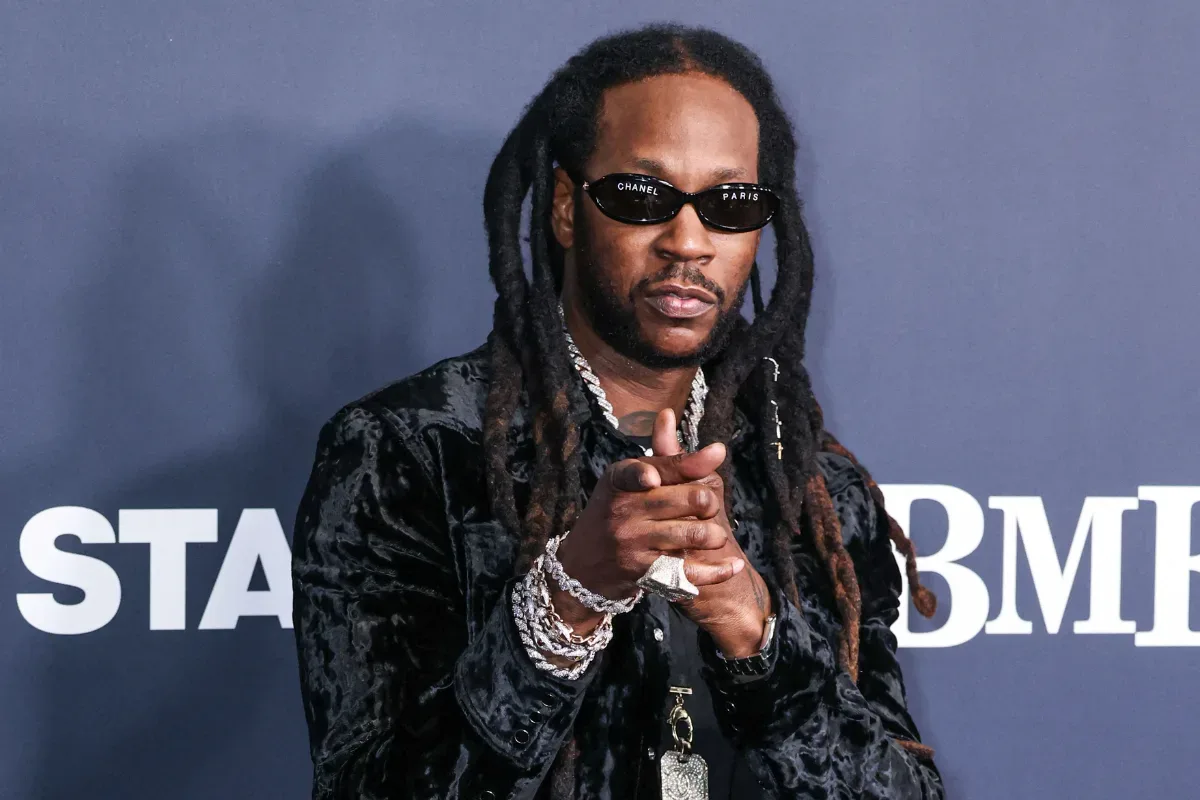
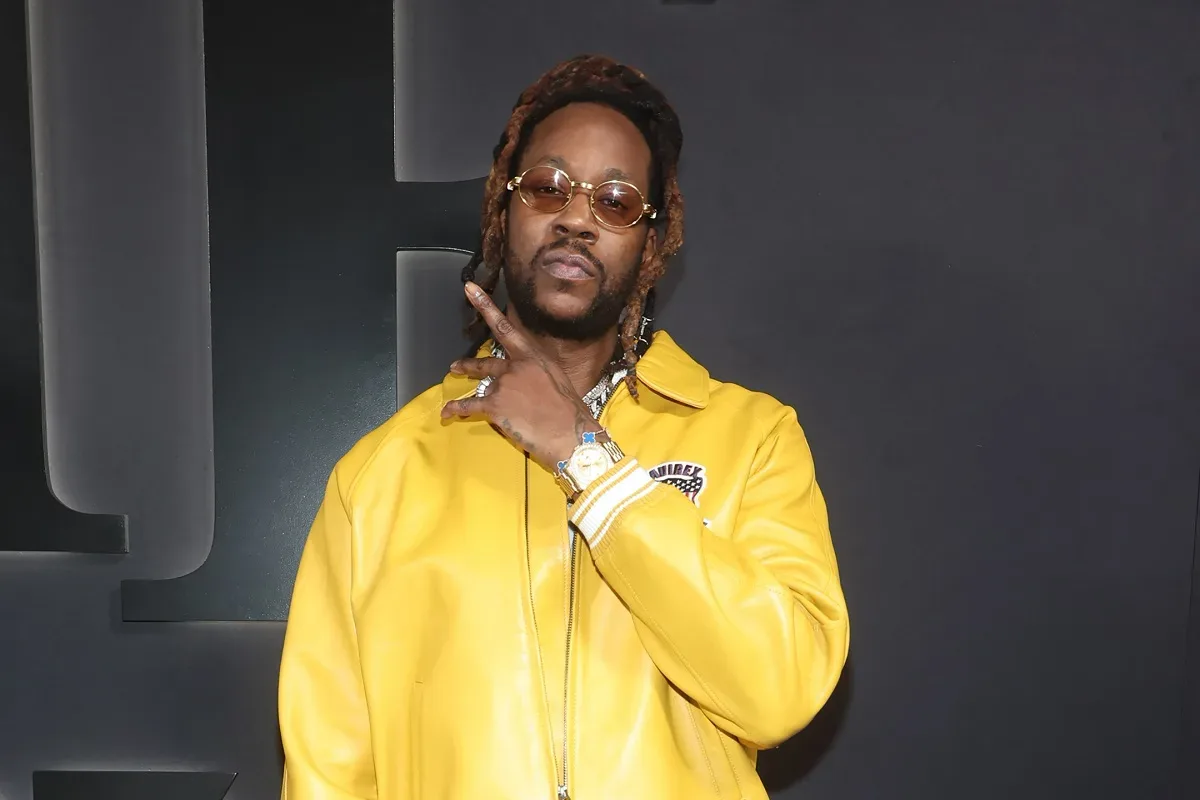
2 Chainz made a low-key stop at Jeff Ruby’s Steakhouse in downtown Cincinnati on November 7, but the restaurant’s warm public acknowledgment gave the visit an extra layer of context. The Atlanta artist ate at the steakhouse over the weekend, and the business later posted a photograph and message thanking him for coming in.
The image showed 2 Chainz in casual black clothing: a hoodie and sweatpants rather than an overtly formal dinner look. The restaurant described the evening as a pleasure and publicly welcomed the rapper, turning what may otherwise have been a private meal into a small local celebrity moment.
On its own, that is a straightforward restaurant visit. Its timing, however, is notable. Just days earlier, on November 4, 2 Chainz had apologized following disagreement around the subject of celebrity perks in restaurants and the different ways diners may be treated when staff recognize them.
A restaurant visit seen through a larger conversation
The underlying discussion emerged on Den of Kings with Kirk Franklin. It involved a contrast between the service afforded to famous guests and food critic Keith Lee’s established approach of sending family members into restaurants before workers know that a highly visible critic may be evaluating their experience.
That distinction matters because it focuses on an idea often called a blind visit or, in a broader sense, anonymous evaluation. The point is not simply to avoid attention. It is to assess whether a customer receives the same service a restaurant would provide without the perceived opportunity for publicity, positive coverage, or a celebrity endorsement.
In the days after the disagreement, 2 Chainz said that his words did not reflect his intended meaning and that he regretted offending people. The apology is important context, but it does not establish a connection between that exchange and his Cincinnati dinner. There is no indication that the steakhouse outing was arranged as a response to the debate, a review, or a public statement.
Still, the sequence naturally places two different restaurant experiences beside each other. In one, the broader concern is whether recognition affects treatment. In the other, a restaurant explicitly celebrates a recognized guest after hosting him. Those are not inherently contradictory events, but together they illustrate why the topic has drawn so much attention.
Recognition is not the same as a review
A restaurant posting about a celebrity customer is a familiar form of local promotion. It can be a sincere thank-you, a way to mark a memorable service, or a piece of social media content that connects a business with the surrounding community. None of that by itself says anything definitive about what happened during a meal or how the restaurant serves every guest.
Likewise, the public photo from Jeff Ruby’s Steakhouse should not be treated as evidence of special requests, special accommodations, or special treatment beyond the fact that the restaurant later publicly expressed appreciation for 2 Chainz’s visit. The supplied details do not describe the meal, staff interactions, what was ordered, or whether any aspect of the service differed from a normal dinner.
That boundary is useful because celebrity dining stories can quickly attract assumptions. A famous customer has a public profile; a restaurant has an understandable interest in recognizing the visit; audiences may then read a great deal into a single social post. The facts here are more limited: 2 Chainz dined at the Cincinnati steakhouse, the restaurant shared a photo and message, and the visit happened shortly after a separate conversation about how fame can shape hospitality experiences.
Why Keith Lee’s method became part of the issue
Keith Lee’s practice of using relatives before staff know he is involved is relevant because it tries to remove the influence of recognition. In hospitality, recognition can change the incentives around a visit. Staff may be more attentive, management may intervene more quickly, or a venue may devote added resources because it understands the customer’s visibility. Those responses may be generous, but they can also make it harder to judge the ordinary experience.
An anonymous visit is designed to narrow that gap. It does not guarantee that every meal is identical or that every conclusion represents every customer’s experience. Restaurants are staffed by people, and daily circumstances can differ. Instead, it aims to make the conditions closer to what an unrecognized patron might encounter.
The conversation surrounding 2 Chainz’s remarks touched on the tension between these models: the reality that celebrities are often received differently and the desire for an evaluation that measures a venue without advance knowledge of the evaluator’s identity. His subsequent apology acknowledged that the earlier comments had caused offense.
For diners, the practical takeaway is narrower than the online debate sometimes suggests. A public celebrity visit can spotlight a restaurant, but it is not automatically a comprehensive assessment of food, service, consistency, or value. A deliberate attempt at anonymity has a different purpose from a restaurant’s celebratory social post. Both can exist in the same dining culture, while answering different questions.
What the Cincinnati post does and does not show
The Cincinnati visit provides a clear snapshot of the visible side of celebrity hospitality. A recognizable artist came through a downtown restaurant, dressed casually, and was later thanked publicly. It shows that the staff and business regarded the occasion as worth commemorating.
It does not show whether the dinner was planned in advance, whether 2 Chainz sought privacy, whether the restaurant recognized him when he arrived, or what service procedures were followed. It also does not establish any relationship between him and the steakhouse beyond the visit described in the post.
Being precise about those limits is particularly worthwhile here because the earlier discussion was centered on perception. Once a story concerns celebrity privileges, ordinary public gestures can look like proof of larger claims even when they are not. A thank-you photo is just that: evidence that a restaurant chose to thank a well-known customer publicly.
There is also no reason in the available information to frame the Cincinnati meal as part of an ongoing dispute with Lee. The restaurant’s message was positive, and 2 Chainz’s public apology had already addressed the controversy around his earlier comments. The overlap is timing and subject matter, not a demonstrated direct link.
The broader pop-culture angle
Restaurants increasingly occupy a visible place in pop culture, where a celebrity meal can become a social post and a dining review can become a national discussion about fairness. That visibility creates opportunities for independent venues and established restaurants alike, yet it also makes context important. Public attention can elevate a restaurant’s profile, while anonymous assessment asks audiences to consider experiences beyond the attention magnet of fame.
2 Chainz’s dinner illustrates the first side of that equation: a prominent visitor can turn a normal weekend service into shareable local news. The Keith Lee discussion illustrates the second: recognition may affect the conditions under which an experience is judged. Neither point requires treating every celebrity visit as suspicious or every public thank-you as a problem.
Instead, the episode is a reminder that different interactions serve different purposes. Hospitality toward a famous guest can be gracious and promotional. An unannounced review can be an attempt to examine consistency. The mistake is collapsing the two into the same thing.
For more on how public figures can become the center of quickly escalating social moments, see our look at courtside banter and the line between attention and escalation.
As for this particular stop, the confirmed story remains refreshingly simple: 2 Chainz had dinner at Jeff Ruby’s Steakhouse in Cincinnati on November 7, the restaurant was pleased to have him, and it shared the moment with its audience. Coming shortly after his apology, the post also arrived at a moment when the public was already thinking closely about what celebrity treatment in restaurants means—and what it does not.