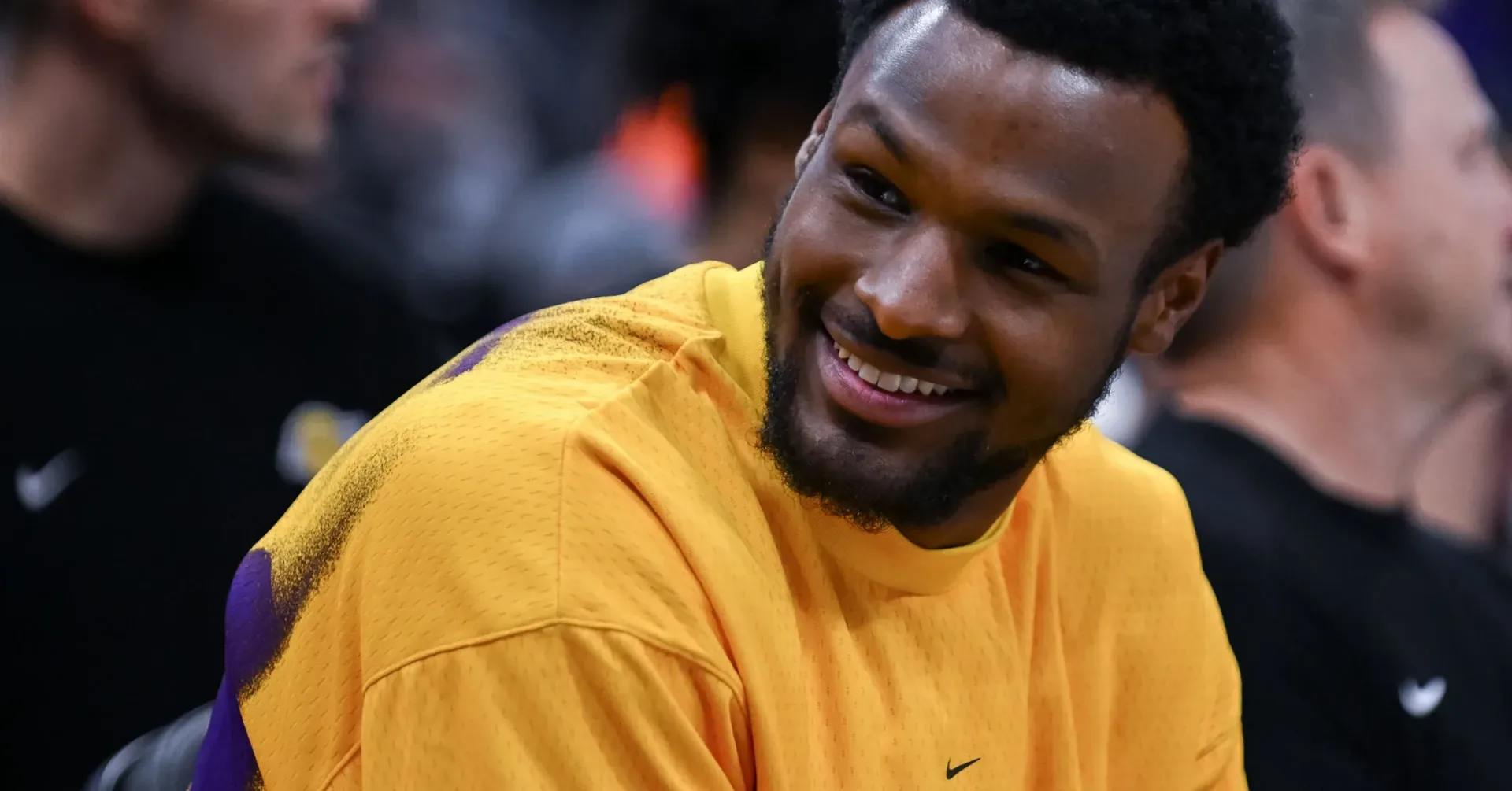
Bronny James did not take the floor in the Los Angeles Lakers’ 121-116 win over the Detroit Pistons, but he still became part of the night’s conversation after a video showed him exchanging insults with a fan near the court.
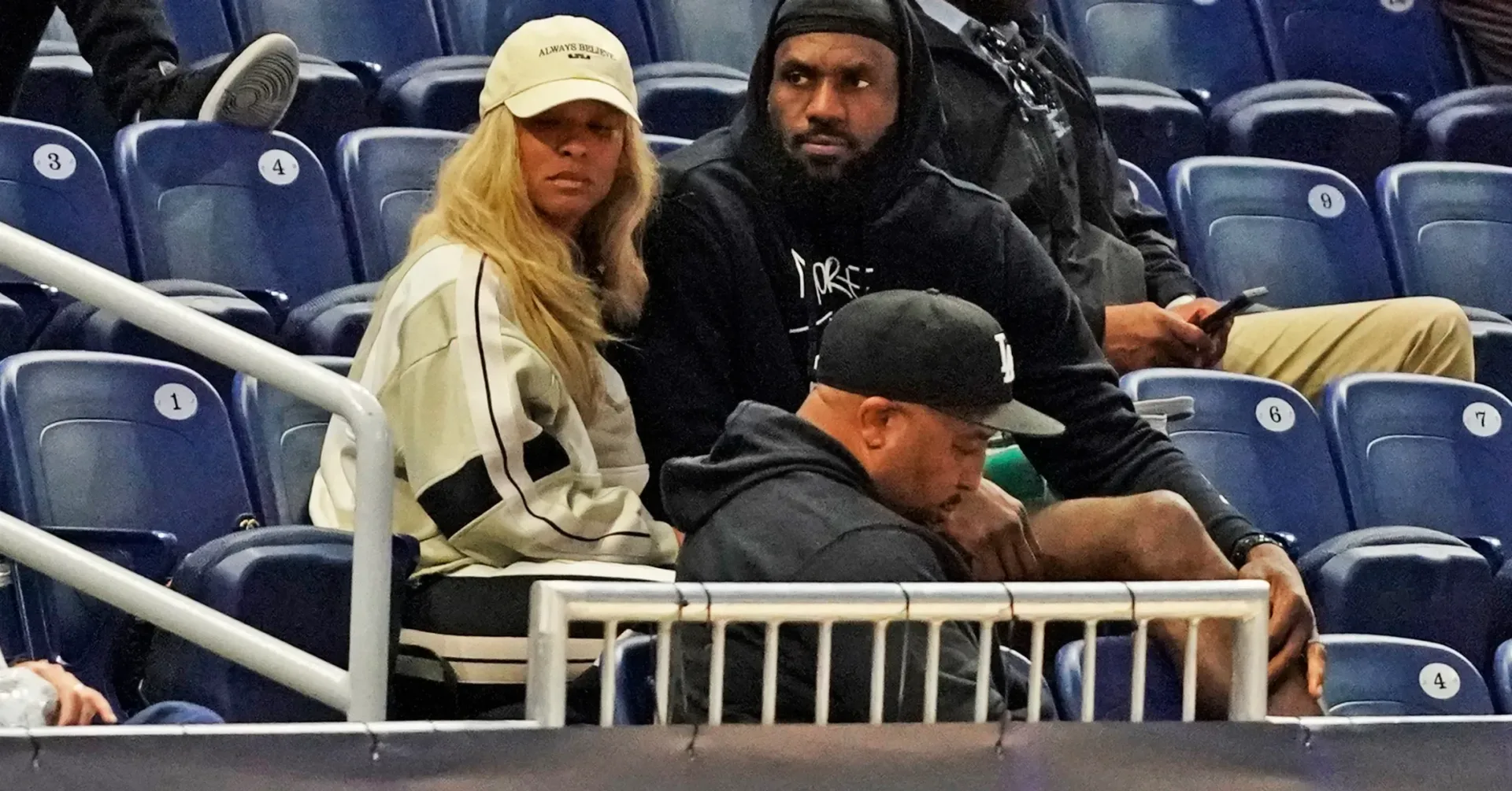
The clip, which circulated after the Lakers’ road victory, depicts James in a heated verbal back-and-forth with a woman seated nearby. During the exchange, he asks whether she can run a mile and later asks how much she makes in a year. People sitting around the fan appeared to side with James in the moment. The woman was ultimately removed from her seat.
There is a temptation to treat any such video as a tidy bit of arena theater: celebrity athlete versus heckler, crowd reaction included, then a clear ending once security intervenes. But the episode is also a reminder that proximity to a professional athlete is not an invitation to turn a ticket into a personal confrontation. Courtside and lower-bowl seats can place fans unusually close to players, benches and team personnel. That access is a large part of the appeal, yet it also brings a basic responsibility to keep the experience within the boundaries of a sporting event.
A brief exchange, and a larger issue
The available video establishes that James and the fan traded words and that the fan was removed. It does not, on its own, provide a complete account of every remark that came before the confrontation or the specific basis for the ejection. That distinction matters. Short clips can make a loud moment look self-contained when it may have followed a longer stretch of interaction that is not visible.
What is clear is that the conversation did not remain ordinary crowd noise. Heckling is a familiar part of basketball culture: fans react to missed shots, question officiating, boo visiting teams and try to add pressure in close games. A player may hear it, ignore it, laugh it off or respond briefly. The atmosphere changes when remarks become personal enough to draw sustained engagement from a player, distract people seated nearby or require arena staff to step in.
That is the practical line at stake in the James clip. The issue is not whether fans are permitted to be loud, partisan or unhappy with a visiting club. The issue is whether a spectator can keep the focus on the game rather than forcing a direct personal dispute with someone whose job requires him to remain in the arena and perform in front of thousands.
What “verbal sparring” means in an arena setting
Verbal sparring is a useful description because it suggests an exchange rather than a one-sided shout. It can sound harmless, even playful, but the phrase should not erase the imbalance of the setting. Players cannot simply leave whenever a person beside the floor decides to keep going. Fans also have the ability to record, repost and frame a confrontation for an online audience afterward.
That makes restraint valuable on both sides. Players are public figures and are routinely subjected to criticism, but personal provocations can still be disruptive. Fans, meanwhile, are not merely commenters on a screen. They are attendees in a shared space with security policies, nearby families, other ticket holders and a live contest taking place a few feet away.
Removal from a seat is therefore less about declaring a winner in the argument than restoring order. It ends a situation that could otherwise grow louder, pull in more people or affect the game environment. It also sends a straightforward message: attending an NBA game carries behavioral expectations in addition to the right to cheer.
The NBA’s emphasis on player-fan boundaries
Over recent years, the NBA has put increased emphasis on limiting confrontations between fans and players. When verbal exchanges escalate, the spectator is often the person removed from the building. That approach reflects a simple operational reality. Teams and arenas can manage their own seating areas and protect participants from interactions that move beyond ordinary fandom.
It is not an attempt to make arenas quiet. Loud crowds are central to home-court energy, and Detroit has a reputation in this account as a difficult environment for visiting teams. A hostile building can be part of the competitive texture of a road game. But competitive hostility is different from a personal argument aimed at an individual player.
A useful way to understand the difference is to separate game-directed criticism from person-directed harassment. Game-directed criticism concerns what happens in competition: a shot, a turnover, a call or a team’s performance. Person-directed harassment targets someone beyond the play itself, often repeatedly and at close range. The former is conventional spectator behavior. The latter is more likely to invite intervention.
In practice, staff must make those decisions quickly and with incomplete information. Security personnel are not conducting a public debate about who had the sharper comeback. They are tasked with stopping a disruption before it becomes a larger problem. That is why the visible conclusion to an incident can look abrupt to viewers who only encounter a short video online.
Detroit’s game had no shortage of on-court drama
The fan exchange arrived during a game that already had plenty of basketball significance. Los Angeles beat Detroit 121-116 despite playing without Luka Doncic. Austin Reaves delivered 43 points, a performance that powered the Lakers to the five-point win.
James did not play. Lakers coach JJ Redick kept him out of the game, consistent with his limited role this season. James is described as a bench player and is now on a one-way deal, but his minutes remain scarce. At 22, he still has room to develop, and a low-minute role now does not determine the size of his future contribution.
That context makes the attention around the video somewhat unusual. The Lakers’ win and Reaves’ 43-point outing were the decisive sporting developments. Yet a short off-court clip can travel further than a box score because it has the ingredients social media rewards: a recognizable name, direct conflict, an apparent crowd verdict and a security outcome.
There was also a separate Detroit-related exchange involving Reaves and a Pistons fan. That situation did not escalate in the same way; Reaves got in the man’s face and the two appeared to resolve it. Taken together, the incidents underline how quickly courtside frustrations can become personal when players and spectators are close enough to speak directly.
Why proximity changes the fan experience
Professional basketball is distinct from many sports because spectators can be exceptionally close to the action. They hear calls, player communication and coaching instructions that would be invisible from higher in the arena. That intimacy is part of what makes an NBA crowd feel immediate. It also means that one person’s attempt at attention can become unavoidable for the people working or sitting nearby.
The same proximity shapes how fans think about the physical side of attending sports. Venue-related objects and memories can hold deep appeal long after the final buzzer; for a different angle on preserving that connection responsibly, see this guide to authenticating historic stadium seats. But the live event itself remains a communal experience, not a private stage for a confrontation.
For spectators, the practical takeaway is uncomplicated. Support the home side, make noise and enjoy the back-and-forth that belongs to competition, but avoid personal remarks or repeated confrontations that pull players into an argument. For athletes, the same event illustrates why a response—however understandable in the moment—can instantly become the most replayed part of the night.
James’ exchange with the Pistons fan was brief compared with the full game, and the Lakers left Detroit with the result that matters in the standings. Still, the video offers a clear snapshot of the boundary NBA arenas are trying to enforce: enthusiasm is welcome, but a fan’s access to the floor should never become a license to make the event about themselves.