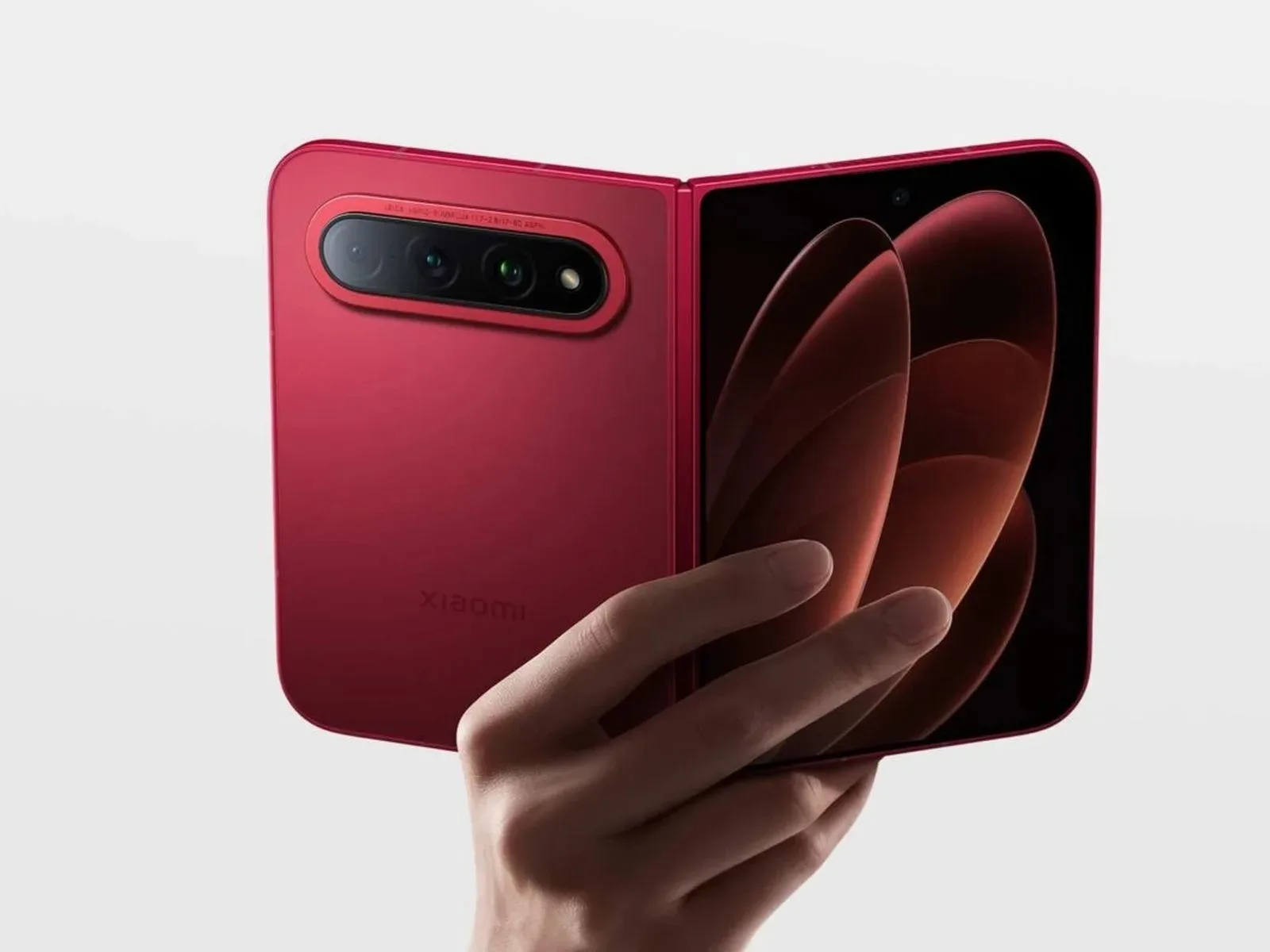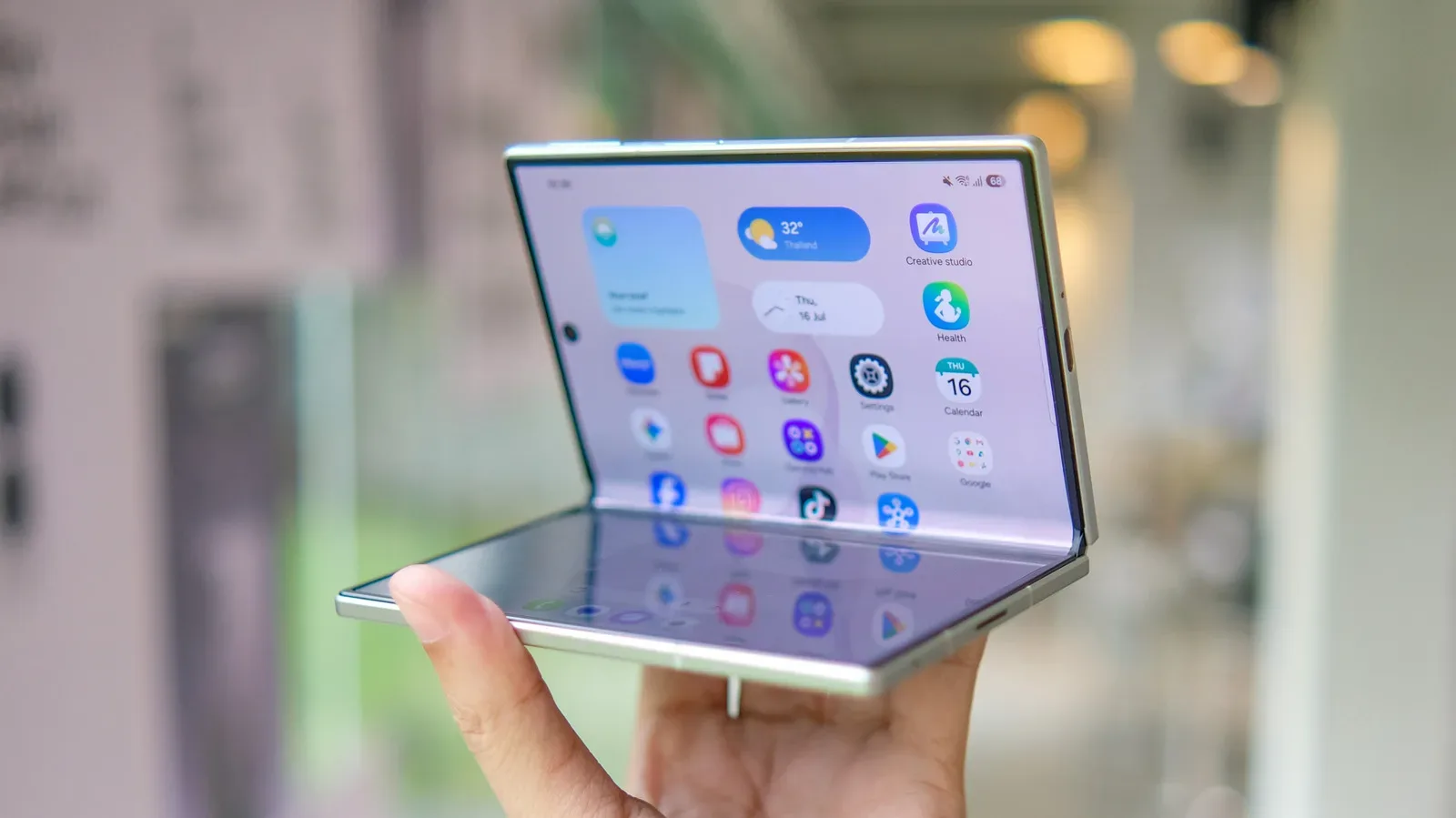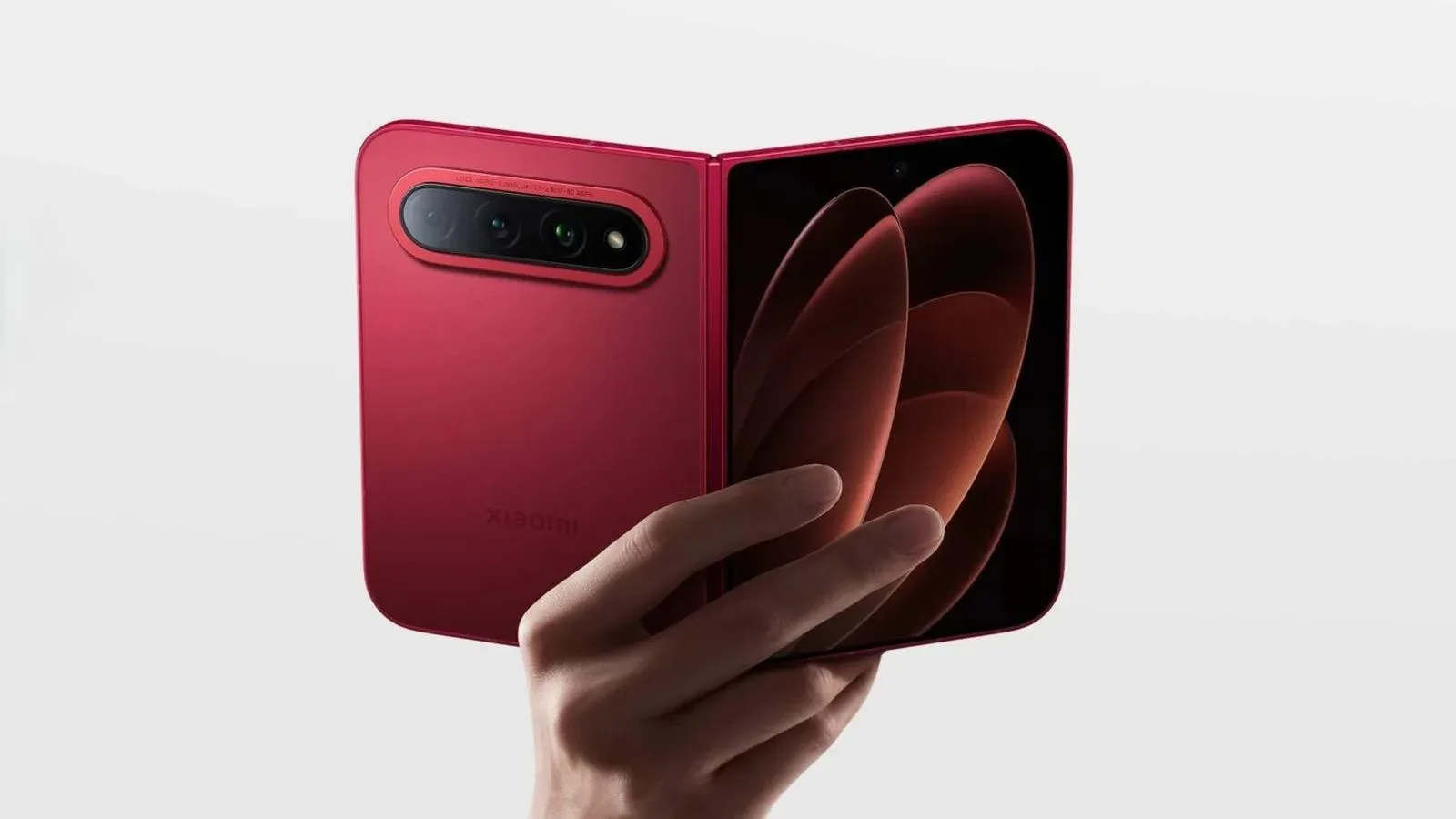
Xiaomi has unveiled the Xiaomi 18 Fold, a wide-format foldable smartphone that arrives at a particularly busy moment for the category. The device was shown at a product event in China on September 7, two days ahead of Apple’s September 9 event at Apple Park, where Apple is expected to reveal its own first foldable iPhone alongside the iPhone 18 Pro and iPhone 18 Pro Max.
That timing makes comparisons unavoidable, but the 18 Fold is a concrete product announcement while several details of Apple’s prospective folding handset remain expectations rather than confirmed specifications. Xiaomi’s new phone also sits in the same broad book-style design space as Samsung’s Galaxy Z Fold8: a narrower phone-like screen on the outside, opening outward into a more tablet-shaped display.
The headline ingredients are clear. Xiaomi is pairing large, high-brightness LTPO displays with a revised hinge, a large battery, fast wired and wireless charging, a Leica-developed triple-camera array, and the Xring O3—its own 3nm flagship processor. It is an ambitious specification sheet, even before getting to the limited ceramic version that turns the foldable’s luxury dial a little further clockwise.
A book-style foldable built around two bright displays
The Xiaomi 18 Fold has a 5.38-inch cover display and a 7.58-inch internal display. Both panels use 120Hz LTPO technology and are rated for up to 4,000 nits of peak brightness. LTPO matters because it allows a screen to vary its refresh rate as needed, which is intended to balance motion smoothness with power efficiency rather than locking the panel to one high-refresh setting at all times.
There is also a new double-layer ultra-thin glass arrangement protecting the displays. Foldable screens require a very different set of engineering trade-offs from conventional flat phone glass, particularly around flexibility and the folding point. Xiaomi has not positioned this detail as a blanket promise that removes every durability concern associated with the format, but it is one of the company’s stated structural upgrades for this model.
At 7.58 inches when open, the inside panel is designed to provide substantially more working area than a traditional phone. That is the core appeal of a wide foldable: users can keep a compactish exterior device for quick tasks, then unfold it for reading, multitasking, video, or applications that benefit from a larger canvas. Whether software makes full use of that space is always a central part of the foldable experience, and Xiaomi is shipping the device with HyperOS 4.
The Dragon Bone hinge is Xiaomi’s mechanical centerpiece
The 18 Fold folds around a redesigned mechanism Xiaomi calls the Dragon Bone hinge. Xiaomi says it made 492 structural optimizations to the hinge. The company also says the redesign enables a visibly rounder overall form than the Galaxy Z Fold8.
Hinges are more than a piece of flashy vocabulary in foldables. They are the moving hardware that has to repeatedly carry the internal display between open and closed positions while influencing the phone’s profile, feel, and the geometry of the screen crease. Xiaomi’s optimization count communicates the scale of its development effort, though it should be treated as the manufacturer’s description of its work, not as an independent durability rating.
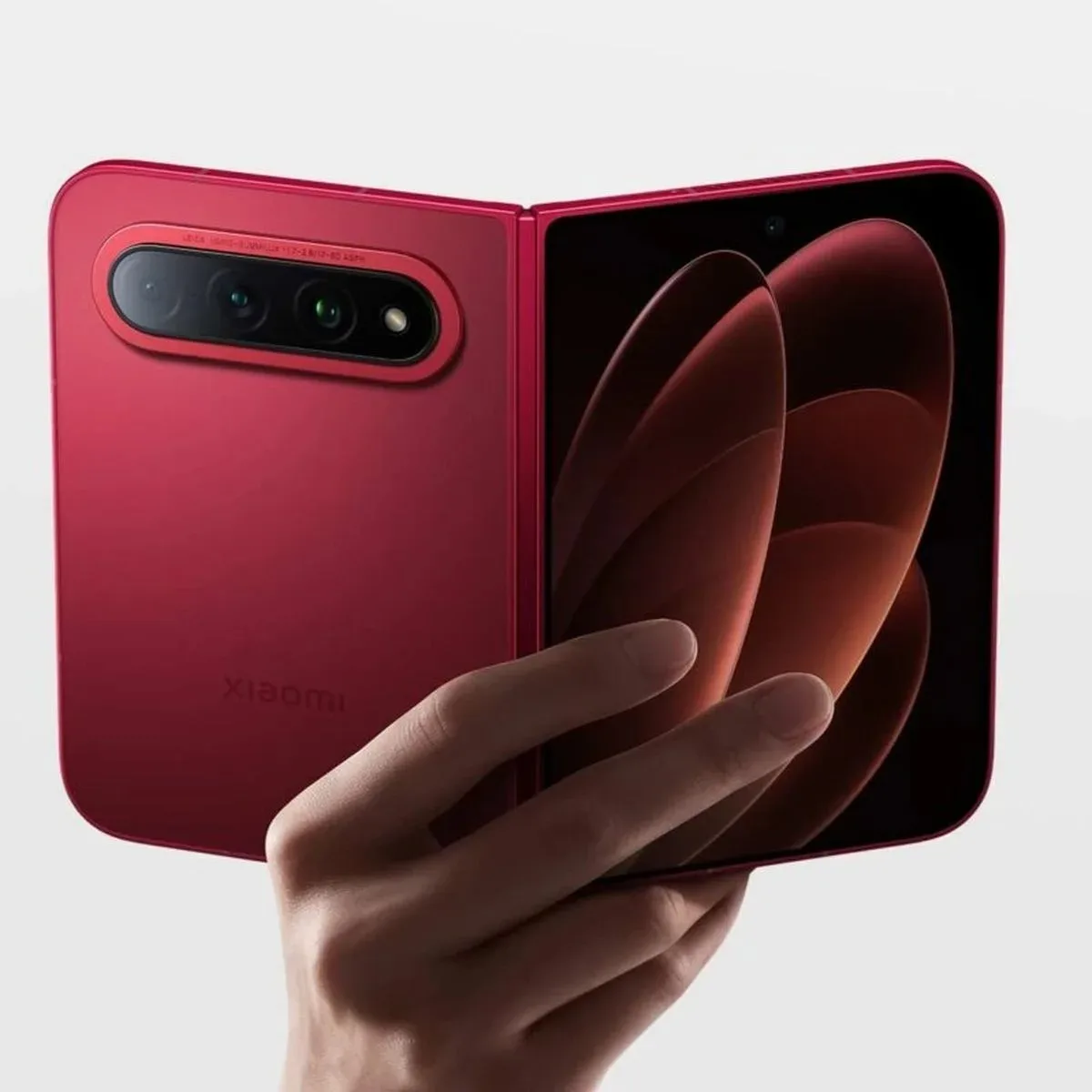
The phone will be offered in four finishes. One is called Nishino Red, while a Ceramic Special Edition is limited to 1,500 units. The latter starts from an intentionally exclusive premise rather than a broadly available configuration. For buyers interested in the standard models, the more consequential questions will be storage, memory, price, and—outside China—whether the phone is offered at all.
Xring O3 marks a major in-house silicon moment
The Xiaomi 18 Fold is the first flagship handset to use Xiaomi’s Xring O3 processor. Built on a 3nm process, the chip has a 10-core CPU clocked up to 4.35GHz, a 16-core GPU, and a dedicated NPU rated at 200 TOPS. In practical terms, the CPU handles the general workload of the device, the GPU is responsible for graphics-focused tasks, and the NPU is specialized hardware for AI-related processing.
Xiaomi claims the Xring O3 provides a 60% gain in multi-core CPU performance and an 85% GPU uplift compared with its predecessor. It additionally claims CPU power draw is down 25%, while GPU power draw is reduced by 64%. Those figures come from Xiaomi and are relative to the prior chip, so they are useful as a statement of the company’s targets and comparison method rather than a substitute for independently comparable benchmarks.
Still, the importance of the chip goes beyond any one percentage. A foldable’s large display raises expectations for demanding multitasking, graphics work, cameras, and extended use. Putting a homegrown flagship processor inside this form factor gives Xiaomi an opportunity to shape the relationship between hardware and HyperOS 4 more directly. Xiaomi also introduced the Pad 9 Pro Max at the same event, and that tablet shares the Xring O3 platform.
Gaming-minded readers may naturally notice the 16-core GPU and performance claims, but a specification sheet alone cannot establish how individual games perform, how sustained loads affect the device, or how software support develops. What can be said now is that Xiaomi is presenting the 18 Fold as a top-tier device with graphics hardware intended for a high-performance class.
A 200MP main camera joins ultrawide and 3.5x telephoto options
Xiaomi developed the 18 Fold’s rear camera system with Leica. The hardware is led by a 200-megapixel main camera, joined by a 50-megapixel ultrawide and a 50-megapixel periscope telephoto camera offering 3.5x optical zoom. This gives the foldable three distinct rear-camera perspectives: the primary camera for standard shooting, a wider field of view through the ultrawide, and dedicated optical reach from the periscope lens.
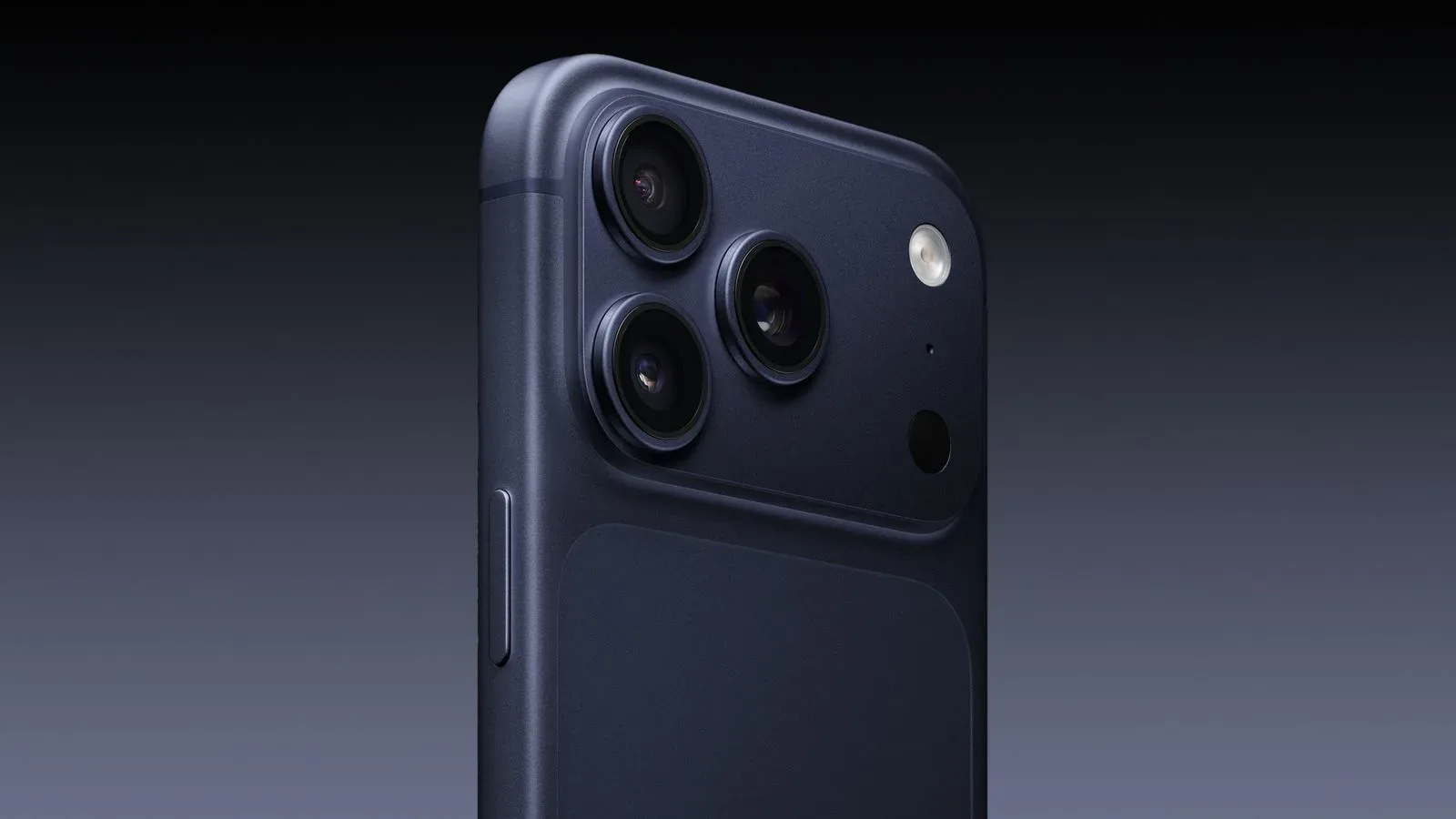
The arrangement is notable amid expectations that Apple’s first foldable iPhone will have two rear cameras and no dedicated telephoto unit. That remains an expected Apple design, not an officially announced specification. The comparison is therefore about the information currently available: Xiaomi has announced a three-camera setup that includes a telephoto lens, while Apple’s anticipated device has not yet been formally presented.
Sensor resolution does not, on its own, determine image quality, and no assessment of photo or video results can be made from the announcement details alone. The more defensible takeaway is that Xiaomi has supplied a camera system with high-resolution main, ultrawide, and optical-zoom components rather than treating the 18 Fold as a productivity device that sacrifices photographic versatility.
Battery capacity, charging, and China pricing
Power comes from a 6,000mAh battery. Xiaomi lists 67W wired charging and 50W wireless charging support. The capacity is especially attention-grabbing in a foldable, where the internal display can create greater power demands than a standard phone screen. Actual endurance will depend on use, display settings, cellular conditions, and software behavior, so the capacity should not be translated into an unsupported battery-life prediction.
In China, the entry configuration has 12GB of RAM and 256GB of storage and costs 10,999 yuan, approximately $1,638. The highest regular configuration, with 16GB of RAM and 1TB of storage, is priced at 14,999 yuan, approximately $2,235. The limited Ceramic Special Edition costs 15,999 yuan, or roughly $2,384.
- 12GB RAM / 256GB storage: 10,999 yuan, approximately $1,638
- 16GB RAM / 1TB storage: 14,999 yuan, approximately $2,235
- Limited Ceramic Special Edition: 15,999 yuan, approximately $2,384
These approximate dollar conversions are reference points, not international retail prices. Xiaomi has not announced a global release for the 18 Fold. Its earlier Mix Fold phones remained exclusive to China, which makes it inappropriate to assume this new model will appear in other markets.
Apple’s expected foldable now has an immediate point of comparison
The 18 Fold’s debut sharpens attention on Apple’s September 9 presentation. Apple is widely expected to price its foldable above $2,000, but pricing, camera configuration, and all other unannounced particulars remain subject to Apple’s official reveal. Readers following the broader iPhone 18 picture can also see what reported software clues have suggested about camera upgrades that could matter for iPhone 18 Pro.
Xiaomi’s event was not solely about the phone. Alongside the 18 Fold and Pad 9 Pro Max, the company showed three electric vehicles under its Pengcheng brand. Yet the foldable remains the clearest statement of intent: Xiaomi is putting its in-house flagship chip, a large battery, rapid charging, and a three-camera Leica-developed system into its first wide-format folding handset.
For now, the most significant limitation is geographical rather than technical. The 18 Fold has been announced for China, with no confirmed worldwide availability. Until Xiaomi says otherwise, it is a major new participant in the premium foldable conversation that much of the world can watch closely, but not necessarily buy.