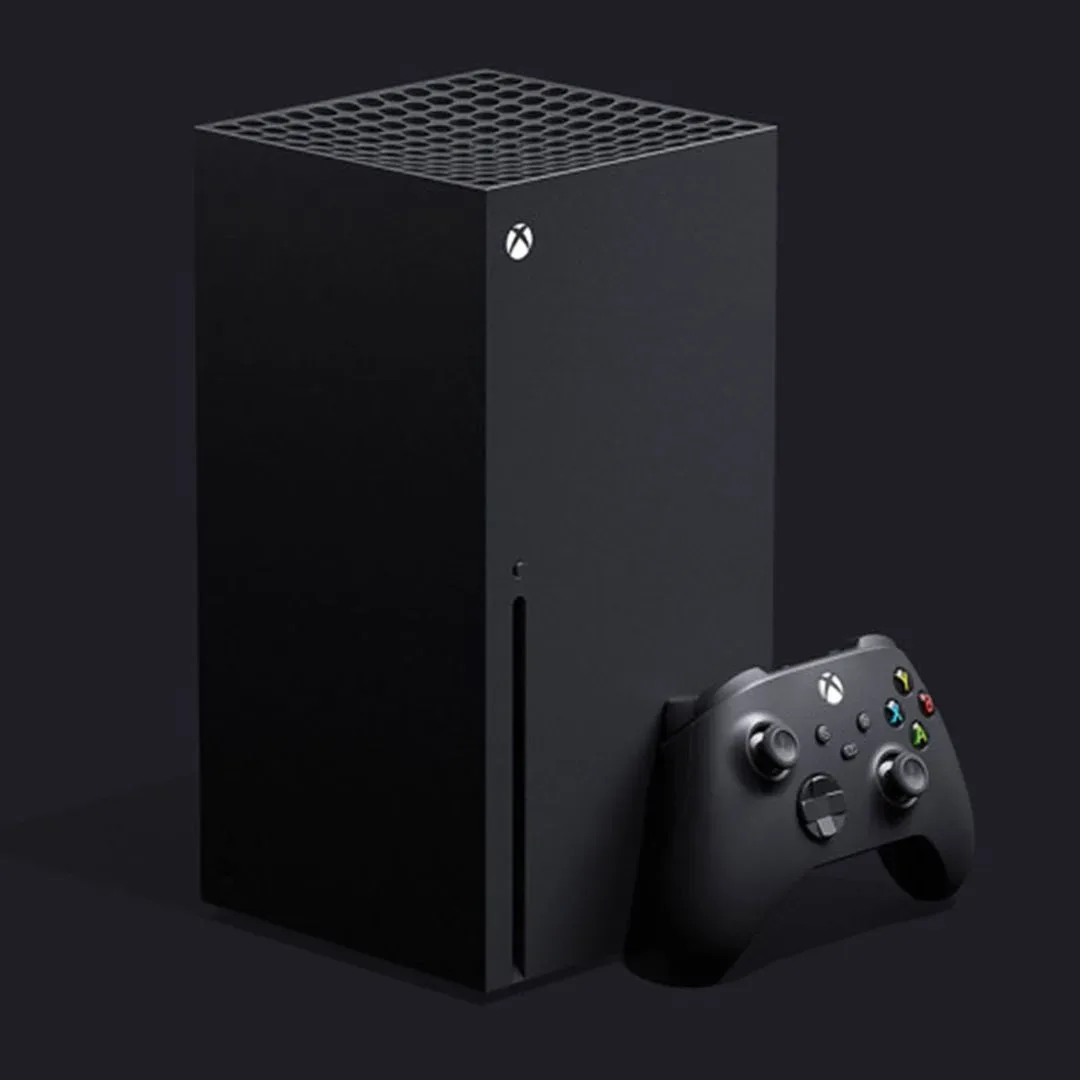
Microsoft’s still-mysterious Xbox Project Helix may once have been pitched as something considerably more PC-like than a conventional console. A new report, citing anonymous sources, claims an earlier version of the plan would have paired Xbox game support with Windows desktop access, PC storefronts including Steam, and online multiplayer without a separate subscription charge.
That is a tantalising list of ideas, but it needs a large warning label attached: Project Helix has not been fully detailed publicly, the alleged earlier concept is not confirmed, and reports of internal plans are not the same as announced product features. Hardware concepts shift, get renamed, lose features, or disappear altogether. For now, the most concrete public framing is that Jason Ronald, vice president of Xbox’s gaming devices and ecosystem team, has described Project Helix as a console capable of playing games from a PC and as an attempt at an “ultimate gaming machine.”
The gap between that broad promise and the reported original vision is where the interesting questions begin. A machine that can play some PC games is one thing. A console that effectively doubles as a Windows gaming computer—with an Xbox-style interface on top, Steam available from the desktop, and PC-like multiplayer rules—would be a much more fundamental attempt to merge two normally distinct ways of buying and using games.
The reported pitch: console convenience, PC latitude
The alleged predecessor to Project Helix was reportedly designed to be a gaming PC that could also run Xbox games. Its main interface would have been a controller-focused, full-screen Xbox environment. Players could then leave that front end for a normal Windows desktop and open other applications, including Steam.
That distinction matters. A controller-first full-screen interface is designed for use from a sofa: big targets, straightforward navigation and minimal dependence on a mouse and keyboard. It is not inherently the same as a closed console operating system. The reported design would have treated the Xbox interface as a welcoming front door, while retaining the wider Windows environment behind it.
The practical appeal is easy to see. Someone who prefers an appliance-like experience could turn on the device, sign in with a controller and launch a game in a familiar dashboard. Someone who already owns PC titles could potentially move into the desktop and use a separate storefront. Rather than asking players to choose between an Xbox library and a PC library, the proposal reportedly tried to make the box accommodate both.
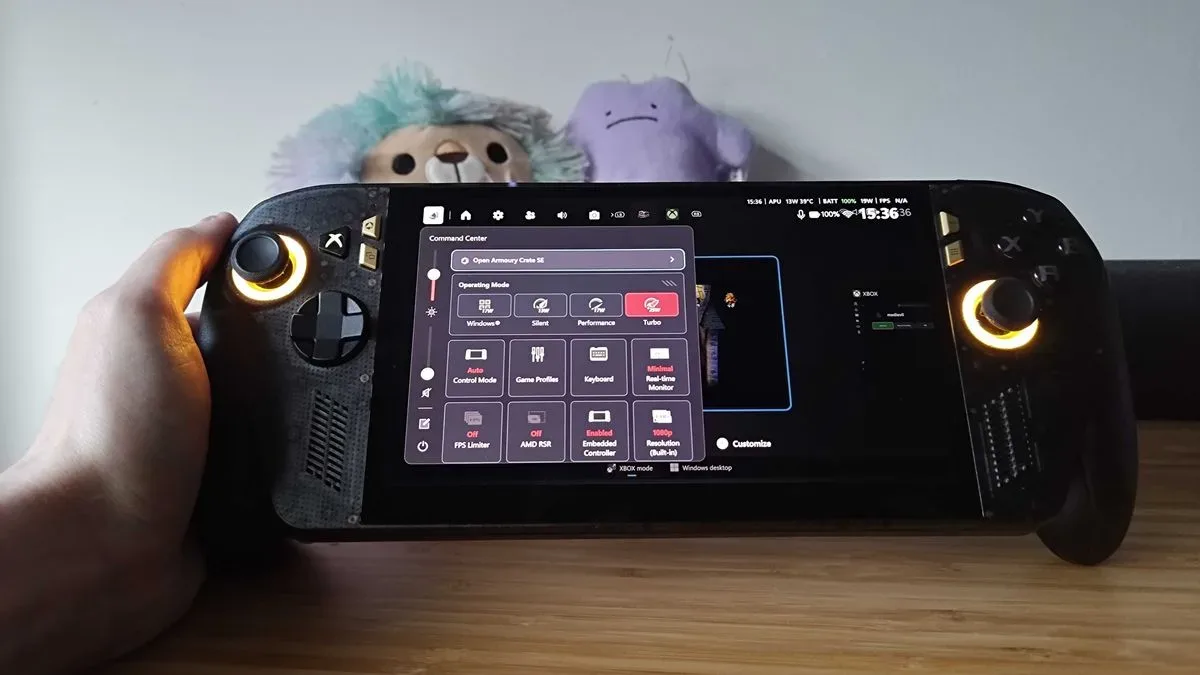
The closest comparison in the supplied details is the ASUS ROG Xbox Ally, except this theoretical hardware would not be a handheld. That comparison is useful only at a high level: it points to a device intended to bring Xbox-branded, controller-friendly access to PC games. It should not be read as confirmation that Project Helix has the Ally’s hardware, software setup, pricing, or capabilities. For a sense of how aggressively premium PC-and-Xbox-adjacent hardware can be positioned, see our coverage of the ROG Xbox Ally X20.
Why Steam access would be the disruptive part
Steam is a PC game storefront and launcher operated by Valve. In the reported concept, the ability to exit to Windows and run Steam would have meant the device was not limited to a single console store or a single publisher’s subscription catalogue. It would have been a powerful consumer proposition precisely because it would make existing PC purchasing habits more relevant in the living room.
Related coverage includes Xbox Project Helix Reportedly Began as a Steam-Ready Console With Free Online Multiplayer.
It would also complicate the traditional console model. Closed consoles typically give their platform holder strong control over the store, the user interface, software certification, payments and the services tied to multiplayer. A Windows-based device with a reachable desktop is, by its nature, more flexible. That flexibility is valuable to users, but it makes it harder to present one tightly managed ecosystem.
The report’s description suggests Microsoft may have been considering a deliberate trade-off: less of the familiar console wall around the customer, in exchange for an Xbox device with a broader reason to exist. If a player can install and run PC software, the machine becomes more than a box for one storefront. The unanswered question is whether that freedom would be presented as the product’s central promise, a secondary power-user option, or something left behind as plans changed.
There is also an important technical clarification. “Steam-ready” in this context does not establish that every game on Steam would run perfectly, that every controller setup would behave identically, or that every PC game would feel console-like. PC titles can have varying system requirements, controller support and launcher arrangements. The report only supports the narrower claim that Steam access was reportedly part of the early concept through the Windows desktop.
The free multiplayer claim could have changed the value equation
The other striking element is the report that online multiplayer would have been free, with no extra subscription or fee required. On a conventional console, multiplayer access for paid games is often intertwined with a paid platform service. On PC, players generally do not pay the operating-system maker a separate charge simply to use a game’s online mode. The reported Project Helix approach would apparently have followed the latter logic.
That does not mean games themselves would have been free, nor does it answer every possible question about memberships or online services. It means the suggested plan would not have placed a distinct platform-level multiplayer toll between a player and a game’s online component. For households weighing a device’s ongoing cost rather than merely its upfront price, that could be as meaningful as access to another game store.
It also helps explain why the idea would be commercially difficult. A system that acts like a PC cannot easily apply console-style access restrictions without creating an awkward contradiction. If Windows and third-party PC programs are part of the device’s identity, treating basic online gaming as a separately gated console privilege becomes much harder to justify. The report characterises the no-paywall approach as potentially expensive for Microsoft, and it is plausible that such a decision would have had to be weighed against a broader hardware strategy. Still, the precise business reasoning, any internal debate, and the final status of the policy have not been confirmed.
What “scrapped” does—and does not—tell us
The report says the initial PC-like design was scrapped amid a move toward another hardware strategy, management changes and other factors. That wording should not be stretched into a full blueprint of the final machine. It does not establish which elements were removed, which may have survived in altered form, or whether the codename Project Helix now refers to substantially different hardware.
In fact, Ronald’s public comments leave room for many interpretations. A console “capable of playing games from your PC” could refer to an unusually open device, but it could also describe a more selective feature set than the earlier plan reportedly envisioned. The public statement establishes an interest in bridging console and PC play; it does not verify native Steam access, a Windows desktop, or subscription-free multiplayer.
That uncertainty is particularly relevant because the report also mentions an $1,800 price rumour. No official price has been announced in the supplied information. It should therefore be treated solely as rumour, not a target, a forecast, or evidence that Project Helix will be positioned as a high-end PC replacement. The component situation described as challenging by Project Helix’s lead adds another variable: building ambitious hardware means balancing innovation with accessibility, but there is no confirmed specification or price from which to draw firmer conclusions.
Why the original idea remains compelling
Even if the fully PC-like plan never reaches shelves, it articulates a clear answer to an increasingly awkward question: what should a console be when players’ libraries, friends and game purchases are scattered across multiple ecosystems?
The conventional answer is a curated box with a simple interface and a defined store. The reported Helix concept would have tried another answer: retain the controller-friendly simplicity, but allow the user to step outside the walled garden when they want to. It is a model that recognises that a TV-facing gaming device can be convenient without necessarily being closed.
For players, the upside would have been library flexibility and potentially lower ongoing multiplayer costs. For Microsoft, the upside would have been a distinctive Xbox identity that extends across console and PC rather than forcing a hard choice between them. The drawbacks are equally obvious: Windows desktop software is more open-ended and potentially more complex than a conventional console experience, while broad storefront access could make it more difficult to keep every part of the journey under one Xbox roof.
That tension may be the central story behind Project Helix. The reported early concept was not merely a list of premium features. It was a different definition of Xbox hardware—one that would make the machine both a console and a PC, without asking the player to pretend those categories are still completely separate.
What to watch for when Microsoft says more
Until Microsoft provides formal details, the safest reading is that Project Helix is an ongoing and unannounced hardware effort with publicly discussed PC-game ambitions, plus a report of a more expansive early proposal. The details below are the ones that would determine whether the final device resembles that early vision in any meaningful way.
- Storefront access: Whether users can run third-party PC stores such as Steam, rather than only games obtained through Xbox channels.
- Windows access: Whether there is a usable desktop environment or merely a curated launcher for selected PC titles.
- Game compatibility: Whether “PC games” means broad native Windows support, a restricted catalogue, streaming, or another method entirely.
- Online policy: Whether paid-game multiplayer has a separate platform subscription requirement.
- Interface design: Whether the primary experience remains seamless with a controller, even if PC functionality sits underneath it.
- Price and hardware: Any official specifications and cost, especially given the acknowledged challenge of balancing ambitious technology and accessibility.
For now, Steam integration, free online multiplayer and a desktop escape hatch belong in the “reported early design” column, not the confirmed-features column. But they also show why Project Helix has attracted attention: if even part of that old blueprint informs the final device, Microsoft could be attempting to make the living-room console feel substantially less like a closed box.