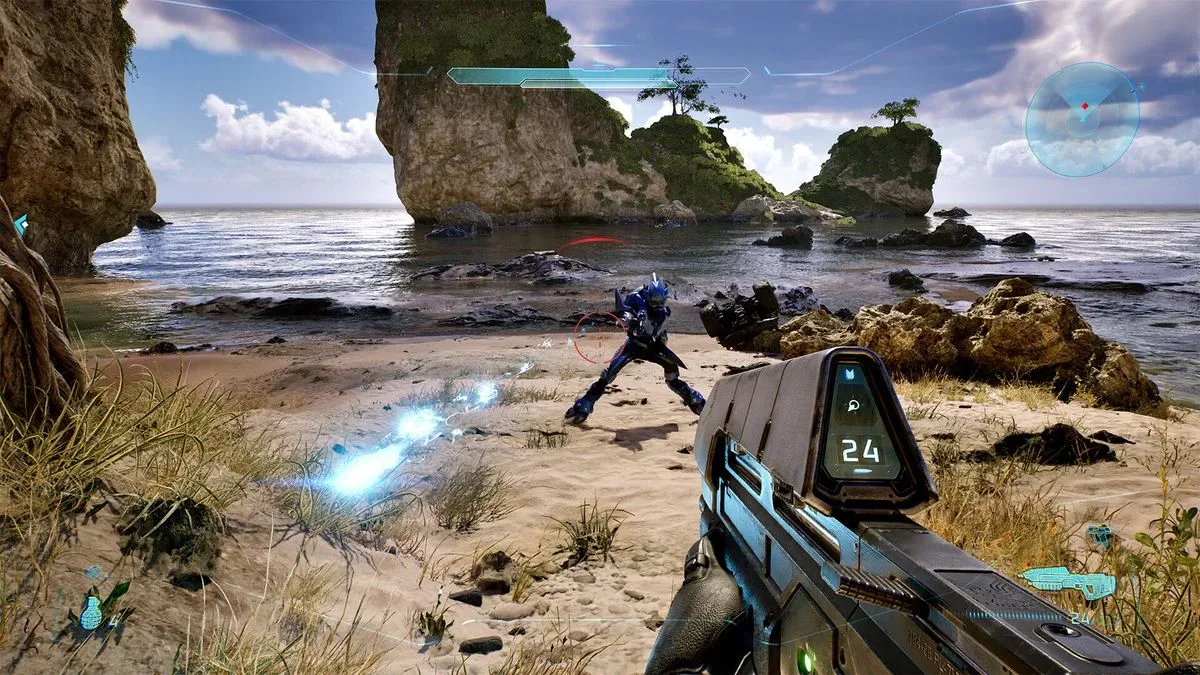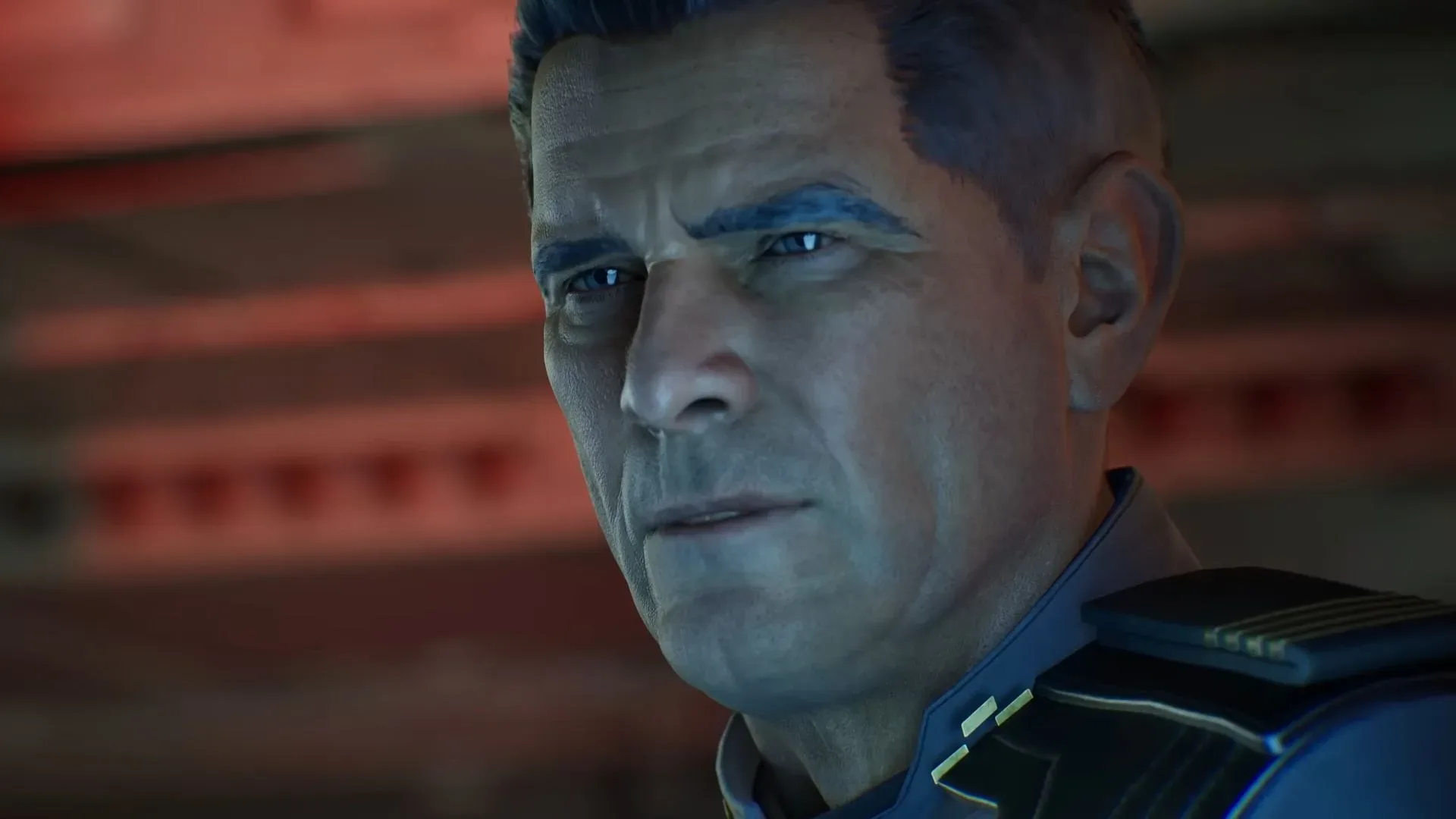
Halo’s next major chapter is moving to Activision after Xbox cut 268 roles across Halo Studios and other first-party teams. The change follows a wider round of 3,200 Xbox layoffs and leaves the studio formerly known as 343 Industries with a smaller remit: continuing support for the Halo community and games already on the market.
For the franchise, the immediate headline is not a newly announced game, platform, launch window, or feature list. It is a transfer of creative and publishing responsibility. Xbox says it is reorganizing its studios to operate with fewer business units, combine groups that already work closely together, and concentrate publishing expertise. Activision president Rob Kostich says the company has begun putting together a dedicated team for the next Halo project.
That makes this a consequential reset for one of Xbox’s defining series. It also creates a difficult question: what does it mean for Halo to be managed by the publisher behind Call of Duty, another giant shooter franchise with its own cadence, expectations, and enormous audience?
What has changed at Halo Studios
Halo Studios began as 343 Industries, the developer Xbox established in 2007 after Halo creator Bungie became independent. For roughly two decades, 343 served as the central caretaker of Halo. In 2024, Xbox rebranded the team as Halo Studios, presenting the move as a fresh start intended to help it make more Halo games with player expectations at the center of the work.
The studio’s newly branded identity did not have long to develop. Halo Studios was associated with Halo: Campaign Evolved, a remake described as a solid, serviceable return to the campaign, but it will not get the opportunity to establish a longer run of wholly original releases under its new name before the franchise shifts to Activision’s oversight.
Xbox has not said Halo Studios is disappearing outright. Its statement says a small team will remain to support the community and in-market titles. “In-market” means games already available to players: the live operational work of updates, maintenance, community-facing support, and other continuing responsibilities. It does not necessarily mean that same group will be responsible for the next large Halo release.
That distinction matters. Ongoing support is essential work, especially for a series with an established player base, but it is different from owning the long-term direction of a new project. The available details point to Activision building a purpose-made team for the next chapter, while Halo Studios retains a narrower role around the games and community that already exist.
Activision’s stated ambition—and the unanswered details
Kostich framed Activision’s objective in expansive terms: make the best Halo game possible while preserving the elements that built players’ attachment to the universe and its legacy. He also said the publisher is assembling a team with the specific skills needed for that assignment.
Related coverage includes Xbox Hands Halo's Next Chapter to Activision After Halo Studios Layoffs.
That is an ambition, not yet a product description. There is no confirmed name for the project, no release date, no platform breakdown, and no announced development studio in the information available. There is also no confirmed indication of whether the project will be a campaign-focused release, a multiplayer-led entry, a remake, or something structured differently. Players should be cautious about reading those details into the handover simply because Activision is now involved.
The practical takeaway is more limited but still significant: Halo’s next major development effort will be led under Activision rather than by the studio that had guarded the series since 2007. Any prediction beyond that—such as annual releases, a particular multiplayer model, or a Call of Duty-style structure—would be speculation.
Why the Call of Duty comparison is unavoidable
Activision’s connection to Call of Duty makes the comparison natural, but it should not flatten the two franchises into the same thing. Both occupy the first-person shooter, or FPS, space. An FPS is a game played primarily through the character’s viewpoint, typically emphasizing firearms, movement, spatial awareness, and combat encounters. Yet Halo’s particular identity has long been tied to its science-fiction setting, the Master Chief-centered legacy, distinctive arena combat, vehicles, and a campaign tradition alongside competitive play.
Call of Duty’s scale gives Activision experience operating one of the industry’s largest shooter brands. That could be relevant to the logistical task of staffing and coordinating a new Halo team. But scale is not itself a creative blueprint. “Staying true” to Halo will ultimately be judged through the game’s design and the way its community is treated—not through the organizational chart that sits above it.
The phrase purpose-built team deserves similar care. In this context, it means a group being assembled specifically for the assignment rather than simply inheriting it wholesale. It does not reveal who is on that group, how large it will be, or which studios will contribute. It signals intent to construct an operation around Halo, while leaving the key creative specifics for later.
A restructuring story with human stakes
The Halo decision arrived as part of 3,200 Xbox cuts, including the 268 roles affected across Halo Studios and other first-party developers. “Reorganization” can sound abstract, but its effects are not abstract for the people leaving teams, the colleagues remaining behind, and the projects whose accumulated knowledge may be disrupted.
In corporate terms, a restructuring usually means moving ownership, changing reporting lines, merging functions, reducing overlapping units, or narrowing which teams are responsible for which work. Xbox’s explanation emphasizes fewer business units and closer alignment between groups that already collaborate. The stated business logic is consolidation. The human cost is layoffs, and the creative cost can include the loss of institutional knowledge: the hard-earned understanding of a franchise, pipeline, tools, audience, and production process that employees carry with them.
This is why the story cannot be reduced to a familiar brand being assigned to a different publisher. Halo’s stewardship is changing alongside job losses. A smaller continuing Halo Studios team may preserve some continuity for existing players, but the organization that was publicly positioned as Halo’s re-energized home has been substantially reduced before it could prove what it might make next.
The same period has brought cuts affecting developers associated with projects and series including Battlefield 6, Destiny 2, Directive 8020, and Tomb Raider. The individual circumstances differ, and the information here does not establish identical causes across those companies. Still, the pattern has made layoffs and studio reshuffles a defining concern for people working in large Western game development.
The broader debate around AAA development
Amir Satvat, who runs a games-industry layoff tracker, characterized the situation for developers at traditional AAA studios in North America and western Europe as comparable in severity to the 1983 crash. The comparison is an assessment of how punishing the present employment climate feels to workers, not proof that every business condition is identical to that earlier industry collapse.
AAA is an informal term for large-budget, high-profile games and the studios built to produce them. It often implies major staffing, lengthy production cycles, expensive technology, significant marketing, and very high commercial expectations. None of those characteristics automatically makes a game better or worse. They do, however, raise the cost of a missed target and can make leadership more likely to pursue consolidation when results or forecasts disappoint.
Satvat pointed to a contrast with Japan, arguing that its game industry was less heavily pulled into live-service strategies and 500-person mega-blockbuster teams. A live-service game is designed for ongoing operation after release, commonly with continuing updates, events, and sustained player engagement. The model is not inherently negative; it is a description of a game’s ongoing service structure. The risk is that organizations built around extremely large, expensive projects can become fragile when the expected audience, revenue, or growth does not arrive.
Former id Software producer Andrew Willis offered a related metaphor when discussing Nintendo’s long-term approach: tending a tree so it can keep producing fruit, rather than cutting it down for an immediate gain. It is a pointed critique of short-term thinking in Western games leadership. It is also an interpretation, not a full explanation for the different fortunes of every region or company. Development cultures, business structures, portfolios, labor conditions, and ownership models vary enormously.
What the Halo changes demonstrate clearly is the tension between a franchise’s long memory and a corporation’s immediate structure. A series as recognizable as Halo accumulates years of audience expectation. Repeated reorganizations can promise sharper focus, yet they can also interrupt teams before their plans have time to become games. The rebrand from 343 Industries to Halo Studios was meant to mark renewed momentum; the latest changes instead place the next effort with a different publisher.
What players can reasonably watch for next
Until Activision or Xbox provides more detail, the clearest points to follow are organizational rather than gameplay-specific:
- Team leadership: Activision has said it is building a dedicated Halo team, but has not identified the people or studios leading it.
- Halo Studios’ support role: The remaining team is expected to support the community and games already available. Future updates will show what that means in practice.
- The first description of the new project: A title, genre focus, campaign or multiplayer outline, and platform plans would establish much more than the present announcement does.
- Continuity with Halo’s identity: The meaningful test of Activision’s promise will be whether a future game retains the qualities Halo players value, rather than merely borrowing the franchise name.
There is also relevant context in the wider Xbox organization: the Activision-led Halo reset and the 268 affected roles have become part of the same discussion, rather than separate business and creative stories.
For now, Halo is in a transition period. Activision has a large promise, Xbox has a stated rationale for consolidation, and Halo Studios has a reduced but ongoing duty to the people playing existing games. The missing piece is the game itself. Until the newly assembled team reveals what it is making, Halo’s future is defined less by what players will get to play than by who has been asked to build it—and by the employees and studio structure left behind in the process.