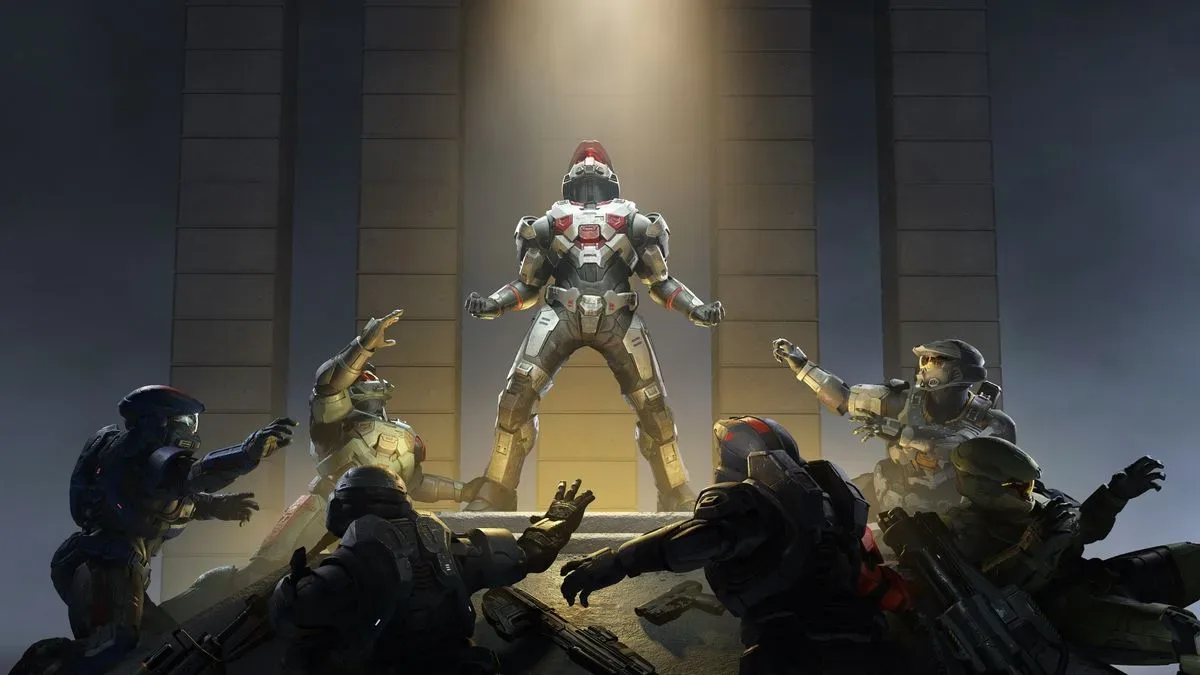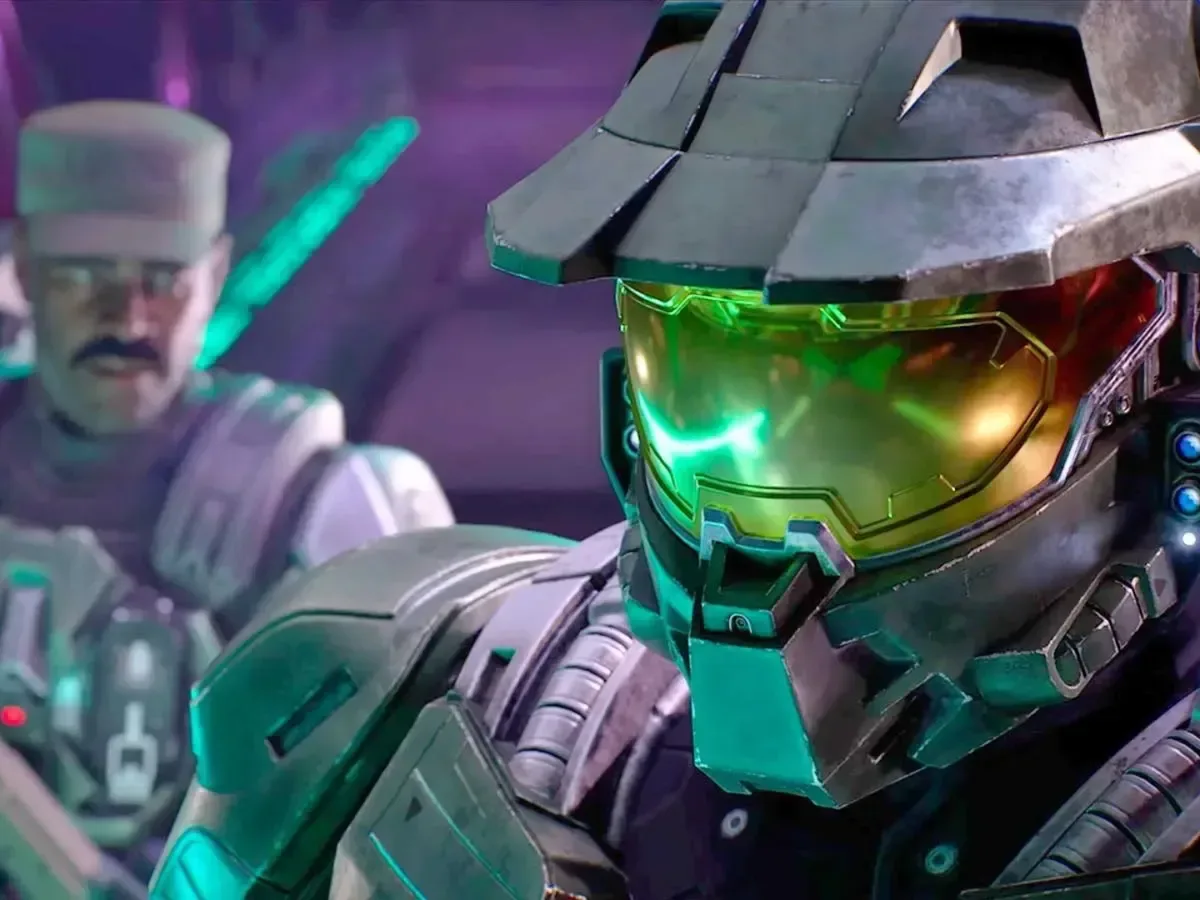
Halo is entering another period of upheaval. Microsoft has eliminated 268 roles across Halo Studios, Xbox Game Studios management and other first-party teams, while responsibility for the next Halo game shifts to Activision. Halo Studios is now described as a smaller team focused on supporting the series’ community, and Xbox says the next project will be handled by a newly created Activision-based team.
The restructuring has prompted a sharply divided response. For many observers, the immediate concern is the human cost of more layoffs and what another management change means for the people who made and maintained Halo. Former Blizzard president Mike Ybarra sees the move very differently. He called it the best Halo news in more than a decade and praised Xbox for making what he characterized as a needed reset.
That upbeat reading is inseparable from a difficult reality: a flagship series is changing hands at the same time that hundreds of jobs are being removed. Whether Activision’s involvement ultimately improves Halo is an open question. The only confirmed direction so far is organizational, not a list of gameplay features, release plans, platforms, or a development timeline.
What has changed for Halo
The core development responsibility is moving to Activision, while Halo Studios has been reduced to a small community-supporting group. Xbox chief content officer Matt Booty has said the Activision-run Halo effort will be built by a “new, purpose-built team” that remains separate from Call of Duty’s ongoing development and plans.
That distinction matters. Activision is closely associated with Call of Duty, and some fans may reasonably assume that a Halo project under Activision would simply be folded into that franchise’s existing machinery. Xbox’s wording says otherwise: the stated plan is for a dedicated Halo group, not a reassignment of Call of Duty staff or a merger of the two series’ roadmaps.
A purpose-built team, in this context, means a team assembled for a specific project or mandate. It does not by itself reveal who is on the team, how much of Halo Studios’ prior work carries over, what engine the game will use, or how far along the next game may be. It describes the management structure, not the finished product.
Activision has set an ambitious, broad objective: make the greatest Halo game possible while respecting the universe’s legacy and the qualities that made players embrace it. That is a mission statement rather than a concrete creative blueprint, but it places the franchise’s identity at the center of the new team’s assignment.
Why Ybarra is celebrating the move
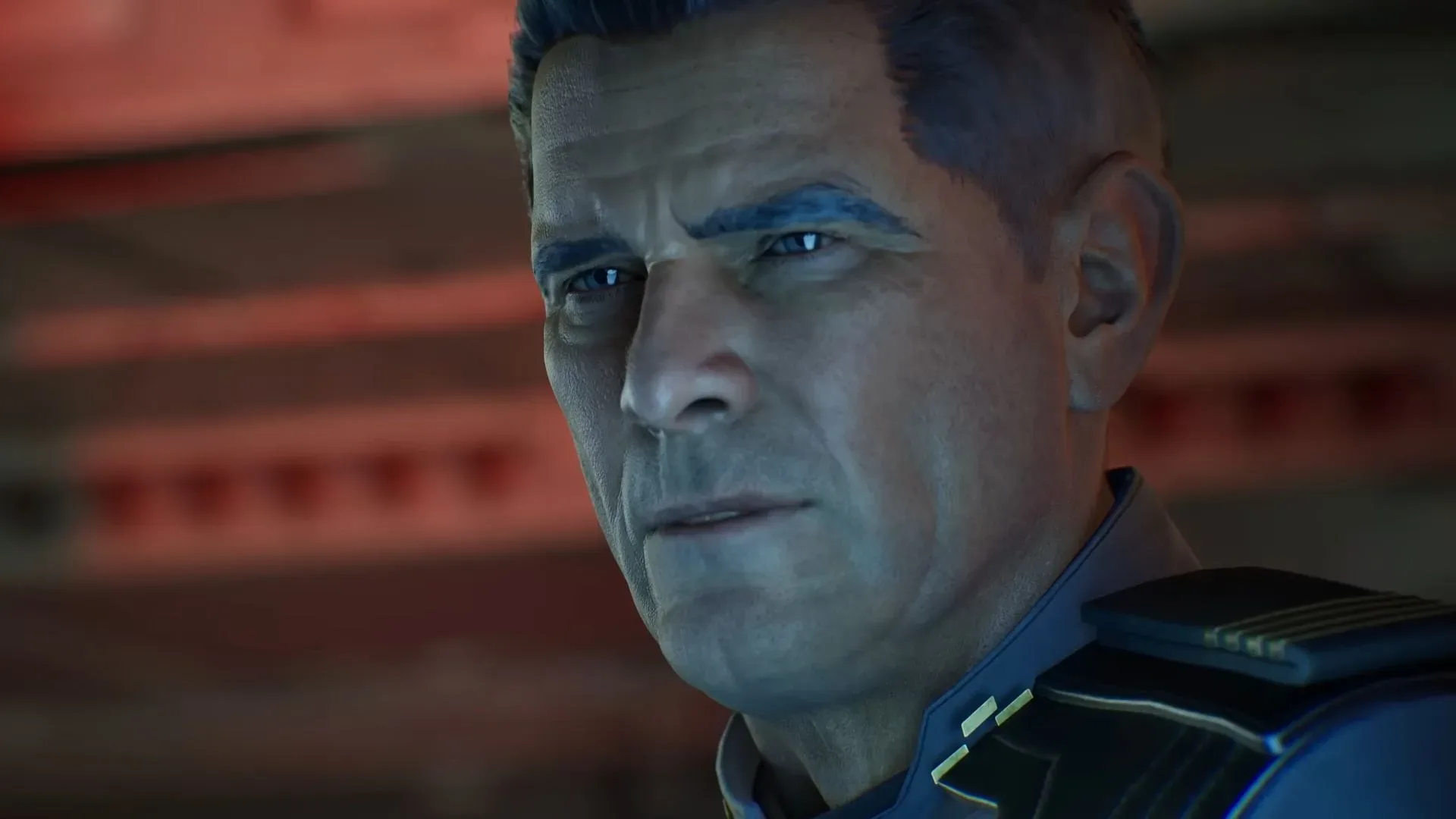
Ybarra singled out Activision president Rob Kostich, executive vice president and head of development David Stohl, and Call of Duty head of creative Patrick Kelly. He described them as experienced, old-school developers who could bring Halo back to its best form. In his view, the group is willing to take risks and could deliver a Halo experience strong enough to establish the franchise’s direction for the next decade or more.
Related coverage includes Mike Ybarra Backs Activision-Led Halo Reset Following Halo Studios Layoffs.
His argument is essentially a vote of confidence in Activision leadership and a belief that a decisive reset is preferable to continued uncertainty. It is not based on disclosed details of the game itself. No campaign premise, multiplayer format, technical feature set, developer roster, or release target has been provided.
That gap is important when reading claims that this is definitively good or bad for Halo. The move is substantial, but its creative consequences will only become visible through future work. Players can assess the announced structure today; they cannot yet assess a game that has not been shown.
“Non-political” is a vague promise for an inherently political series
Ybarra framed his praise partly around the idea of a “non-political” Halo. He had recently argued that audiences want concerts and video games to provide an escape from everyday political disputes rather than offer others’ viewpoints.
But the phrase is unclear without a definition, and none was offered in relation to Halo’s prior direction. It also sits awkwardly beside the themes built into the series. Halo’s fiction includes militarism, weapons of mass destruction, religious extremism, genocide, and child soldiers. Those subjects concern power, violence, institutions, ideology, and conflict. A game can present such material as entertainment, spectacle, tragedy, critique, or some blend of all four, but their presence makes a simple claim of political neutrality hard to pin down.
Political can mean several different things in game discussion. It may refer to a game’s explicit stance on current events. It may mean its portrayal of social structures and state power. It can also be used more loosely as a criticism of dialogue, characters, themes, or public statements that a player dislikes. Treating all of those meanings as identical tends to obscure rather than clarify the debate.
For Halo, the practical question is not whether the next game contains war, hierarchy, religion, or catastrophic weapons; those are already foundational pieces of its universe. The meaningful question is how a new team uses them. Will the game foreground them, leave them in the background, or approach them with a different tone? There is not enough information yet to answer that.
Layoffs remain central to the story
The celebratory language around a franchise reset should not erase the circumstances surrounding it. The reported 268 eliminated roles span Halo Studios, Xbox Game Studios management, and other first-party teams. The cuts come as Halo’s stewardship is reorganized, creating a situation where a new strategy is being announced alongside major disruption for workers.
This is why the reaction cannot be reduced to a simple contest between optimism and pessimism about the next Halo game. Fans can be curious about an Activision-led future and still question whether the restructuring was necessary, sustainable, or respectful to affected developers. A game franchise is not merely an intellectual-property label that can move between corporate units without consequences; its games are made by people with specialized knowledge, working relationships, and long-term familiarity with the material.
The broader Xbox reshuffle also places Obsidian, the studio behind Fallout: New Vegas, under Bethesda’s control. Together, these changes have fueled criticism that management is treating studios and developers as interchangeable resources while repeatedly rearranging the structures through which games are made.
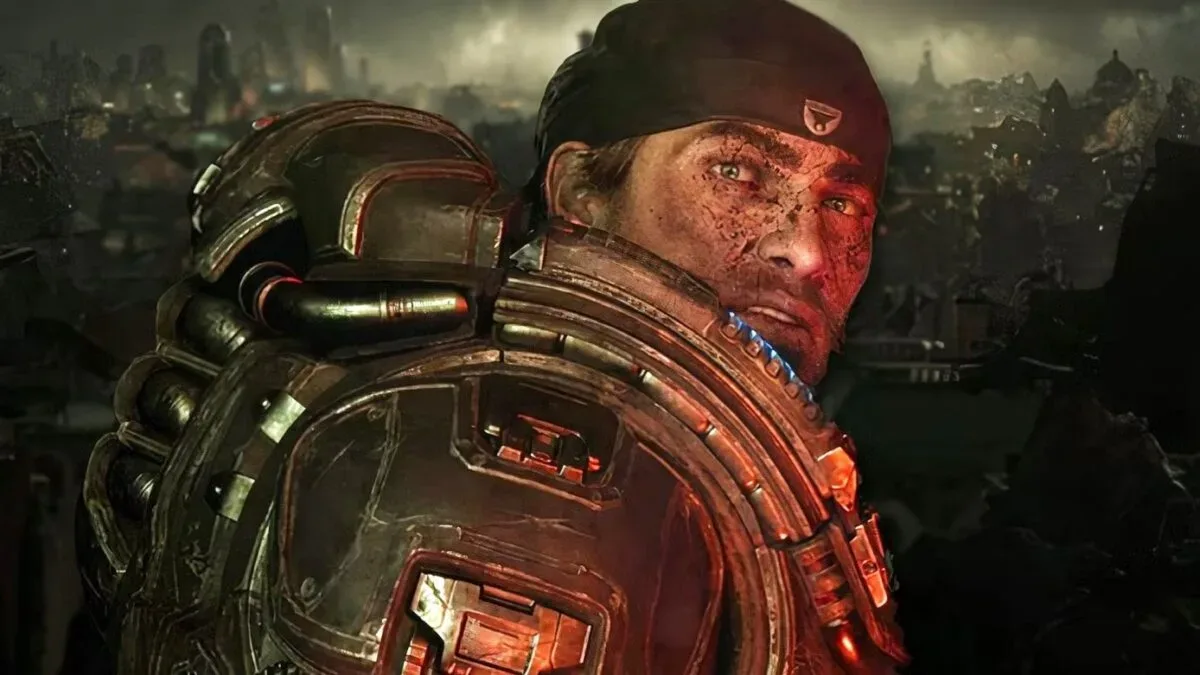
For Xbox audiences following other recent staffing news, the Halo changes also arrive in a wider atmosphere of uncertainty. Gears of War: E-Day’s story director was recently laid off after the game reached its gold milestone, another reminder that project progress and employment security do not necessarily move together.
What Activision’s assignment does—and does not—tell players
There are reasonable reasons to watch the transition closely. Activision has substantial experience overseeing a major shooter franchise, and Xbox has explicitly separated the Halo team from Call of Duty’s active development plans. If the company gives the new group a clear mandate, stable resources, and time to develop its own vision, the reorganization could give Halo a more focused path than a diffuse management structure.
There are also major unanswered questions. A leadership change does not automatically solve design challenges, establish trust with players, or preserve the accumulated expertise of people whose roles have been cut. “Reset” is a useful corporate and fan shorthand, but it is not a design document. It says that direction has changed; it does not tell anyone precisely where the series is going.
- Confirmed: Activision is taking charge of the next Halo game through a new dedicated team.
- Confirmed: Halo Studios is reduced to a small community-support role.
- Confirmed: 268 roles are being eliminated across Halo Studios, Xbox Game Studios management, and other first-party groups.
- Not confirmed: a release date, platform plan, game genre details, plot, multiplayer approach, or named development staff for the new Halo project.
- Not confirmed: what “non-political” means as a creative instruction, or whether it is an official direction at all rather than Ybarra’s personal framing.
A reset will be judged by more than a slogan
For now, Xbox and Activision are asking players to accept a big ambition: a Halo game worthy of the series’ universe and legacy, made by a specifically assembled team. Ybarra’s endorsement adds one prominent executive voice to that confidence. Yet the reaction to the restructuring shows why the stakes are broader than a single eventual release.
Halo’s next chapter will have to demonstrate that a corporate handoff can result in a cohesive game rather than another round of uncertainty. It will also be judged against the upheaval that enabled it. The new team’s stated separation from Call of Duty offers a meaningful structural signal, but not a guarantee of creative outcome. Until Microsoft and Activision provide substantially more detail, the most honest assessment is that Halo has a new steward, an ambitious promise, and many unresolved questions.