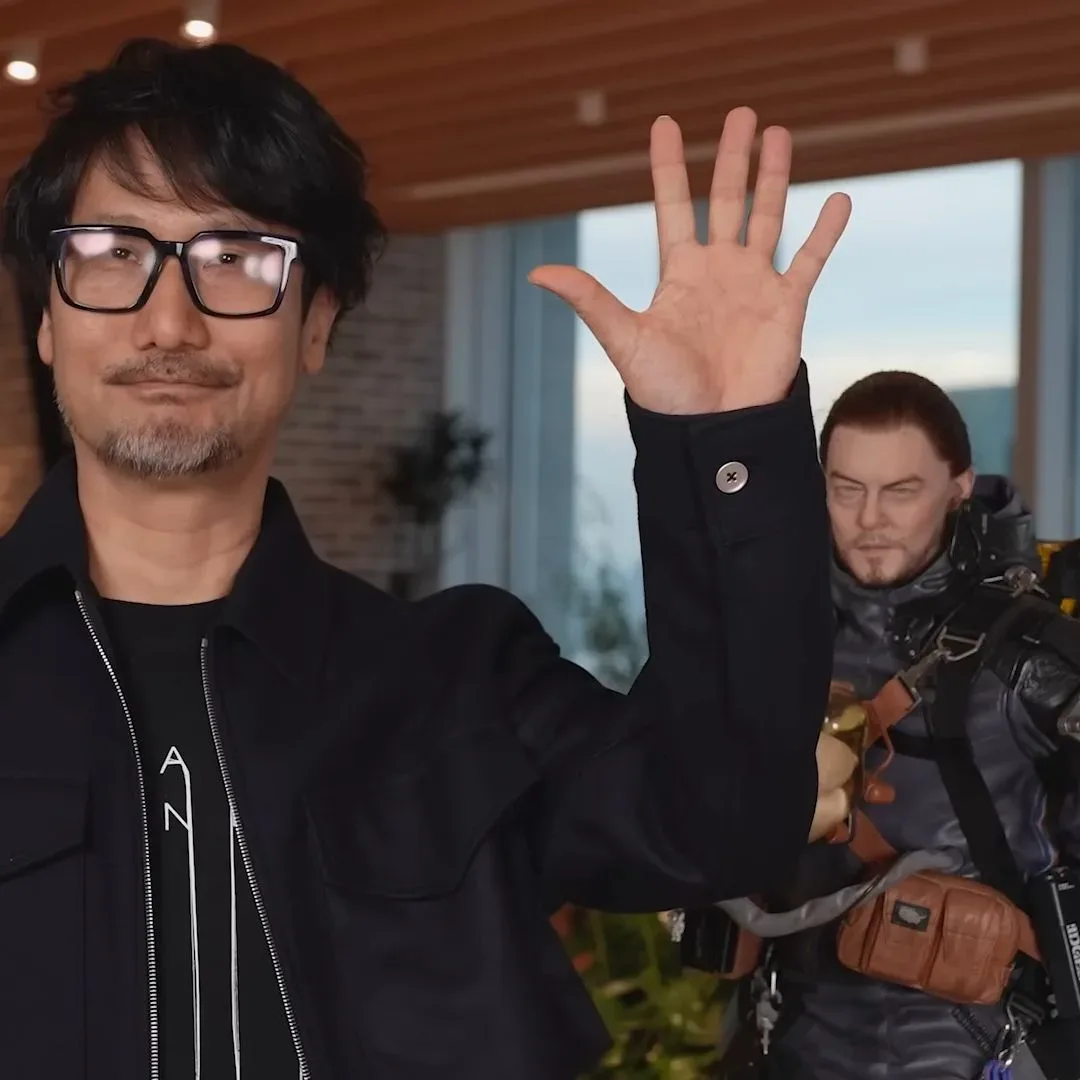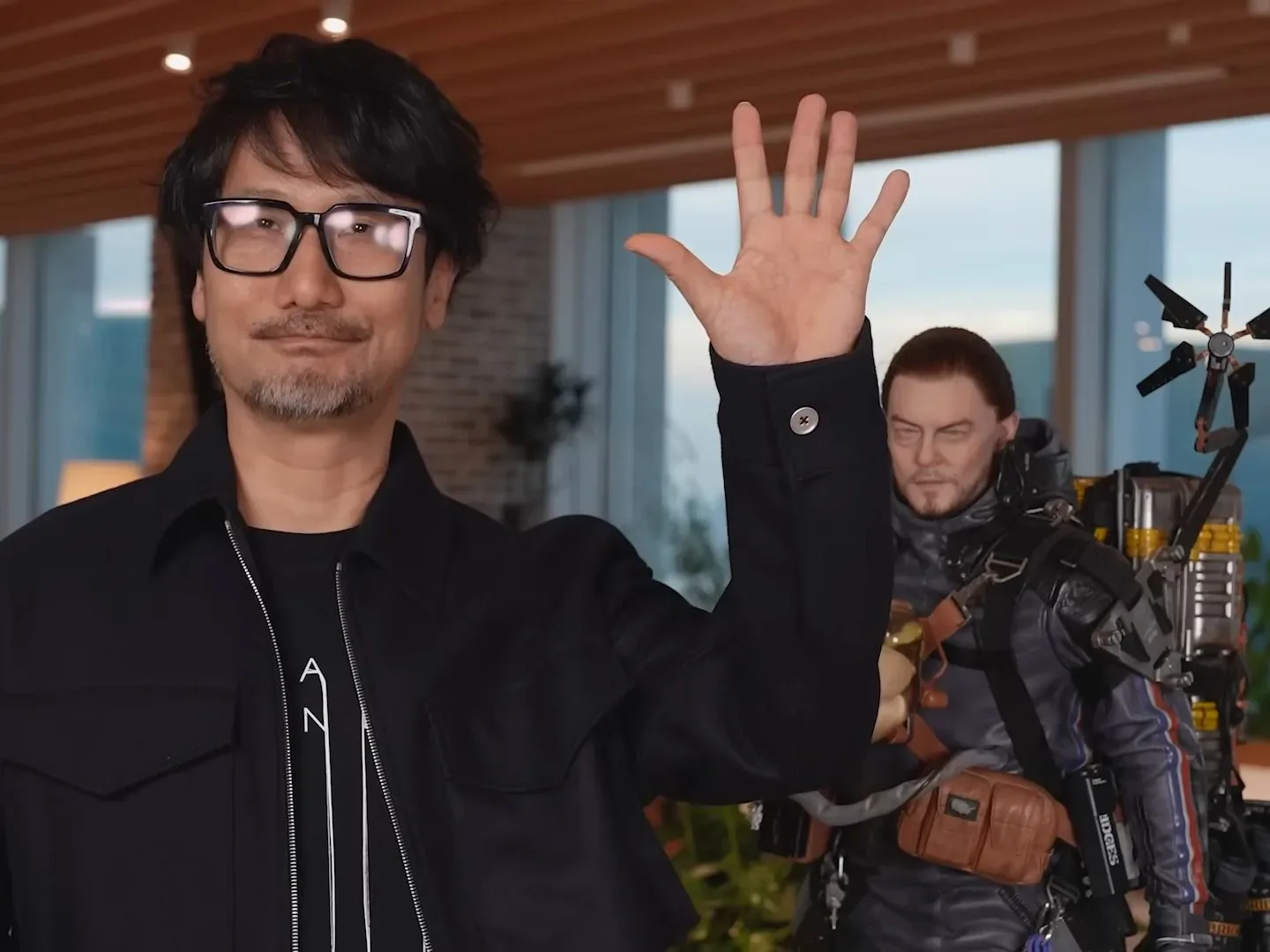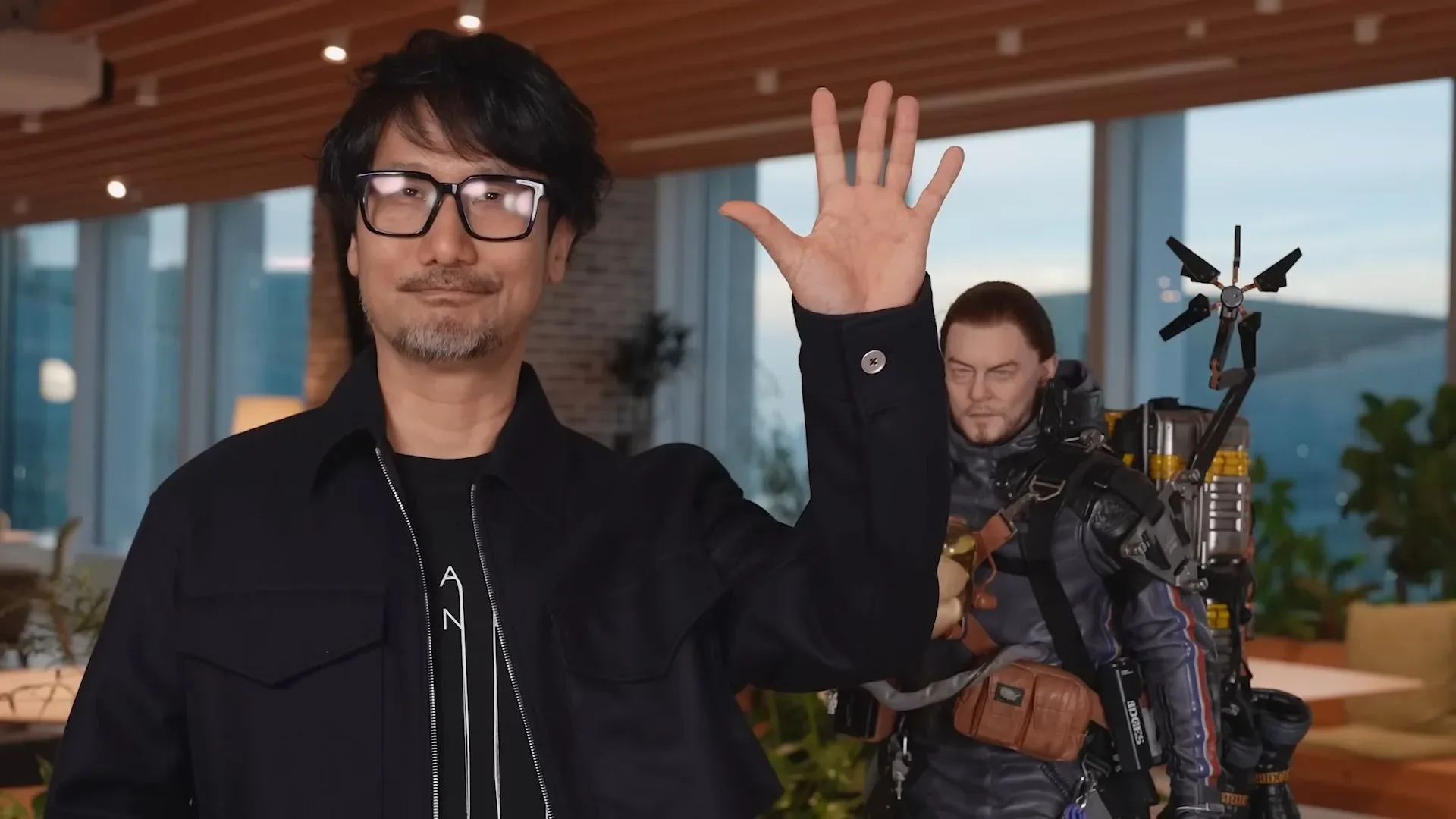
The loudest number attached to Physint may be losing its grip. Claims that Xbox is paying nearly $400 million for Hideo Kojima’s forthcoming action-espionage project have been challenged by several subsequent reports, each indicating that the company’s agreement is significantly or “quite a bit” below that figure.
That does not reveal what Xbox is actually paying, nor does it establish Physint’s full development budget. Those are two separate numbers, and neither has been publicly confirmed. But it does put an important boundary around a rumor that quickly became shorthand for the scale and risk of the project: the oft-repeated $400 million figure should not be treated as settled fact.
Physint is now said to be published by Xbox after Sony reportedly chose to cancel its involvement with the game. The reported handover is striking in its own right, especially because Physint has commonly been framed as Kojima’s return to an action-espionage space following the Metal Gear series. The deal’s cost has therefore become a major part of the discussion—not only because it is a potentially enormous investment, but because the project is tied to a creator whose games arrive with unusually high expectations.
What is being disputed—and what is not
The number under dispute is reportedly the value of Xbox’s agreement for Physint. A previous report had suggested the project was expected to run well over budget, while wider industry chatter circulated a figure close to $400 million. That figure was repeated as an apparent price tag for Xbox’s new publishing arrangement.
Follow-up reporting has since complicated that picture. One reporter, while stressing reluctance to state precise figures without documents or multiple firsthand confirmations, wrote that an Xbox contact with direct knowledge of the agreement said it was signed for substantially less than $400 million. Separate reporting based on people said to know the relevant contracts likewise characterized the amount as significantly lower. The person who had relayed the $400 million rumor later said they had been told Xbox was paying “quite a bit less.”
All of those descriptions point in the same direction, but they still do not produce a reliable replacement figure. “Significantly less” can cover a wide range. It also leaves open questions about what the reported deal includes: funding already spent, remaining development costs, publishing rights, marketing commitments, distribution arrangements, or other contractual obligations. Without the contract or an official financial disclosure, assigning a final cost would be guesswork.
Deal value is not necessarily the game’s budget
The distinction matters. A development budget is the money required to make a game: staffing, technology, performance capture, production, testing and other work across its development. A publishing deal, meanwhile, can be a broader arrangement governing who funds the project, who publishes it, and what rights or responsibilities move between the parties.
Those two amounts may overlap, but they are not automatically identical. A publisher might be funding future development rather than reimbursing all prior spending. A contract could cover rights and obligations beyond development itself. Conversely, a project’s eventual expense can rise beyond an initial agreement. With no confirmed details on the Physint contract, the reported value should not be casually presented as either the complete cost of making the game or Xbox’s total eventual outlay.
Related coverage includes Physint's Xbox Deal Reportedly Falls Well Below $400 Million.
That uncertainty is especially relevant because the earlier claims also concerned the project supposedly going over budget. Even if a publisher’s deal is below $400 million, it would not on its own answer whether the game’s production plans changed, whether costs had increased, or why Sony reportedly withdrew. None of those questions has a public, official answer in the information available so far.
Kojima Productions urges caution
Kojima Productions has directly pushed back on the reliability of earlier claims surrounding Physint. In a statement, the studio said that none of the claims in question came from official or on-the-record sources and encouraged readers to approach them skeptically.
“None of the claims written came from any official or on-the-record source,” Kojima Productions said, urging skepticism.
That response does not disclose an alternative budget or deny every element of the broader reporting. It does, however, underline the difference between anonymous-sourcing reports, industry rumor and an official statement. For now, the responsible description is straightforward: reports suggest the Xbox agreement is lower than the widely circulated $400 million estimate, but the actual value remains unverified.
It is tempting to reduce a project’s prospects to a single huge dollar figure, particularly when it involves a high-profile creator and a change of publisher. Yet anonymous financial claims are often the least clear part of a game-industry story. A number can sound definitive long before readers know whether it refers to production, publishing, acquisition, marketing, rights, or a blend of those categories.
Why Physint is being viewed as an expensive production
There are understandable reasons the speculation has attracted attention. Physint has a cast that includes Bill Skarsgård as its protagonist, alongside Charlee Fraser, Don Lee and Minami Hamabe. That does not provide enough information to calculate the game’s cost, but it does signal an ambitious production involving recognizable screen talent.
Games in the AAA space—meaning large-scale, high-budget productions—can require extensive teams and long development cycles. However, the available details do not establish Physint’s scope, platforms, release timing, gameplay features or final budget. The involvement of actors should not be used as proof of any particular spend, and no conclusion about the project’s financial health follows from casting alone.
What is clear is that the game occupies a complicated position. Sony was initially associated with publishing Physint, but Xbox is now reportedly taking that role after Sony decided to cancel the game. At the same time, Xbox is said to be undergoing restructuring. That context makes any major commitment notable, while also making precision important: a reported switch in publisher does not tell the public how development is being managed day to day, what changed in the agreement, or when players can expect more concrete information.
The situation is a reminder that publisher relationships are not always fixed from announcement to release. Projects can be reassessed as companies alter strategy, budgets and priorities. Broader questions around platform-holder decision-making are already central to the business conversation, as seen in discussion of how publisher and studio priorities can shape which projects move ahead.
The Xbox connection adds another Kojima wrinkle
Xbox’s reported role on Physint also sits alongside its existing association with Kojima Productions’ OD. Kojima has said Xbox had “never seen” anything like Physint. He also said that Xbox was the only publisher that did not think his OD pitch was “crazy.” Those comments do not explain the reported Physint agreement, but they suggest Xbox has been receptive to projects that are presented as unconventional or difficult to categorize.
For audiences, though, the immediate takeaway should be narrower than a verdict on either company’s strategy. There is no confirmed $400 million payment. There is also no confirmed lower number. The converging follow-up claims make the original figure look increasingly doubtful, but the contractual details remain private.
Physint’s eventual importance will not be measured by rumor arithmetic alone. It will depend on the game Kojima Productions ultimately makes, the terms under which Xbox publishes it, and whether the project reaches players in the form now envisioned. Until official figures emerge, the reported cost belongs in the “unconfirmed” column—just with a stronger reason than before to doubt that it begins with a four.