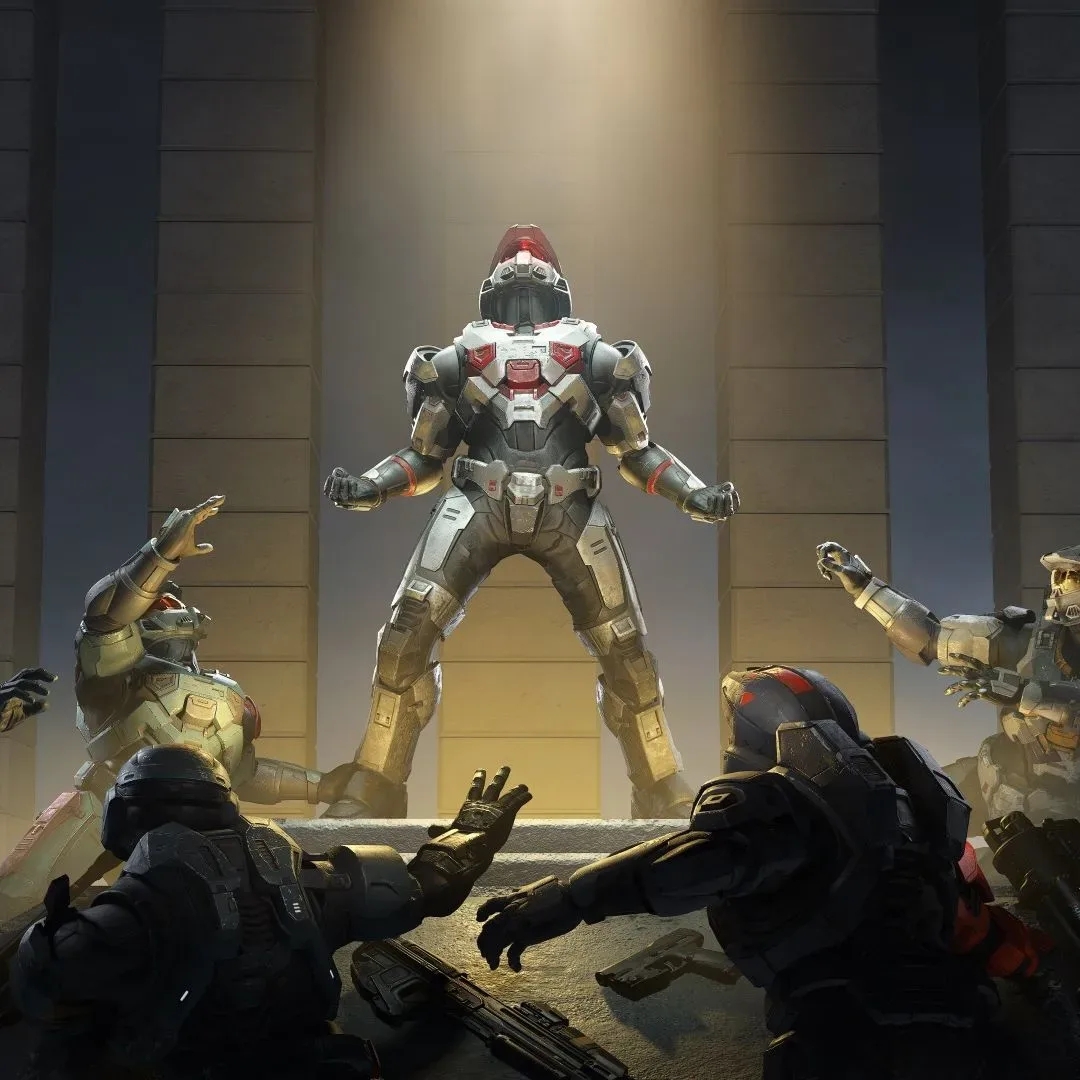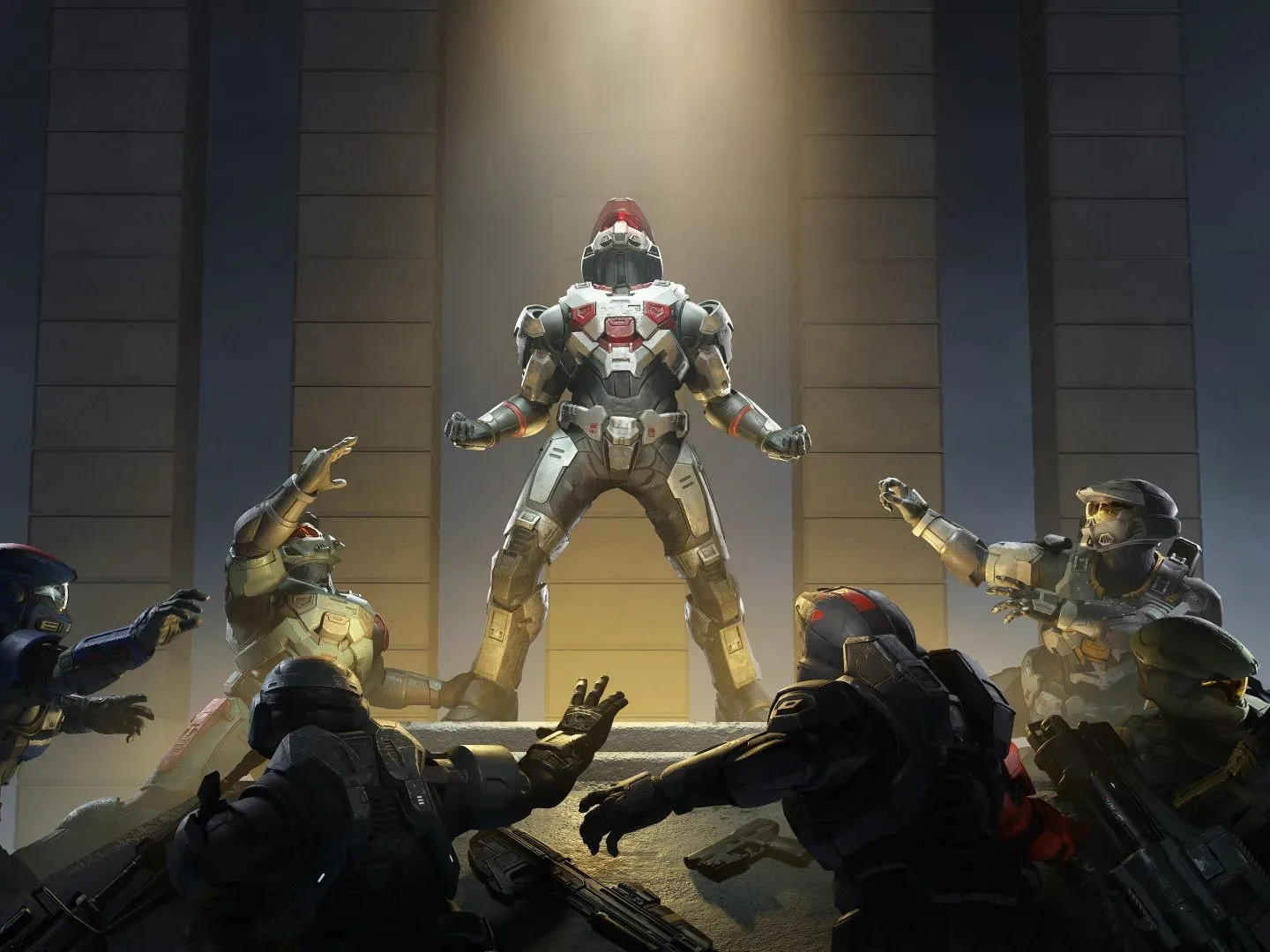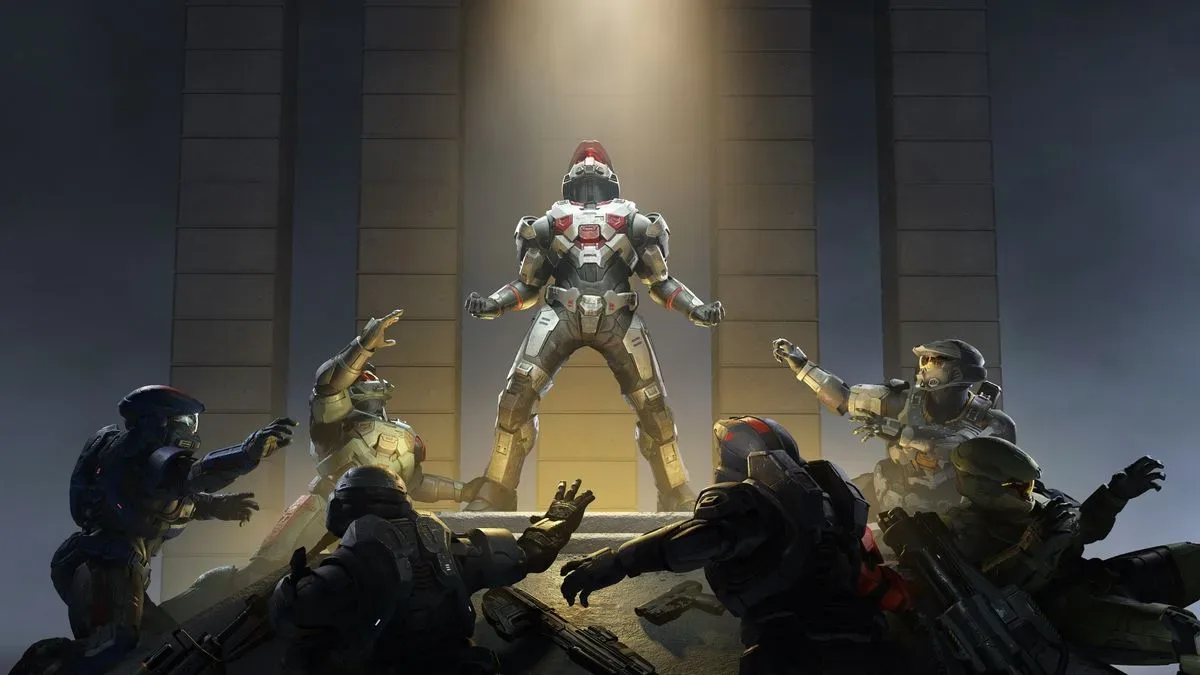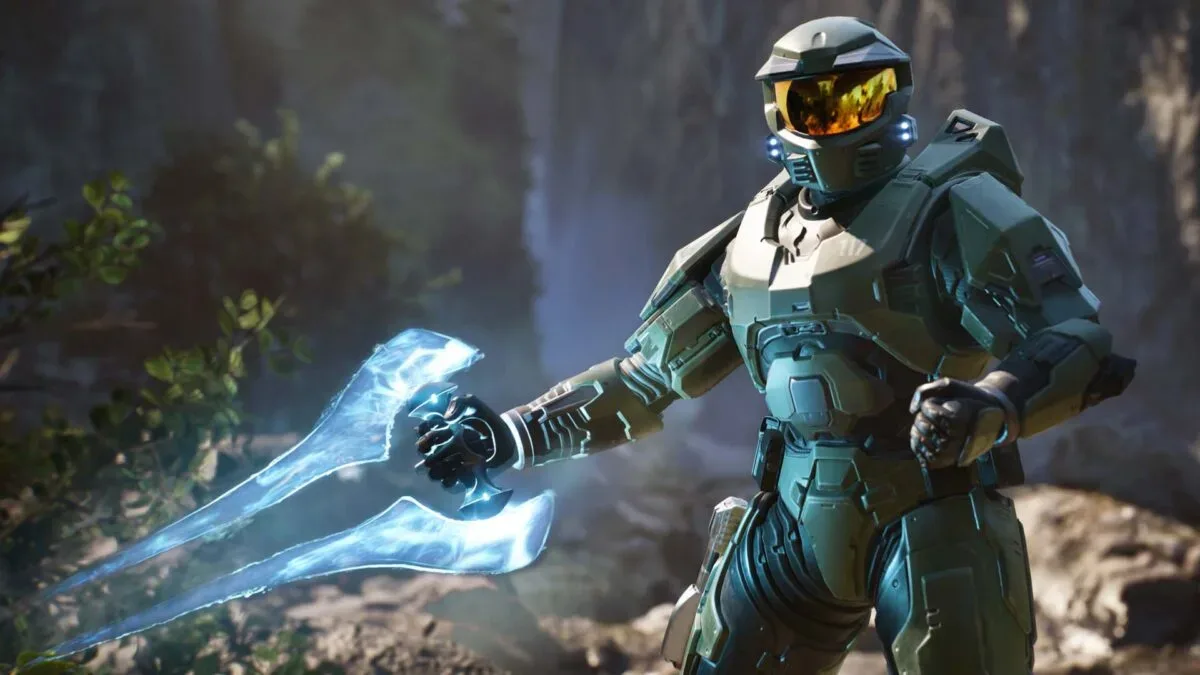
A reported Halo multiplayer project may have gone through a far more ambitious evolution than fans ever got to see. The project, initially known as Project Tatanka, was allegedly conceived as a battle royale before being reshaped into an extraction shooter with Halo-specific twists: competing squads, a shrinking play space, Flood-controlled threats, optional cooperation and a major boss encounter.
None of those details have been officially confirmed. The account comes from HiddenXperia, citing anonymous people affected by the recent layoffs at Halo Studios. That means the project names, design plans and reasons for its cancellation should be treated as reported development information, not as a revealed game or a promise of what Halo will do next.
Still, the reported pitch offers a striking look at the kind of multiplayer experiment Halo Studios may have considered while work on Halo: Campaign Evolved was underway. It also illustrates a more familiar reality of game development: a project can change genres, change technology, lose staff to another production and ultimately vanish without reaching players.
From a Halo battle royale to Project Ekur
Project Tatanka reportedly began as a straightforward battle royale during and after the development of Halo Infinite. Battle royale games generally place many competitors into a large arena and steadily reduce the safe playable area, forcing players into more frequent encounters until one player or team remains.
The reported Tatanka concept would have used a very large environment assembled from multiple recognizable Halo multiplayer maps. That approach could have preserved familiar Halo spaces while changing their purpose: locations designed for compact arena matches would become parts of a much larger battlefield, potentially connected by traversal routes, sightlines and objectives built for a longer match.
According to the report, Tatanka did not remain a pure battle royale. It reportedly became Project Ekur, an extraction shooter set on Zeta Halo. In an extraction shooter, surviving is not necessarily the entire objective in the battle-royale sense. Players or squads enter a dangerous area, pursue objectives or gather resources, and try to leave through an extraction point. Other players are threats, but computer-controlled enemies and the risk of losing progress on a failed escape are usually central to the format.
The reported Ekur design apparently retained a battle-royale-style shrinking map. That is an important hybrid detail. In principle, the closing play space would pressure squads toward one another, while extraction goals would create reasons to move, weigh risks and potentially depart before every opponent had been eliminated. Whether that blend would have felt like Halo is impossible to know, because there is no official footage, public build or confirmed feature list to assess.
The reported Zeta Halo scenario
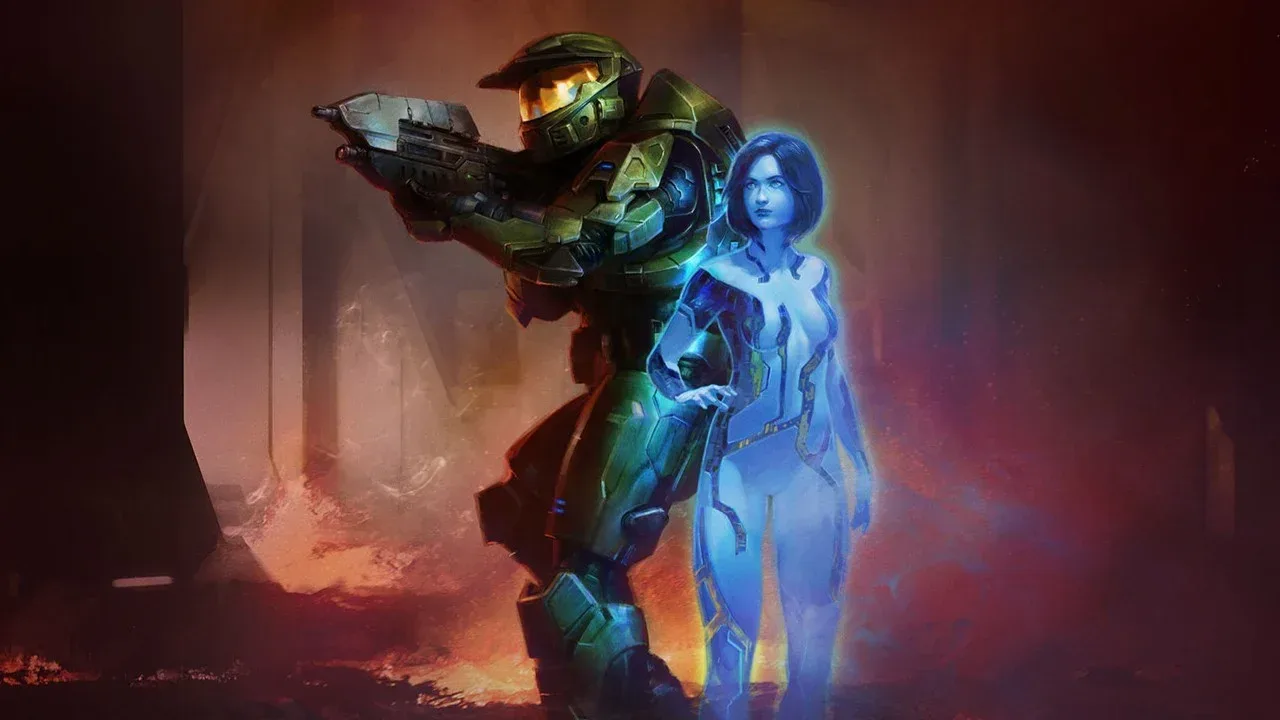
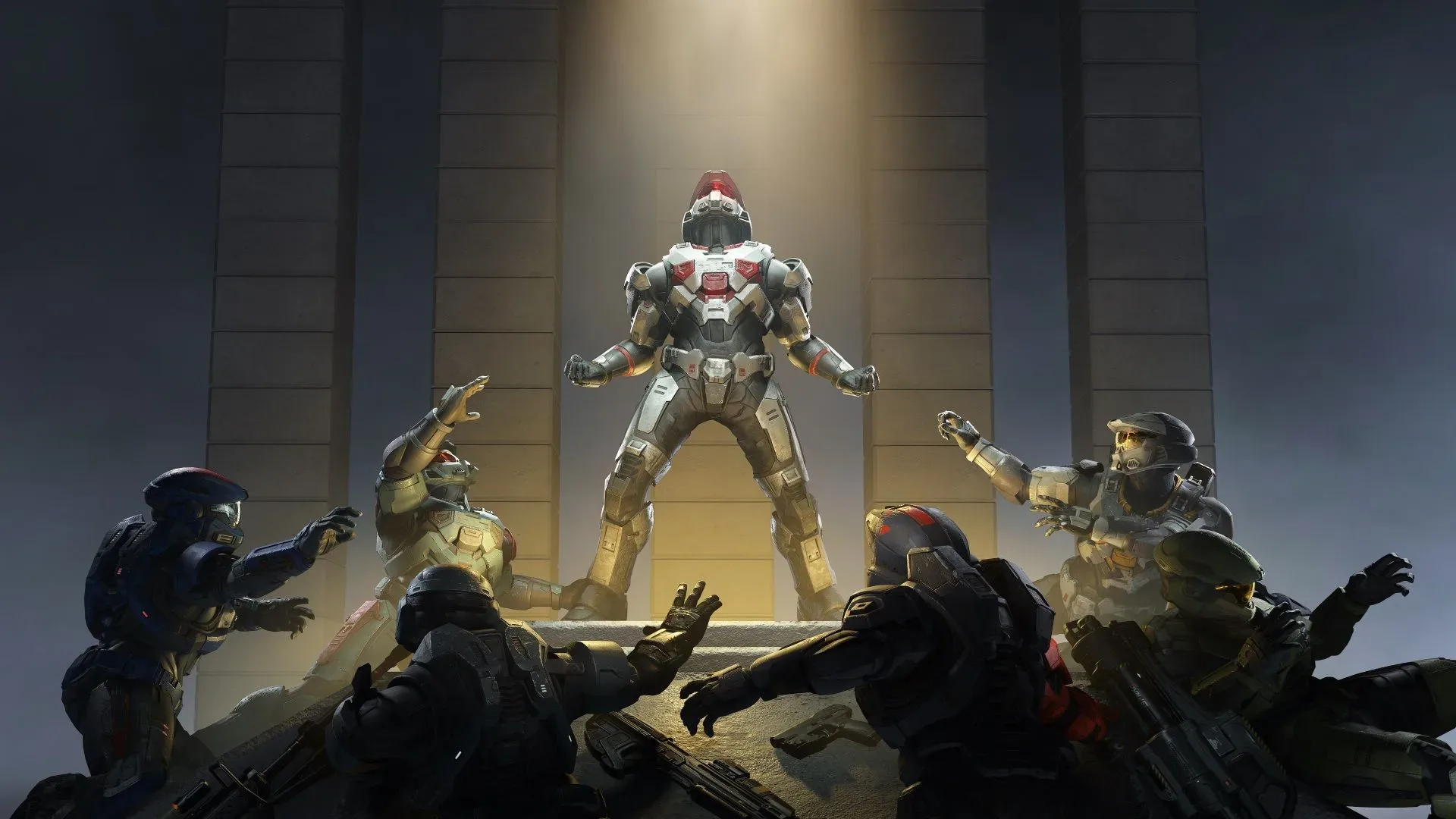
The alleged match structure had squads dropping onto Zeta Halo, the setting associated with Halo Infinite. Players would reportedly have been able to choose between a UNSC Spartan and a Banished Brute. The Brute option is particularly notable because the report describes it as a first for player control in the series.
Related coverage includes Reported Halo Battle Royale and Extraction Shooter Was Shelved During Campaign Evolved Development.
That choice could have carried major gameplay and presentation consequences, though no confirmed details explain how the two sides would have differed. Spartans and Brutes are not merely different character models in Halo fiction; they represent opposing military forces. A multiplayer game that lets both enter the same extraction-style scenario would need to answer practical questions about faction identity, visual readability, equipment and balance. Those questions are analysis rather than confirmed Project Ekur features, but they show why the proposed setup was more complicated than simply adding another playable skin.
The Flood were also reportedly planned as an AI-controlled danger. In Halo, the Flood are the franchise’s parasitic, zombie-like enemy faction. The reported concept had Flood infections spreading through portions of the map, creating a third force alongside the player squads. Rather than every encounter being strictly player-versus-player, teams could have had to navigate environmental danger and computer-controlled enemies while deciding when fighting another squad was worth the risk.
The report further says the Flood outbreak was intended to connect narratively to a future Halo 7. That is not confirmation that such a game’s story was locked, in production or even still follows the same direction. Early game concepts often test story hooks as well as mechanics, and a cancelled multiplayer project can leave those ideas behind. At most, the claim suggests the project may have been designed to matter to Halo’s broader fiction rather than exist entirely apart from it.
Cooperation, a boss and the tension at the heart of the idea
One of the more unusual reported elements is a huge map boss that players could sometimes work together to defeat. The comparison offered for the idea was to the Invasion events in Gears of War: E-Day. In broad terms, a shared boss objective would introduce a temporary incentive for rival squads to cooperate.
That kind of cooperation is inherently unstable in a competitive extraction game. Teams might combine their firepower against a dangerous enemy because doing so is safer than fighting one another immediately. Once the boss falls, however, the alliance could end the moment players compete for an extraction route, a reward or simple survival. It is an appealing source of emergent drama in theory, but it also requires careful rules and incentives so that the encounter does not become confusing or unfair.
For Halo specifically, a Flood-heavy situation and a shared boss could have given the game a recognizable identity beyond its reported battle-royale roots. The series is known for encounters involving alien factions and enemy AI, so a mode where rival squads occasionally face a common threat is easier to imagine within Halo than a genre conversion with no connection to its universe. But again, the available account does not establish how any boss fight worked, what players earned, or whether the system was implemented beyond a planning stage.
Why the project reportedly stopped
The report says that, during development of Halo: Campaign Evolved, the studio pivoted toward a more traditional Halo multiplayer project built in Unreal Engine. That shift reportedly pushed the extraction-shooter concept aside. The later multiplayer effort was then also scrapped, with developers moving to support the troubled production of Campaign Evolved.
“Traditional Halo multiplayer” is not defined in the report, so it should not be read as a confirmed list of modes, maps or systems. In context, it indicates a move away from the large-scale battle royale and extraction hybrid toward multiplayer that more closely resembles Halo’s established competitive identity.
The Unreal Engine reference matters because changing or committing to a technology foundation can shape a project’s staffing and production needs. However, the report does not specify which Unreal Engine version was involved, what had been built, or whether technology concerns were the main reason for the change. The clearest reported sequence is simply that the project direction changed, resources were needed elsewhere, and the experimental multiplayer ideas did not survive.
This came amid a wider Xbox restructuring that left only a small Halo Studios team handling support for existing Halo games, events and an upcoming novel. The restructuring reportedly occurred only weeks after Halo: Campaign Evolved, a campaign-only remake of the original Halo game, shipped. In that setting, the cancellation claims are not just about one abandoned prototype; they describe a studio whose priorities and capacity changed sharply.
What the report does—and does not—tell Halo players
The report gives Halo fans a possible explanation for long-running curiosity around Project Tatanka: it may have been more than a battle royale, and may have passed through multiple identities before being shelved. It also suggests a creative direction that combined Halo locations, Zeta Halo, the Banished, the Flood and a large-scale multiplayer structure.
It does not establish that Project Ekur ever reached a playable state, that its reported features were fully implemented, or that any of its ideas will appear in a future Halo release. A project can be compelling on paper and still be cancelled for reasons that have nothing to do with whether its individual concepts were viable. The account also relies on unnamed sources, so independent official confirmation remains absent.
Cancelled games nevertheless matter as part of the industry record. They show the paths a franchise considered before its public releases took shape, much like other major series have had pivotal projects that nearly never reached players. Red Dead Redemption and Bully also reportedly came close to not happening, a reminder that the games people eventually know can emerge from fragile development circumstances.
For now, Project Tatanka and Project Ekur are best understood as reported, shelved Halo concepts: a possible battle royale, then a possible extraction-shooter hybrid, both overtaken by changing production plans. The most concrete consequence is not an upcoming mode for players to prepare for, but a clearer—if still unverified—picture of an ambitious Halo multiplayer direction that apparently did not make it to release.