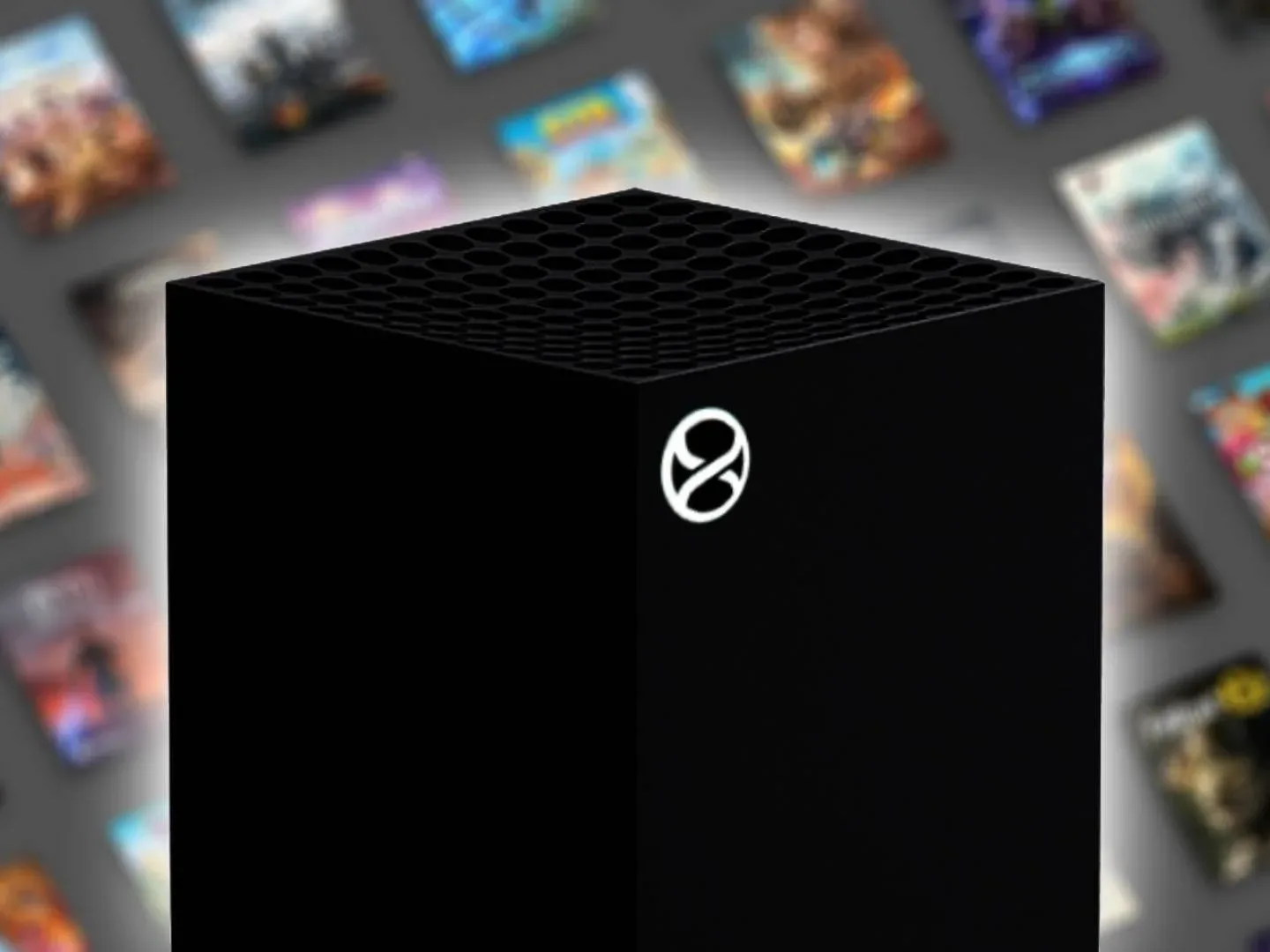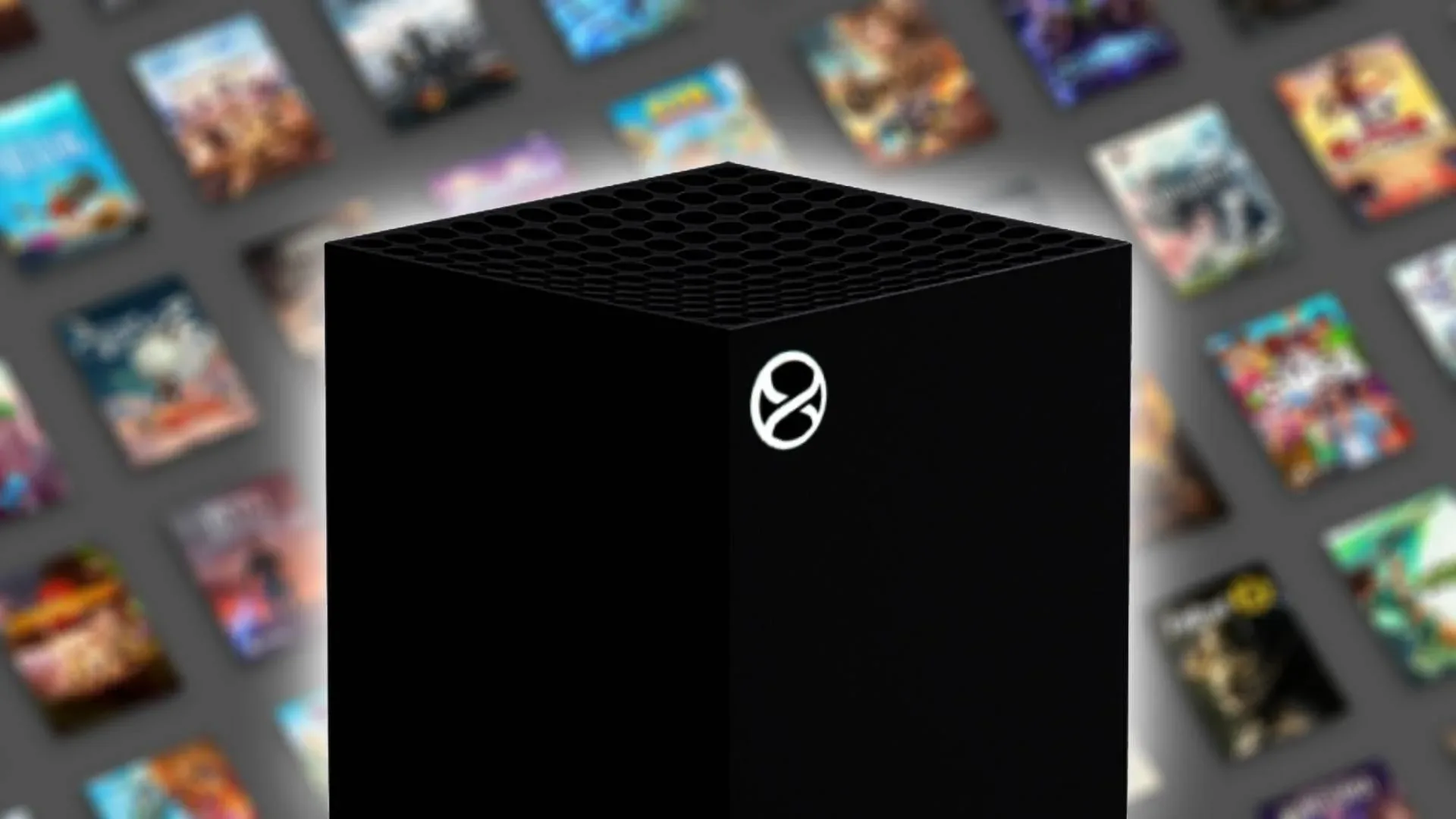
A reported $1,200 to $1,800 price range for a future Xbox home console has prompted a blunt response from former Blizzard president Mike Ybarra: a machine at that level would be fundamentally at odds with the role people expect a console to play.
Ybarra was reacting to reporting that Microsoft is internally considering a next Xbox price in that range unless it chooses to subsidize the hardware. That is an important qualification. The reported figures are not a confirmed retail price, product announcement, specification sheet, or release plan. They represent an apparent internal projection and a scenario in which the platform holder does not absorb part of the hardware cost itself.
Still, even as a hypothetical, the upper end of that range is startling. The PlayStation 5 and Xbox Series X launched less than six years ago at $500. A $1,200 machine would therefore sit well beyond the launch pricing of the current flagship consoles, while $1,800 would move a purported living-room console into a dramatically narrower consumer market.
“A ‘console’ is a mass-audience device and you need great games and a low entry price,” Ybarra wrote, putting his own acceptable range at $399 to $499. He argued that a console at the rumored prices would not sell enough units to be meaningful against alternatives.
His bottom-line assessment was even simpler: “I wouldn’t release it at all.”
Why the reported range matters even before a console is announced
Console hardware is unusual because the purchase is rarely just about the box under the TV. It is an entry point to games, subscriptions, accessories, digital storefronts, online communities and, for many households, a library built across years. That makes the initial price especially consequential. A buyer deciding whether to enter an ecosystem is also deciding whether the total cost of participation feels reasonable.
Ybarra’s response centers on the idea of a mass-audience device. In this context, that means hardware intended to reach a broad enough base that major game releases, platform services and multiplayer communities can all scale around it. A high-price device may still have an audience, but its potential audience changes. It becomes harder to treat it as the default upgrade for existing players, much less an easy recommendation for a household that has not yet committed to a platform.
That does not prove that a costly future Xbox could not exist. Premium technology products can appeal to people who place a high value on performance or new features. But Ybarra’s argument is about the trade-off: the more a console’s price rises, the more it has to compete for attention against keeping current hardware, buying a different platform, or spending entertainment money elsewhere.
Related coverage includes Mike Ybarra Questions Reports of a Potential $1,800 Next Xbox Price.
The reported price discussion arrives amid higher component costs tied to global memory shortages. Memory is a broad term for components used to store and rapidly access data; in modern game hardware, its cost can have a meaningful effect on the bill of materials. Yet a pressure on manufacturing costs does not automatically establish a future retail price. A platform holder can choose how much of the cost to pass along, reduce elsewhere, or accept lower hardware margins in pursuit of a larger installed base.
Hardware subsidization is the key concept in the report. It means a company sells hardware at a price below what it might otherwise charge to fully cover its costs and desired margin, seeking to make money through software, services, digital sales or accessories over time. The supplied reporting frames the $1,200-to-$1,800 estimate as a possible outcome if Xbox does not take that kind of financial loss on the console.
That leaves substantial uncertainty. A reported internal estimate is not the same thing as a final strategy. It also does not tell players what specifications, storage, form factor, software model, physical-media support or regional pricing a future system might have. Treating the highest reported number as settled fact would get ahead of the available evidence.
Ybarra’s alternative: make more of the consoles people already own
Rather than trying to force a sharply more expensive generation, Ybarra suggested staying with existing high-end hardware until component pricing becomes more manageable. He specifically pointed to the PS5 Pro and Xbox Series X, saying their capabilities are sufficient for “99% of the audience.”
That claim is an opinion, not a measurement of consumer demand, but it reflects a practical question for platform holders: what problem would a much more expensive device solve for enough people to justify its cost? The existing generation is not frozen in place. Games can improve as developers become more familiar with the systems, adapt engines, refine asset pipelines and target performance more efficiently.
Ybarra also pointed to the planned arrival of FSR 4.1 for Xbox Series X and Series S as an example of that continuing optimization. Upscaling refers to rendering an image at one resolution and using processing techniques to present it at a higher output resolution. The goal is generally to balance image quality and performance: a game may be able to run more smoothly, or use demanding visual features more effectively, than it could if every frame were rendered natively at the final display resolution.
The supplied information describes FSR 4.1 as a machine-learning upscaler. Machine learning in this setting refers to computational techniques used to help reconstruct or improve the displayed image from available data. The practical takeaway is not that an upscaler makes older hardware identical to a new console. It does mean software and system-level techniques can extend what developers can deliver on hardware already in homes.
For players, that distinction matters. A new machine is the clearest route to a higher ceiling, but optimization can improve the experience below that ceiling. Better use of current systems may be more appealing than a costly upgrade when the visible benefit is not immediately persuasive to a broad audience.
The affordability test is bigger than a specification race
Ybarra’s comments also come at a moment when household budgets are facing pressure from essentials including fuel, housing, insurance and food. Entertainment purchases do not exist outside those decisions. Even players who care deeply about new games may decide that a current console, a backlog, a subscription, or a lower-cost gaming option is good enough for another year.
That is why the reported pricing question is not merely a debate over raw performance. It is a test of how Xbox would position a future device. A conventional console strategy depends on reducing friction: a price people can contemplate, a software lineup they want, and a reason to join now rather than wait. A device near the reported range would have a much higher burden of proof.
There is also a difference between selling a limited premium product and supporting a primary console platform. The former can be designed around a smaller enthusiast audience. The latter needs enough players for third-party support, multiplayer populations, first-party game reach and the wider services business to make strategic sense. Ybarra’s “meaningful units” argument speaks directly to that difference.
Microsoft’s future choices will be watched closely as the company works through a larger reset under CEO Asha Sharma, one described as including layoffs. The next major Xbox hardware decision could signal whether the business sees the console as a broadly priced centerpiece, a premium specialist device, or part of a wider ecosystem whose priorities are changing.
There is already related uncertainty around Xbox’s broader corporate direction. Recent reporting on Xbox staffing and looming layoffs illustrates why hardware strategy is being read alongside wider operational decisions rather than in isolation.
What can be reasonably concluded now
Players should separate the report from a finalized product. No future Xbox price has been officially confirmed in the material available here, and neither have the precise features that might be used to justify such a cost. The $1,200-to-$1,800 range is consequential because it suggests the scale of the component-cost and business-model challenge, not because it establishes that shoppers will definitely face that price tag.
Ybarra’s reaction outlines a clear counterargument: do not chase a costly leap just because a new generation is expected; prioritize accessibility, games and continued technical improvement on hardware that consumers already own. His $399-to-$499 preference is also opinion, but it is rooted in a familiar console expectation that the box should feel attainable before players consider the cost of games and services.
Whether Xbox ultimately agrees with that view remains unresolved. Sony and Nintendo face related component-cost realities, though Nintendo is in a different point in its product cycle after releasing Switch 2 last year. For Xbox, the decision may be especially revealing. A future machine’s price, capabilities and audience will communicate what the platform believes a console should be when the cost of making cutting-edge hardware is rising.
For now, the most solid takeaway is the gap between a rumor-driven projection and a market-ready proposition. If a future Xbox were to approach $1,800 without an offsetting subsidy, it would not simply be a more powerful console. It would be a bet that enough consumers are ready to redefine what a console costs—and Ybarra plainly does not think that bet would pay off.