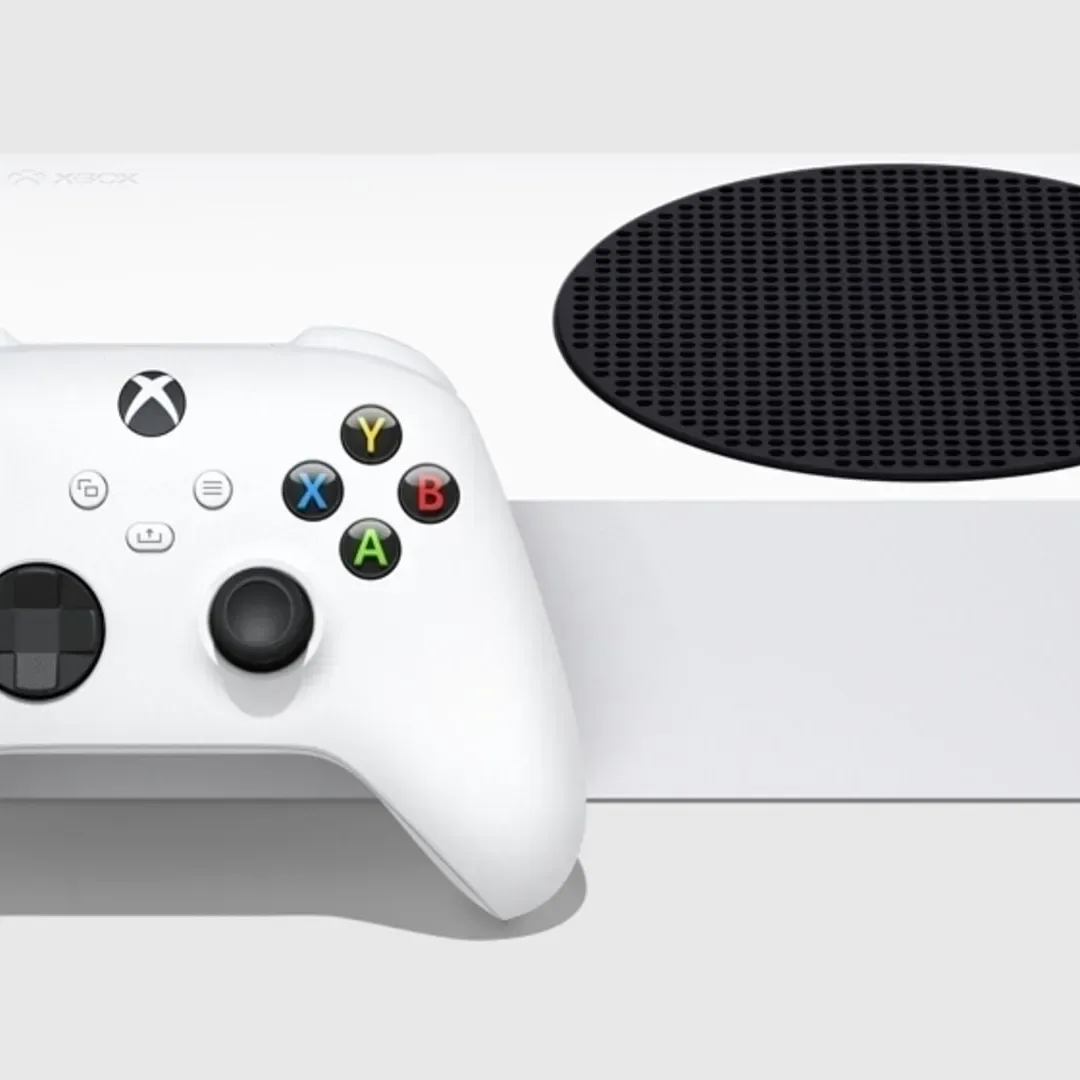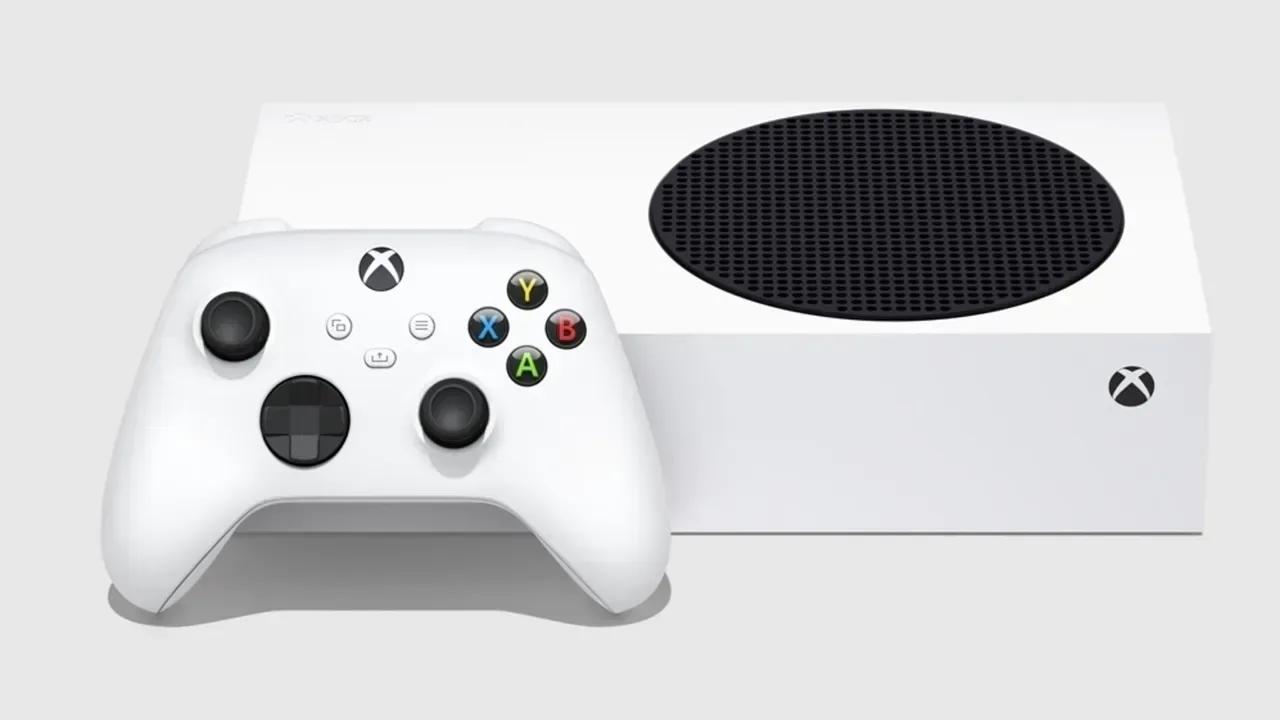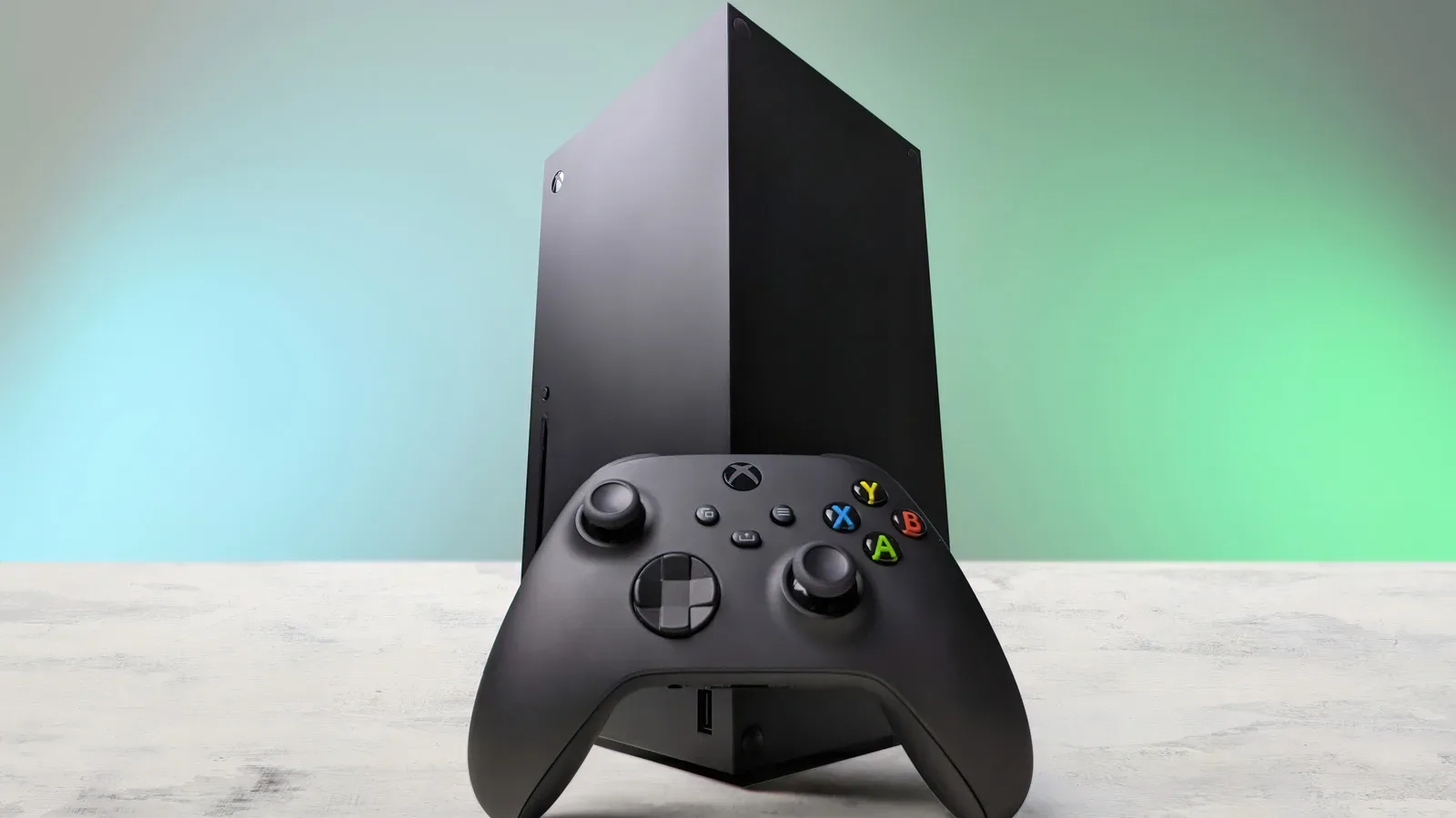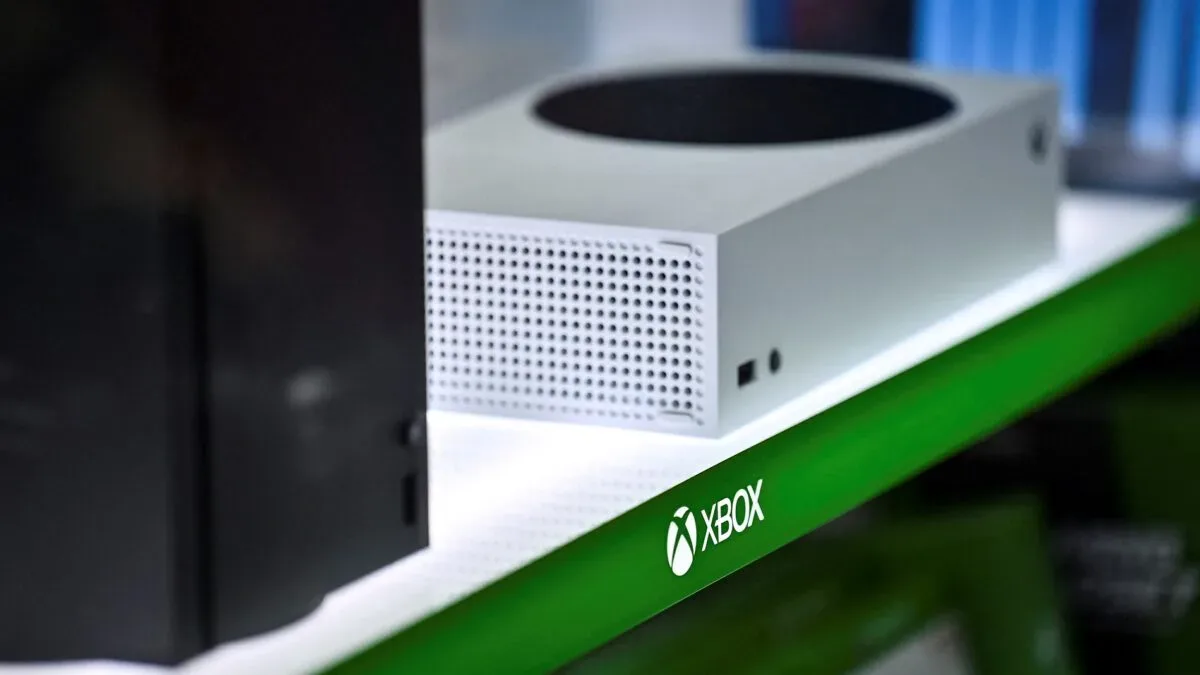
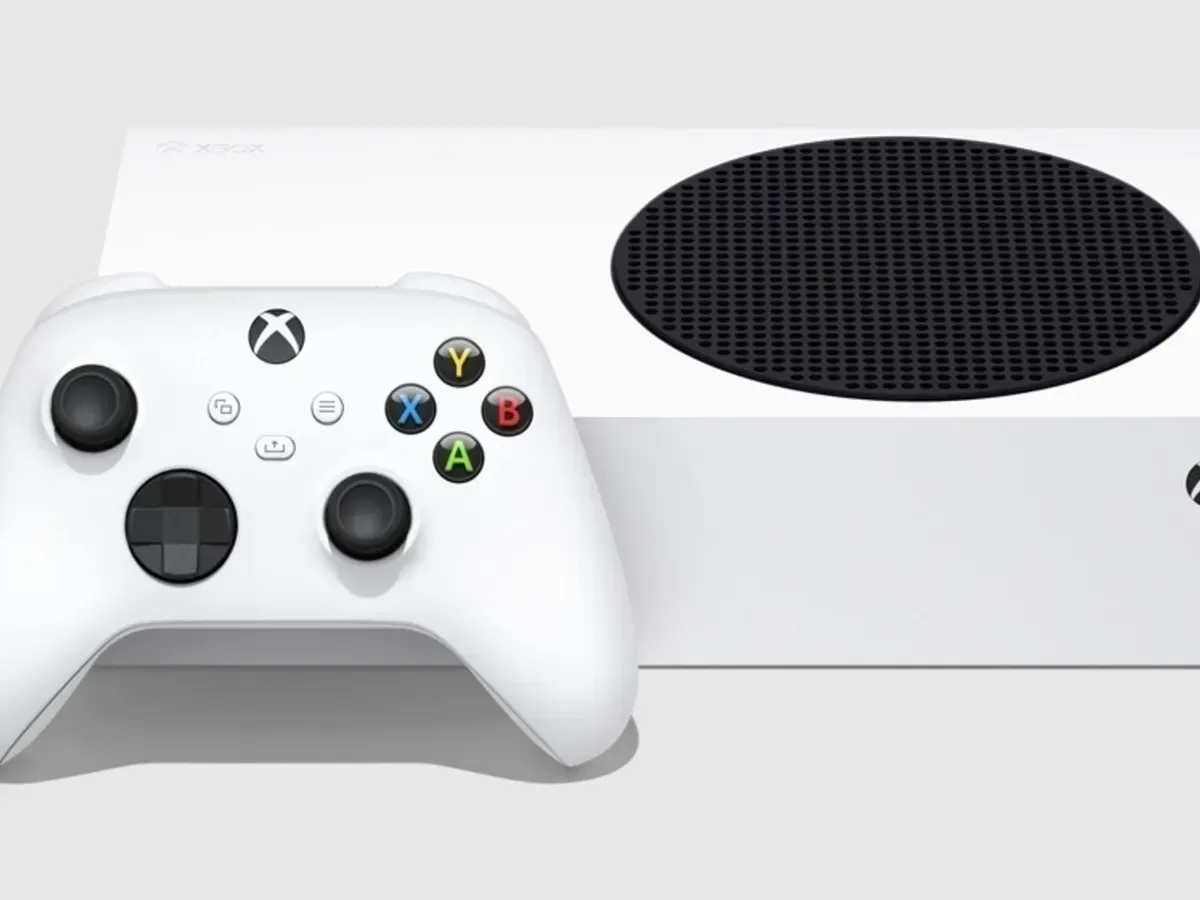
Katsuhiro Harada has delivered one of the bluntest public critiques yet of Xbox Series S development. Speaking during a roundtable at the Console Game Developers Conference in Korea, the longtime Tekken leader said he wished hardware like Microsoft’s lower-powered current-generation console had not been released, then described it as a technically awkward sibling to Xbox Series X.
The remark had a joking edge—Harada laughed while making it—but his underlying point was serious: developers are required to bring games to both Xbox Series models and maintain parity in their main features. That means teams cannot simply choose the more powerful Series X as their sole console target, even when the Series S creates additional technical compromises or production work.
“Low memory is an issue, but the hardest part is that it’s a device so similar to Series X while having awkwardly lower performance,” Harada said.
Harada’s colorful phrasing turned a familiar developer-side complaint into a headline, but the conversation also included an important counterpoint. Paweł Sasko, associate game director on Cyberpunk 2077, acknowledged the challenges while arguing that Series S has real benefits: its lower entry cost can help games reach a wider audience, and optimization work undertaken for the console can improve a game on other platforms too.
In other words, this is not merely a fight over whether one box is “good” or “bad.” It is a debate over the practical consequences of a two-console strategy: affordability and audience size on one side, production complexity and consistent game features on the other.
Why Series S is different from a normal cross-platform port
Harada’s central argument was not simply that Series S is less powerful than Series X. Different performance profiles are normal in game development. The more pointed complaint is that the two machines belong to the same Xbox generation, yet developers must support both under Microsoft’s rule that games launch on both systems or neither, with their main features kept aligned.
That distinction matters. A studio building for substantially different platforms can plan around each one as a separate target. Harada contrasted the situation with a Nintendo platform, saying developers can approach it as a distinct device for a distinct audience. In his view, the Series S instead asks teams to make a second pass on a version that closely resembles the Series X release but has lower performance and less memory available.
Memory, in this context, is working memory used while a game is running. It is not the same thing as storage space for installed games. A game uses memory to hold active assets and information it needs quickly: world data, character models, textures, audio, animation data, and the systems that make a scene function. When less memory is available, developers may need to make choices about what is loaded at one time, how much detail assets can use, or how systems are arranged.
Related coverage includes Tekken's Katsuhiro Harada Calls Xbox Series S a Difficult Target for Developers.
Texture resolution is one visible example. Textures are the image layers applied to 3D objects: the details that make a wall look like brick, a jacket look like fabric, or a vehicle look worn rather than like a smooth plastic toy. Reduced texture resolution can save memory, but players may notice it as blurrier or less defined surfaces. Harada said that when visual differences appear, Series S players may ask developers why their version has lower-quality textures, despite the hardware trade-off being part of the platform’s design.
For the public, the distinction can feel academic until a feature is absent, a mode arrives later, or visual settings diverge. For a development team, however, the work may affect design, engineering, quality assurance, scheduling, and post-launch support. Each version must be tested, and any change made late in production can create more variables to check across both machines.
Feature parity is the pressure point
“Feature parity” means keeping core functionality equivalent between versions. It does not necessarily mean every technical setting, image-quality result, or performance target must be identical. One console may display a lower-resolution image or use less detailed textures. The difficult question is where a technical difference becomes a missing or meaningfully diminished feature.
This issue became particularly visible with Baldur’s Gate 3. Its Xbox arrival came months after its other console release, and Microsoft engineers helped the team get split-screen co-op working on Series S. That example has become a useful illustration of why parity discussions do not only concern pixels. Local split-screen asks a game to render and manage more simultaneous viewpoints, which can be substantially more demanding than a single-player view.
More recently, the developer of shooter Wardogs said Series S limits had prevented certain additions to the game. The supplied accounts do not detail those omitted elements, so it would be wrong to treat every Series S concern as identical. But taken together, the examples show why developers keep returning to the subject: the constraint can be tied to specific modes and systems, not just a broad desire for prettier graphics.
Harada’s position is that the policy turns Series S into extra work after a team has already produced its best output for Series X. He used the deliberately provocative phrase “slightly weaker child” to characterize that relationship. The phrase is memorable, but it should not obscure the narrower development concern beneath it: a platform holder’s compatibility rules can shape what a studio has to ship, test, and maintain.
Sasko’s response: optimization can travel
Sasko did not endorse Harada’s harsher wording. Asked whether the Series S had been frustrating, he replied that it continually presents challenges and pushes developers to optimize their code cleanly. That answer is diplomatic, but it does not deny the technical burden. Rather, it frames the burden as a discipline that can lead to broader gains.
Optimization is the process of making software use available resources more effectively. In games, that may involve improving how assets are loaded, reducing unnecessary processing, managing memory more carefully, or redesigning systems so they achieve the intended result with less overhead. The goal is not automatically to remove features; it is to make the game run more efficiently within a platform’s limits.
Sasko said that optimization breakthroughs made for Series S benefited Cyberpunk 2077 on other platforms as well. That is the strongest case for the lower-spec machine as a development target. A difficult constraint can expose waste, force cleaner engineering decisions, and create improvements that are useful everywhere.
There is also an audience argument. Sasko said the more affordable Series S lets developers put their games in front of more people. That point is important because platform decisions are not made solely by people who already own premium hardware. A lower-cost model can reduce the barrier to entering an ecosystem. If a title reaches more players, that can matter to publishers, studios, communities, and multiplayer populations alike.
The disagreement, then, is partly about who bears the cost. The Series S proposition offers consumers a less expensive way in. Developers may have to absorb more planning and optimization work to support that access. Sasko sees potential long-term benefits from that work; Harada sees an avoidable requirement that can produce compromises and additional labor.
What it means for players
For Series S owners, Harada’s remarks are not a declaration that their console is being abandoned. Microsoft’s stated current rule remains that games launch on both Series X and Series S, with main feature parity. That policy is precisely why developers are having this conversation so publicly: Series S remains a required audience rather than an optional afterthought.
It does mean players should understand why versions of the same game may not look or behave identically. Lower texture quality, different performance behavior, and technical compromises can result from the resources available to each machine. In the most difficult cases, teams may need extended development time to make a feature work within the Series S profile.
For Series X owners, the debate concerns more than a comparison-chart victory. A shared development baseline can influence the choices available across the Xbox version as a whole. Conversely, the optimization Sasko described may deliver wider stability or efficiency gains. Neither effect can be assumed for every game, but both are plausible consequences of a platform family built around two markedly different performance targets.
For anyone weighing an Xbox purchase, the exchange clarifies the trade-off. Series S’s lower price can make current-generation games more accessible. Series X offers the higher-performance route within the same family. The value of either depends on a player’s budget and expectations, but the conversation makes clear that the choice also has production consequences behind the scenes.
The next Xbox question is still unanswered
Harada ended by joking that Microsoft might feel encouraged to make another lower-powered console, humorously labeling a hypothetical successor “Helix S.” No such lower-spec successor was confirmed in the discussion. The possibility remains unclear.
Reports have pointed in different directions on the timing and expected cost of Microsoft’s next console hardware. An earlier report suggested a holiday 2027 target, while later estimates pointed to 2028 and a possible $1,200 to $1,800 price range. Those figures and dates remain estimates, not confirmed product details, and they do not establish whether Microsoft will again offer a two-tier console lineup.
Still, the question is likely to follow the company into its next hardware cycle. A lower-priced system can expand access, as Sasko argued. Yet if it is paired with a strict same-generation feature-parity requirement, developers may again confront the tensions Harada described. The key issue is not simply whether a lower-cost device exists; it is what support obligations accompany it and whether studios have enough flexibility when a demanding feature does not scale cleanly.
Harada’s delivery may have been mischievous, but it put a serious industry tension in unusually plain language. Xbox Series S can be both an affordable route into current-generation gaming and a hard technical target. The debate is unlikely to end with one roundtable exchange—especially while the parity policy remains in place and future Xbox hardware plans are unsettled. For more Xbox-related oddities from outside the usual development debate, see the working Series X-BITE Gator Xbox spotted in a music video.