Xbox’s reported restructuring has become a flashpoint for a public critique from Shannon Loftis, the former studio head of World’s Edge, the Age of Empires developer. Loftis reacted after reports that the studio was among teams affected during a broader Xbox recalibration that is expected to involve 3,200 job losses.
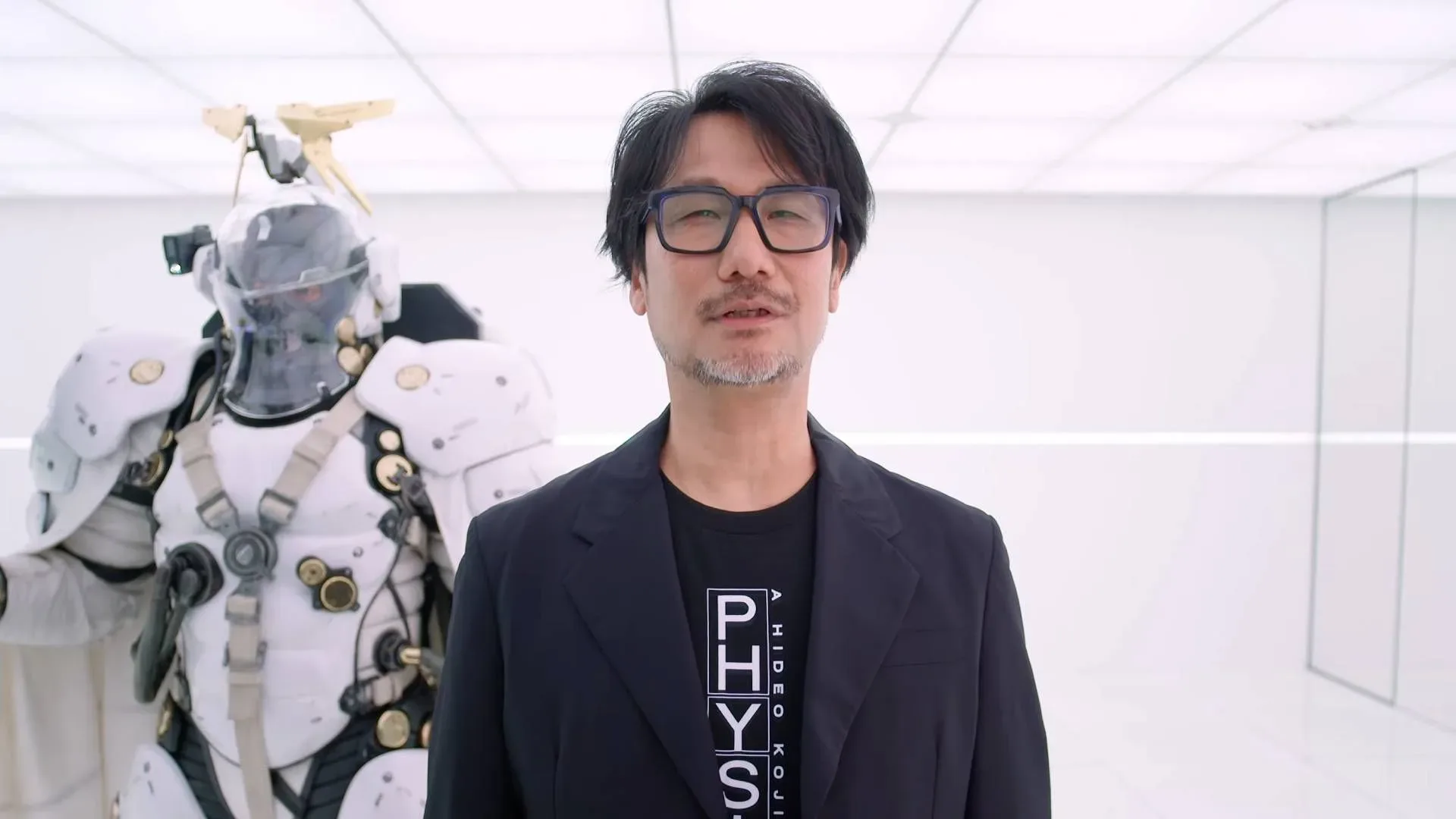
The immediate target of Loftis’s frustration was the contrast between layoffs and Xbox CEO Asha Sharma’s highly visible trip to Tokyo, where Sharma visited Kojima Productions and met Hideo Kojima. Images from the visit circulated around the news that Microsoft is publishing Physint, a Kojima Productions project previously associated with Sony.
Those two developments are not necessarily operationally connected: a publishing deal and workforce decisions can be handled on very different timelines, by different teams, and under different budgets. But the public optics are inseparable. For people whose jobs or teams may be changing, executive photos celebrating a major creative partnership can read less like long-term strategy and more like a painful reminder of where corporate attention is being directed.
Loftis calls out the gap between messaging and events
In a Threads post, Loftis pointed to Sharma’s reported leadership philosophy of “clarity is kindness,” a phrase used to describe direct communication during difficult internal moments. Loftis wrote: “Super funny that Asha Sharma said ‘Clarity is kindness’ to the WSJ last week then did a half layoff today. I guess Damocles’ Sword is a form of clarity, what do I know?”
The reference to the Sword of Damocles frames uncertainty itself as part of the problem. In common usage, the phrase describes a looming threat: something precarious hanging overhead. In a restructuring, that feeling can apply not only to people who have already lost roles, but also to employees awaiting decisions about teams, projects, responsibilities, or future employment.
Loftis later added another pointed response to the Japan trip: “Please, Asha, publish more ‘cool’ photos from your Japan Kojima-maxxing trip. That’s the kind of leadership game developers need.” The phrase “Kojima-maxxing” is being used sarcastically here, suggesting an excessive embrace of the prestige and publicity surrounding Kojima rather than a literal description of a business strategy.
Her criticism is fundamentally about timing. Microsoft’s relationship with Kojima Productions may have clear strategic value, especially if Physint becomes an important publishing release. Yet public celebrations of that relationship carry a much different meaning while staff are dealing with reported cuts. Both realities can exist at once, but they do not land equally with the people bearing the immediate consequences of the restructuring.
World’s Edge and the human cost behind “recalibration”
Loftis left World’s Edge in 2022, but said she was “crushed” by the news affecting her former colleagues. In a LinkedIn post, she stressed that she did not know everyone impacted, while offering a firm defense of the people who worked there: “I can guarantee these people know how to ship games and make gamers happy.”
Related coverage includes Former World's Edge Leader Criticizes Xbox Leadership as Layoffs Hit Studio.
That statement matters because broad corporate terminology can conceal the expertise that disappears when a team is reduced. “Restructuring” and “recalibration” describe organizational choices at a high level. Developers, production staff, designers, artists, community teams, and other employees experience those choices as a disruption to established working relationships and accumulated knowledge.
Loftis’s comments do not establish the full scope of changes at World’s Edge, and details have been emerging piecemeal through social media. Still, her reaction makes the central tension clear: a studio’s ability to make games is not just an abstract headcount. It is built from people who know how to complete projects and serve players.
That tension is particularly sharp for a studio associated with an established strategy franchise. Ongoing support, new releases, and long-term franchise planning all rely on institutional knowledge. The available information does not specify which roles or projects may be affected, so it would be premature to predict consequences for individual games. What can be said is that staff changes often raise understandable questions among players about continuity, support, and the future direction of a studio.
Why the Kojima partnership became the symbol of the dispute
Sharma’s visit did not create the reported layoffs, and there is no basis here to say that the Physint agreement caused them. The reason the trip has become the focal point is symbolic. Kojima is a high-profile creator, Kojima Productions is an internationally recognized studio, and a Microsoft-published project makes for an obvious statement of intent.
From a corporate perspective, a partnership of this kind can signal that Xbox remains willing to pursue notable games and creative relationships even while its organization is changing. That may be intended as a message of confidence to audiences, partners, and investors.
From the perspective voiced by Loftis, however, the same images risk signaling misplaced priorities. The criticism is not a technical objection to publishing a Kojima project. It is an objection to the appearance of glamour and deal-making during a period when people are reportedly losing jobs or facing major changes to their work.
That is why a leadership communications principle such as “clarity is kindness” faces a hard test in this moment. Directness can reduce rumors and avoid vague reassurance, but clarity is not merely a matter of how plainly bad news is delivered. Employees may also judge it by whether the organization explains the rationale for its decisions, acknowledges the impact on people, and avoids celebratory messaging that seems detached from that impact.
What is known, and what remains unclear
Several points are clear from the information currently available:
- Xbox is undergoing a substantial restructuring, with planned layoffs reported at 3,200 jobs.
- World’s Edge has reportedly been affected during the latest round of changes.
- Loftis, a former World’s Edge studio head, publicly criticized Sharma’s messaging and the timing of her Kojima Productions visit.
- Microsoft is publishing Kojima Productions’ Physint.
Several other questions remain unanswered:
- The precise number of World’s Edge employees affected has not been established here.
- Specific roles, projects, and the practical effects on the studio’s work have not been detailed.
- There is no stated connection between the staffing changes and the Physint publishing arrangement.
- It is not yet possible to measure whether the Kojima partnership will materially change Xbox’s wider business position.
This distinction is important. It is fair to analyze the clash in messaging and morale without turning a sequence of events into a claimed causal link. A major publishing deal can be strategically meaningful while layoffs remain deeply damaging; neither fact cancels the other out.
A difficult test for Xbox’s leadership narrative
Sharma’s task, as described by the available reporting, is to help steer Xbox through a difficult period. That inevitably includes decisions that will attract criticism. The immediate issue is not whether any executive can avoid unpopular choices; it is whether the company can make those choices while maintaining credibility with the people who build its games.
Loftis’s posts show that credibility is already under strain among at least some former leaders and affected communities. The strongest part of her intervention is its specificity: she is not speaking in general terms about corporate layoffs, but about former colleagues she believes are capable, experienced game makers.
For players, the near-term practical picture is incomplete. There is no supported basis to claim a particular game has been delayed, cancelled, or changed because of these reported cuts. But the story is still consequential because studio health, retained expertise, and leadership trust can shape game development well before any change appears in a trailer, release calendar, or patch note.
Xbox’s Kojima relationship will continue to attract attention because of the profile of Physint and Hideo Kojima. The restructuring will attract attention for a more immediate reason: the employees and teams affected by it. The public collision of those stories is what turned a routine-looking executive visit into a broader argument about priorities, empathy, and the meaning of clear leadership during layoffs.
For more on gaming’s business-facing events and the wider industry calendar, see Game Industry Conference 2026’s planned sessions and summits.