The road to The Elder Scrolls 6 apparently took a sharp detour inside Bethesda Game Studios. Kurt Kuhlmann, a former co-lead on The Elder Scrolls V: Skyrim, has described a team expectation that the next major destination after Fallout 4 would be a return to Tamriel. Instead, Bethesda’s work expanded around Fallout 76 and then shifted decisively to the new universe of Starfield.
That history does not produce a release date for The Elder Scrolls 6, which still has no announced launch window eight years after its reveal. It does, however, add some useful context to one of modern RPG gaming’s longest-running waits: the delay was not simply a matter of Bethesda quietly moving through an assumed Elder Scrolls production pipeline. The studio made a major internal change in direction, choosing a new science-fiction property at a point when many people expected swords, ruins, dragons, and the next chapter of a deeply established fantasy series.
A familiar Bethesda rhythm appeared to set expectations
Kuhlmann characterized Bethesda’s earlier cadence as an alternating pattern: a Fallout game, followed by an Elder Scrolls game, then another return to Fallout. Beyond giving players a mix of post-apocalyptic America and high fantasy, that rotation reportedly offered developers a change in genre and creative texture between huge projects.
After Fallout 4, released in 2015, that pattern naturally made The Elder Scrolls 6 seem like the likely next full-studio focus. Kuhlmann’s recollection is that the expectation was widespread rather than confined to fans outside the company. He has said he personally would have preferred the studio to begin work on the sixth Elder Scrolls game instead of proceeding with Fallout 76 and Starfield, and believes that view was shared by a majority of the studio.
That is not the same as saying an Elder Scrolls sequel had been formally queued up for immediate production, or that the team had a completed plan ready to execute. Kuhlmann’s description makes a subtler point: internal assumptions about what came next were shaped by Bethesda’s previous sequence of games. Those assumptions did not ultimately determine the company’s choice.
Fallout 76 became a larger piece of the schedule
The first complication was Fallout 76. Kuhlmann said the multiplayer Fallout project was not originally expected to require the involvement of the whole studio. Its scope grew, however, extending Bethesda’s time in the Fallout side of its traditional cycle rather than clearing the runway for Elder Scrolls immediately.
That matters because AAA game development rarely behaves like a simple relay race. A project’s staffing needs, technology demands, revisions, and post-launch obligations can all reshape what another team is able to do next. In this telling, Fallout 76 was not necessarily intended as a replacement for an Elder Scrolls sequel, but it still took on enough importance to influence the broader timetable.
Then came the larger pivot: Starfield. Bethesda elected to develop a completely new role-playing universe, a decision that meant creating not just quests, systems, and worlds, but also a distinct setting, identity, and foundation for a potential long-term franchise. For a studio known principally for two massive RPG pillars, that was an ambitious break from expectation.
Related coverage includes Bethesda Veterans Expected Elder Scrolls 6 After Fallout 4, but Starfield Changed the Plan.
Starfield was a leadership decision, not an apparent studio-wide campaign
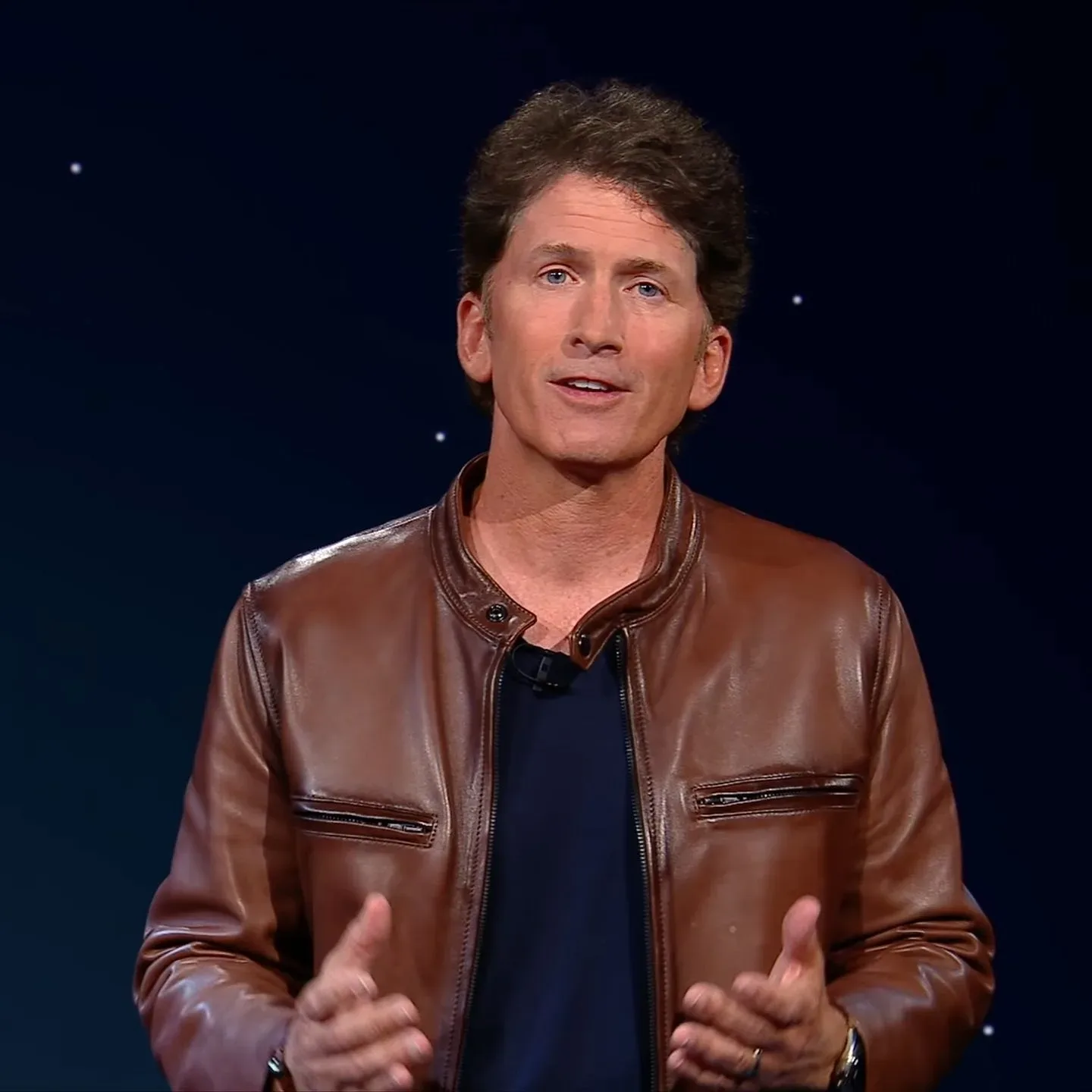
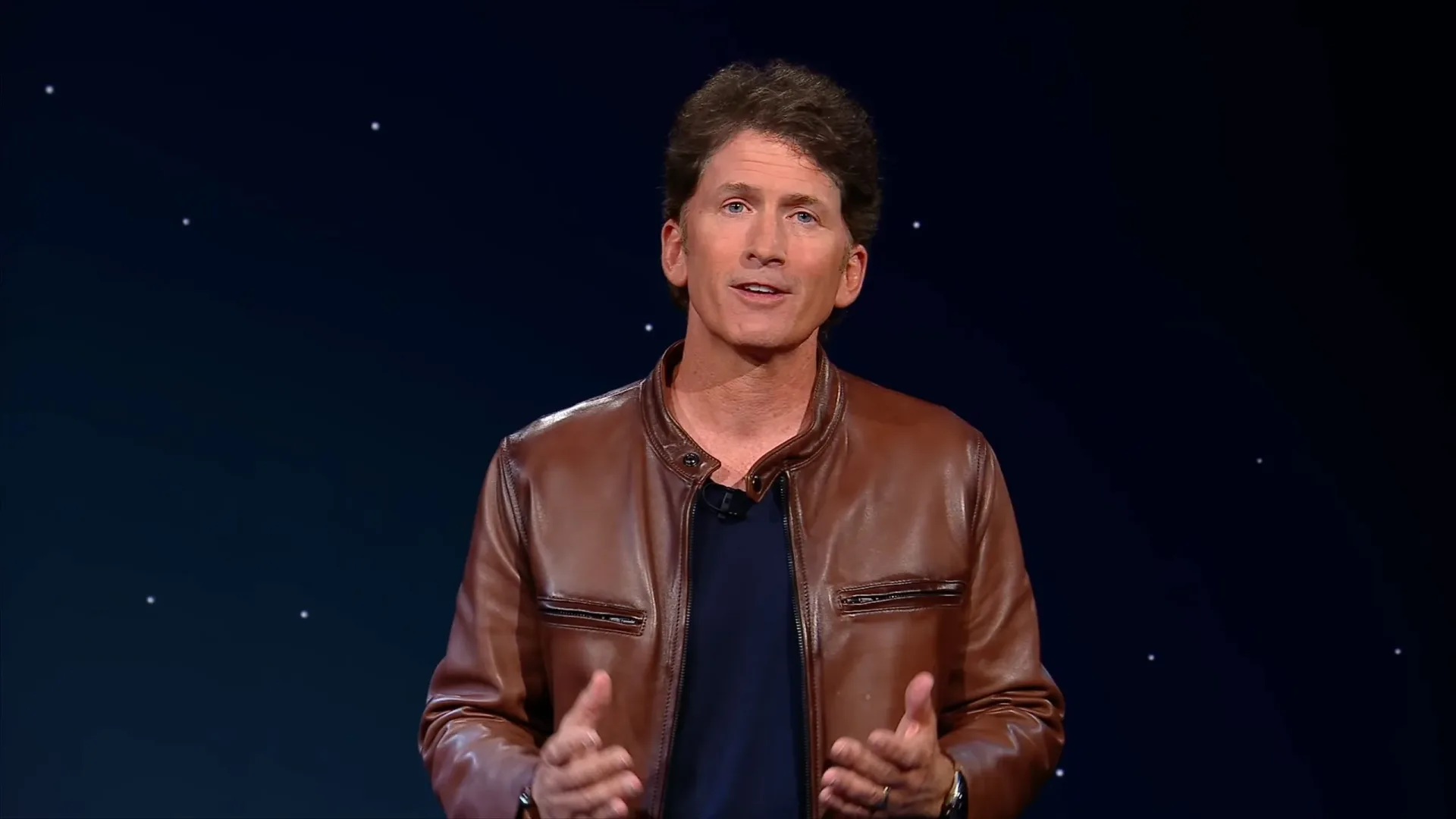
Kuhlmann’s account portrays Starfield as a project driven by Todd Howard’s conviction. Howard had secured approval for the new IP and presented it as an extremely ambitious space RPG. Kuhlmann’s takeaway was clear: the game was not born from a broad internal groundswell in which the team collectively pressed to make a space title. Rather, the staff was told that the studio’s next major undertaking would be Starfield.
For fans who spent years wondering why Bethesda did not move straight from Fallout 4 to The Elder Scrolls 6, the key answer may be less mysterious than it looked: Bethesda chose to make something new.
Fallout 4’s commercial success may have helped make that choice possible. Kuhlmann believes the game gave Howard enough latitude to pitch an unusual, riskier project to Bethesda and ZeniMax leadership. New intellectual property can be especially difficult to justify at the scale Bethesda works, since an established sequel arrives with an audience, recognizable world, and a clearer marketing proposition. A new universe has to earn that attention from scratch.
But an established studio can also see a new IP as a rare opportunity. It lets a team pursue ideas that may not fit a pre-existing series and protects it from becoming solely a caretaker of legacy brands. That tension is at the center of the Elder Scrolls wait. Players wanting the sequel had understandable reasons to expect it; Bethesda also had a strong creative and business reason to take a major swing on a new setting.
Seven years to find the fun
The length of Starfield’s development helps explain why the consequences for The Elder Scrolls 6 have been so substantial. In 2023, Howard reflected that the team had expected to reach key answers more quickly, saying it took seven years for the game to reach a point where it could be considered fun to play.
That comment offers a window into the difficult, iterative nature of building a game of this type. Space exploration, planetary travel, RPG progression, combat, exploration loops, and the sheer scale of a new setting all have to function together. Finding the right balance can consume years even before launch preparation and post-release work are considered.
Starfield has nevertheless become a major Bethesda release in its own right. Bethesda has said the game has reached 17 million players. The company is also planning a third year of post-launch support, with more Starborn-focused material, gameplay upgrades, and additional story quests among the stated areas of focus. That means the game remains an active commitment while Bethesda’s next big RPG projects develop.
It is also a reminder that player totals and the pace of support should not be treated as a direct clue to an Elder Scrolls launch date. The two games are connected by shared studio history and resources, but Bethesda has not announced when The Elder Scrolls 6 will arrive.
What is actually known about The Elder Scrolls 6
The confirmed picture remains limited. The Elder Scrolls 6 was announced eight years ago, yet it has no public release date, release window, or officially confirmed subtitle. Reports have said new Xbox CEO Asha Sharma is encouraging Bethesda to release games more quickly. Sharma also reportedly described a live playthrough of the next Elder Scrolls as having “incredible” scale.
Those comments suggest the project is substantial, but they do not establish how close it is to release, which platforms it will target, or how its final structure will look. “Scale” can describe geographic size, technical ambition, the density of its content, or any number of other qualities. Until Bethesda provides formal details, it is wisest to leave that word broad.
Likewise, The Elder Scrolls 6: Sentinel remains a fan theory rather than a confirmed title. The idea traces back to a Starfield teaser and has been treated by some observers as a plausible reading of a clue. Plausible is not official, and neither “Sentinel” nor a particular setting should be considered settled fact at this stage.
The patience problem behind the hype
There is a difference between a long wait caused by quiet production and one caused by a visible change in a studio’s priorities. Kuhlmann’s comments make the second explanation especially relevant here. Bethesda did not merely take a little longer than anticipated to reach the next Elder Scrolls chapter. It expanded Fallout 76, committed to Starfield, and spent years bringing a brand-new RPG universe to life.
That does not make the wait easier for people whose favorite Bethesda memories involve stepping out of Helgen, climbing High Hrothgar, or disappearing into a dungeon with a bag full of questionable potions. It does explain why the gap has become exceptional. The Elder Scrolls has been waiting its turn behind experiments and ambitions that Bethesda considered worth pursuing.
The broader industry context makes release strategy a continuing point of attention, particularly as large entertainment and technology companies adjust to changing audience habits. That business landscape is also visible in developments such as the growing competition between broadcasters, streamers, and YouTube, even if game development schedules involve their own unique challenges.
For now, the most grounded position is straightforward: The Elder Scrolls 6 is in development; Bethesda has offered no release timing; the suggested “Sentinel” subtitle is unconfirmed; and Starfield continues to receive support. Kuhlmann’s recollections do not turn the clock forward, but they do make the detour from Fallout 4 to a galaxy far away much easier to understand.