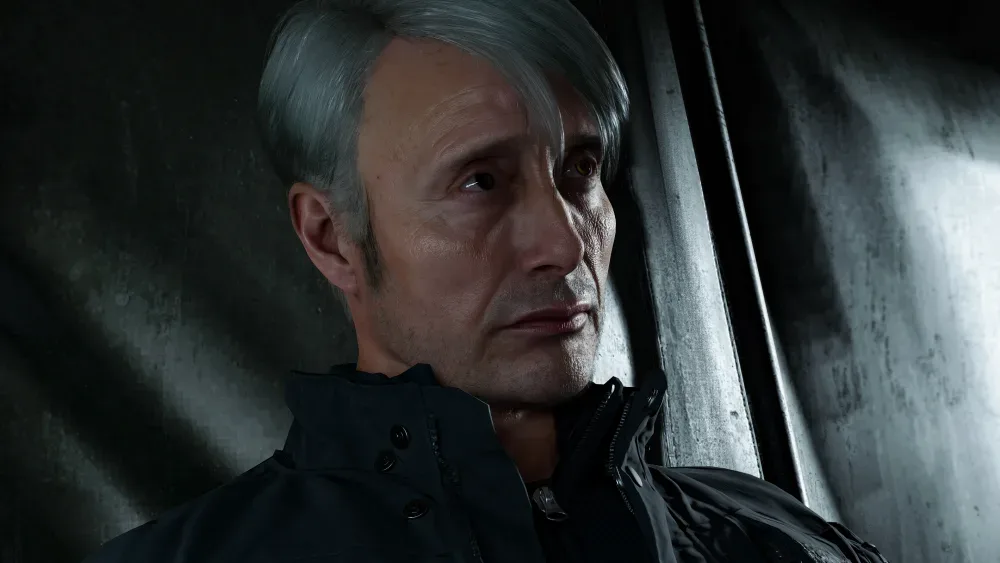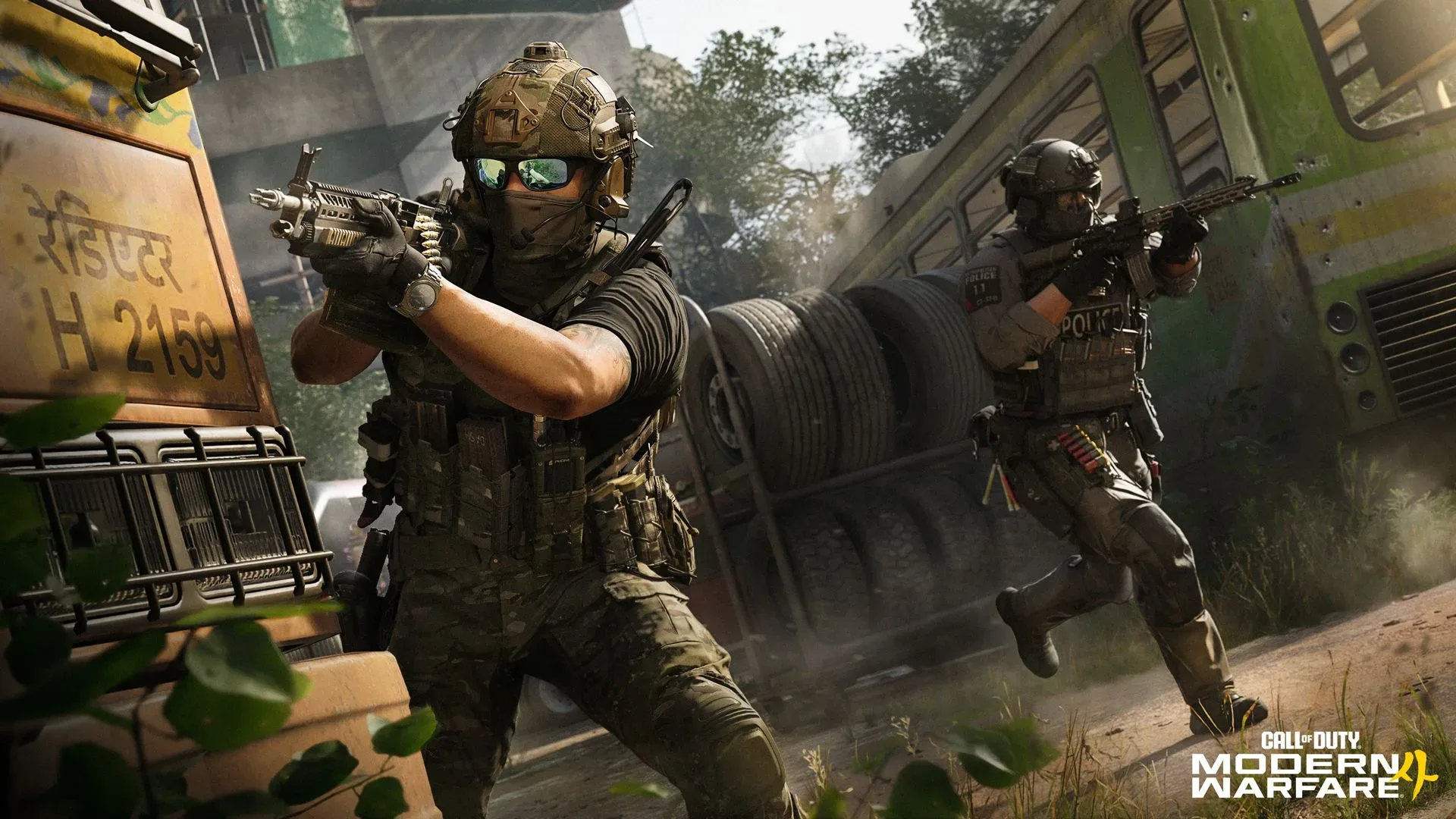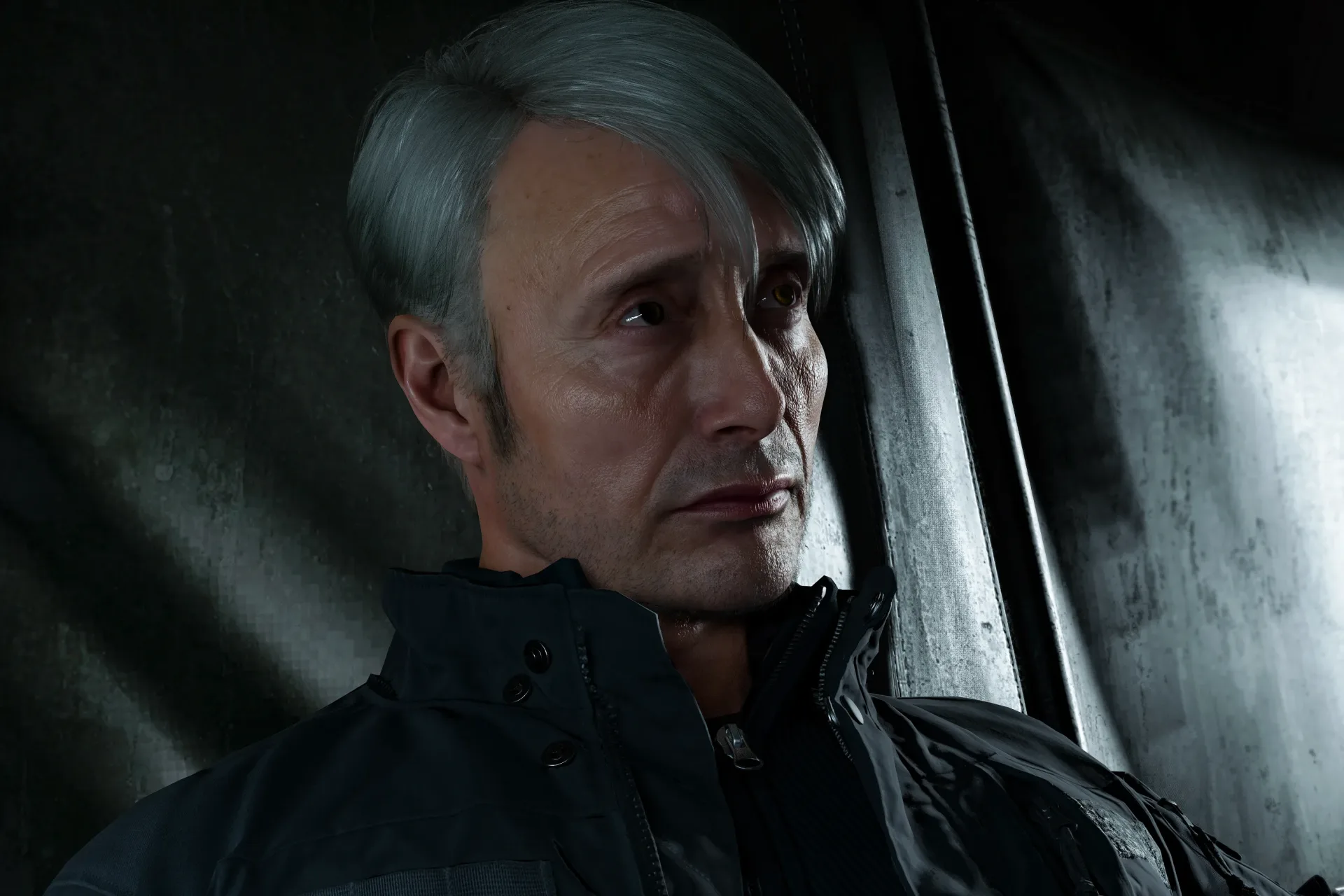
Call of Duty: Modern Warfare 4 is bringing Captain John Price, Ghost and other familiar faces back into the series’ central conflict, but its new cast is equally important to how Infinity Ward is building the next campaign. Mads Mikkelsen plays a new antagonist called The Archer, while the broader roster combines returning performers with several newcomers as the story moves into a conflict between North and South Korea.
The game is scheduled to launch on October 23, with early access beginning October 16. Its cast is not simply a list of voices assigned after characters have been finished, however. Narrative director Jeff Negas has described a process in which actors can significantly influence the people they portray, from their physical likeness to the writing and tone of their role.
That is a consequential approach for a series built around instantly identifiable characters. Price and Ghost arrive with established expectations, while Mikkelsen’s Archer has the task of making an immediate impression as a new threat. Infinity Ward’s stated casting method suggests that the performances themselves are part of defining that threat, rather than a final layer applied to a locked script.
Modern Warfare 4’s confirmed cast
Barry Sloane returns as Captain John Price, the leader closely associated with Task Force 141. Samuel Roukin is back as Simon “Ghost” Riley, and Elliot Knight returns as Kyle “Gaz” Garrick. The confirmed lineup also includes several characters from the recent Modern Warfare storyline alongside new additions:
- Mads Mikkelsen as The Archer
- Barry Sloane as Captain John Price
- Samuel Roukin as Simon “Ghost” Riley
- Elliot Knight as Kyle “Gaz” Garrick
- Young Mazino as Private Park / Park Jun
- Luke Tennie as Lieutenant West
- Warren Kole as Commander Philip Graves
- Rya Kihlstedt as Kate Laswell
- María Elisa Camargo as Valeria Garza
- Kaiji Tang as Zhiqiang “Zimo” Wong
- Daniel J. Kim as Moon
- Joseph Lee as Cal
- Julian Kostov as Vladimir Makarov
- William Lipton as Corporal Joseph Dunn
- Prisca Kim as Ri Ju-Young
The roster establishes both continuity and change. Price, Ghost, Gaz, Laswell, Graves, Garza, Zimo and Makarov connect the project to characters familiar to players of the current Modern Warfare continuity. Park, West, Moon, Cal, Dunn, Ri Ju-Young and The Archer broaden the ensemble around the new war setting.
Mads Mikkelsen’s Archer and the need for an immediate threat
Mikkelsen is playing The Archer, identified as the game’s main villain. That casting carries an obvious shorthand: he is a widely recognizable actor with a history of intense antagonistic roles. Infinity Ward’s challenge was to use that recognition without merely repeating a familiar performance.
Negas’ explanation points to a pragmatic reason for the choice. The game needs the audience to rapidly understand why Price sees The Archer as a target worth pursuing at extreme cost. Casting an actor whose screen presence can communicate danger quickly helps establish the stakes, particularly in a large military-action series where the campaign must introduce its conflict and major figures efficiently.
But recognition is only the entry point. The stated aim was to find a performance that could explore a different variation on qualities audiences may already associate with Mikkelsen. In other words, The Archer is not positioned as a blank-slate villain selected only for name recognition; the creative team expects the actor and the role to shape each other.
That distinction matters because a character called The Archer could otherwise be reduced to branding. Infinity Ward’s comments do not reveal his motivations, abilities or place in the Korea conflict, so those details remain unknown. What is confirmed is his central antagonistic status and Price’s personal drive to stop him. It is better to treat the rest as campaign material still under wraps than to assume connections between The Archer and other figures in the cast.
What “one-to-one likeness” and performance capture mean here
Negas described the studio’s process as beginning with a character design, concept art and a sense of styling rather than an entirely fixed idea of the specific person who will play the part. Once an actor is selected, the studio uses a one-to-one likeness through its capture process.
Performance capture is the production approach in which an actor’s performance is recorded to inform a digital character. In this context, it encompasses more than supplying dialogue: the actor’s identity and performance become closely tied to the on-screen character. That helps explain why the casting decision can affect writing, presentation and the character’s overall personality.
The result is closer to a collaborative screen-performance model than the narrow idea of voice acting as a separate post-production step. The character begins with visual development, but the performer can change the final direction. Negas, who has worked at Infinity Ward for more than a decade and has been narrative director for Modern Warfare since 2022, framed the approach as one that works in both directions: sometimes a team finds exactly the person originally imagined, while other times the actor reveals a stronger or more compelling route.
For players, the practical implication is that casting news can offer a meaningful clue about characterization, not merely celebrity involvement. The game’s actors may affect how people move, react, speak and are written into the campaign. That does not promise a particular story outcome, but it does clarify why the studio places so much weight on fit.
Ghost and the value of restraint
Ghost remains one of the most recognizable figures in Call of Duty, and Roukin’s continuing role gives Modern Warfare 4 a key point of continuity. Negas singled out the actor’s low, growling vocal quality as an essential part of why his portrayal works. The voice gives the masked character weight without making him feel overly theatrical.
That is a useful description of a difficult balance for a character as visually stylized as Ghost. The mask is an immediately larger-than-life image; a grounded vocal delivery can stop the performance from becoming detached from the more serious tone the series pursues. Roukin’s return also means Modern Warfare 4 is retaining a performance foundation established in the prior games rather than recasting a defining team member for the new conflict.
Ri Ju-Young shows how an actor can reshape the script
The clearest example of the actor-first aspect of Infinity Ward’s process involves Prisca Kim’s Ri Ju-Young, a figure high within the North Korean regime. The early conception reportedly leaned toward a more overtly grand performance, full of bigger gestures. Kim instead played her with concentration and restraint.
That choice changed the direction of the character. Rather than presenting power as loud, broad or physically expansive, the role became centered on quiet authority. The team rewrote elements of characters when performers brought qualities they had not originally anticipated, and Ri Ju-Young is the specific example of that process at work.
It is an especially relevant creative decision given Modern Warfare 4’s premise. The campaign will involve a war between North and South Korea, a setting that calls for new political and military figures around Task Force 141. The available information does not establish Ri Ju-Young’s precise actions in the plot, but it does make clear that her performance helped refine the kind of presence the character will have.
This is also a reminder that “rewrite” does not necessarily mean the entire story changes whenever casting concludes. It can mean dialogue, scene emphasis, mannerisms or a character’s emotional register are adjusted around what a performer does best. In Ri Ju-Young’s case, the disclosed shift is tonal: a move from expected grandeur to focused control.
How Modern Warfare 4 fits the series’ ongoing story
The Modern Warfare branch has been a major departure point for Call of Duty since Call of Duty 4: Modern Warfare in 2007, when the franchise moved beyond its original World War II focus. Its stories have largely been set in the Middle East and have followed Price and Task Force 141 in their fight against Vladimir Makarov.
Modern Warfare 4 continues that storyline while opening a new front through the war between North and South Korea. Kostov’s casting as Makarov confirms the antagonist remains part of the ensemble, while Mikkelsen’s Archer is described as the game’s principal villain. The relationship, if any, between those two antagonistic figures has not been detailed. The cast announcement supports their shared presence, not a conclusion about their alliance or rivalry.
That restraint is worthwhile with a series that has often relied on escalating conspiracies and returning foes. The firm details at present are the returning characters, the Korea-set conflict, The Archer’s villain status and the way the studio is approaching character creation. Specific campaign twists, missions and character outcomes have not been provided.
The film question remains open
Call of Duty is also headed toward a Paramount Pictures film set in the Modern Warfare universe, being prepared by Taylor Sheridan and director Peter Berg. At this stage, there is no confirmed overlap between the game’s performers and the film cast.
Negas indicated that he is removed from the movie side of the franchise and could not say whether crossover will happen. His comments nevertheless outline the game team’s priority: choose the performer best able to create a strong connection between actor and character. That does not automatically answer how a film adaptation will cast its versions of these roles.
The open question is familiar territory for game adaptations. A shared universe can mean a common setting and recognizable characters without requiring identical performers across media. Until the film team provides specifics, fans should not take Mikkelsen, Sloane, Roukin or any other Modern Warfare 4 performer as confirmed for the movie.
For now, the key takeaway is simpler: Modern Warfare 4 is leaning into a performance-driven campaign ensemble. Mikkelsen’s Archer supplies a new focal-point villain, the returning Task Force 141 cast preserves continuity, and the development team is explicitly allowing its actors to refine the people behind the familiar callsigns and uniforms. For more on another game-to-screen project taking a new-story approach, see Cyberpunk 2077’s live-action film plans.