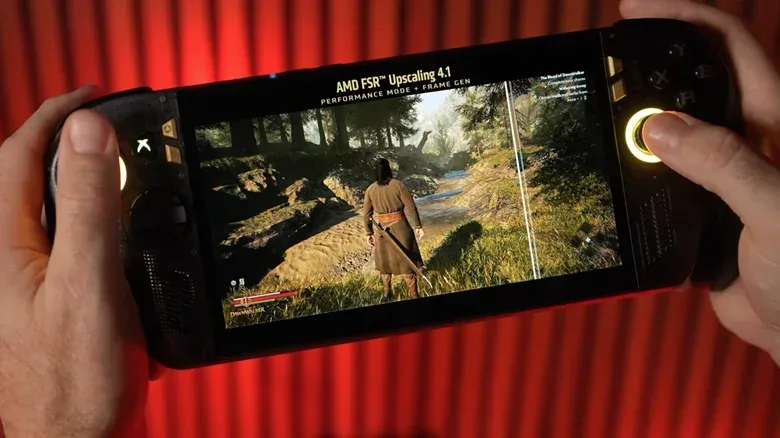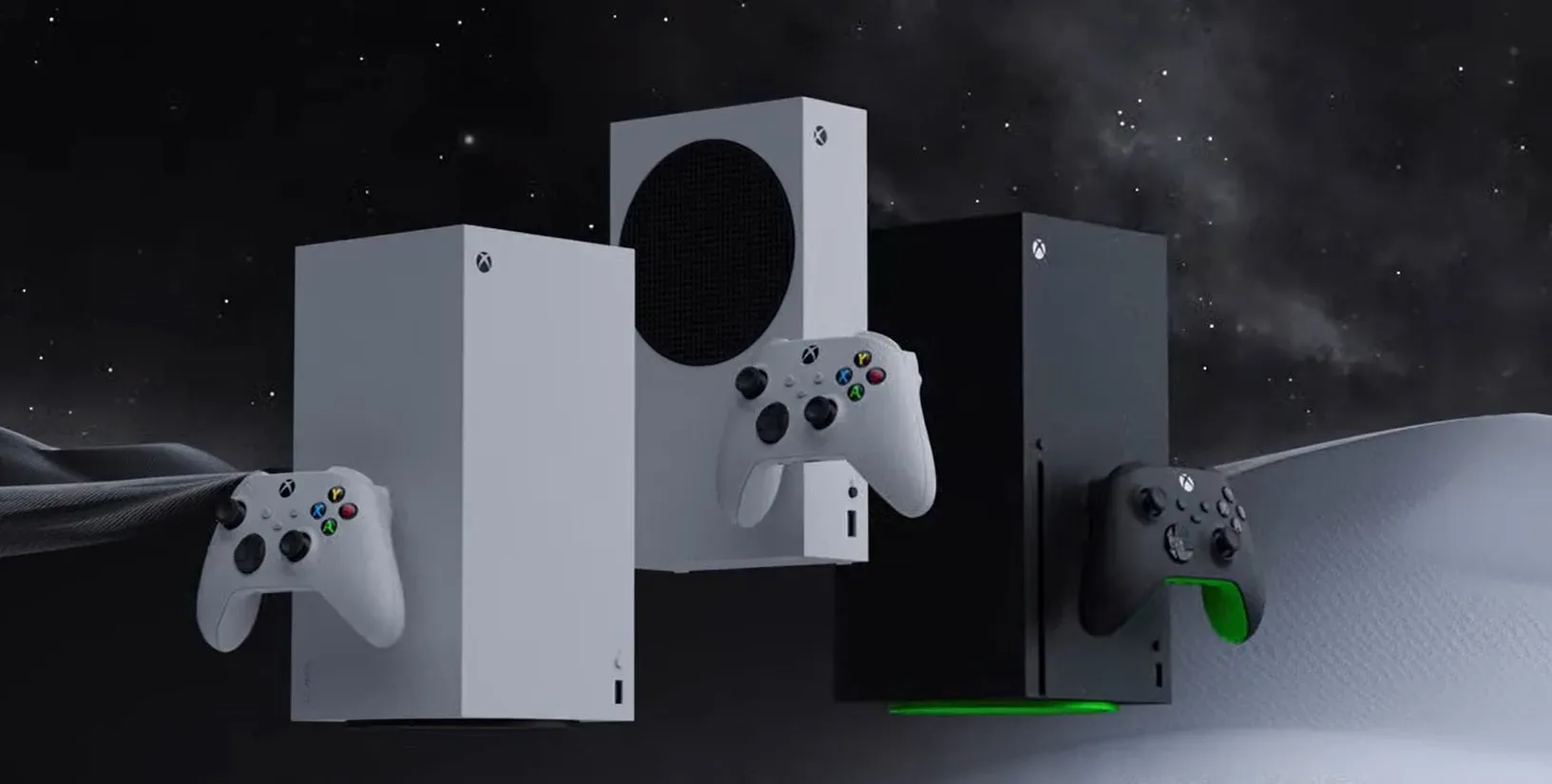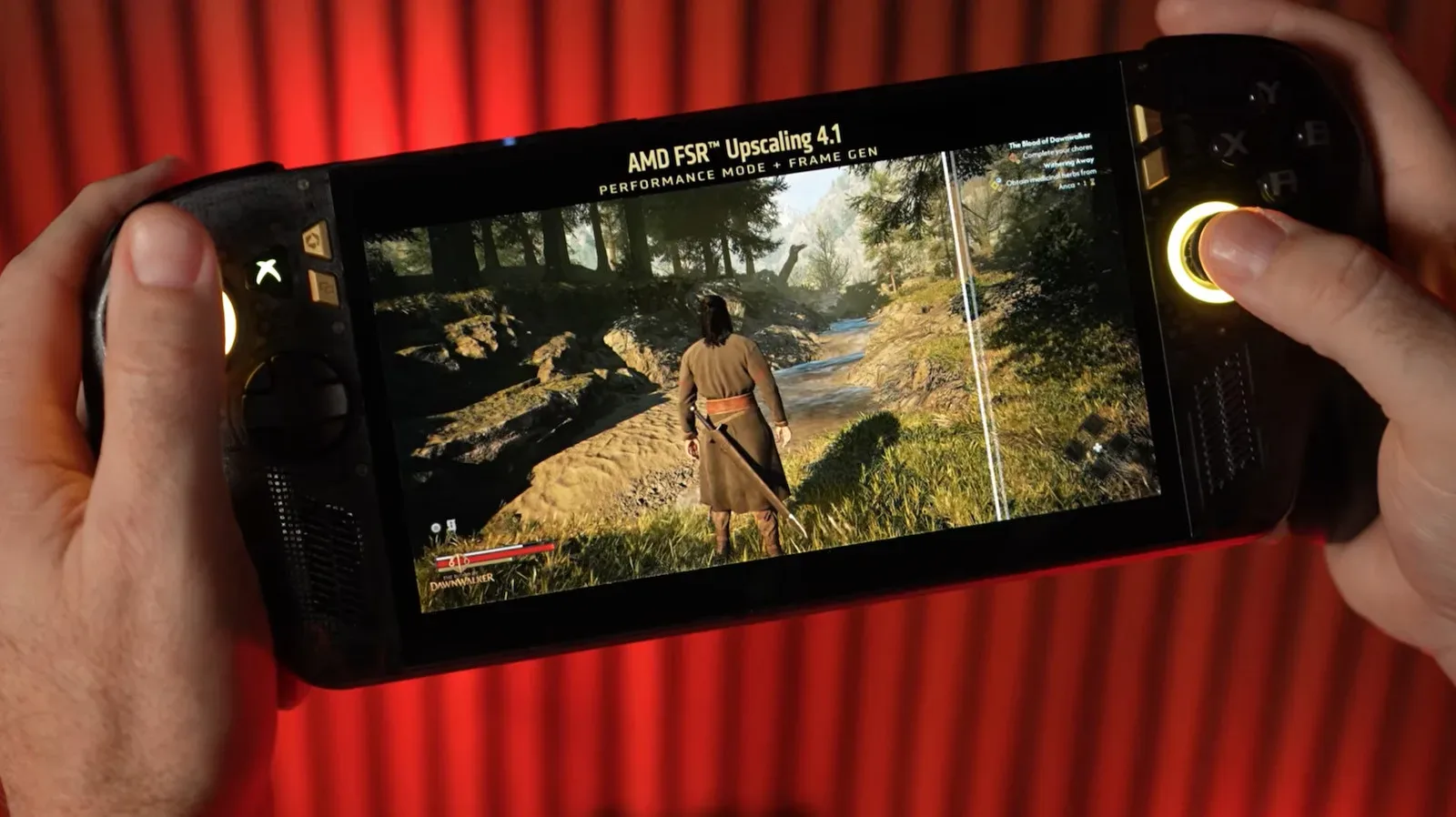
AMD’s FidelityFX Super Resolution 4.1, usually shortened to FSR 4.1, is planned for Xbox hardware including Xbox Series X, Xbox Series S, and the Xbox Ally family of handhelds. The announced device list includes Ally X, Ally X20, Ally S and Ally handheld models.
It is a potentially meaningful graphics update, but it is not a universal “make every game look and run better immediately” switch. Upscaling is a tool developers must use in their games, and the eventual benefit can differ by title, display mode and hardware. Still, bringing a newer reconstruction technique to the Xbox ecosystem gives developers another option when they are balancing image quality against frame rate.
For players, the clearest appeal is straightforward: FSR renders a game internally at a lower resolution, reducing the graphics workload, then uses machine learning to reconstruct a sharper final image. In the best circumstances, that can free up performance while aiming to preserve a presentation closer to a higher-resolution render than the raw internal resolution would suggest.
What FSR 4.1 actually does
Modern games regularly ask hardware to do several expensive tasks at once: render detailed environments, process effects, maintain a target frame rate and output an image appropriate for the connected display. Resolution is an important part of that cost. More pixels generally mean more work for the graphics hardware.
Upscaling is the broad name for producing a higher-resolution output image from a lower-resolution render. Rather than drawing every pixel at the final output resolution, the game begins with a smaller image and reconstruction software attempts to make that image look cleaner and more detailed at the display’s target resolution.
FSR 4.1 is AMD’s proprietary version of that approach. The stated method combines lower-resolution rendering with machine learning to create a sharper image. The intent is not merely to stretch pixels. A basic enlargement can look soft or blocky; reconstruction technology is designed to make a lower-cost render more convincing on the screen.
The trade-off matters. A game may have more room to pursue smoother performance, but the resulting picture still depends on how the technology is implemented. Upscaling is therefore best understood as a performance-and-image-quality compromise that developers can tune, not as a substitute for the underlying hardware.
Why the Series S and smaller Ally models could benefit most
The Xbox Series X and Ally X are already described as powerful systems, so FSR 4.1 may be less about rescuing performance on those devices than giving developers flexibility. They could use that flexibility in different ways: to target stronger image quality, to preserve a chosen frame-rate target, or to accommodate demanding visual workloads.
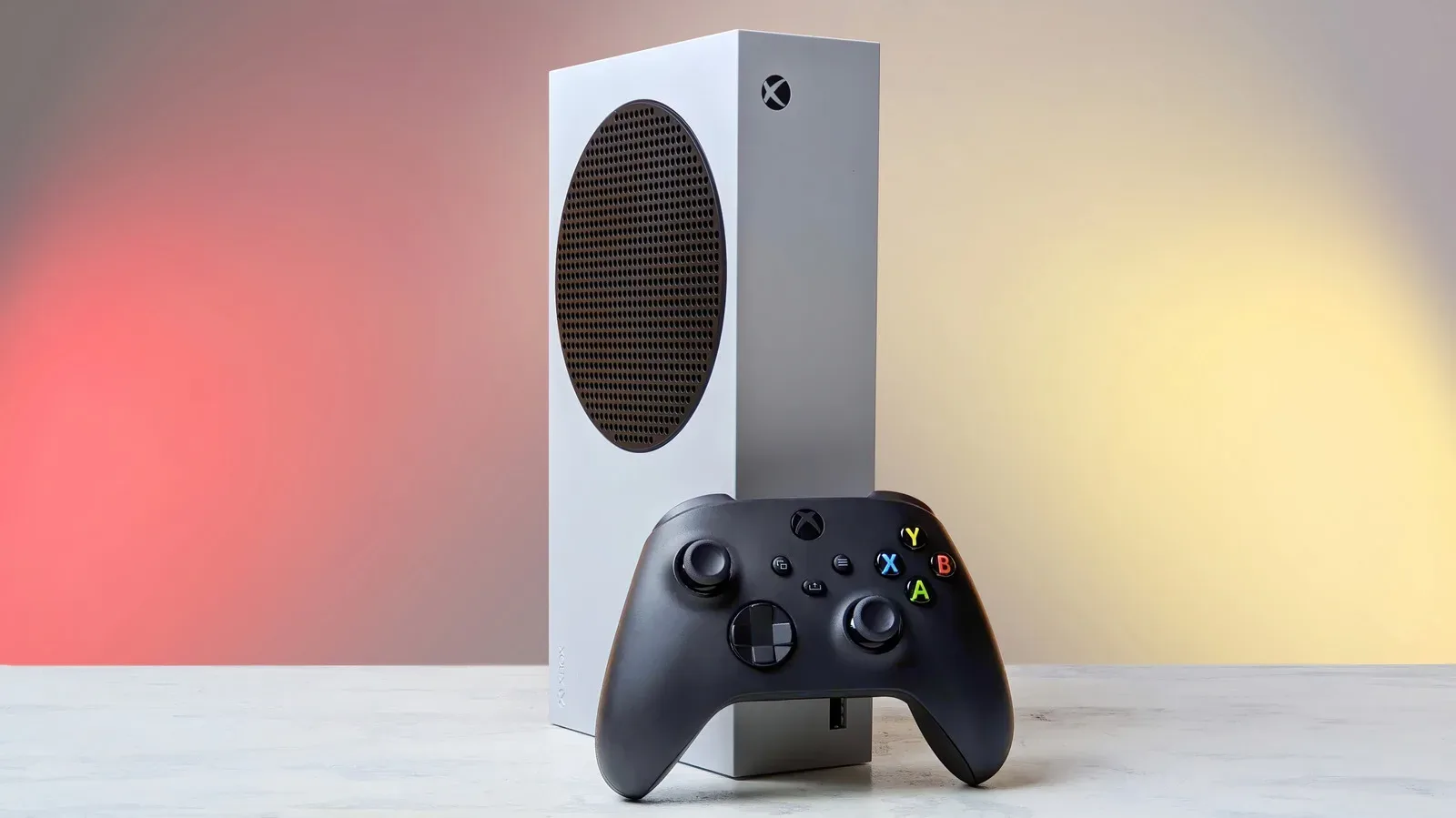
The more immediate practical case appears to be the Xbox Series S, Ally S and original Ally. Those systems have less performance headroom than their more powerful counterparts. When a game is particularly demanding, a capable upscaling option can help make the resolution-versus-performance decision less severe.
That does not establish a promised, system-wide frame-rate increase for every Xbox game. No title-specific targets, modes or before-and-after performance figures have been provided. The reasonable expectation is narrower: supported games may gain another path for developers to improve performance or visual presentation on constrained hardware.
“We’ve worked very closely with AMD to optimize this technology, giving developers another powerful tool for great performance and visual quality for players,” Xbox CTO Scott Van Vilet said.
The wording is important. It frames FSR 4.1 as a developer tool. Players may ultimately see an option in a game’s graphics menu, or may simply benefit from a developer’s chosen implementation without needing to change anything themselves. Either way, support is likely to be decided game by game rather than appearing automatically across an existing library.
What is confirmed, and what is still unknown
AMD has confirmed the intended Xbox platforms: Xbox Series X|S and the listed Ally handhelds. It has not supplied a firm rollout schedule covering all of them.
A video indicates that FSR 4.1 could reach Xbox Ally X before the end of the year. The other systems are described only as “coming soon.” That leaves several questions unanswered, including the release timing for Series X and Series S, whether rollout timing will vary by device, and which games will be first to take advantage of the technology.
It also remains unclear how FSR 4.1 support will be communicated to players in individual games. The announcement establishes platform availability, not a game compatibility list. Until developers identify their plans, it would be premature to assume a favorite title will receive a patch or that its present performance modes will change.
A sensible way to read the announcement
- Confirmed: FSR 4.1 is planned for Xbox Series X|S and the named Xbox Ally devices.
- Suggested timing: Xbox Ally X may receive it before the end of the year.
- Unconfirmed timing: The broader console and handheld rollout remains “coming soon.”
- Unconfirmed game impact: No supported-game list or title-by-title performance data has been announced.
- Most likely beneficiaries: Series S, Ally S and original Ally owners may have the most to gain where supported games are limited by available performance.
It is also coming to more PC hardware
The announcement is not limited to Xbox. AMD says FSR 4.1 is also coming to older Radeon RX 6000-series graphics cards and laptops powered by Ryzen AI 9 processors. The technology is already available on Radeon RX 7000-series cards.
That broader availability matters because it positions FSR 4.1 as an upscaling tool spanning consoles, desktop graphics hardware and portable PCs. For players comparing handheld gaming options, the relevant question is not simply whether a device has a powerful chip. It is also what reconstruction technologies developers can use effectively on that device.
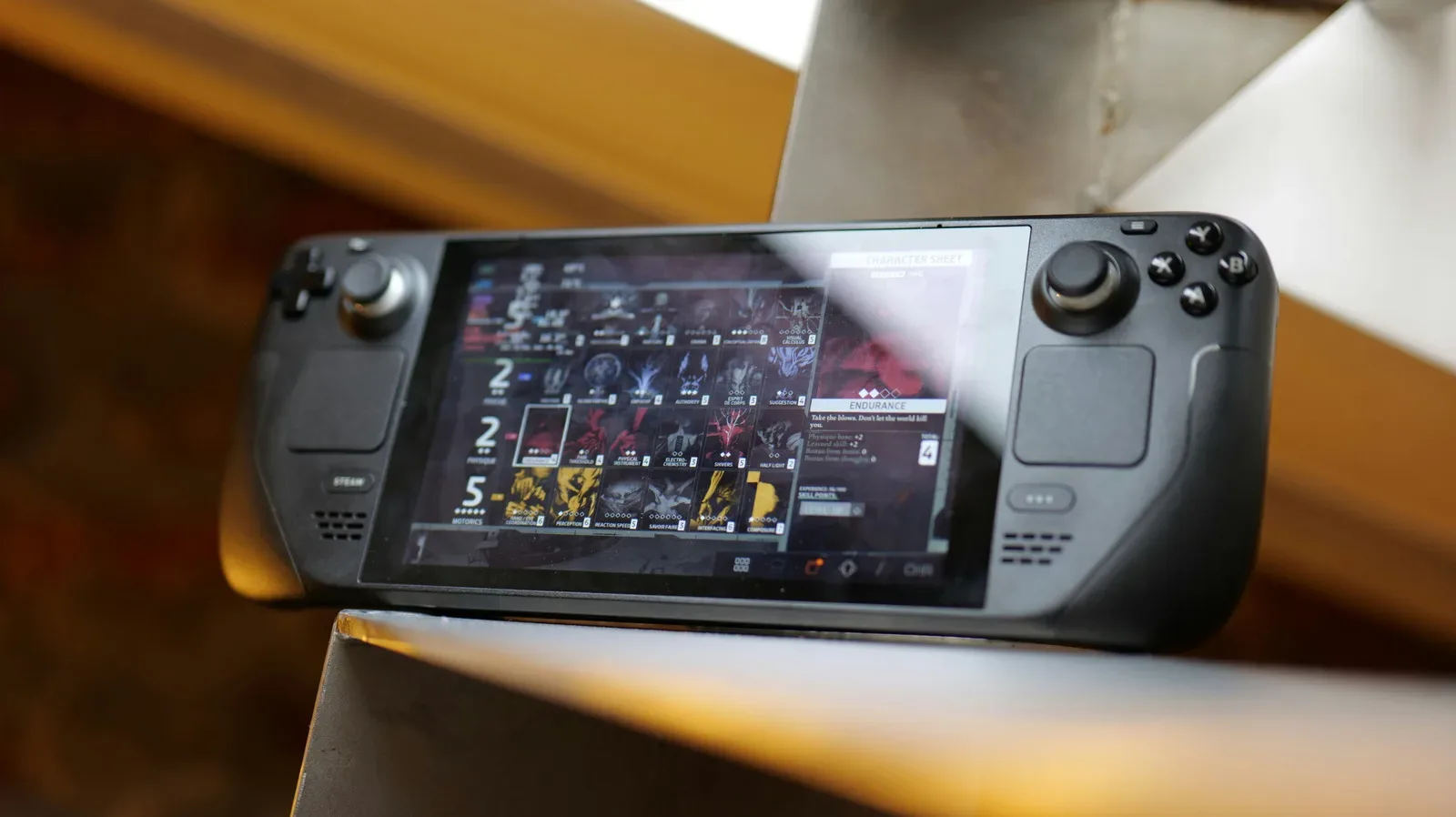
Owners of lower-powered handheld PCs will recognize the general value proposition. A device does not need to run every game at the maximum possible native resolution for it to provide a convincing portable experience; sensible settings and well-deployed upscaling can be central to the balance. That same calculation is part of why the longevity question around older handheld PCs often comes down to expectations, game choice and performance settings as much as raw specifications.
None of that means an upscaler eliminates the gap between hardware tiers. Series X and Ally X still have their own advantages, and graphics settings remain a collection of compromises. But an improved reconstruction method can make the lower-cost path more viable in games where pixel workload is a major constraint.
How this compares with PlayStation’s approach
Sony has its own upscaling technology, called Quick Spectral Super Resolution. It now supports some games on the standard PlayStation 5 and works in a broadly similar fashion to PlayStation Spectral Super Resolution, the upscaling software previously available on PlayStation 5 Pro.
The presence of different proprietary approaches on Xbox and PlayStation does not make a simple feature checklist especially useful to players. The visible result depends on a game’s implementation, its selected graphics mode and the screen being used. What the AMD news does show is that reconstruction-based rendering remains an active part of how platform holders and hardware companies are trying to stretch performance without asking developers to give up visual ambition outright.
What Xbox players should watch for next
The next meaningful details are practical ones. Xbox and AMD will need to clarify timing for the wider device list. Developers will need to identify which games support FSR 4.1 and explain what changes it enables in their specific titles. That could mean a revised performance mode, cleaner image reconstruction at a familiar setting, or simply an additional technical option behind the scenes.
For now, Series S and less powerful Ally owners have the strongest reason to pay attention. FSR 4.1 is not a new console, a new game, or an automatic upgrade to every title. It is a newer rendering tool that could give supported games more breathing room on hardware where every saved bit of graphics workload can matter.