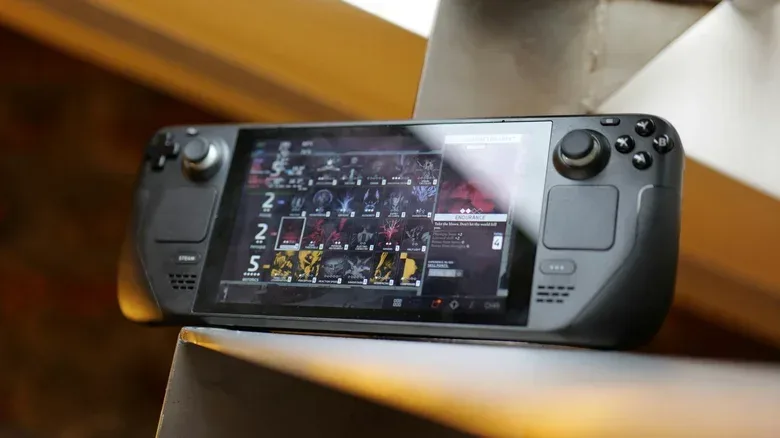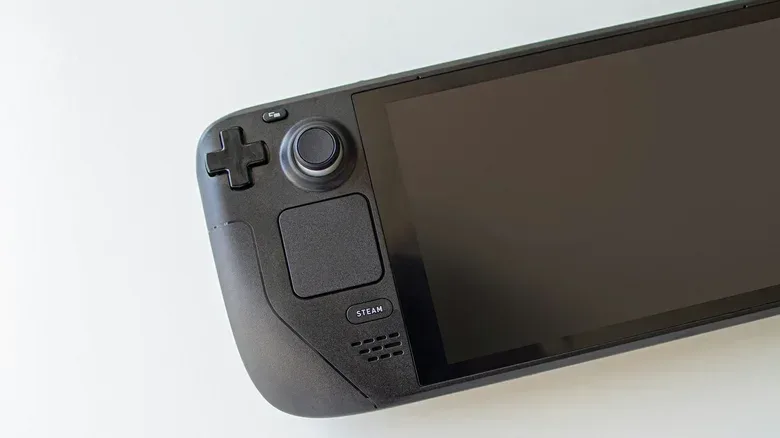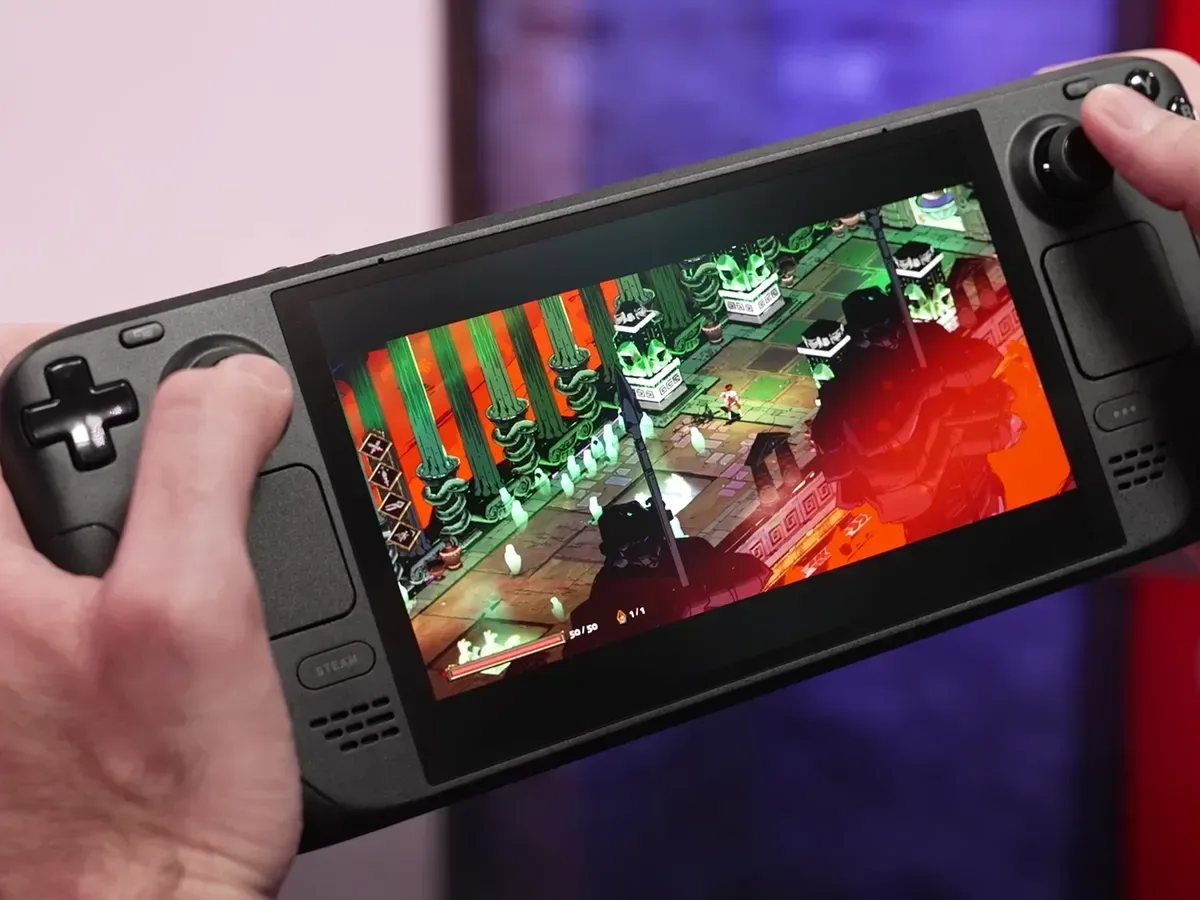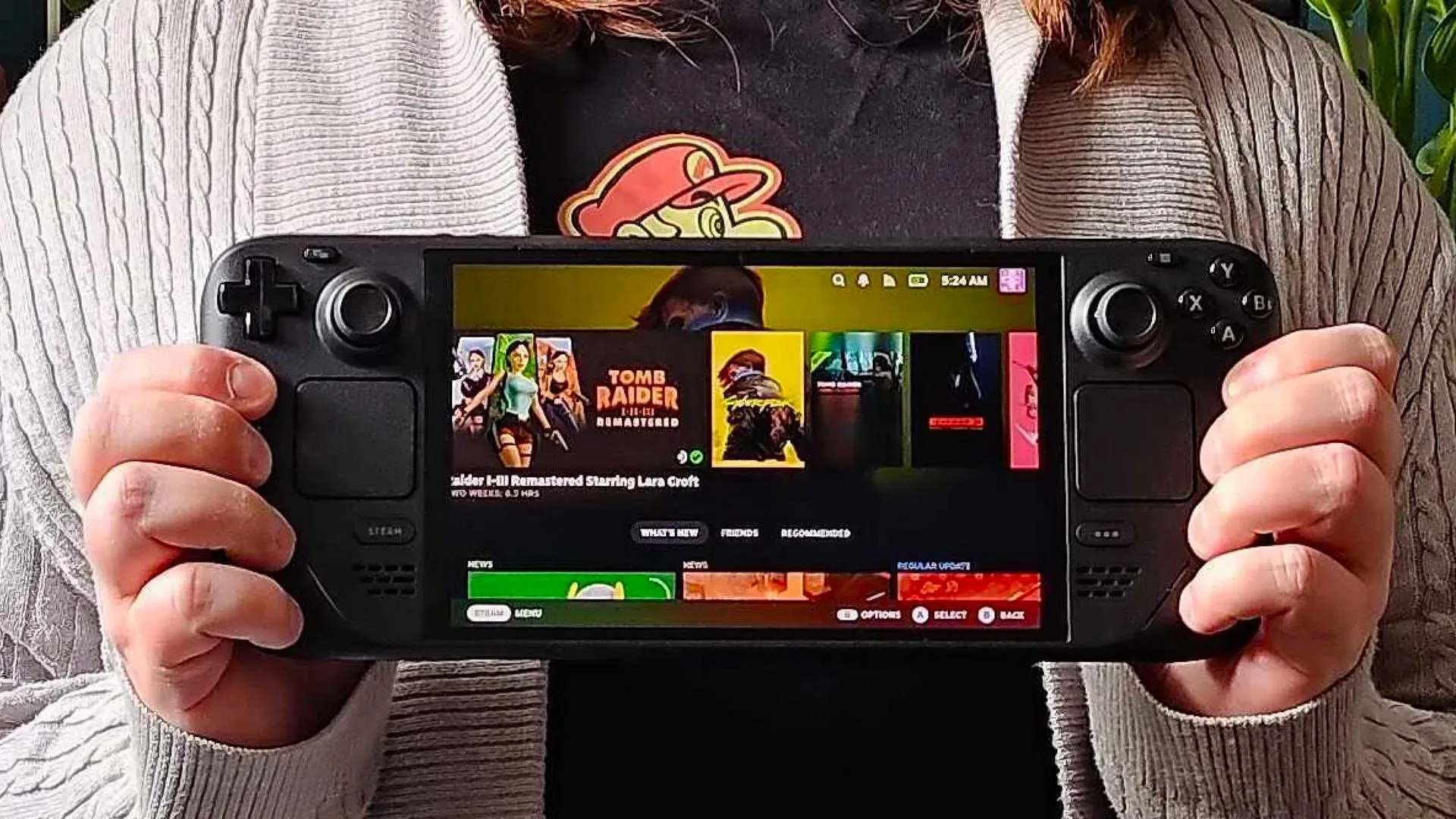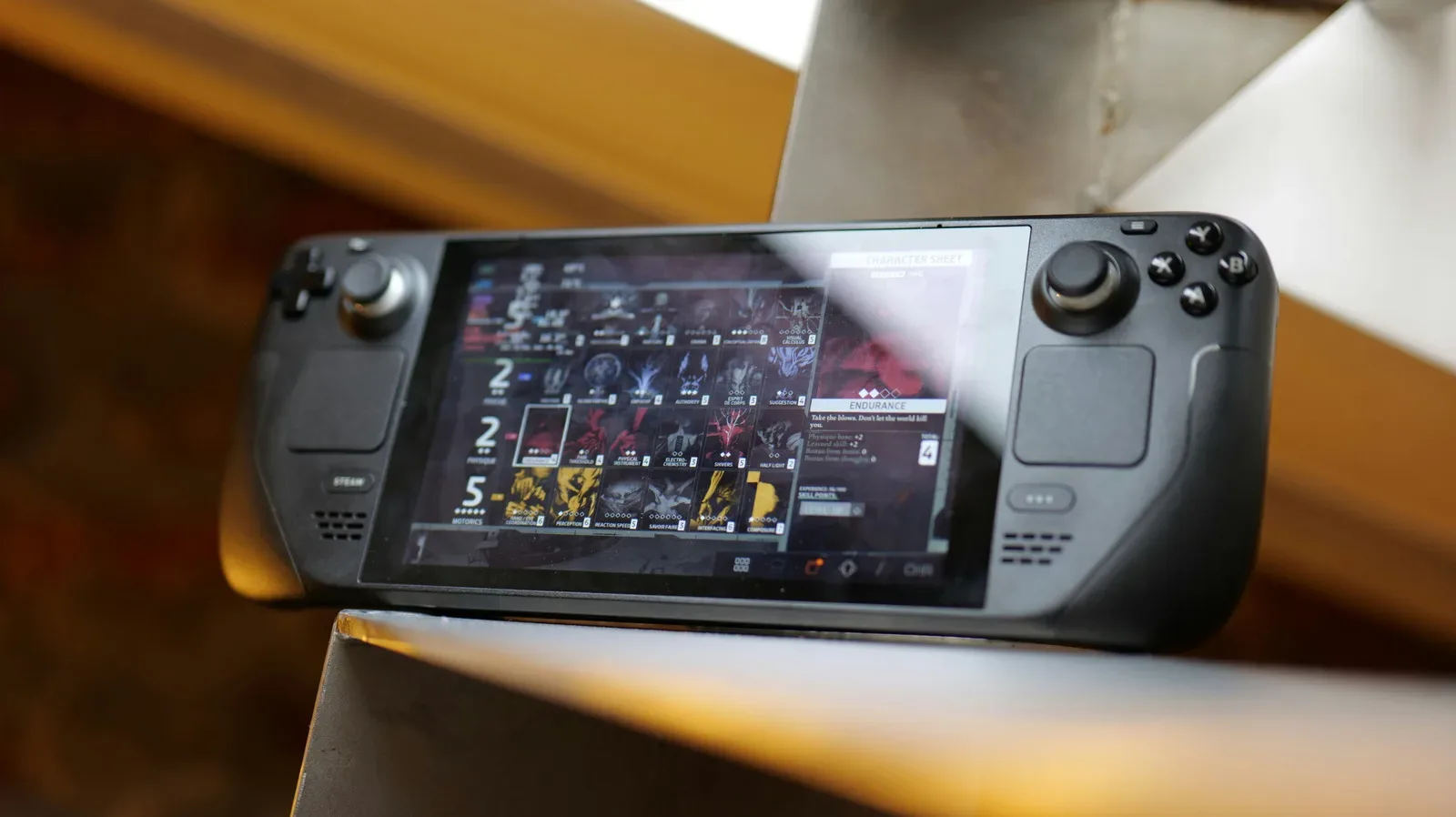
The original Steam Deck LCD is four years removed from its 2022 debut, and that matters. The handheld PC field is much busier now, newer machines have raised the performance ceiling, and the loudest upcoming releases increasingly ask more of a processor, graphics chip and memory pool than Valve’s first portable can comfortably provide. If somebody bought an LCD Deck to play every major new blockbuster locally at attractive settings, the answer is already becoming uncomfortable: its runway is short.
That is not the same as saying the hardware is nearing irrelevance. For a player whose library includes indie games, older big-budget releases, native retro games, emulation, or streamed games from another machine, the original Deck can remain useful for years. The more important question is not simply “How old is it?” It is whether the device’s performance limits, physical condition and repair prospects still match the way its owner actually plays.
In other words, this is less a countdown to obsolescence than a compatibility check between expectations and hardware. The Deck LCD cannot turn itself into a current high-end handheld through force of personality and a particularly optimistic graphics preset. But neither does a faster rival erase the thousands of games that already suit Valve’s machine.
The performance question: what kind of games do you want to play?
There is a clear dividing line in the original Steam Deck’s future. It is growing less suitable for the newest, most GPU-intensive AAA games, while remaining well positioned for a wide range of games that do not demand the latest portable hardware.
GPU, or graphics processing unit, is the component responsible for rendering the images seen on screen. In modern games it shoulders an enormous amount of work: drawing environments, effects, lighting and characters at playable frame rates. The Deck’s processor and GPU, alongside its 16GB of RAM, impose a practical ceiling. RAM is fast working memory used by the system and software while a game is running. When a new release is built around heavier assets and more ambitious visual workloads, an older handheld has less room to maneuver.
Control Resonant is an example of a demanding modern game the original model struggles with. That does not establish a universal rule for every release, but it illustrates why “it runs PC games” has never meant “it will run every future PC game well.” Settings reductions and compromises can sometimes help, but they cannot fundamentally replace missing performance headroom.
For players focused on new AAA releases, those compromises are likely to become more frequent and more severe. This is the group most likely to view an upgrade as necessary rather than aspirational. Newer handhelds such as the MSI Claw 8 EX push beyond what the original Deck can do, and a rumored Steam Deck successor naturally adds pressure to the idea that the launch model has aged.
For everyone else, the outlook is less dramatic. A handheld does not lose its ability to run an excellent indie game because another handheld has better benchmark results. Older AAA releases, smaller-scale projects and retro games still represent a vast playable catalog. The Steam Deck’s original appeal was never limited to being a tiny machine for the most demanding game of the month; it was also a flexible way to access a large PC library away from a desk.
That is particularly useful in a period when discovery itself can be overwhelming. Steam’s flood of games, demos and recommendations can turn choosing a game into another hobby entirely, as explored in this look at Steam Next Fest’s enormous demo pileup. An older Deck has no shortage of compatible games to discover, revisit or finally remove from the backlog.
Streaming changes the longevity calculation
Local performance is only one way to use a handheld. Streaming from a PC, Steam Machine or cloud service can extend the Deck’s role when a game is too demanding to run directly on the device. In that arrangement, another system or service does the heavy rendering work and the Deck primarily receives the video stream and sends back controller inputs.
This is an important distinction. Streaming does not make the original Deck’s internal GPU faster, and it does not guarantee an ideal experience under every connection. But it can let the handheld continue serving as a portable screen and controller for games beyond its local capabilities. For an owner who already has access to a capable PC or other supported streaming option, that can be more valuable than chasing a replacement handheld solely for a handful of demanding releases.
The practical implication is simple: assess the Deck based on its place in a personal setup. If it is your only gaming PC and you prioritize brand-new visual showcases, its limits arrive sooner. If it is a companion device for an existing library, retro setup or streaming-capable system, its useful life can be considerably longer.
Software support remains a major strength
Valve no longer sells the original LCD Steam Deck, but the system remains supported through software updates. Crucially, it runs the same software as the Steam Deck OLED, which is still on sale. That shared software foundation is a meaningful positive sign for the LCD model’s near- and medium-term relevance.
Software support and game performance are separate issues. An updated operating system cannot guarantee that every ambitious new game will run well. What it can do is keep the device functional within the ecosystem: maintaining the interface, compatibility work and the basic platform that owners rely on. A hardware product can become frustrating long before it physically breaks if it is abandoned on the software side; the original Deck is in a better position than that.
Valve also has reason to keep the wider ecosystem operating smoothly as it expands around hardware including Steam Machine, Steam Controller and Steam Frame. No permanent promise should be inferred from that incentive, and no precise end date for LCD Deck updates has been set out here. Still, the shared software platform means owners are not currently left on a standalone operating-system island.
Developer optimization adds another cushion. The original Steam Deck is common enough that many developers still make an effort to tune games for it. That will not solve the challenge posed by every technically demanding new release, and the balance may shift when a successor eventually takes more attention. Yet it helps explain why the Deck can remain viable for a broad portion of PC gaming even as its raw specifications look older.
The physical future is mostly a repair story
For many owners, the first serious limitation will be physical rather than software-based. Batteries naturally wear over time, and the Deck’s battery is one of the most consequential and difficult components to replace. It is firmly glued in place, and the repair is rated difficult by iFixit. A do-it-yourself repair is possible, but this is not a casual first project for somebody who has never opened electronics.
Anyone considering that route should study multiple repair videos first and decide realistically whether the process is within their comfort zone. The sensible alternative is to open a support ticket with Valve, learn the cost of repair, and compare that figure with a replacement handheld. That comparison may be more favorable to repair than it initially seems, given increased pricing around the Steam Deck OLED and competing handhelds amid the RAM supply crunch.
Battery availability briefly became a particular concern in July 2026. A posted response from iFixit support said there were no immediate plans to restock OEM LCD Deck batteries, and an iFixit staff member described Valve as beginning to sunset those parts. Valve later said it would continue supplying batteries, while iFixit said it would seek aftermarket batteries if that changed.
There is a cost wrinkle worth knowing. When replacement battery stock returned, the price rose from $80 to $130. iFixit currently lists an aftermarket battery for $80. Those details show why owners should treat parts availability as something to monitor rather than a settled guarantee. Valve has not made long-term commitments for other parts, including the display.
Not every fault calls for a new handheld
Other repairs can be substantially less intimidating. Thumbsticks can be replaced without soldering, a useful option for stick drift or other input trouble; replacement sticks are sold for $40 each by iFixit. “Drift” refers to unintended movement being registered when a stick is not being touched or is held still. It can turn menus, aiming and character movement into an argument with the controller, but it does not automatically mean the entire Deck is finished.
The internal SSD, the solid-state drive that stores the operating system and games, is held by one screw. The fan can also be removed with a few screws. Triggers, button input boards and the display involve more work, while the USB-C port and microSD port sit alongside the battery among the more difficult replacements.
This repairability does not mean every owner should open their Deck. It means a single component failure should be diagnosed before the whole handheld is written off. A worn stick, aging battery, failed fan or storage issue has a different repair path and different cost from a dead motherboard or several simultaneous problems.
A practical decision checklist for LCD Deck owners
- Keep using it without worry if your regular rotation is indies, older games, retro titles, emulation or streamed games and the current hardware is healthy.
- Consider repair first if the issue appears limited to a stick, fan, SSD or other replaceable part. Get a Valve repair estimate if a battery replacement or difficult repair exceeds your DIY comfort level.
- Budget for a future upgrade if locally playing the latest graphics-intensive AAA releases is central to why you own a handheld. That is where the original Deck’s compromises are closing in fastest.
- Do not panic-buy because of rumors if the current device still handles the games you play. A possible future Deck does not reduce the entertainment value of a functioning library today.
- Watch parts and pricing if your battery health is declining or an essential component is showing symptoms. Availability and cost can change, and a repair is easiest to plan before a handheld becomes unusable.
The original Steam Deck LCD is no longer the easy recommendation for people who demand strong local performance in every major new release. That is the honest limitation. But its practical lifespan is not dictated by the arrival of newer hardware alone. Continued software support, a broad base of compatible games, streaming options and at least some viable repair routes leave the first Deck with a meaningful second act.
For players who have made peace with the difference between “latest” and “playable,” that act may last a long time.