World of Warcraft: Forever has arrived with a familiar kind of Blizzard community debate already in tow: not whether players care too much, but whether early looks at the game are showing the right thing at all.
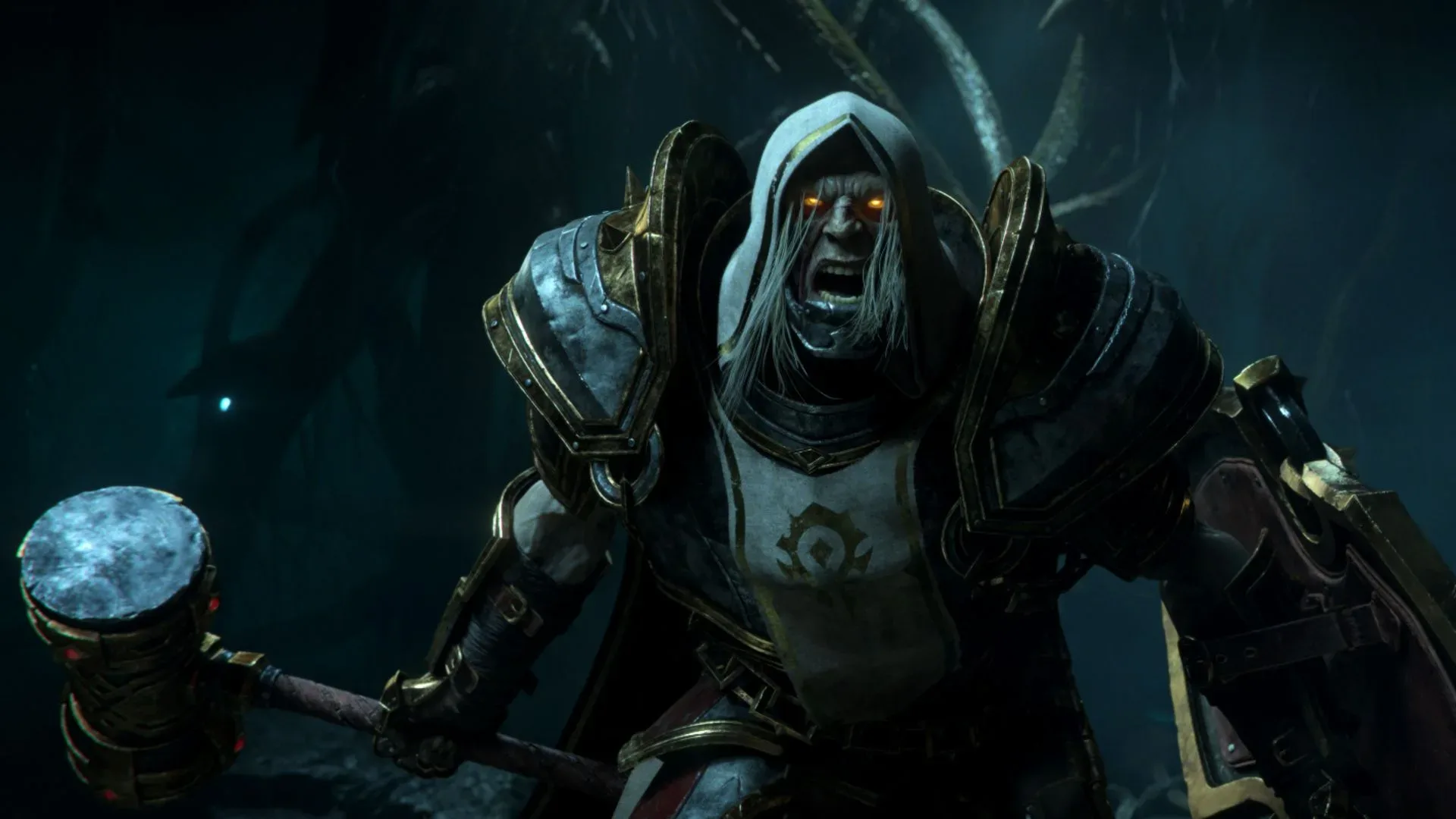
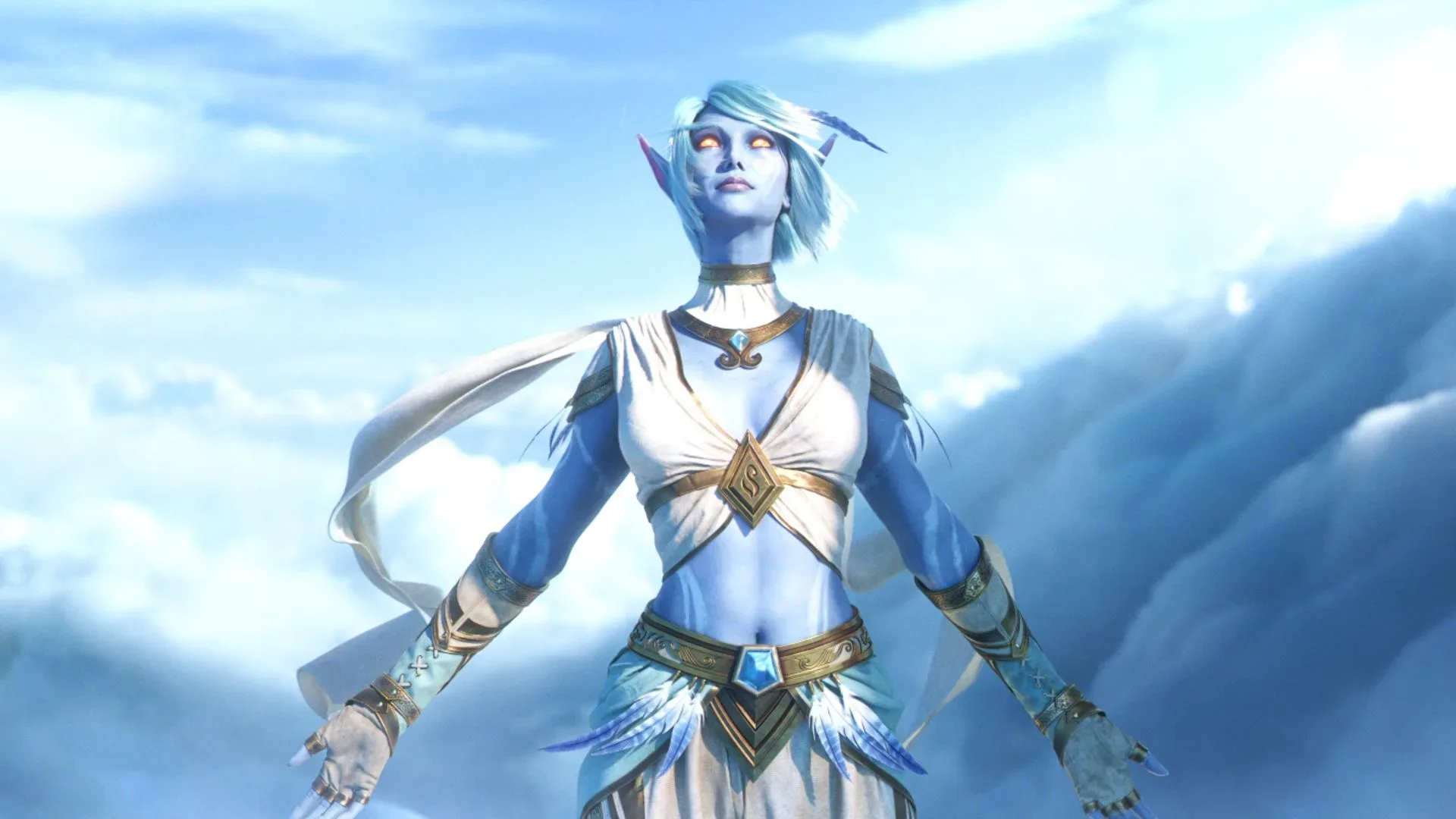
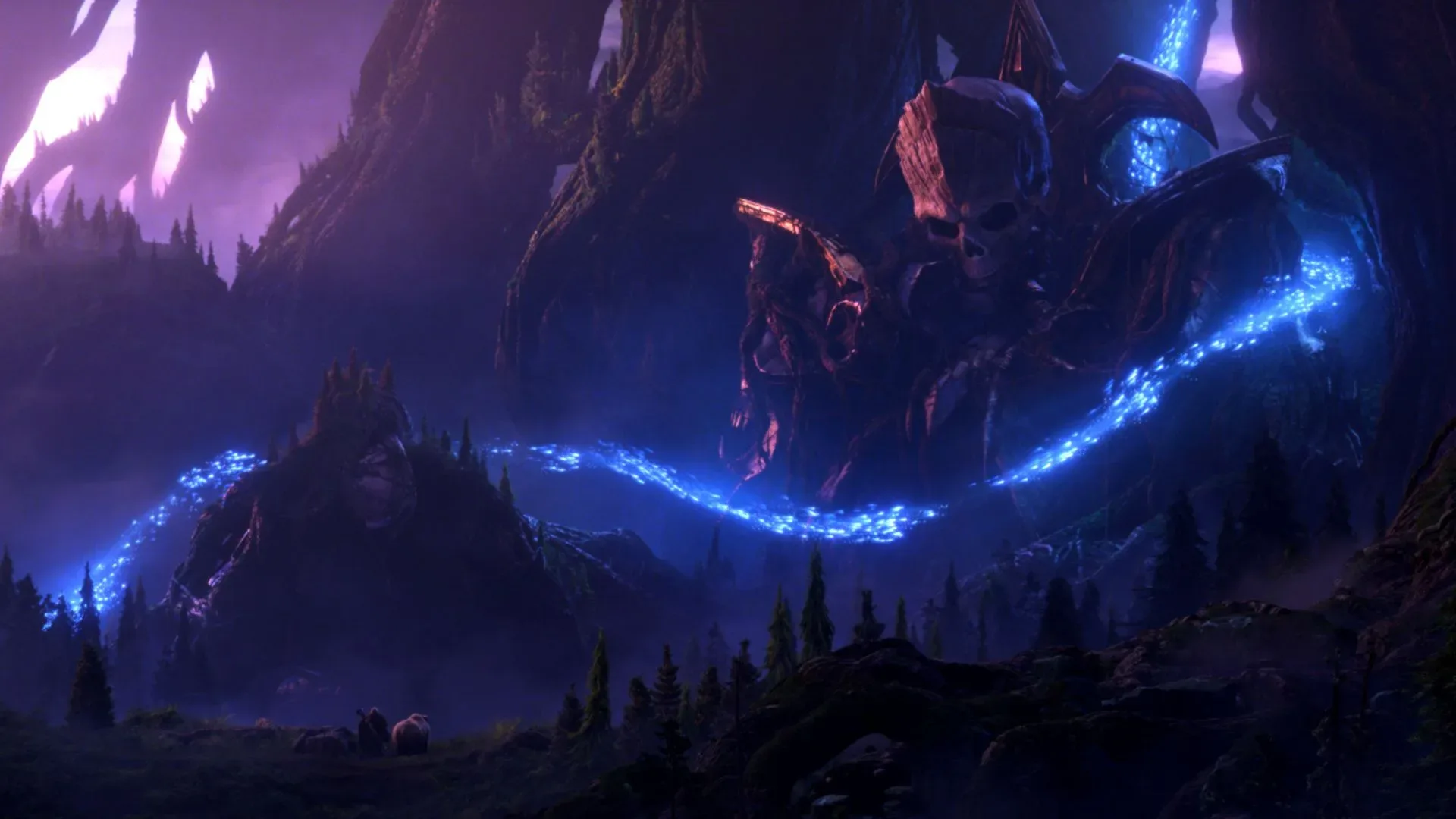
Following its BlizzCon 2026 reveal, the newly announced MMO drew enthusiasm from players hoping for a Classic-plus-style experience. At the same time, screenshots and datamined models prompted concern that its art direction appears closer to modern retail World of Warcraft than to the older visual identity many players associate with Classic.
Classic developer Josh Greenfield has asked fans to hold off on a final verdict. Responding to a question about the choice of aesthetic, Greenfield said that a model encountered in a datamine or isolated screenshot is not necessarily representative of how it will appear in the game engine or alongside the rest of the world.
“I'd encourage you to reserve judgement on any model you see datamined or in screenshots until you can see it in-game and in context with the rest of the world.”
That is not a promise that every concerned player will prefer Forever’s eventual look. It is, however, an important clarification about what early assets can and cannot establish. For a project built around the expectations of a long-running game community, the difference between an individual asset and the game’s complete presentation is not a trivial distinction.
Why the visual debate is bigger than one character model
The criticism voiced by some fans is fundamentally about cohesion. Players have described the early material as looking “too retail,” with worries that it could feel less like a Classic expansion of the original World of Warcraft and more like a reduced version of the contemporary game. That phrasing is blunt, but the underlying question is useful: will Forever’s visual language make its characters, environments and interface-adjacent elements feel as though they belong to one consistent world?
“Classic plus” is community shorthand rather than a technical genre. In this context, it describes the desire for a game that retains the character and social texture players connect with the original experience while providing something genuinely new. The argument is therefore not simply about lower-detail versus higher-detail artwork. Fans are asking whether proportions, silhouettes, colours, animation style and environmental mood will read as part of the older world they value.
That concern is understandable because visual style carries gameplay meaning in an MMO. Readability affects whether a player can quickly identify an enemy, recognize a friendly character, spot an interactable object or understand a space during hectic group activity. Atmosphere matters, too: a world can use technically sophisticated models and still feel unlike the version of Azeroth a particular audience remembers.
Related coverage includes World of Warcraft: Forever Dev Asks Fans to Hold Judgment on Its Look Until Launch.
None of that can be conclusively measured from a single character render or a texture extracted from game files. But it also explains why players are scrutinizing those materials so closely. For this audience, art direction is not surface-level decoration. It is part of the promise implied by a throwback project.
What datamining can reveal — and what it cannot
Datamining generally means examining files made available through a game client, update or other accessible build in order to identify assets or information that has not been fully presented in normal play. It can expose model files, names, icons, strings or other development material well before players see a finished feature.
Those discoveries can be useful clues, but a clue is not the same thing as a finished scene. Greenfield’s response specifically points to the role of the engine: the software systems that render the world and combine models with lighting, shaders, animation, camera distance, terrain and other visual effects. A raw model may be displayed in a viewer with plain lighting, a neutral background or a pose that bears little resemblance to its intended use.
Context also includes scale. A player looking at a model in isolation can focus on minute details or compare it directly with a familiar older asset. In a live game, that same object is seen amid buildings, foliage, movement, combat effects, other players and the broader colour palette of a zone. The model may stand out more than intended in a flat screenshot, or it may blend naturally once every surrounding element is present.
There is a practical caveat here. Context can explain why early material gives an incomplete impression, but it does not automatically erase stylistic differences. If Forever ultimately uses models with markedly different proportions or surface treatment from the Classic-era world, players will still be able to decide whether that mixture works for them. Greenfield’s message is best understood as a request to evaluate the whole presentation before declaring the issue settled, not as evidence that all initial concerns are mistaken.
Community response: patience, with an asterisk
The replies described around Greenfield’s comments were broadly receptive to the request for patience. One player said judgment would be reserved after the developer communicated directly. Others took a more conditional view: they were prepared to wait, but remained concerned that models which appear too different could clash with Classic-world environments and player characters.
That is a measured response. It allows room for an unfinished or decontextualized asset to look different once implemented, while preserving the point that aesthetic consistency remains important. It also gives Blizzard a clear read on what at least part of the prospective audience will be watching for when Forever becomes playable.
For fans, the most informative material will be footage or access that shows ordinary play rather than selected close-ups. The key questions are likely to be straightforward: how do characters look while moving through zones; how do new assets sit next to familiar visual references; are visual effects readable; and does the game create the particular sense of place that players expect from a Classic-oriented MMO?
November will be the more meaningful visual test
World of Warcraft: Forever is currently expected in November. Until then, the discussion will probably continue wherever screenshots and datamined files circulate. That is the nature of an anticipated online game: communities analyze the smallest available fragment because the complete experience is not yet in their hands.
Still, Greenfield’s advice is sensible on its own terms. A screenshot is a frozen instant. A datamined model is an asset viewed outside its intended environment. Neither can fully communicate movement, lighting, world composition or the moment-to-moment feel of playing an MMO. Those factors may ultimately validate the concerns, alleviate them, or produce a more complicated answer somewhere in between.
Forever is also set to restrict access to add-ons, a decision that signals Blizzard is willing to set boundaries around how this throwback MMO is experienced. That separate choice makes the broader identity question even more relevant: when a game asks players to approach familiar systems differently, its presentation needs to clearly communicate what kind of experience it wants to be.
The immediate takeaway is not that fans should stop examining what they see. It is that the available evidence remains partial. Players interested in Forever can reasonably keep an eye on the models and art direction while reserving the real judgment for the point at which the world can be seen functioning as a world. Blizzard’s other current online-game decisions, including the status of Diablo 4’s still-pending Solo Self-Found mode, show how closely communities follow the gap between a developer’s intent and the eventual player-facing implementation.