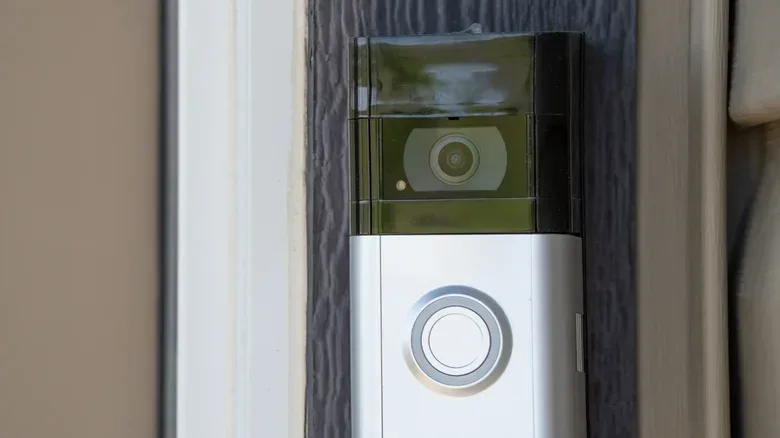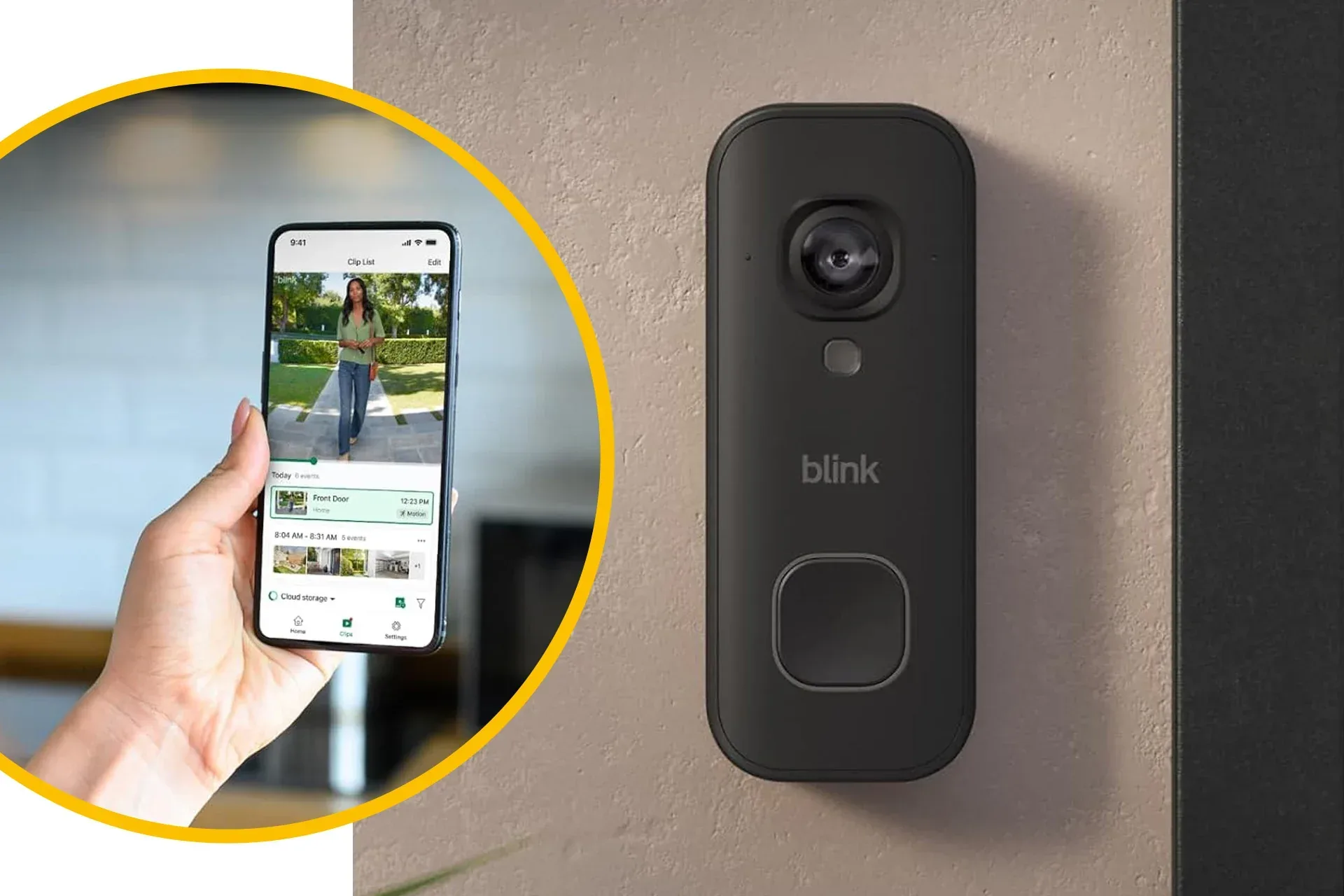

A battery-powered video doorbell has a fairly simple job: stay outside, watch the approach to the house and tell its owner when something happens. Winter turns that simple arrangement into an endurance mode nobody selected. The doorbell is exposed to the cold all day, its battery has less usable performance, and the moment it needs a recharge may arrive at precisely the least convenient time.
This is not necessarily a sign that the doorbell has failed. Cold conditions are a known challenge for lithium-ion batteries, the battery type used in these devices. In a place with prolonged freezing weather, the result can range from shorter time between charges to a device that temporarily stops working. The practical response is less about finding a magical setting and more about treating the battery and its charging routine differently when temperatures fall.
The central rule is straightforward: do not try to charge a very cold doorbell battery immediately. Bring the removable battery, or the doorbell itself if necessary, indoors and let it reach room temperature first. Then charge it fully before it goes back outside. That little bit of patience is much better than asking a frozen gadget to perform a side quest its chemistry cannot safely accept.
Why the cold creates a doorbell problem
Video doorbells sit outdoors by design. That is useful for seeing a visitor, avoiding an unwanted doorstep interaction, or recording activity near an entrance. But it also means the device cannot retreat indoors when the weather becomes hostile. A battery doorbell has to support its sensing and video duties in the same cold air that reduces battery performance.
Lithium-ion batteries work best within a relatively moderate charging range. The preferred range is 50 to 86 degrees Fahrenheit, or 10 to 30 degrees Celsius. Below freezing, charging presents a more serious issue than merely taking longer. Metallic lithium can begin to plate onto the battery’s electrodes. “Lithium plating” describes lithium depositing as metal where it should not during charging; it can permanently reduce a battery’s capacity.
That is why a device may decline to charge in cold conditions. It is a protective behavior, not necessarily an unexplained glitch. Even a temperature slightly above freezing can make charging less efficient than under warmer conditions, while below freezing the risk of long-term battery damage is the important concern.
Cold also affects the day-to-day experience before charging is even involved. A doorbell that normally lasts comfortably between recharges may need attention much sooner during a cold spell. Motion detection matters here: the device needs to detect activity and capture it at the distance its setup allows, so battery status is directly connected to whether the doorbell remains useful for its security role.
The safest winter charging routine
For a doorbell with a removable battery, the best routine is to take the battery indoors and allow it to warm to room temperature before connecting it to power. Do not treat an outdoor-frozen battery like a takeaway coffee: bringing it in is step one, not an automatic green light to begin charging.
- Remove the battery from the cold. If the model supports battery removal, bring only the pack indoors.
- Wait for it to warm to room temperature. This helps avoid cold-related charging delays and avoids charging the cell while it is at or below freezing.
- Charge it completely. A full charge maximizes the time before the next winter recharge is needed.
- Return it only once charging is finished. That gives the doorbell the best available starting point for the next period outdoors.
The elapsed time is worth planning around. A Ring battery can require as much as 10 hours to fully recharge, so this is not always a quick top-up before leaving the house. If the battery is removed late in the day, an overnight charge may be the least disruptive option. The trade-off is obvious: the doorbell will not be covering the entrance while it is inside. Where another camera covers the area, that may be an easier compromise. Without alternate coverage, the timing deserves more care.
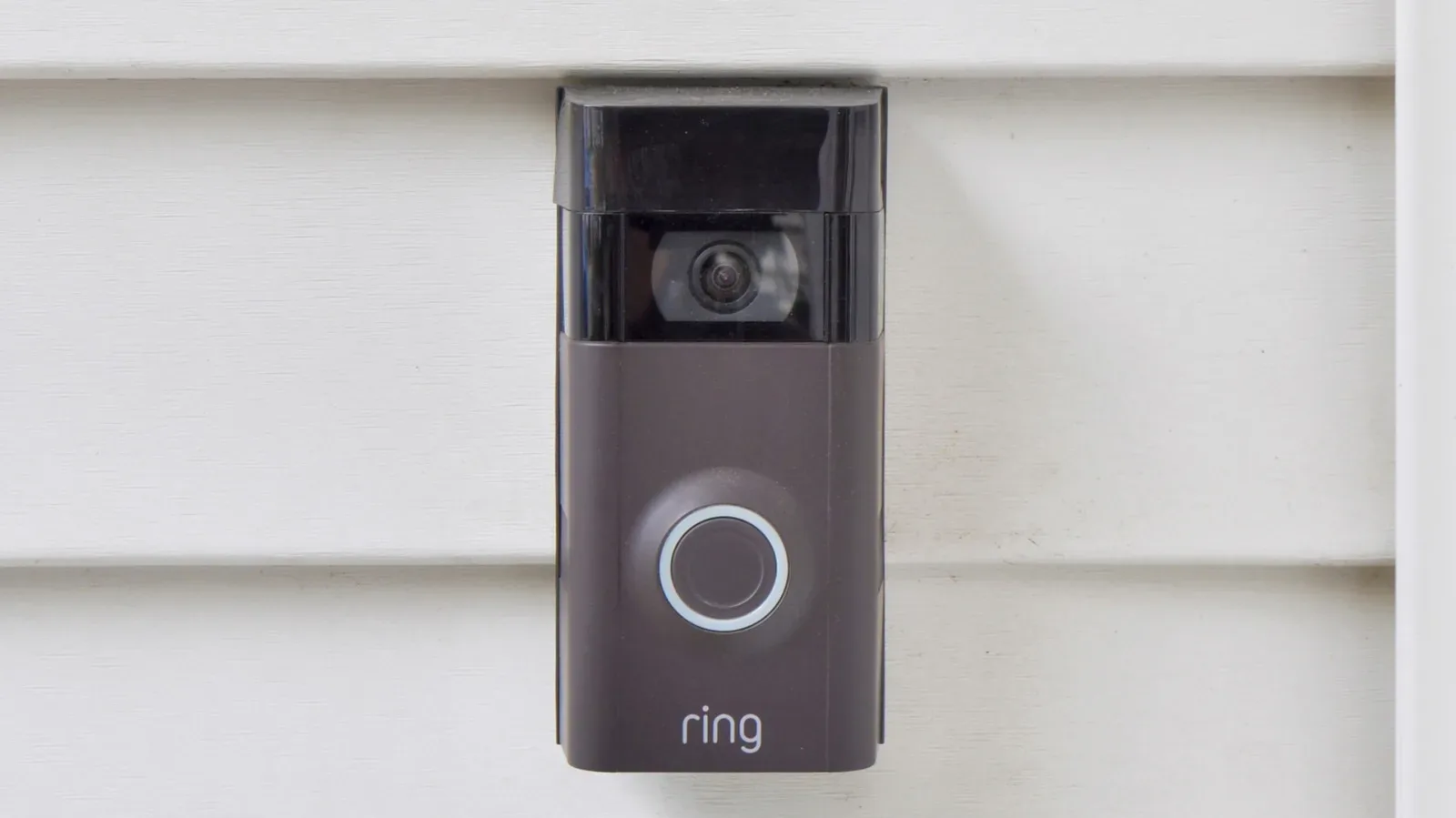
A spare charged battery is the most practical way to reduce that coverage gap for models with removable packs. Instead of leaving the doorbell unable to operate while one battery is charging, the owner can swap in the charged pack. Some newer battery-powered Ring doorbells use quick-release battery packs, a design intended to make that exchange less fiddly.
What if the battery does not come out?
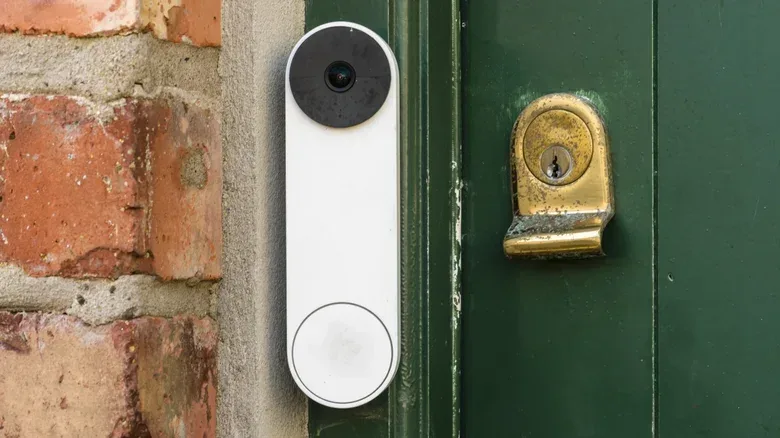
Not every battery-powered video doorbell permits a quick battery swap. The battery-powered Google Nest Doorbell is one example with a non-removable battery arrangement. In cases like this, the unit itself has to be removed and taken indoors for charging.
That changes the household routine but not the underlying principle. Let the device warm indoors, then recharge it. Because the process may take hours, overnight charging can make sense when there is no concern about leaving the front approach without this camera for that period. If the doorbell is the only device watching the entrance and that gap is unacceptable, a battery-powered, non-removable design can be especially inconvenient in a cold climate.
It is also useful to separate this narrowly defined cold-weather limitation from every other smart-device frustration. Connectivity, app behavior and automation can have their own rough edges; smart technology still benefits from understanding its limits. Here, though, the key limitation is physical rather than software-based: lithium-ion cells do not charge optimally in the cold, and may be protected from charging there for good reason.
Use placement to take the edge off mild winter weather
In a climate where temperatures only occasionally slip below freezing, placement may extend battery life. This is not a cure for a severe cold snap, but it can help the doorbell run warmer than it otherwise would.
- Block wind where possible. Reducing wind exposure can help prevent the device from becoming as cold as an exposed installation.
- Make the most of sunlight. A position that receives more sun may naturally stay warmer.
- Consider shelter. A more protected location can be useful when it still allows the doorbell to cover the approach as intended.
These measures are most relevant to “borderline” winter conditions, not deep cold. They should be viewed as incremental help rather than a replacement for indoor charging. The goal is simply to reduce unnecessary exposure when the environment is hovering near the point where performance becomes less dependable.
Positioning also involves a practical balance. A video doorbell has to face the area where activity is likely to occur and detect movement at an appropriate distance. A warmer placement is only helpful if it still lets the device do its main job. Sheltering the hardware at the cost of leaving the approach poorly monitored would be a questionable upgrade.
Know the extreme-cold threshold
There is a point at which charging habits and better placement cannot make a battery doorbell reliable. Anker, Ring and Google identify -4 degrees Fahrenheit, or -20 degrees Celsius, as a minimum operating temperature. In extreme cold, a doorbell can stop functioning for the duration of those conditions.
The span between freezing and that lower operating limit can be confusing because a device may still power on yet refuse to charge. That refusal can be a safeguard against lithium plating. In other words, a doorbell being physically present on the wall does not mean it is in a condition where its battery should accept power.
For residents of places where extreme sub-freezing temperatures are routine rather than rare, the broader answer may be changing the hardware approach. A wired doorbell draws electricity from the home instead of relying on a lithium-ion battery that must supply the device outdoors. It may still have issues near the -4°F/-20°C boundary, but it is otherwise not subject to the same cold-driven battery drain.
When a wired doorbell is the more sensible winter choice
A wired model is not automatically the answer for every home. Compatibility with the home’s design still matters, and the evidence here does not suggest wired doorbells are invulnerable to all severe-weather problems. But in a region regularly described by its residents with phrases like “why does the air hurt,” a wired setup can remove the recurring cycle of retrieving, warming, recharging and reinstalling a battery device.
That distinction is important. A wired doorbell does not make outdoor electronics oblivious to extreme temperature. Rather, it eliminates the lithium-ion battery as the component whose usable charge and charging safety are most directly affected by ordinary winter cold. For homes with occasional freezes, indoor charging discipline and thoughtful placement may be enough. For homes with sustained hard freezes, relying on a removable battery as a seasonal ritual may be the less convenient system.
The useful winter checklist is therefore short: know whether the battery is removable, bring cold hardware inside before charging, allow it to reach room temperature, charge fully, keep a spare charged pack if the model permits it, and use wind protection or sunlight only as supplemental measures. If extreme cold is a normal part of the forecast, consider whether a compatible wired doorbell better fits the job. The porch camera does not need to become a tiny frozen boss battle every year.