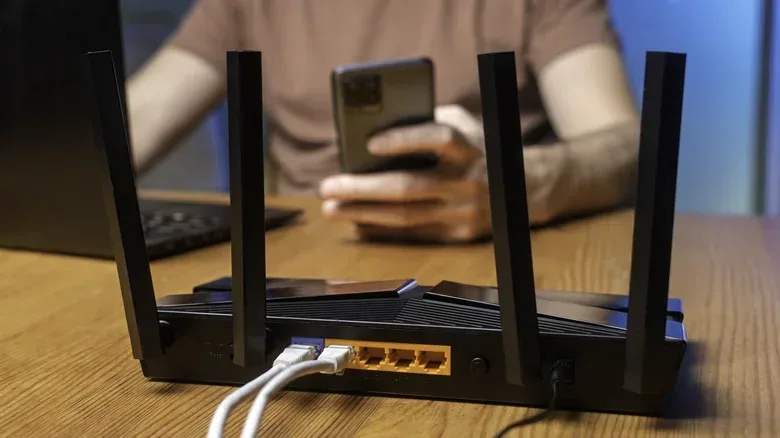
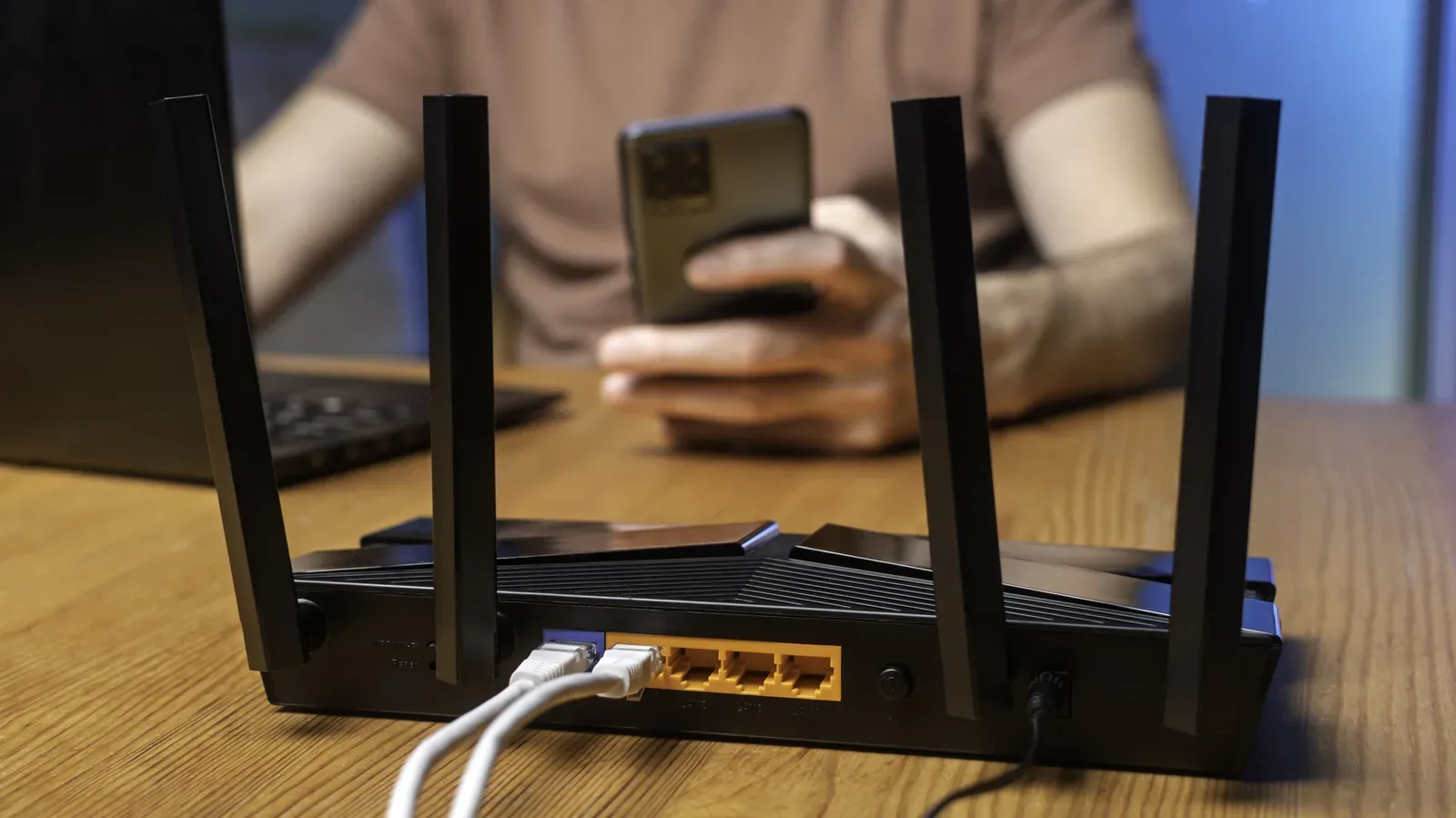
Wi-Fi standards have a habit of arriving with an implied dare: find a way to make the biggest number on the box matter. Wi-Fi 8 is taking a different route. Rather than primarily pursuing a new peak-speed trophy, the technology is being developed to make a wireless connection less likely to wobble at the exact moments users notice it most.
That is a welcome shift in emphasis. A connection can look excellent in a speed test and still feel unreliable in ordinary use if its signal weakens in a far room, it competes with a dense field of nearby networks, or a device stumbles while moving from one mesh access point to another. Wi-Fi 8, based on the developing 802.11bn standard, is intended to improve those rough edges.
The standard is not final. Approval is expected in 2028, yet early Wi-Fi 8 hardware has already been announced or made available by ASUS, with a TP-Link model expected in some regions. That creates a familiar early-adopter dilemma: hardware can be sold before the specification is complete, but the headline improvements will not be automatic, immediate or necessarily comprehensive.
The problem Wi-Fi 8 is meant to solve
Raw speed is not the only measure of a good home network. Wi-Fi 7 can realistically reach about 23 Gbps under ideal circumstances, a level that very few people are likely to encounter in everyday use. Meanwhile, many household internet plans offer only a few hundred megabits per second, bandwidth that an older Wi-Fi 6 router should be able to handle comfortably.
Even a faster 2 Gbps fiber connection is largely within Wi-Fi 7’s wheelhouse, particularly close to the router. But that last qualification matters. Being able to move data quickly next to an access point does not guarantee a stable experience elsewhere in the building.
Wi-Fi 7, released in 2024, has faced concerns around stability, wall penetration and range. Those are not merely technical footnotes. Walls and distance can turn a strong connection into a weak one, while apartment residents may be competing for wireless airtime with a long list of neighboring networks. Mesh users can encounter another annoyance: a handoff that is less smooth than it should be as a phone, laptop or tablet moves between rooms.
Wi-Fi 8’s working nickname, Ultra High Reliability, states the objective plainly. Its target is consistency: fewer trouble spots, fewer abrupt disruptions and better performance when the network environment is at its least forgiving.
Throughput, packets and latency in plain English
The proposed gains are expressed in terms that can sound abstract, but each connects to a recognizable annoyance. Throughput is the amount of useful data that makes it through a connection over a period of time. Wi-Fi 8 is expected to offer 25 percent better throughput for weak signals. In practical terms, this is about making a marginal connection more useful, not promising that every device everywhere will suddenly receive a 25 percent speed increase.
Related coverage includes Wi-Fi 8 Targets Reliability Over Raw Speed.
Packets are the pieces of data that travel across a network. When packets are dropped, information has failed to arrive as expected. Wi-Fi 8 is targeting 25 percent fewer dropped packets, with a particular focus on transitions between access points. That is important for mesh systems, where a device may need to move from one node to another as the user changes location.
Latency refers to delay: the time it takes for network communication to make the trip. The design goal is 25 percent lower latency at the shakiest moments. The wording is significant. This is not simply an effort to produce the lowest possible number under ideal lab-like conditions; it is aimed at reducing delay when a connection is already under strain.
Those are targets for the developing standard, not a guarantee of a uniform result in every house, apartment or device. Still, the direction is useful. The frustrating part of wireless networking is often not an average-performance figure. It is the sudden dip: the weak bedroom signal, the crowded-airtime slowdown, or the moment a roaming device loses its footing.
Coordination matters most in mesh networks
One central idea behind Wi-Fi 8 is better coordination among access points. Current routers and access points share channels by taking turns transmitting, and those turns are not always managed in the most efficient way. The emerging Wi-Fi 8 approach lets compatible access points coordinate when each should transmit.
An access point is the point through which a device joins the wireless network. In a simple setup, the router may be the only access point. A mesh setup spreads several access points around a home or larger space so coverage can extend beyond the reach of one centrally placed router.
That makes mesh networking the clearest fit for Wi-Fi 8’s reliability-first design. More access points can help a household reach difficult areas, but they also create the need for devices to move gracefully among them. Better collaboration between those points could reduce the disruption associated with that changeover.
There is also a broader benefit for locations with crowded wireless conditions. In an apartment building where around 20 networks may be competing for airtime, simply adding a larger advertised speed figure does not address the underlying coordination problem. Wi-Fi 8’s emphasis suggests a more relevant question: how reliably can a network use the wireless environment it has?
For gaming, work calls, streamed media and connected-home gear, that distinction can be more meaningful than theoretical maximum bandwidth. That is an analysis of the proposed focus rather than a promise that Wi-Fi 8 will solve every connection issue. A reliable local wireless link cannot add speed beyond the internet plan itself, nor can a new standard erase every limitation created by a difficult layout. It can, however, be designed to make the local wireless portion of the journey less erratic.
Why an early Wi-Fi 8 router may not change much
The biggest limitation for would-be buyers is compatibility at both ends of the connection. A router can support Wi-Fi 8, but the phone, laptop or tablet connecting to it must support Wi-Fi 8 as well before the new features can come into play. Buying the router alone does not make existing client devices gain the standard’s reliability features.
This is especially important because the standard remains a draft. Early ASUS Wi-Fi 8 gaming routers and mesh systems are built around that draft, and a TP-Link option is due in some regions. Draft-based products may be an investment in future compatibility, but there is no assurance that they will implement every element of the final specification.
In other words, buyers should separate two ideas that marketing can blur together: having a router labeled for a forthcoming generation and receiving the full eventual benefit of that generation. The first can happen now. The second depends on the final standard, the router’s continuing support and compatible client hardware arriving in the home.
That does not make early hardware inherently pointless. It may suit someone deliberately buying ahead for a future device refresh, particularly in a congested building or a household committed to mesh coverage. But it is not an obvious solution for a current weak signal when the connected devices themselves cannot yet participate.
Practical priorities before changing standards
For most people purchasing today, Wi-Fi 7 remains a reasonable choice for a new router. It can largely handle a 2 Gbps fiber connection and has considerably more peak-speed potential than typical home internet plans require. Wi-Fi 6 should also remain adequate for plans delivering a few hundred megabits per second.
Before treating a draft Wi-Fi generation as the answer, address the more basic factor that can have an immediate effect: router placement. A centrally located router is more likely to serve the surrounding rooms effectively than one placed at the edge of the home. Moving an existing router to a better central position may improve the experience more than replacing it with a router based on a standard that is still unfinished.
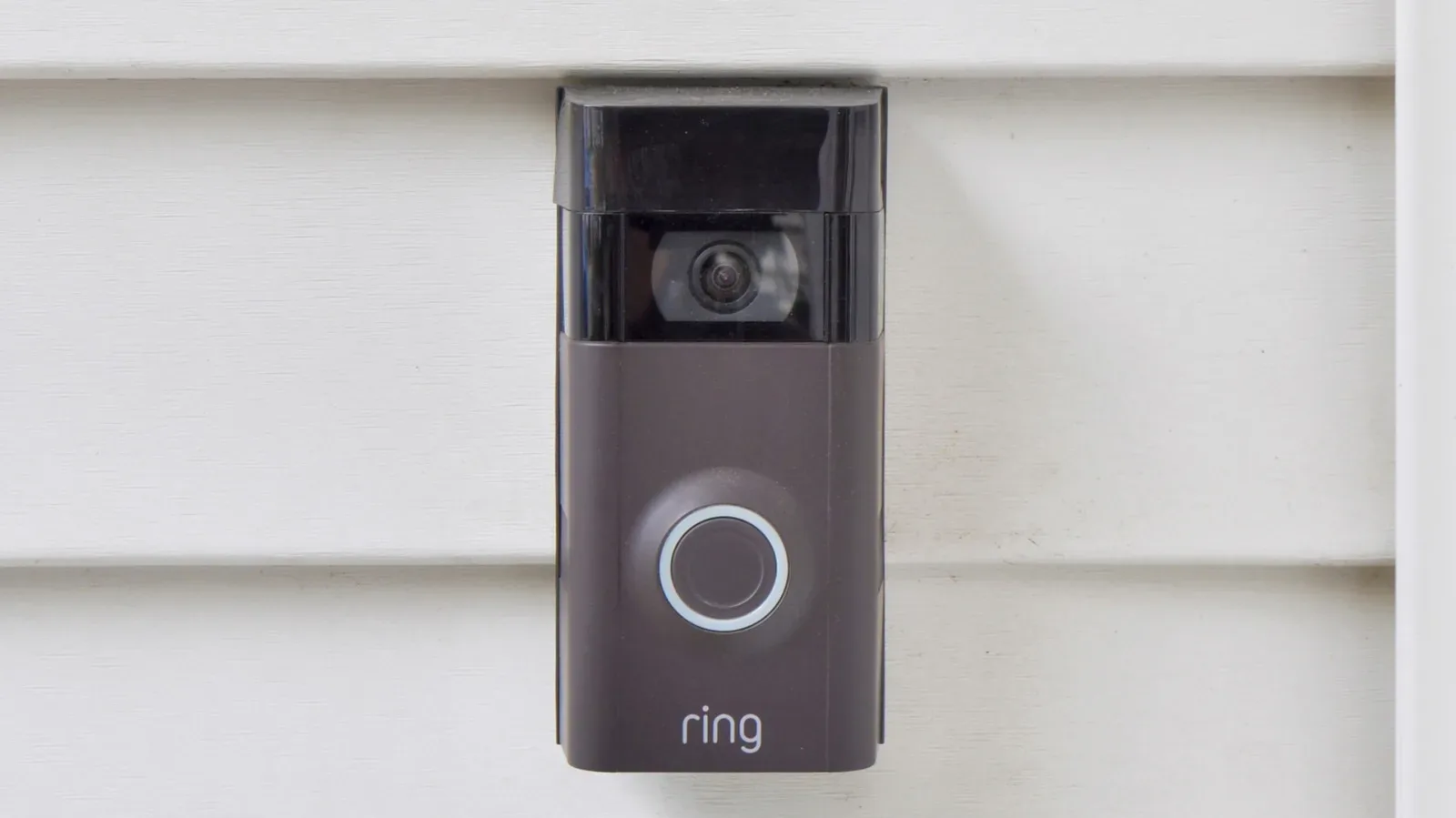
The same practical mindset applies to network-dependent household equipment. A coverage issue is not always a cue to buy the newest logo; it is often a cue to identify where the weak signal is occurring and whether the current equipment is positioned to reach it. For related placement and coverage considerations in a connected-device setup, see this Ring camera setup guide.
Wi-Fi 8’s eventual appeal is therefore easy to understand even if its immediate value is limited. It is being aimed at the awkward realities of wireless networking: weak coverage, neighboring networks vying for the same airwaves and devices moving across mesh nodes. The technology’s promise is not that every home needs an enormous new speed ceiling. It is that the connection should hold together better when the conditions are least ideal.
For now, patience is part of the specification. Final approval is expected in 2028, and meaningful Wi-Fi 8 advantages will require compatible hardware on both the router and device side. Until then, a sensible upgrade path is to match a router to the household’s actual broadband plan, improve placement where possible and regard draft Wi-Fi 8 gear as a forward-looking purchase rather than an instant cure for every dead zone.