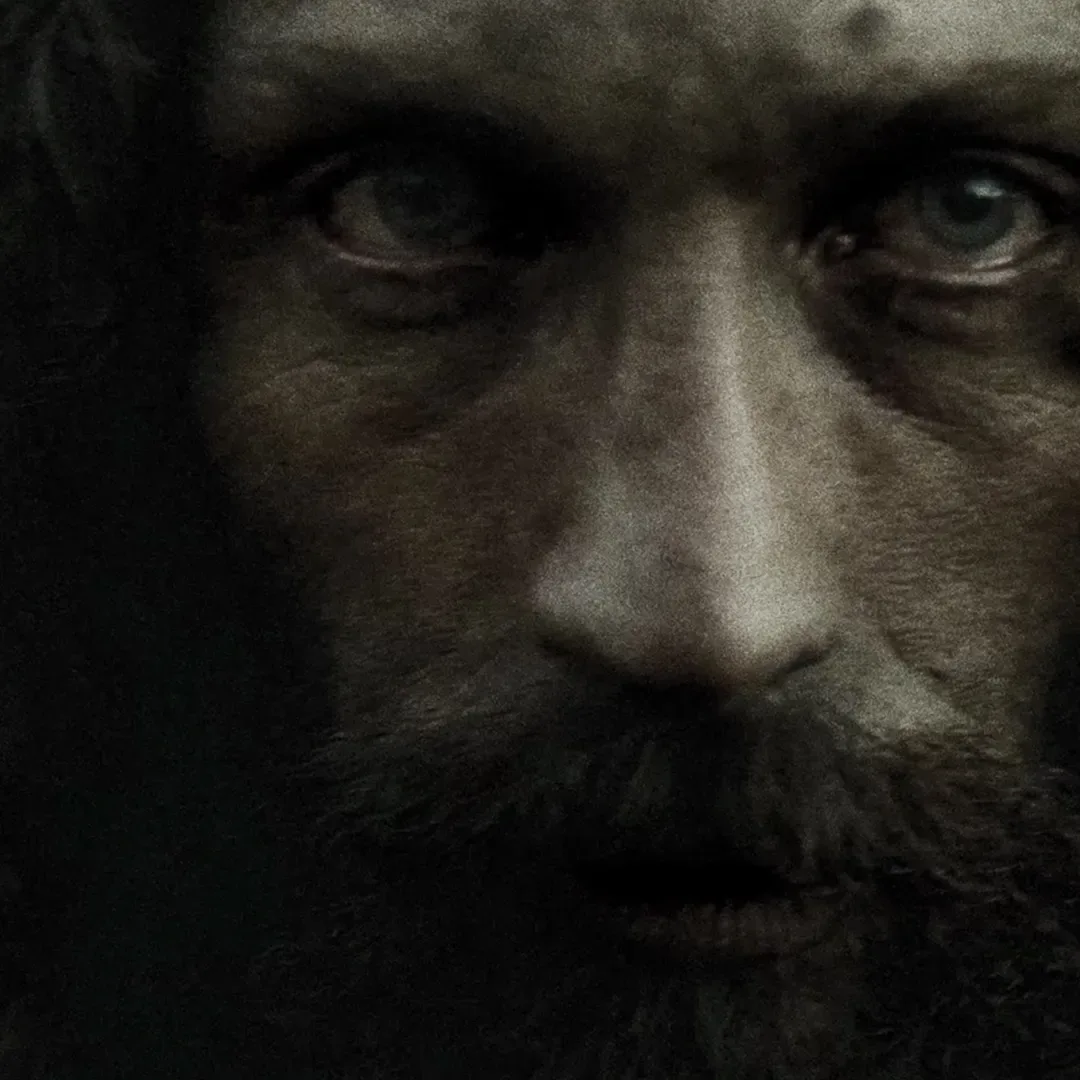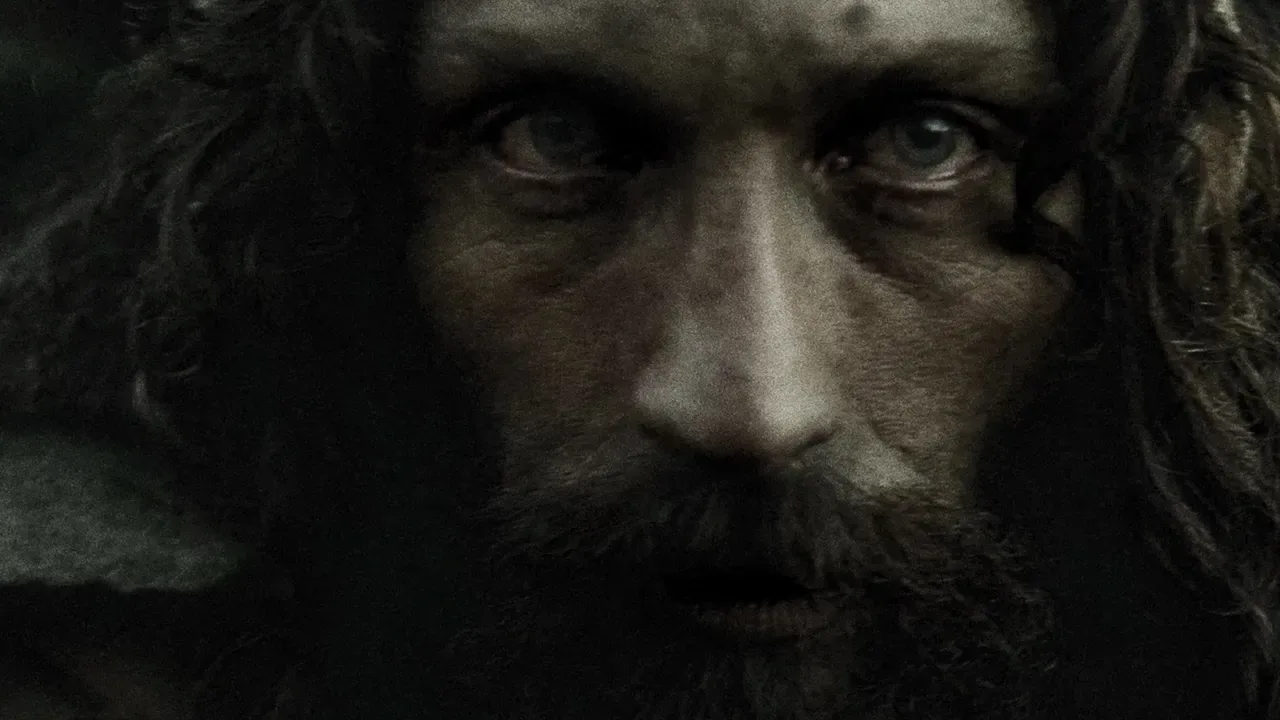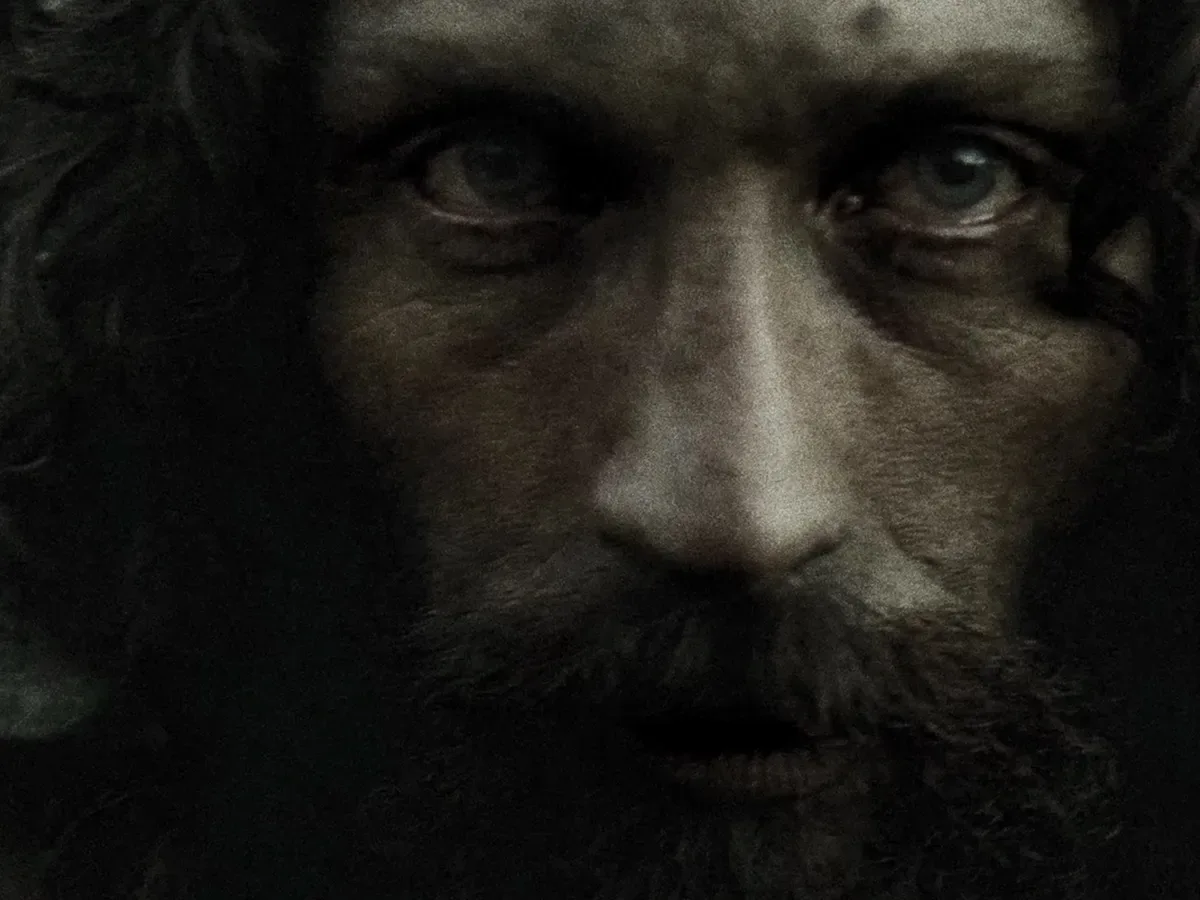
Werwulf, Robert Eggers’ forthcoming medieval horror film, is extending its full-moon marketing into a game-like online puzzle. Alongside a new trailer, the film has revealed the Werwulf Alternate Reality Game, a three-part challenge built around full moons between September and November 2026.
The basic assignment is deceptively simple: visit DevourethAllMankynde.com, locate a hidden “sign” somewhere across digital platforms, then decipher and submit that sign back through the site. The complication is the clock. Each full-moon search period lasts only 24 hours, after which the relevant sign disappears.
That makes this less like a conventional video game with a permanent quest log and more like a scheduled community puzzle. Missing one of the three moon windows could matter: the stated objective is to complete all three in pursuit of a still-mysterious prize. The nature of that reward has not been detailed.
A horror campaign designed around lunar deadlines
The film’s promotional material is being released in step with the lunar calendar, and the alternate reality game—often shortened to ARG—takes that idea from presentation into participation. An ARG is a puzzle experience that unfolds through websites, online posts, clues, codes, or other digital spaces rather than inside a single downloadable game client. Its fiction and its real-world delivery channels are deliberately connected, asking players to search, interpret and collaborate outside one closed play space.
For Werwulf, the central mechanic is the “sign.” Participants are being asked to identify something hidden on unspecified digital platforms, work out what it means, and return the answer to the dedicated site. No complete list of platforms, puzzle formats, or answer-entry rules has been provided. That uncertainty is part of the challenge, but it also means players should avoid assuming that every ominous post or unrelated account is part of the game.
The timing gives the ARG a distinct cadence:
- There are three full-moon rounds, spanning September through November 2026.
- Each round has a 24-hour search window.
- A sign is removed when that window closes.
- Completion of all three moons is tied to an unspecified prize.
In practical terms, the event’s scarcity is not an in-game collectible system. There is no indication that players will roam a map, gather items, or unlock a campaign reward through gameplay. Instead, the limited resource is time: the chance to see, solve and submit each month’s clue before it vanishes.
What the trailer and premise establish
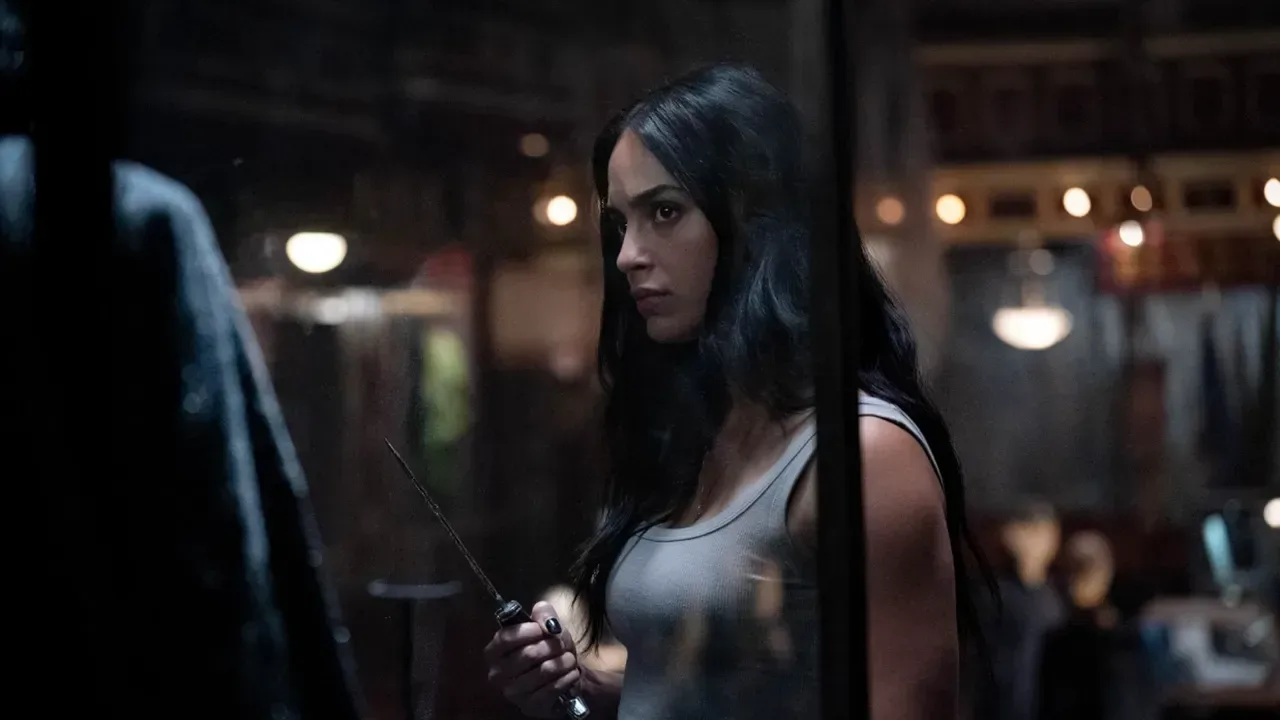
Werwulf is set in the 13th century and follows a farmer played by Aaron Taylor-Johnson after he is cursed to live as a werewolf. Lily-Rose Depp plays his wife and the mother of his children. Willem Dafoe, Ralph Ineson and Jack Morris portray three wolf hunters whose mission is to kill the werewolf.
Related coverage includes Werwulf Trailer Unveils Medieval Terror as Full-Moon ARG Begins.
That setup frames the story as more than a creature hunt. The curse sits within a family, while the pursuing hunters supply an external threat. The ARG’s language—particularly its emphasis on devouring humanity and finding signs—fits the film’s medieval-horror identity, but players should treat it as promotional fiction rather than evidence of plot details not yet disclosed.
The cast and premise also clarify why a moon-based structure is a natural fit. Werewolf stories are closely associated with lunar transformations, and a full moon supplies a ready-made deadline that audiences can recognize without needing a lengthy tutorial. Here, it turns the release calendar into a recurring appointment: one trailer and campaign beat is not merely posted; it is tied to a period when players must act quickly.
How to approach the Werwulf ARG without getting lost
Because the experience is designed around discovery, an exhaustive solution would undercut its purpose—and the available information does not identify the locations or answers for the signs. There are, however, sensible ways to prepare for a timed online puzzle.
- Start with the official hub. The dedicated site is the stated destination for submitting a deciphered sign. Check it before a moon window opens and again when a round begins, since it is the clearest reference point for the challenge.
- Plan for the full 24-hour period. A one-day window can overlap with work, school, sleep and different time zones. Setting a reminder for the relevant full moon is more reliable than expecting to stumble upon a clue in a social feed.
- Record clues accurately. If a sign uses unfamiliar wording, symbols, spelling or formatting, preserve those details. Puzzle answers often depend on exact characters or arrangement, so paraphrasing too early can create mistakes.
- Separate confirmed leads from speculation. A hidden clue may invite theories, but a theory is not a solution. Keep track of what appears to be part of the official trail and what is simply fan interpretation.
- Work collaboratively, carefully. ARGs can benefit from multiple people comparing observations. Still, players should not share personal account details, click dubious lookalike links or treat unverified messages as official instructions.
Those safeguards are especially relevant to a promotion that sends people looking across “various digital platforms.” The supplied details establish that the sign will be hidden online, not that every online mention is legitimate. Using the official hub as an anchor helps distinguish the intended hunt from impersonation, spam, or opportunistic spoilers.
Why the 24-hour rule changes the experience
A permanent puzzle can be approached casually: a player can return next weekend, search at leisure and compare answers after the fact. The Werwulf ARG’s disappearing-sign rule imposes a different kind of pressure. It encourages monitoring, speed and collective problem-solving because every hour spent deciding where to look is an hour removed from the search.
That urgency is also a thematic fit for horror. A deadline creates anxiety even before players know what the clue says. The design turns the full moon into both a storytelling image and a functional event timer. If the structure works as described, each round will become a compact hunt with a defined beginning and end rather than an endlessly open promotional page.
There is a trade-off. Limited-time events can be exciting for participants who catch them, but they are inherently less accessible for anyone who learns about the game late or cannot be online during a particular window. The promised prize increases the importance of the schedule, yet its exact form remains unknown. Until further details emerge, it is best to regard completing all three moon phases as the stated requirement rather than to assume a particular kind of reward.
Trailer marketing and interactive promotion are running together
The new trailer is the more conventional part of the campaign: it introduces or reinforces the movie’s atmosphere, period setting and werewolf premise. The ARG adds an interactive layer that asks viewers to become investigators. It does not replace a film release with a game adaptation; rather, it is a companion promotion whose puzzles lead participants through the campaign’s digital footprint.
That distinction matters for anyone expecting a full standalone Werwulf game on a PC, console, or mobile platform. No such product, platform release, or gameplay format has been specified. What has been revealed is a browser-accessible alternate reality game centered on timed searches and decoding. Calling it an ARG signals that its play takes place through real online channels, not necessarily within traditional game hardware or an app store.
The timing is also notably narrow. The three-moon run occurs before the film reaches cinemas on December 25. That gives the promotion a finite pre-release arc: September begins the hunt, November contains the final stated full-moon phase, and the theatrical opening follows in December. Whether any material remains available after individual clue windows close has not been explained.
What remains unknown
The announcement gives players a strong outline but leaves several important questions unanswered. There is no confirmed description of the prize, no published technical requirements, no full schedule of exact start and end times, and no explanation of how answers will be validated. It is also unclear whether a successful submission will receive immediate confirmation or whether winners will be contacted only after the third moon.
Those gaps are normal for a puzzle campaign that depends on secrecy, but they make the official site especially important. Participants should watch for any instructions that clarify eligibility, timing, answer submission, or prize terms. They should also be wary of anyone claiming to have a definitive solution before a clue’s status can be confirmed through the official path.
For horror audiences looking for another movie-franchise discussion, Joking Joystick has also covered Melissa Barrera’s comments on what could bring her back to Scream.
For now, the essential message of Werwulf’s interactive campaign is clear: the moon windows are temporary, the signs are meant to be found and decoded, and completing the September-to-November sequence is the route to the undisclosed prize. The film itself is scheduled to open in cinemas on December 25.