Call of Duty: Warzone is preparing an answer to one of its most persistent presentation arguments: an Operator Skin toggle that lets a player locally replace other games’ Operators with Modern Warfare 4 Operators. The setting is due to arrive with Season 1 of the upcoming Modern Warfare 4, and it gives players a way to make Warzone look more visually consistent with the newest Modern Warfare release without taking cosmetics away from anyone who owns them.
It is a deliberately narrow compromise. The switch does not delete a skin, prevent someone from equipping it, or alter the appearance that other players have chosen for their own games. Instead, it changes what one player sees. With the option enabled, an enemy, squadmate, party member, or lobby companion using an Operator or Operator Skin from another Call of Duty title will appear as a Modern Warfare 4 Operator on that player’s screen.
The setting will be off by default. Players who enjoy Warzone’s accumulated roster and its more playful cosmetic direction will therefore see no automatic change. Those who would rather have a match populated by Modern Warfare 4-era characters can opt in themselves.
What the Operator Skin toggle changes — and what it does not
The most important detail is that this is a viewer-side filter. It affects the game presentation for the person who activates it, not the underlying inventory or other players’ displays. A player’s own selected Operator remains visible to that player, even if it comes from an earlier Call of Duty game. The filter is aimed at everyone else in a lobby and match.
That distinction matters because it avoids turning a cosmetic preference into a restriction. Players who bought or earned an older look still retain it, and friends in the same squad can make different choices about how they want Warzone to appear. One person can use the Modern Warfare 4-focused presentation; another can continue seeing the full mixture of characters that has built up across recent games.
In practical terms, the toggle is intended to affect three places where Operator identity is especially visible:
- Lobbies, where players see party members and other characters before play begins.
- Squads, where teammates’ equipped Operators appear during a match.
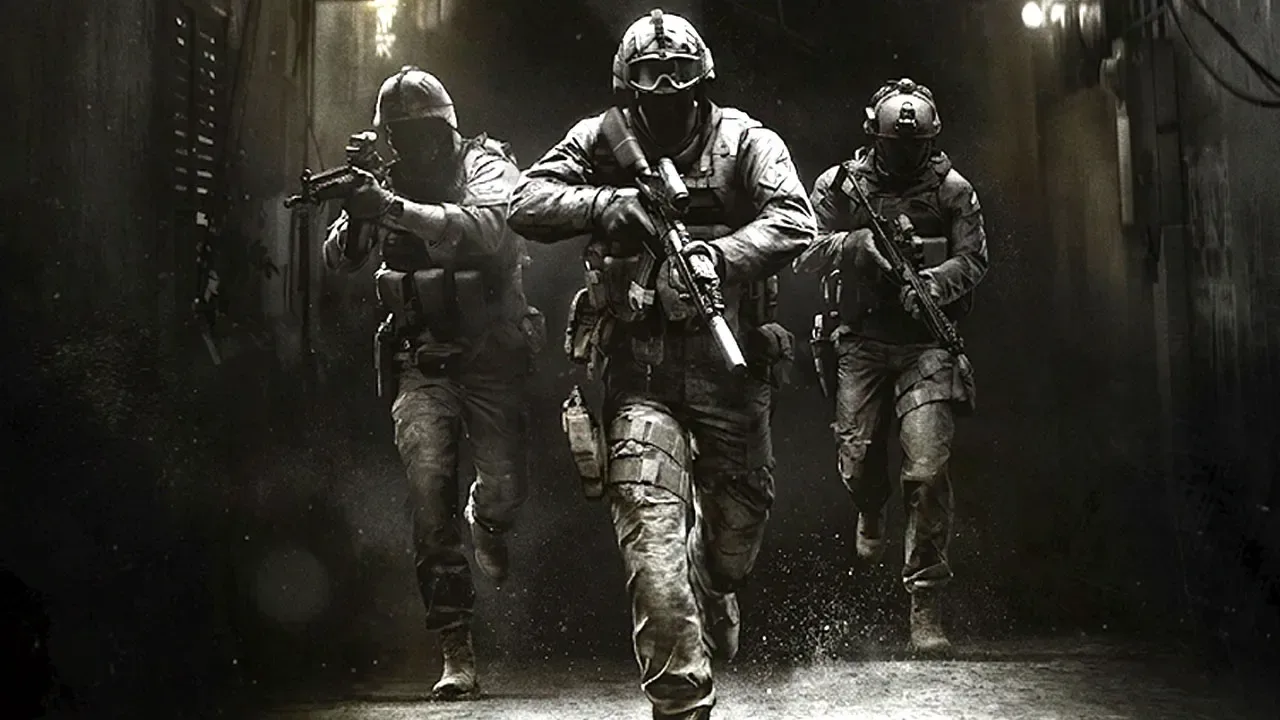
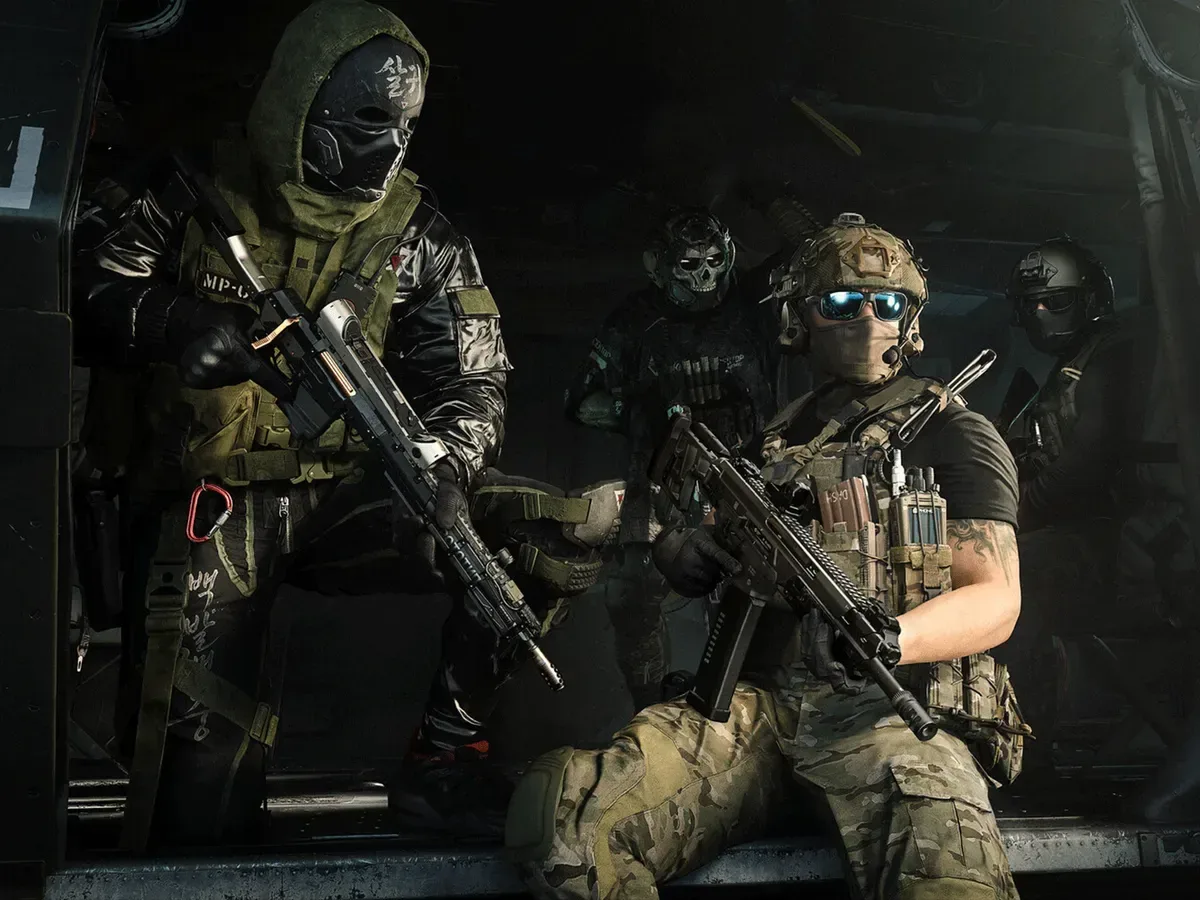
- Opposition, where enemies using Operators or skins from other Call of Duty games are rendered as Modern Warfare 4 Operators for the player who enabled the setting.
There is one useful caveat for anyone expecting a total personal reset: it will not replace the Operator they themselves have selected. Someone can keep using a legacy Operator while filtering legacy Operators from the rest of the match. That is consistent with the feature’s purpose: changing the visual atmosphere a player receives, rather than policing their own inventory choices.
A response to the tone debate, not a cosmetic rollback
Warzone has combined Operators, weapons, and content from multiple recent Call of Duty entries into a shared space. That approach creates continuity for players who invest time and money across annual releases, but it also creates a tonal collision. Military-styled characters and weaponry can sit alongside deliberately comic, celebrity, or animated crossover cosmetics.
Related coverage includes Warzone Will Add an Operator Skin Toggle With Modern Warfare 4 Season One.
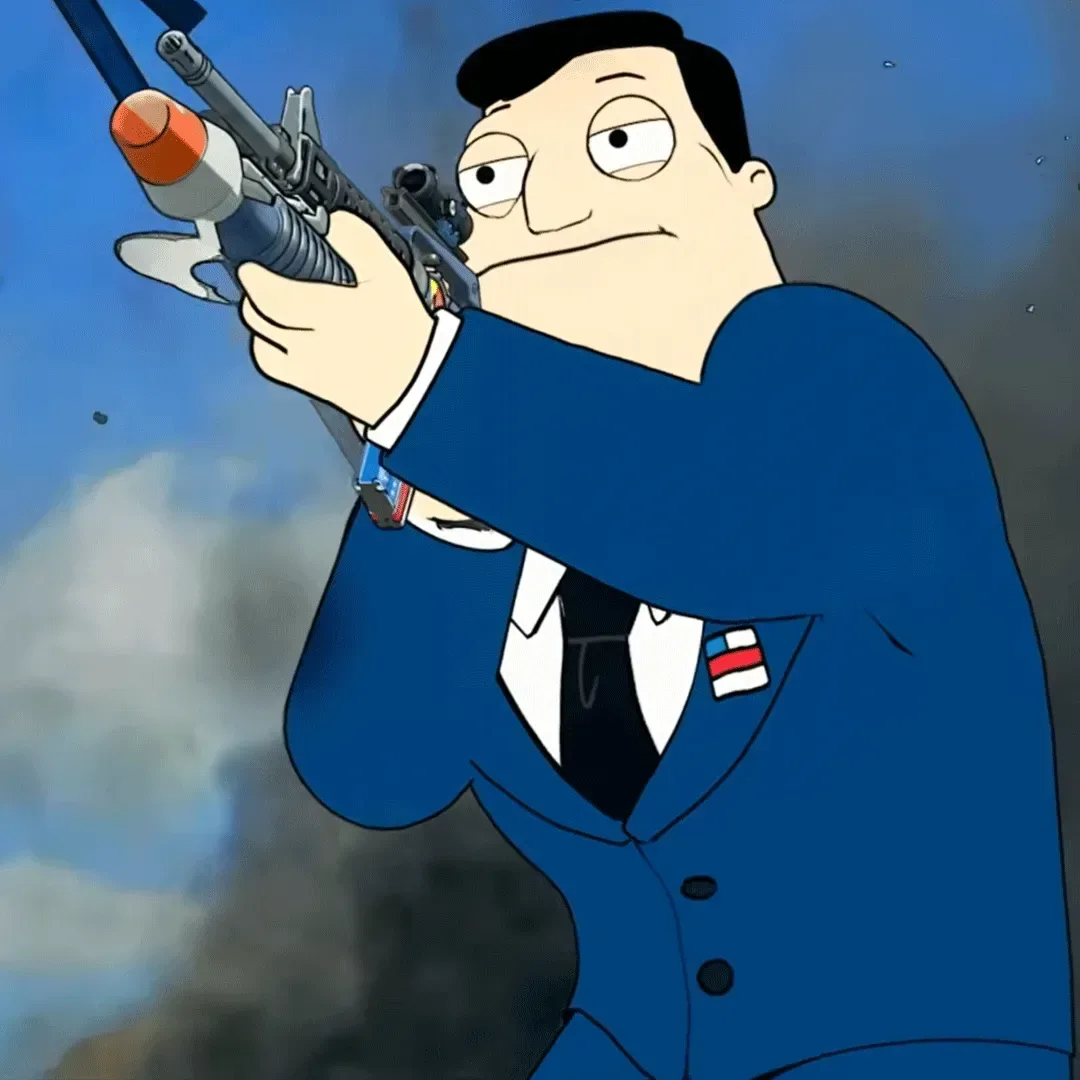
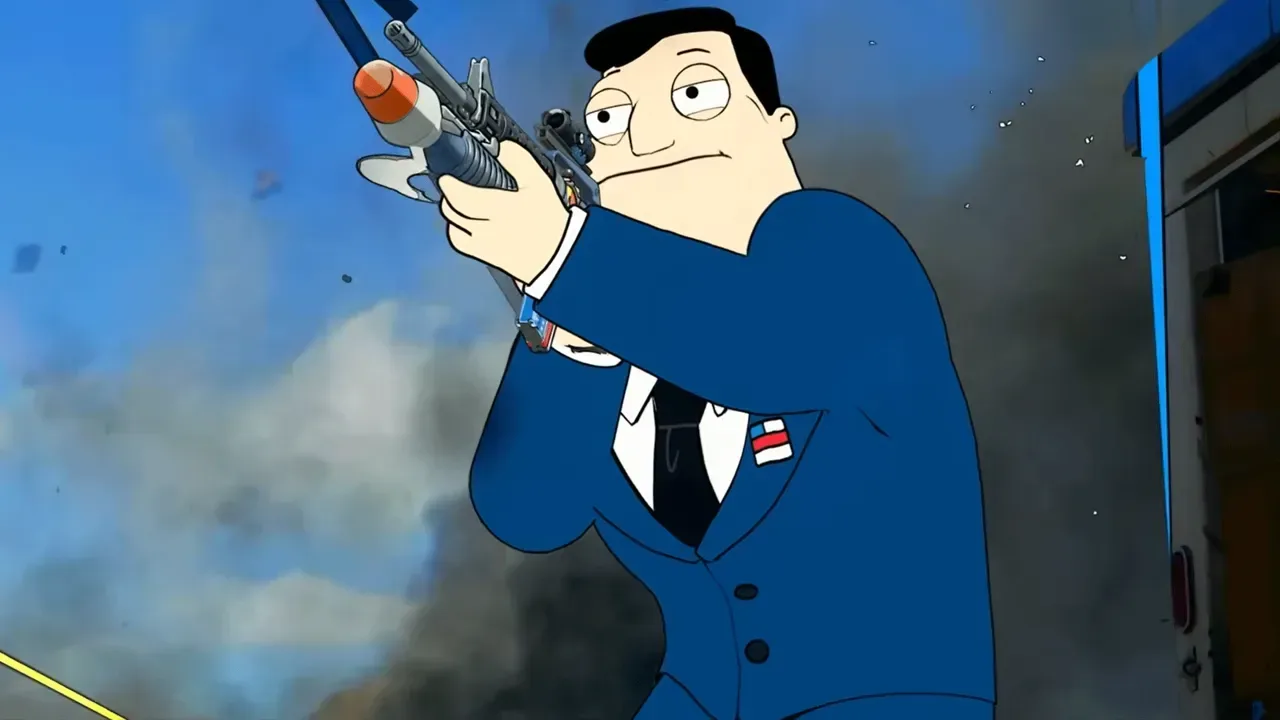
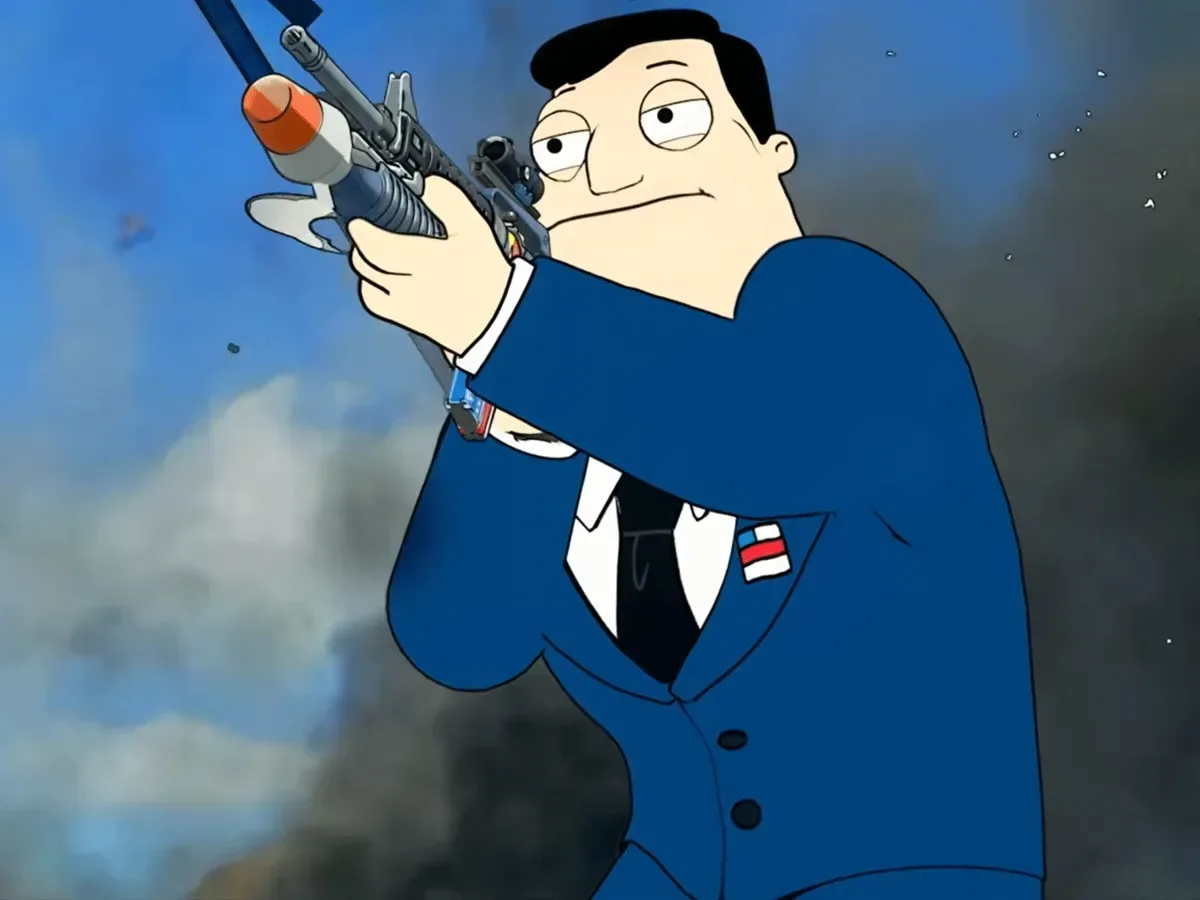
That friction became particularly prominent around Black Ops 6 cosmetics. Beavis and Butt-Head, American Dad, and Seth Rogen-themed bundles became touchstones in complaints from players who wanted Call of Duty to look closer to a grounded military shooter. Some framed the issue as the series adopting a crossover-heavy model associated with other large online games.
The new setting does not declare either preference correct. Rather, it recognizes that Warzone’s shared model now serves audiences with different expectations. Some value the spectacle and variety of a broad cosmetic catalogue; others want the battlefield and lobby to align more closely with the latest game’s visual world. A per-player toggle is technically and commercially more accommodating than a blanket removal would be.
Modern Warfare 4 has also been positioned around a more grounded approach to cosmetics. Infinity Ward previously urged fans to hold it accountable on that point. The Warzone filter gives that promise a visible companion: even when the wider ecosystem contains years of legacy content, players who prioritize that tone can reduce the mismatch on their own screens.
Why the option starts with Modern Warfare 4 Season 1
Players may reasonably ask why such a setting was not added earlier, particularly during Black Ops 6. The explanation provided is technical: the necessary technology will only be available from Season 1 onward.
There is no detailed technical breakdown of that system, so it would be premature to assume exactly how it works behind the scenes. But the announced behavior makes the challenge clear at a high level. Warzone has to preserve what each player owns and has equipped while selectively substituting the visual representation of other players’ Operators for only the user who chooses the filter. It must do so across menus and in live matches, without changing the experience of squadmates who leave the option disabled.
That makes this more involved than simply hiding an item from a menu. The game needs a reliable way to present an approved Modern Warfare 4 Operator in place of eligible legacy Operators across multiple player perspectives. The fact that the choice is local is also central: no one’s purchase or loadout is being invalidated because somebody else prefers a different aesthetic.
Carry Forward remains intact
The visual filter arrives alongside a broader assurance about past Warzone content. Operators and weapons from Modern Warfare 2, Modern Warfare 3, Black Ops 6, and Black Ops 7 will remain available once Season 1 begins. That includes earned and purchased skins, blueprints, and camos. Existing Carry Forward plans for previous titles are not being changed by the toggle.
Carry Forward is the term used for content continuing from prior games into a newer shared environment. Here, it means the update does not erase a collection simply because Modern Warfare 4 becomes the current focus. The Operator toggle is best understood as a display preference layered on top of that retained access.
This is likely the point most relevant to players who have spent years building collections. The feature offers an alternative presentation for players fatigued by crossover visuals, but it is not an instruction to abandon older items. In fact, the player using the filter can still see their own legacy Operator. The balance is intentional: ownership remains broad, while the visual tone can become more selective.
Legacy weapons will be available, but with limits
Warzone’s Modern Warfare 4 transition also changes how older weapons are handled. Weapons from Modern Warfare 2 through Black Ops 7 will remain accessible through the Legacy tab in the Loadout menu. They can still be used, but they will not retain every previous customization convenience.
Gunsmith functionality will not be supported for legacy weapons or legacy blueprints, and earlier custom loadouts will not carry over in their existing editable form. Gunsmith is the system used to modify a weapon with attachments; losing that functionality means legacy gear is not part of the same ongoing customization framework as the current Modern Warfare 4 lineup.
However, the plan is not to leave old base weapons bare. Each legacy base weapon will have a five-attachment version available. Legacy weapon blueprints will also be usable with their existing attachment setups. That creates a middle ground: players retain access to familiar guns and blueprint configurations, while the newest weapon ecosystem remains centered on Modern Warfare 4.
The stated goal is for the active weapon meta—the set of guns and configurations generally considered most effective—to feel rooted in Modern Warfare 4. Raven Software is expected to continue balancing weapons every two weeks. Legacy firearms therefore remain a way to revisit familiar choices, not necessarily a promise that every older build will receive the same level of ongoing systems support as new equipment.
What players should expect in Season 1
When Modern Warfare 4 Season 1 begins, Warzone players will have a straightforward decision. Leave the Operator Skin toggle disabled to continue seeing the full cross-title cosmetic lineup, or turn it on to replace other players’ non-Modern Warfare 4 Operators with Modern Warfare 4 equivalents. The choice applies in lobbies and matches, covers enemies as well as allies, and does not change anyone else’s display.
The broader update follows a familiar live-service tension: maintaining the value of long-running inventories while giving the current chapter a clearer identity. Other multiplayer shooters are also revising their structure and mode offerings, as seen in Marathon’s planned PvE and Team Deathmatch additions. Warzone’s approach is different, but the underlying challenge is similar: major evolving games must make room for distinct player preferences without treating every audience as though it wants the same experience.
For Warzone, the result is not a return to a single, mandatory visual style. It is an opt-in boundary. Players who want the colourful archive of Operators can keep it. Players who want a more Modern Warfare 4-specific view will finally have a setting designed for exactly that.