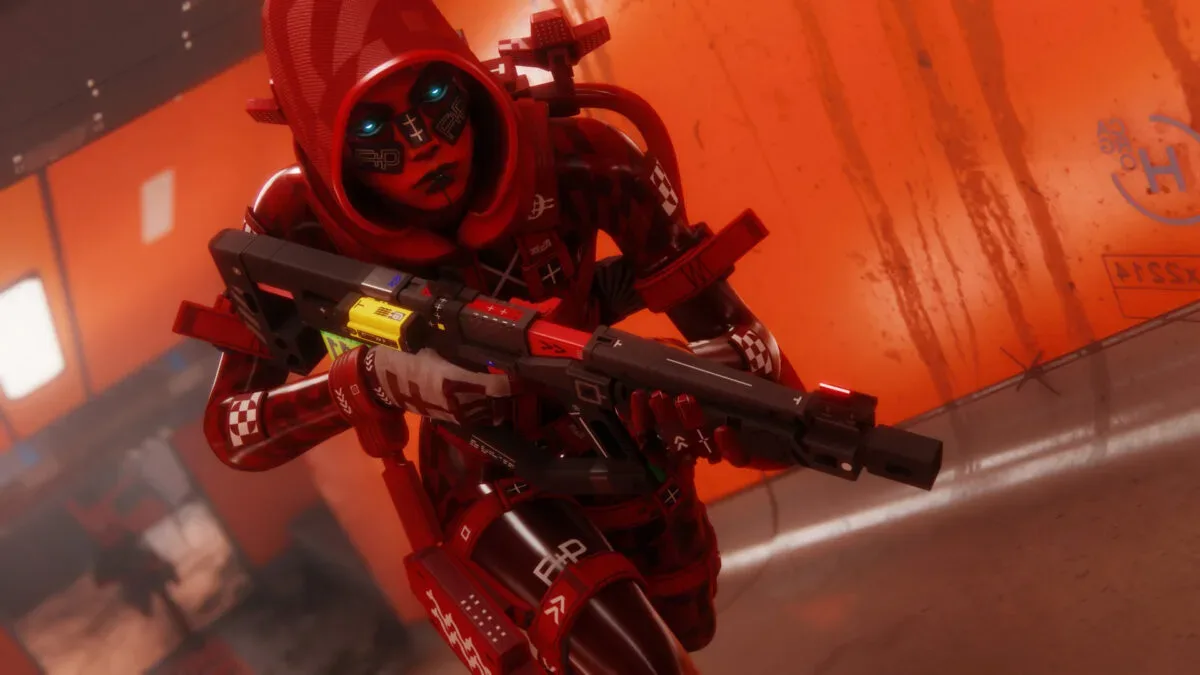
Marathon is getting a major rethink rather than a simple tune-up. Bungie has outlined a roadmap that keeps the game’s extraction foundation intact while adding more familiar ways to play: Team Deathmatch, permanent PvE content, a larger Perimeter zone, and a new player-onboarding flow. It is a consequential shift for a game that has had a difficult stretch since its March 2026 launch.
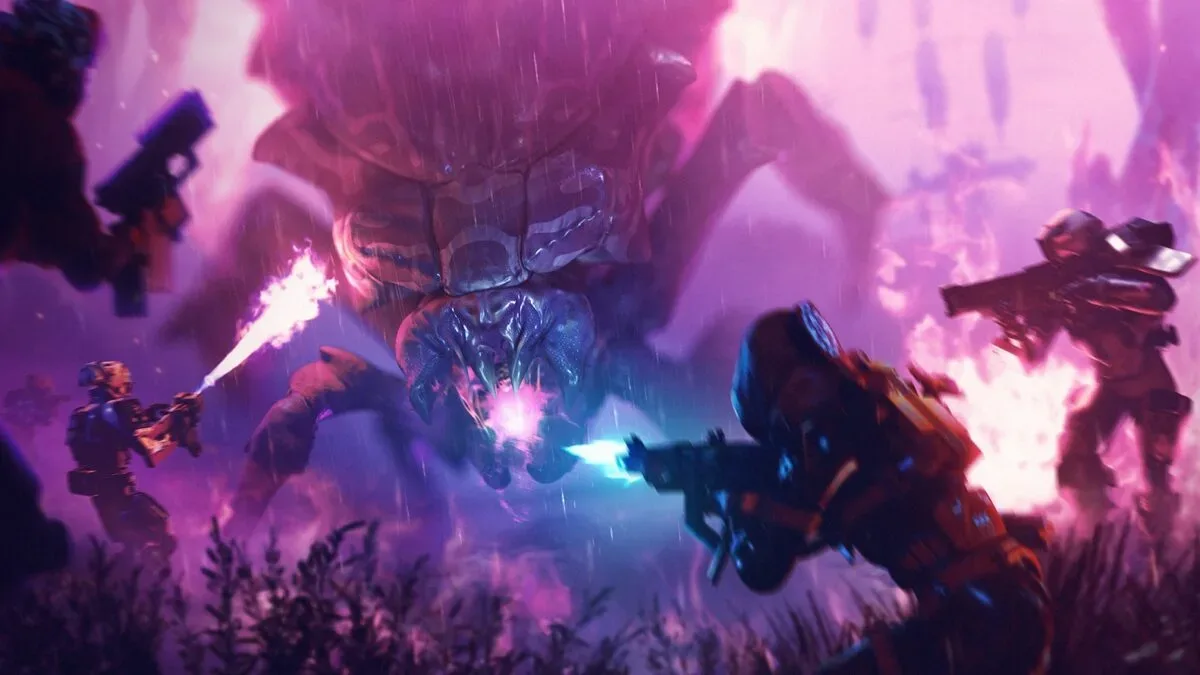
The schedule is staggered. A Nightfall refresh is planned for October. December’s Symbiosis update is set to introduce both Marathon’s first permanent PvE mode and Team Deathmatch. Then, in March—around the game’s one-year anniversary—Bungie plans a larger update intended to tie its various activities together. That update is also expected to bring a revised introduction for new players. And, because every rehabilitation plan benefits from one extremely large, unsettling punctuation mark, it will include a giant Tick Queen.
For a closer look at the wider direction being signaled for the game, see Marathon’s next evolution.
What is changing—and what is not
Marathon launched with extraction modes, and those modes are not being removed. In an extraction game, players enter a space, pursue objectives or resources, and must successfully leave to retain what they have gained. The format can create high stakes because a bad encounter, failed escape, or costly mistake can undo a run’s progress.
That risk-and-reward loop is central to Marathon’s existing identity, but it can also be a difficult first stop for players who simply want to learn weapons, movement, maps, and combat rhythms without the same degree of pressure. Bungie’s roadmap appears to address that issue by building adjacent entry points rather than asking every player to immediately embrace extraction’s demands.
Team Deathmatch is the clearest example. The mode generally centers on two teams competing to eliminate opponents and reach a score target. Its appeal is not mysterious: the objective is legible, downtime is typically limited, and players can concentrate on the shooter fundamentals of aiming, positioning, coordination, and loadouts. For someone who finds extraction intimidating or opaque, it could offer a more direct route into Marathon’s combat.
The announced PvE additions could serve a similar purpose. PvE, or player-versus-environment, means players face computer-controlled enemies rather than only other players. Bungie has said the new modes should evoke Destiny, although it has not yet detailed exactly how the permanent PvE activity will work. That distinction matters. The roadmap confirms that a permanent mode is planned for December, but it does not establish its objectives, progression structure, difficulty, matchmaking, rewards, or the degree to which it will overlap with other Marathon systems.
In other words, the broad strategy is clear while the activity’s practical shape remains deliberately unfinished. Players should treat comparisons to Destiny as a directional clue, not a full specification.
The roadmap at a glance
- October: a Nightfall refresh.
- December: the Symbiosis update, including Marathon’s first permanent PvE mode and Team Deathmatch.
- March: a larger anniversary-period update designed to connect the game’s modes, plus a new onboarding experience and the giant Tick Queen.
Bungie previously tested an experimental mode called Vault Breaker, so the studio had already indicated a willingness to experiment beyond the initial extraction offering. The newly outlined roadmap makes that experimentation feel more structural. Rather than a one-off alternate playlist, the plan introduces distinct pillars that may appeal to different audiences and, ideally, give players reasons to move between them.
Why Perimeter matters
Another part of the plan is an expansion of Perimeter, described as Marathon’s tutorial-level area. Bungie intends to bring it closer in scale to the game’s other full zones.
That may sound less flashy than a new competitive playlist or an imposing arachnid-adjacent monarch, but onboarding is often where a live game wins or loses a potential long-term player. Onboarding is the process through which a game teaches a newcomer its controls, rules, goals, vocabulary, and expected behavior. In a layered multiplayer game, a strong onboarding process does more than explain which button reloads a weapon. It gives players space to understand why an objective matters, when a retreat is sensible, and what a successful session is supposed to look like.
Expanding a tutorial-oriented zone suggests Bungie wants the first hours to feel less like an abrupt exam. A larger Perimeter could give newcomers a more substantial environment in which to learn and orient themselves before the full pressure of established players and extraction consequences takes over. The company has also previewed aspects of the planned new onboarding approach in a behind-the-scenes documentary.
There is an important limit to what can be claimed here: the roadmap does not say precisely how Perimeter will be changed or when that expansion will arrive. Still, pairing a fuller starter zone with Team Deathmatch and PvE points to a common aim—reducing friction at the door.
A funnel instead of a forced lane
The most interesting part of Bungie’s approach is its implied player path. Marathon does not appear to be abandoning extraction in favor of a generic menu of disconnected modes. Instead, the studio seems to be building a funnel: players may start in formats they recognize, become comfortable with the game’s action, then decide whether they want to tackle the more demanding extraction experience.
That is a practical response to a divisive core mode. Extraction can be compelling precisely because outcomes matter, but its tension can be unwelcoming when players are still trying to grasp the basics. Team Deathmatch can provide repetition and combat confidence. PvE can give players room to learn encounters and cooperate against the environment. A broader tutorial space can make the game’s foundational ideas clearer. Together, those changes could make extraction feel like an elective challenge to graduate into rather than a locked door guarded by a terminology quiz.
Whether the systems truly connect is the key question for March’s larger update. Bungie says that update will link the gameplay modes together, but it has not explained how. A connection could mean shared progression, a unified onboarding route, consistent rewards, or another structure entirely. Until Bungie provides specifics, the meaningful fact is the intent: the studio sees the activities as parts of a single ecosystem, not merely separate emergency exits from extraction.
What players can reasonably expect now
The immediate expectation should be incremental change, not one giant switch being thrown overnight. The Nightfall refresh comes first in October. Symbiosis follows in December with the first permanent PvE mode and Team Deathmatch. The broader integration work is aimed at March.
That order has a logic. A refresh can address nearer-term needs; the December release adds the most clearly defined new activity options; and the anniversary update is positioned as the larger connective layer. It also means that players looking for firm details on the permanent PvE mode will need to wait. Bungie has said more information will arrive closer to its launch.
The roadmap is promising because it recognizes that a game can preserve its central idea without making every player engage with it in exactly the same way. But the plan is not a guaranteed revival by itself. The new modes need to be understandable, satisfying, and meaningfully connected to the game around them. The revised introduction needs to turn first-time curiosity into confidence. And the extraction side must remain compelling enough to reward those who choose to make that leap.
Destiny remains part of Bungie’s future
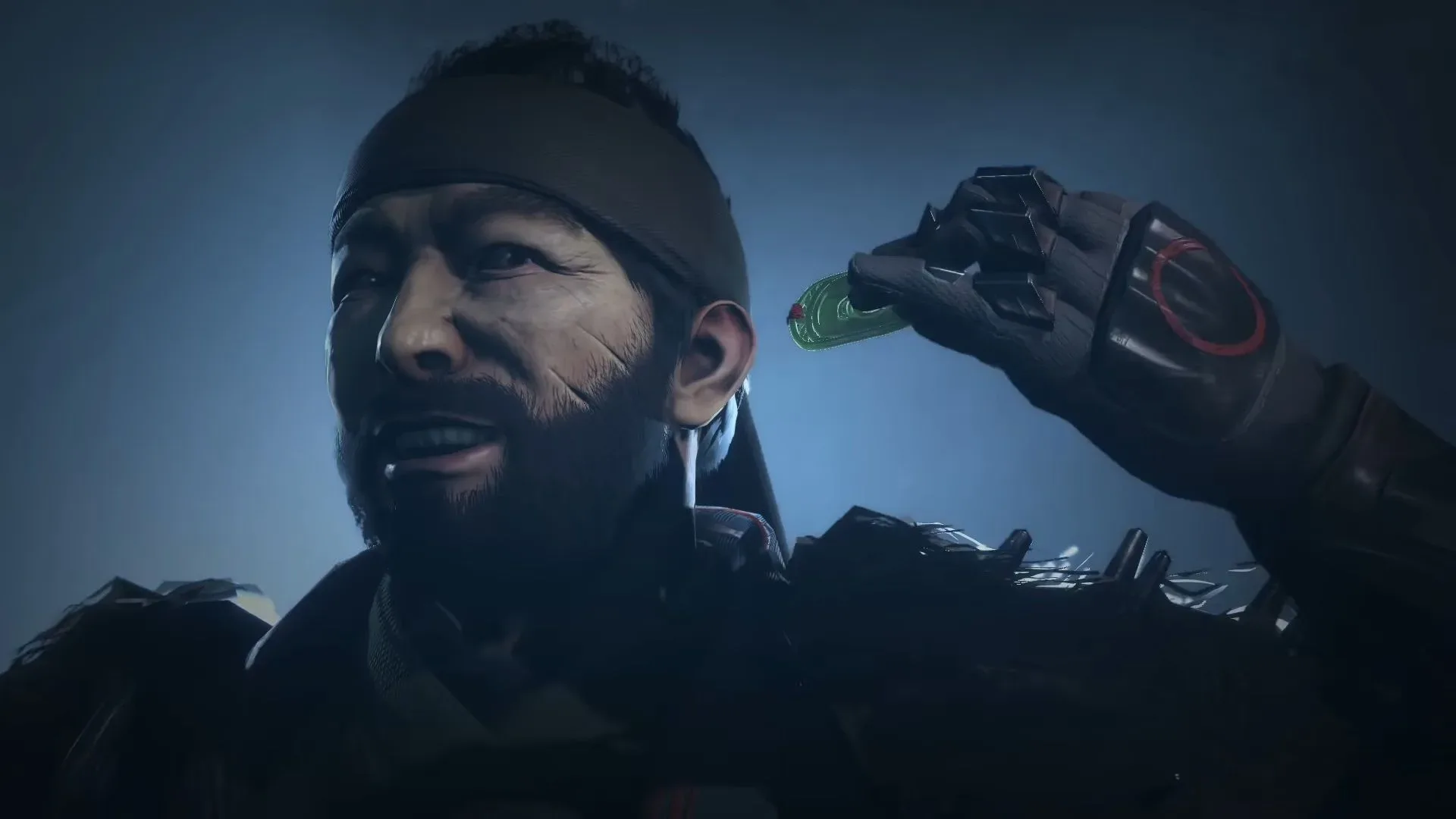
Marathon’s new roadmap arrives alongside a renewed commitment to Destiny. Bungie is beginning by bringing vaulted content back to Destiny 2, and developer Poria Torkan has emphasized that the studio is not finished with Destiny, calling it the foundation on which Bungie rests.
That commitment does not explain the details of Marathon’s planned PvE activity, but it provides useful context for the studio’s broader direction. Bungie is not presenting Marathon’s expansion into additional modes as a clean replacement for Destiny. Instead, the company is pursuing a more accommodating Marathon while continuing work on the long-running Destiny universe.
For Marathon, the test will be straightforward even if the implementation is not: can a game built around high-stakes extraction offer accessible, enjoyable ways to learn and play without losing the identity that distinguishes it? The October, December, and March updates should provide the first substantial answers. The Tick Queen, meanwhile, appears ready to make sure nobody sleeps through them.