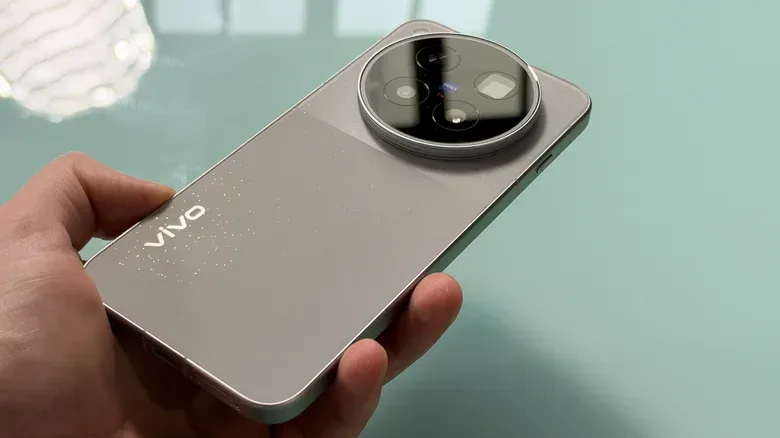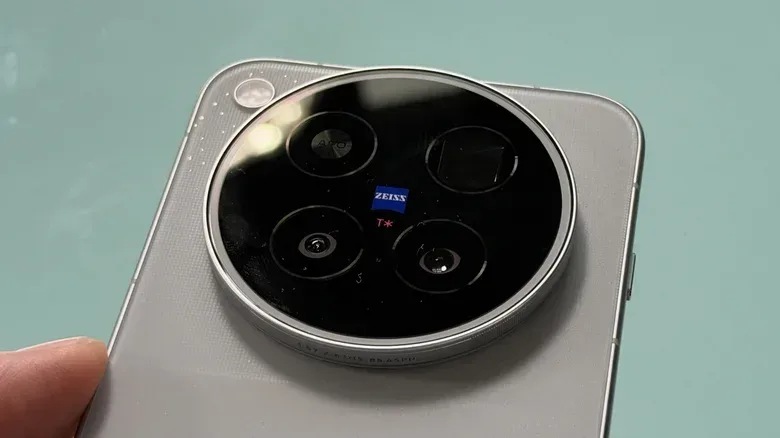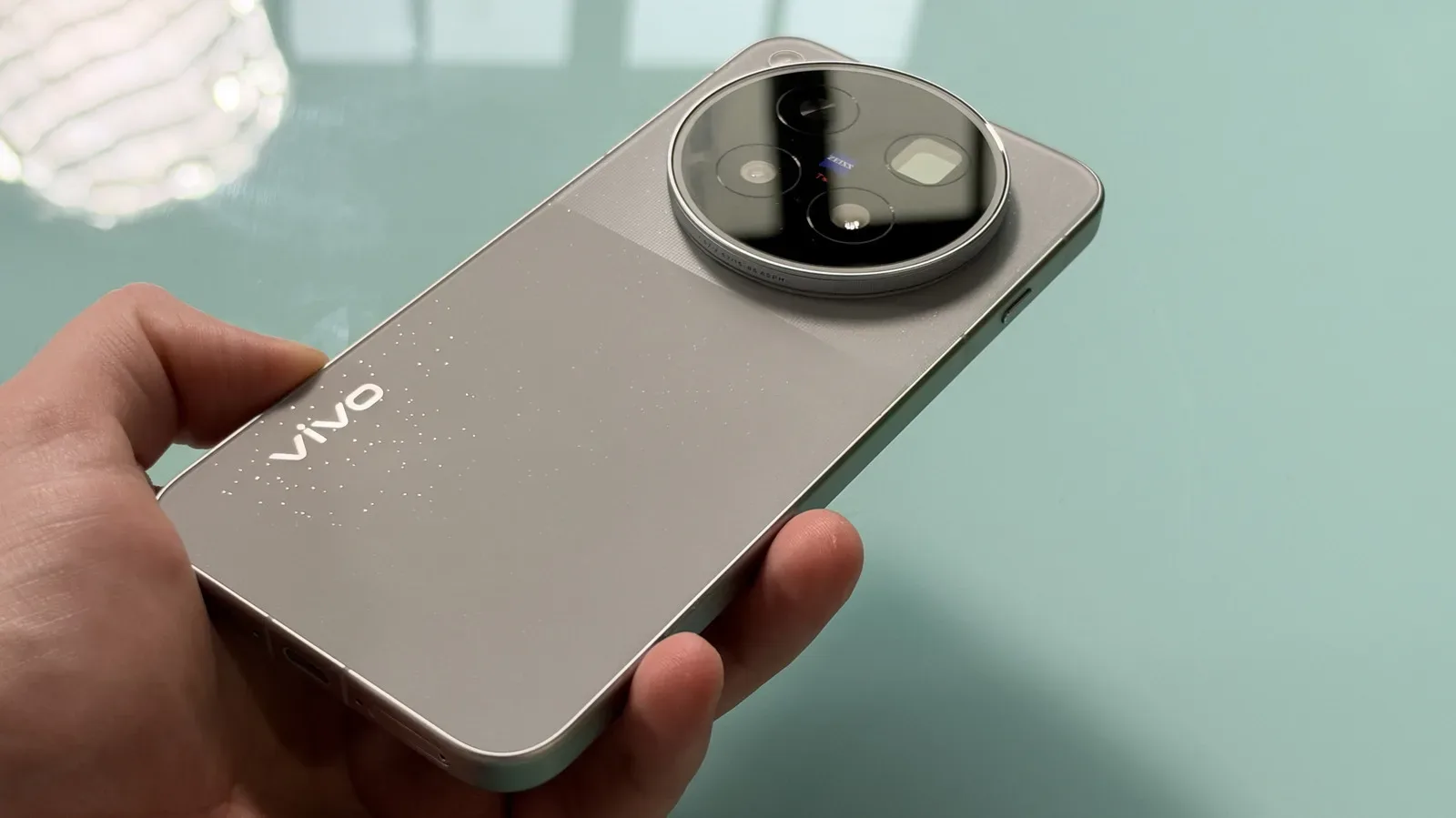
Vivo’s X500 Pro Max is another reminder that a phone camera can now be the center of the product rather than an impressive extra attached to a conventional handset. The device arrives with a 50-megapixel main camera, a 200MP periscope telephoto unit, support for attachable Zeiss co-developed teleconverters and unusually ambitious video specifications. Its headline is not merely resolution: Vivo is targeting people who shoot moving subjects, work in difficult light and want more latitude to alter footage after recording.
There is plenty of high-end hardware outside the camera bump, including a 6.85-inch 144Hz display, a Dimensity 9600 Pro 2nm processor and, in some territories, a 7,800mAh battery. But the proposition has a clear trade-off. Origin OS 7 is described as cluttered, with persistent instructional prompts, a proprietary app store that cannot be removed and pop-up advertising. For a phone aimed at people who may use it as a creative tool, friction in the everyday software experience is not a minor footnote.
A camera system designed around range and stabilization
The primary camera uses a 50MP Sony Lytia sensor measuring 1/1.28 inches, paired with an f/1.6 aperture. Vivo says the sensor reaches 17 stops of dynamic range through LOFIC technology. Dynamic range is the span from the deepest retained shadow detail to the brightest highlight detail that a camera can capture. More range can help preserve a bright sky and a darker foreground in the same shot rather than sacrificing one for the other.
LOFIC, short for lateral overflow integration capacitor, is part of how Vivo pursues that result. The sensor adds capacitors to individual pixels to receive excess light charge. In practical terms, this is meant to help a pixel deal with very bright portions of a scene instead of clipping them to an unrecoverable white. The X500 Pro Max also has a 50MP ultra-wide camera with a 1/1.75-inch sensor.
The telephoto hardware may be the more arresting specification: a 200MP 1/1.4-inch periscope camera. Vivo describes lossless zoom through 10x magnification. A periscope camera uses folded optics inside the phone to make a longer focal path possible without requiring a body as thick as the lens path would otherwise demand. The high-resolution sensor is intended to support extended zoom alongside the physical lens system.
Vivo has paired these cameras with two different stabilization claims. Its main camera has three-degree, gimbal-grade stabilization, while the periscope telephoto camera is rated at CIPA 7.0 for optical image stabilization, or OIS. These numbers are related to anti-shake performance but should not be treated as interchangeable measurements.
- Three-degree stabilization refers to the physical range of motion that the camera hardware can compensate for. That matters particularly when walking, following action or shooting handheld video.
- CIPA 7.0 expresses anti-shake effectiveness in terms of exposure time. It is especially relevant to a long telephoto lens, where small hand movements are magnified, and to low-light capture, where longer exposures are useful.
That split makes sense for the respective jobs. A stabilized main camera is central to handheld video; strong stabilization on a long periscope camera can help rein in the naturally exaggerated movement that comes with zooming in. Reported footage from the phone was notably smooth without a separate gimbal, and low-light video avoided a pulsing, unstable-looking effect that can happen when a phone struggles to maintain focus.
Video ambition goes further than the usual phone checklist
The X500 Pro Max’s video features are as important as its still-camera credentials. Its Pro Video Mode supports custom LUTs with a real-time preview. A LUT, or lookup table, is a preset mapping of color and tonal values; videographers use one to preview or apply a desired visual treatment. The ability to see a custom LUT while recording can make it easier to judge exposure and composition for the intended final look rather than an ungraded image.
Vivo’s log format also supports the ACES workflow. Log video is deliberately flatter-looking footage that retains more room for color correction after capture. ACES, or the Academy Color Encoding System, is a color-management workflow used in professional production. Its relevance here is not that a phone suddenly replaces every dedicated camera, but that footage can fit more neatly into an established post-production process.
The phone can record 4K video at up to 240 frames per second, doubling the 120fps ceiling of Vivo’s X300 Ultra. High frame rates are useful when footage will be played back in slow motion, although the surrounding production choices still matter: a creator needs enough light, appropriate shutter settings and a workflow capable of handling the files. The X500 Pro Max’s processor upgrade is what enables the higher stated cap.
There is one conspicuous omission. Vivo does not offer open-gate recording on this model, while the rival Find X10 Pro Max does. Open-gate recording uses the full sensor area rather than locking capture into a selected widescreen frame. That can give editors greater flexibility to create horizontal and vertical versions from the same shot. Its absence does not erase the X500 Pro Max’s video strengths, but it matters to people shooting content for multiple aspect ratios.
The display is large enough to make camera monitoring plausible at 6.85 inches, yet the pro camera interface reportedly makes some onscreen controls and readouts feel small. That is an oddly practical limitation. Advanced video settings are only useful when they can be read and adjusted quickly, especially outdoors or while tracking a subject.
Teleconverter support is appealing, but computational processing remains the concern
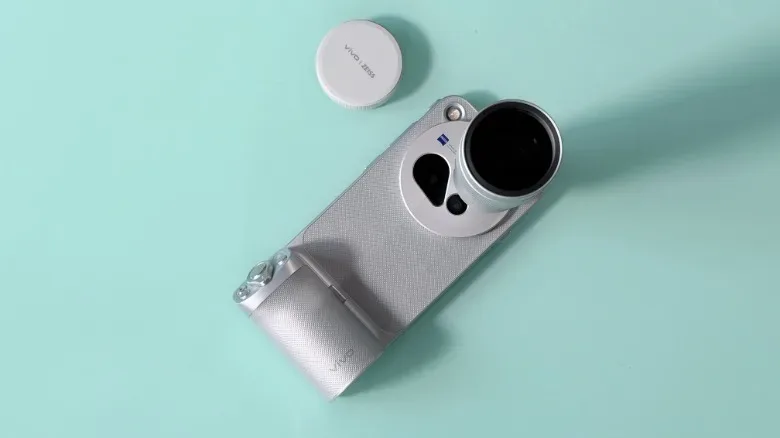
Vivo supports both of its second-generation teleconverter lenses, made with Zeiss. The Gen 2 Telephoto Extender adds 2.35x magnification, while the Gen 2 Ultra reaches 4.7x optical zoom. They work on top of the phone’s 200MP periscope camera. Existing accessory support is welcome for anyone already invested in the system, although the X500 Pro Max requires a new compatible case and mounting plate.
There is an important qualification: the X500 Pro Max produces results comparable to the older X300 Ultra when used with these lenses, which is unsurprising because their accessory hardware is the same and the underlying camera sensors are nearly identical. This is continuity rather than a dramatic optical leap.
More importantly, computational photography can still cause unwanted distortions. Processing is reported to produce swirled or incorrect-looking details in text and human faces, particularly with the telephoto attachments. That is the risk when a phone tries to reconstruct information that its sensor and optics did not record clearly enough. A sharper-looking image is not automatically a more faithful one. For distant signs, facial detail and subjects where visual accuracy matters, a darker or softer photo may be preferable to an aggressively processed result.
Vivo’s normal photo rendering also leans vibrant and contrasty. That can create immediately striking images, but highlight suppression can sometimes make scenes look overworked, as though editing had already been applied. This is a meaningful distinction for buyers comparing it with Oppo’s Find X10 Pro Max, which is characterized as aiming for more natural color. The difference is less about one phone categorically winning and more about whether a buyer prefers punchier default output or a restrained starting point for editing.
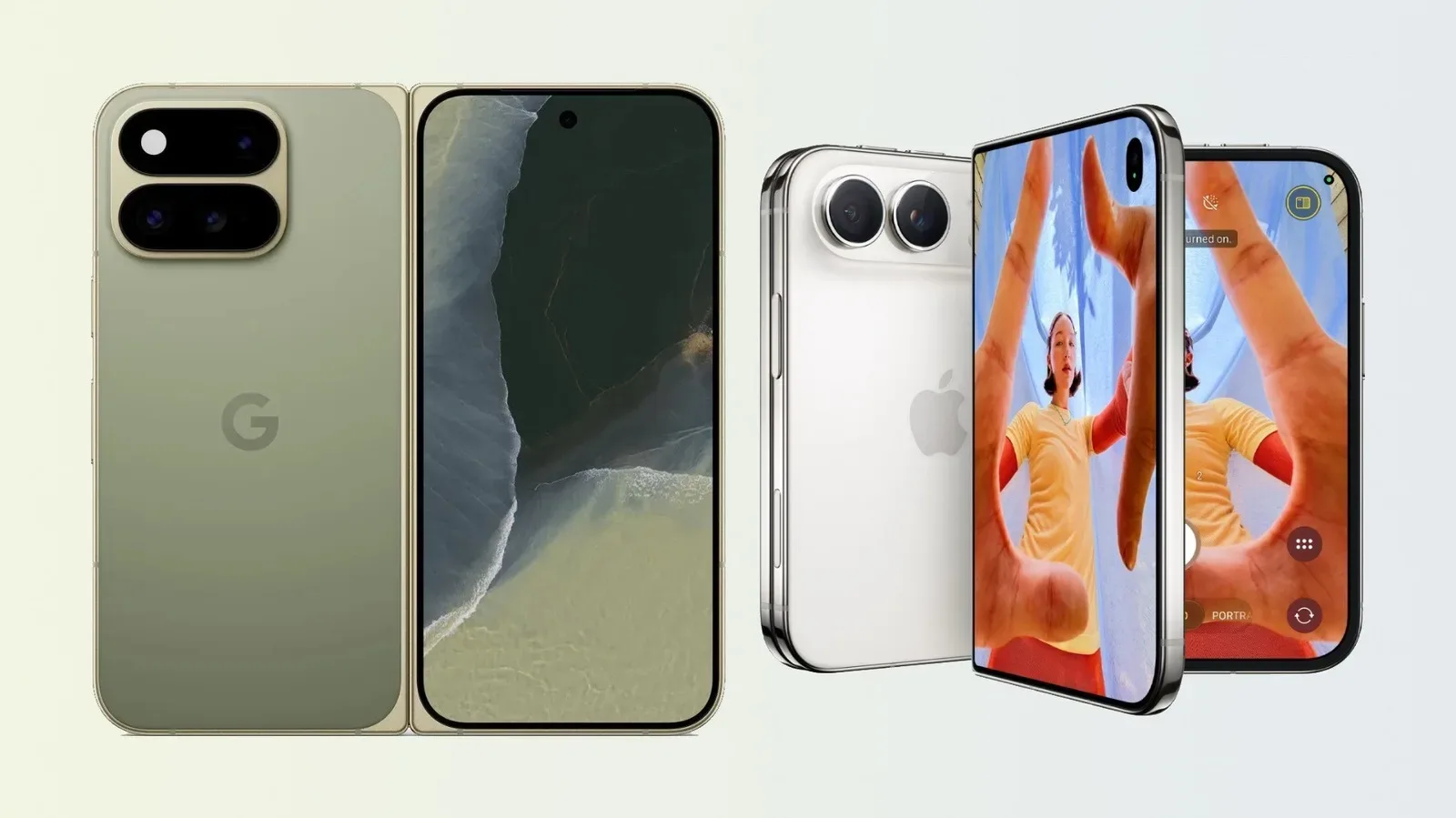
The broader competitive framing should feel familiar to readers weighing premium phones on cameras and software rather than specifications alone. The choice between a foldable iPhone Duo and Pixel 11 Pro Fold similarly comes down to cameras and software; the X500 Pro Max makes the same point from a camera-first slab-phone perspective.
Big battery, bright display and a performance-oriented charging feature
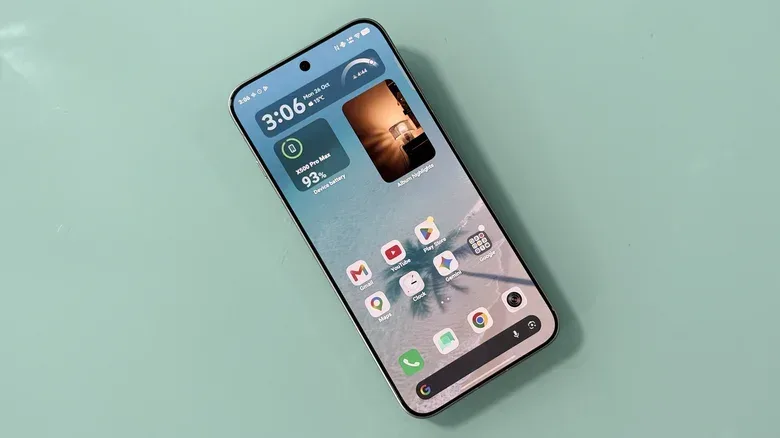
Outside imaging, Vivo has equipped the X500 Pro Max with a 6.85-inch screen at 1,440 by 3,168 pixels. It supports refresh rates up to 144Hz, Dolby Vision and HDR10+, with a stated peak brightness of up to 4,500 nits. A 144Hz refresh rate means the screen can update its image up to 144 times per second in supported circumstances, which can make scrolling and compatible games appear smoother. The panel is slightly larger than the 6.82-inch screen on the X300 Ultra, although both use the same resolution.
The 7,800mAh battery is a standout on paper, particularly compared with the X300 Ultra’s 6,600mAh capacity, but it is not universal: that larger capacity applies in some territories. Charging reaches up to 90W with Vivo’s own charger. The phone also supports bypass charging, which lets it draw power for intensive use without relying solely on battery charging behavior. This can be useful during prolonged gaming or high-resolution recording, where heat and sustained power draw are practical concerns.
Ingress protection is rated IP68 and IP69 for dust and water resistance. The two ratings reflect different tests: IP68 covers submersion, while IP69 addresses high-intensity water spray. Such ratings improve resilience, but they should not be read as an invitation to treat a phone as consequence-free underwater camera equipment.
The exterior otherwise follows Vivo’s recent design language, with a dot-matrix effect under the rear glass that catches light. It is a small design flourish likely to disappear under a case—the same category of accessory that is required for the teleconverter mounts.
The software could undermine the premium hardware story
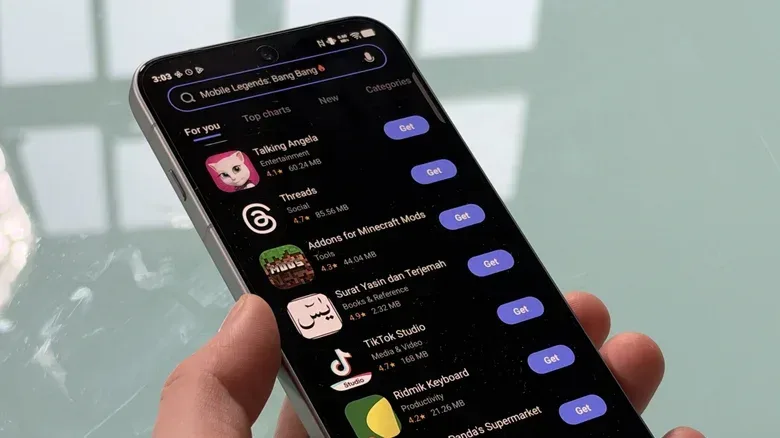
Origin OS 7 is the X500 Pro Max’s clearest vulnerability. The software includes unsolicited prompts explaining basic gestures and features, alongside Vivo’s own V-App Store. The app store is described as repeatedly steering users toward itself, showing ads for ChatGPT and remaining installed even after the user removes preloaded apps and installs replacements through Google Play.
That may sound trivial against the scale of the camera system, but it affects every interaction that is not spent framing a shot. A camera-focused phone is often used quickly: open the camera, change a setting, send a clip, edit a file, move on. Repeated software interruptions make that experience feel less coherent. Buyers who value a highly curated Android interface should factor this in just as seriously as sensor sizes and charging figures.
Who the X500 Pro Max is for—and where it will be sold
The X500 Pro Max seems best suited to creators and enthusiasts who value handheld video stabilization, high-frame-rate 4K capture, long-reach shooting and a modular teleconverter option. The giant battery, bypass charging and bright high-refresh display reinforce that performance-focused pitch. It is also a substantial update over the X300 Pro, while exceeding the X300 Ultra in select areas such as its 4K 240fps maximum and, in applicable markets, battery capacity.
Availability remains selective despite Vivo framing the launch as global. The phone is not planned for the US or UK, but is set to reach Spain, Brazil, India, Austria, Italy, Singapore, Hong Kong and other markets that previously carried the X300 Ultra. Pricing had not been provided in the available launch information.
Ultimately, Vivo has built a powerful argument for the phone as a specialized imaging device that also happens to carry flagship-level general hardware. The strongest reasons to consider it are clear: stabilization, video controls, fast 4K capture, telephoto reach and battery capacity. The equally clear warning is that buyers must be comfortable with Vivo’s software decisions and with image processing that can favor eye-catching results over strict realism.