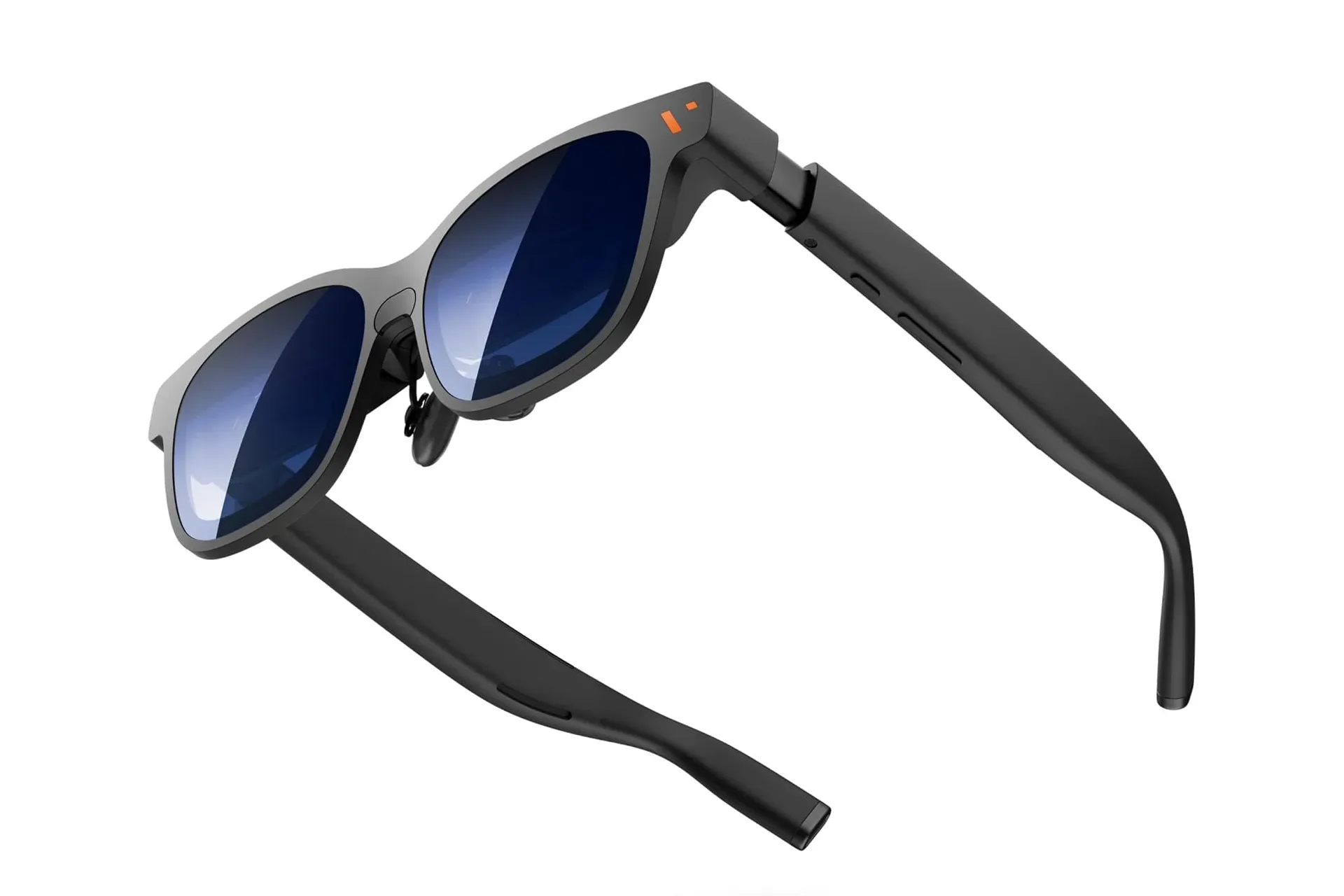
There is a certain kind of gaming setup that begins with a sensible desire—“I would like a bigger screen”—and ends with a pair of sunglasses that claims to place a 146-inch display in front of your eyeballs. The Viture Pro 2 XR/AR Glasses are currently listed at $299, a drop from $379. That is an $80 reduction, or roughly 21% off the stated regular price.
For people who play on handhelds, travel with a laptop, or simply do not have a television permanently available, the appeal is easy to understand. These glasses are designed to take video from a compatible USB-C output device and show it through embedded displays, rather than asking the user to pack a monitor that would be deeply unpopular with airport security, fellow passengers, and most overhead compartments.
The main caveat is contained in the most dramatic number: 146 inches describes the apparent virtual screen size, not a literal 146-inch panel that unfolds from the frames like a very determined transformer. The experience is intended to make the viewed image seem large within the wearer’s field of view. Whether that is the right screen substitute for an individual player will depend on comfort, device setup, and the practical realities of wearing a display on one’s face—not just the size printed on the box.
What the Viture Pro 2 is promising
The Viture Pro 2 uses Sony Micro-OLED panels and is rated for up to 1,600 nits of peak brightness. Micro-OLED is a display technology in which pixels are built directly onto a silicon backplane. In a compact headset-style product, that matters because the panels can be small while still presenting a detailed image to the wearer. The supplied specifications also list 1080p resolution and a 120Hz refresh rate from compatible USB-C video-output devices.
1080p refers to a 1,920-by-1,080-pixel image. It remains a common resolution for games and video, and it gives prospective buyers a straightforward compatibility target: this is not being presented as a 4K wearable display. 120Hz means the display can refresh up to 120 times per second. In the best-case setup, a higher refresh rate can make motion look smoother than a 60Hz display. It is important, though, to distinguish display capability from game performance. A game and the connected device still need to provide an appropriate video signal and frame rate; glasses cannot independently turn every game into a 120-frames-per-second experience.
The 1,600-nit figure is a peak-brightness specification, rather than a promise that every scene will remain at that level. It nevertheless indicates that brightness is a notable part of the product pitch. For a personal display used in changing environments, including travel, that is a meaningful specification to consider alongside resolution and refresh rate.
The gaming-device compatibility is the practical headline
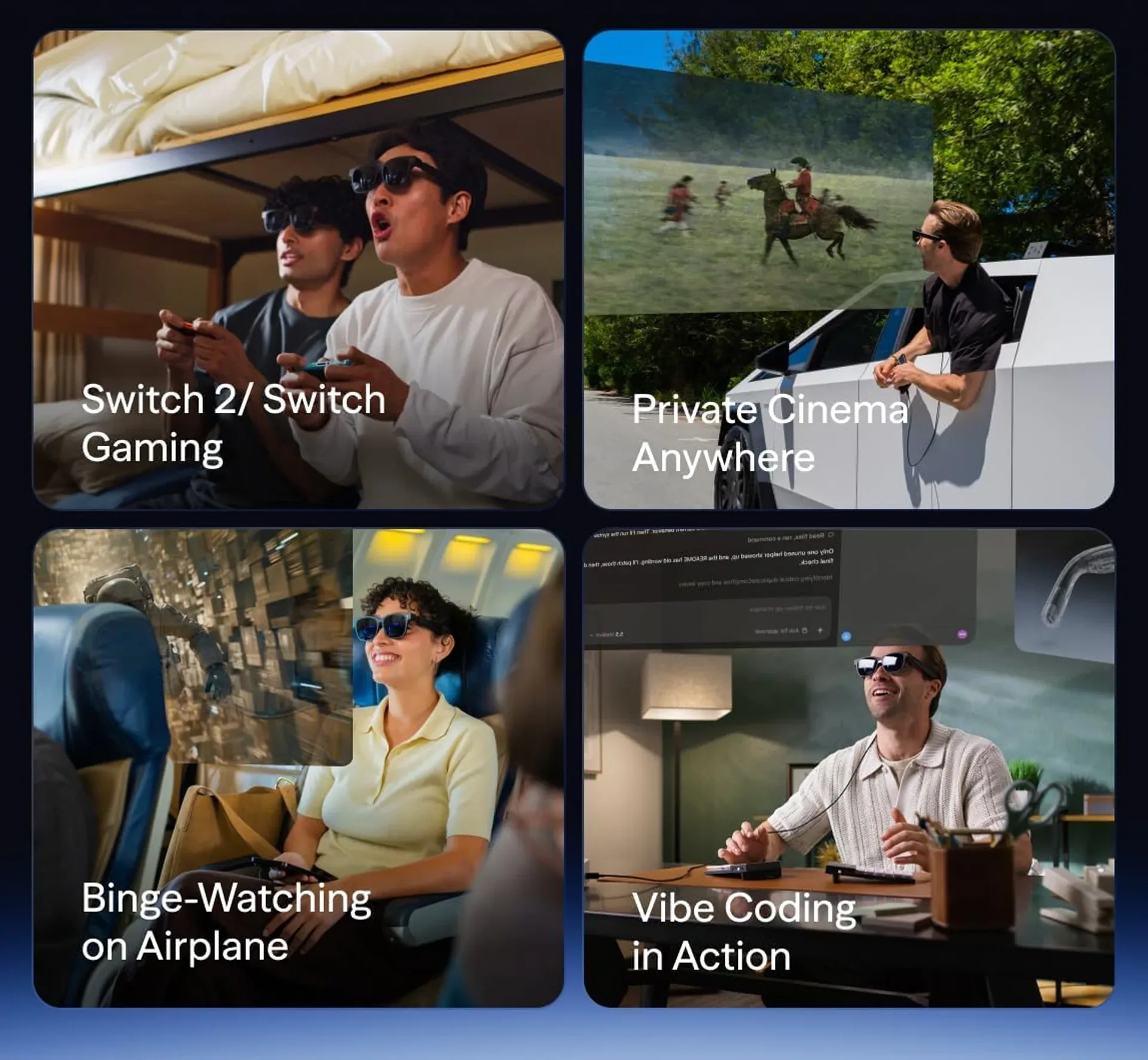
The glasses are described as supporting Android phones, iPhones, MacBooks and Windows laptops. For games, the notable claimed compatibility includes Nintendo Switch, Nintendo Switch 2 and Steam Deck. That creates a potentially broad use case: a single wearable screen could serve a handheld gaming device, a phone, and a computer rather than being tied to a proprietary console ecosystem.
USB-C is the key phrase here. The Viture Pro 2 is intended for devices with USB-C video output, so shoppers should not treat the shared port shape as automatic proof that every USB-C device will work in the same way. USB-C describes a connector format; video output is a separate capability. A device may use USB-C for charging or data without delivering the display signal needed by these glasses. Checking the specific device’s video-output support before purchase is therefore the least glamorous but most valuable pre-game ritual.
Related coverage includes Viture Pro 2 XR/AR Glasses Drop to $299, Offering a 146-Inch Virtual Gaming Screen.
For Nintendo and Steam Deck owners, a wearable display could change where the device is played rather than what it can play. The hardware is not framed as a new gaming platform, cloud service, or performance upgrade. It is a display option. That means the gameplay library, controls and performance remain tied to the connected machine. The potential benefit is a much larger-seeming private picture than a handheld’s built-in screen, particularly when a television is unavailable or unsuitable.
That last word, private, does considerable work. A display inside glasses is inherently less conspicuous than a bright laptop or a large monitor. It could be useful in a shared room, during a trip, or while waiting somewhere that does not offer a decent screen. It does not eliminate the ordinary considerations of public gaming—space, battery, cables, and being aware of the world around you still exist—but it makes the visual portion of the setup more personal.
Travel is the clearest scenario, with a few obvious realities
The pitch makes particular sense for long-distance travel. A phone offers a small screen, a handheld console is still a handheld console, and seatback entertainment is generally not selected for its ability to accommodate one’s carefully curated backlog. A wearable display creates the possibility of watching video or playing connected devices on a screen that appears considerably larger without placing a physical display on a tray table.
There are practical limits that should shape expectations. The supplied details establish USB-C video support and named-device compatibility, but they do not establish what accessories may be needed for every possible setup. Nor do they answer individual questions about fit or long-session comfort. Those are especially relevant for an item worn on the face. A prospective buyer should approach the sale as an opportunity to buy a personal external display, not as a guarantee that every travel configuration becomes frictionless the moment the glasses leave their case.
It is also worth separating the idea of an XR/AR product from the narrower facts available here. XR, or extended reality, is a broad label that can encompass technologies blending digital content and the surrounding environment. AR, augmented reality, commonly describes digital imagery layered with the real world. For the Viture Pro 2, the supplied product information is most specific about its display role: it can show a connected device’s video feed in front of the wearer. Buyers interested in particular advanced augmented-reality functions should verify those functions directly rather than assuming them from the category name alone.
A discount, not a verdict
At $299, the Viture Pro 2 is $80 below its stated $379 regular price. That makes the decision less about whether a 146-inch virtual screen sounds comically luxurious—of course it does—and more about whether a private wearable display solves a real problem in a player’s routine.
For someone who regularly uses a Steam Deck, Switch, Switch 2, compatible phone, or laptop away from a desk or television, the concept is unusually direct: connect the existing device and view it on the glasses’ Micro-OLED displays. For someone who almost always plays at a permanent monitor or TV, a wearable screen may be a very futuristic answer to a question they do not actually have.
The product’s best argument is flexibility rather than the headline screen-size claim alone. It is one compact display intended to work across several types of devices, with 1080p and up to 120Hz support. The most prudent argument against impulse-buying is equally simple: confirm that the devices you intend to use can output video over USB-C, and remember that “146 inches” is a perceived virtual canvas, not an apartment-dominating slab of glass.
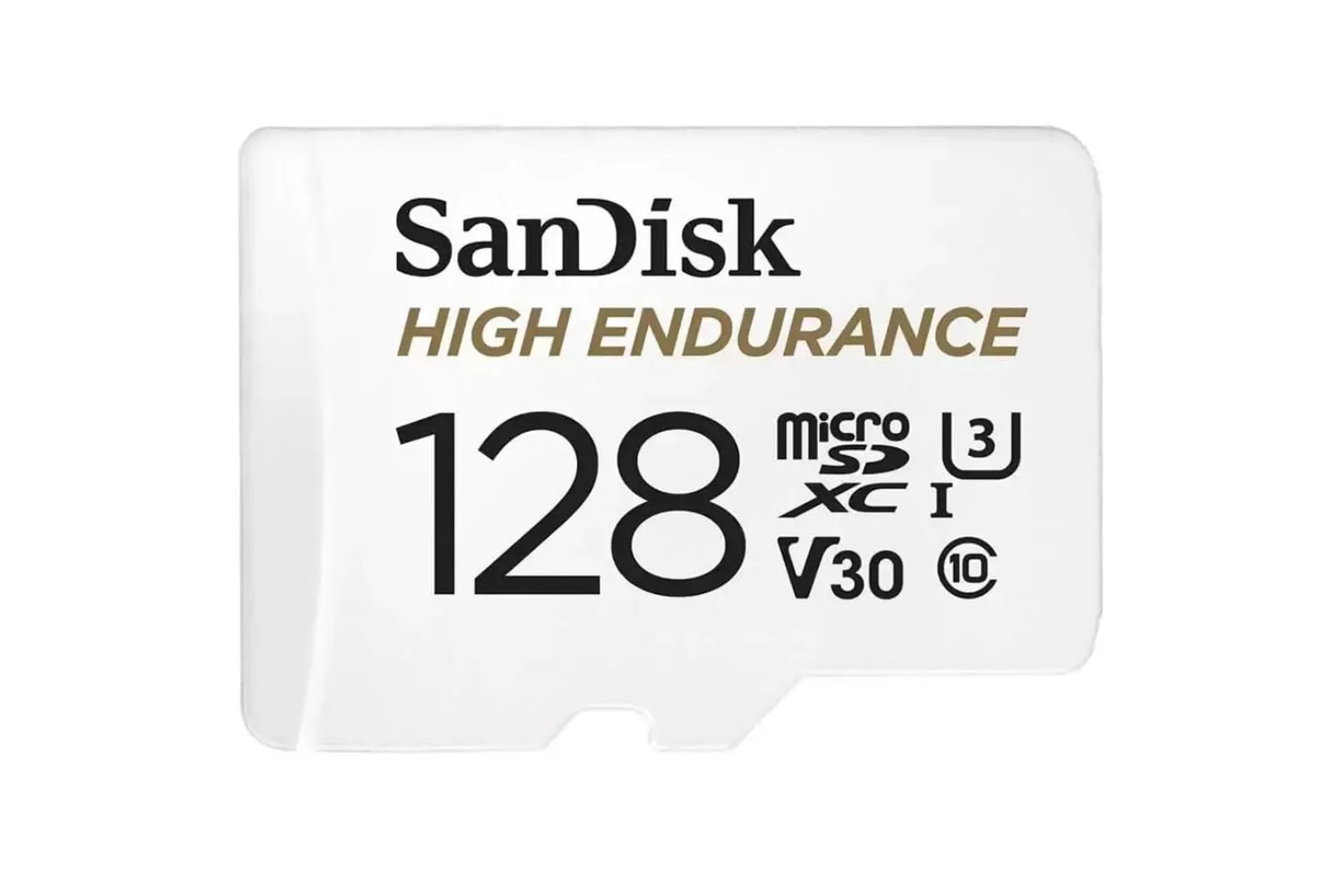
For players building a portable setup, storage is part of the less glamorous supporting cast. A 128GB microSDXC card deal with an included SD adapter may be relevant for compatible devices and accessories, though it is a separate purchase decision from choosing a wearable display.
And yes, marketing imagery can make the whole category look like it was designed for watching a film while positioned halfway out of a Cybertruck. The sensible version is less cinematic but more persuasive: a compact display for the devices you already own, ready when a normal screen is too small, too public, or simply not there.
Shop the products
Check current price, model and availability at the retailer.