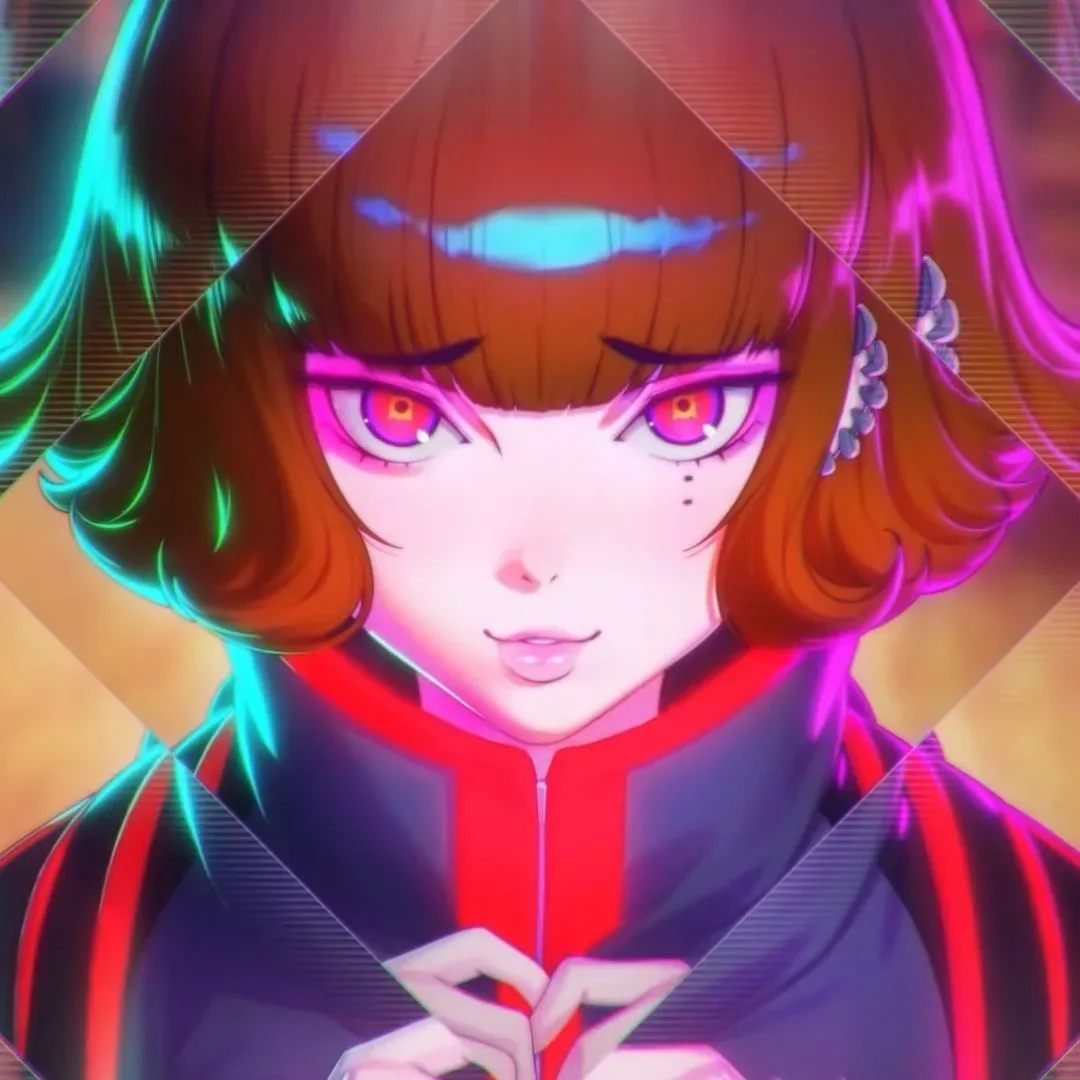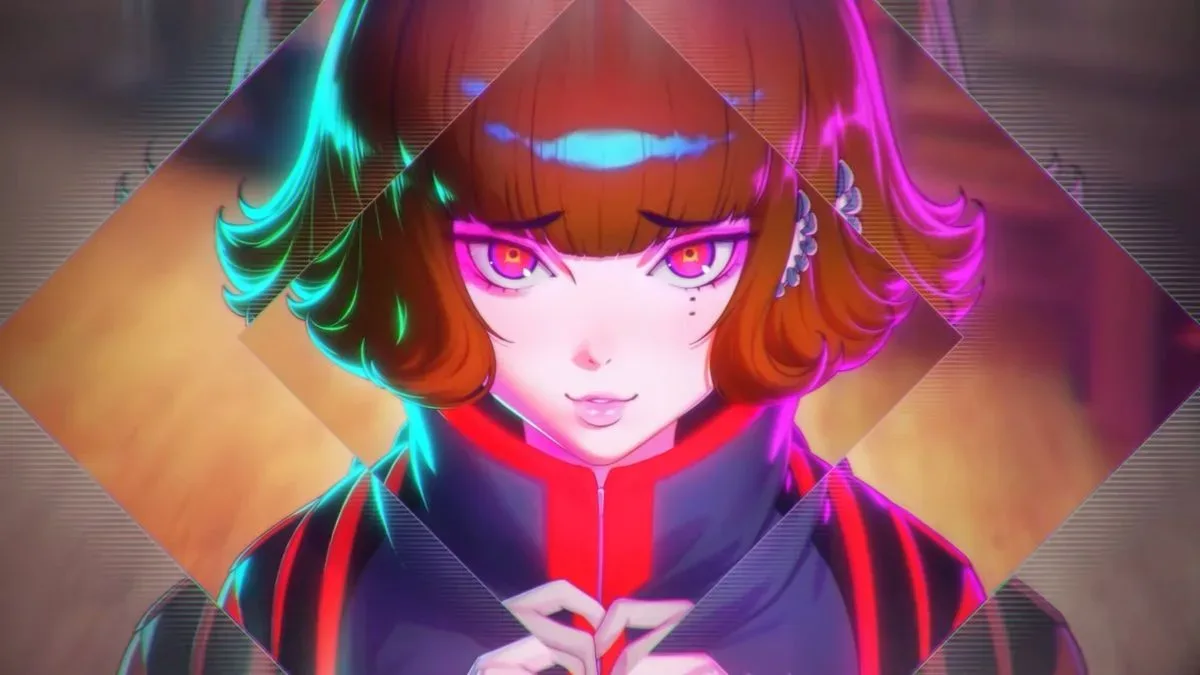
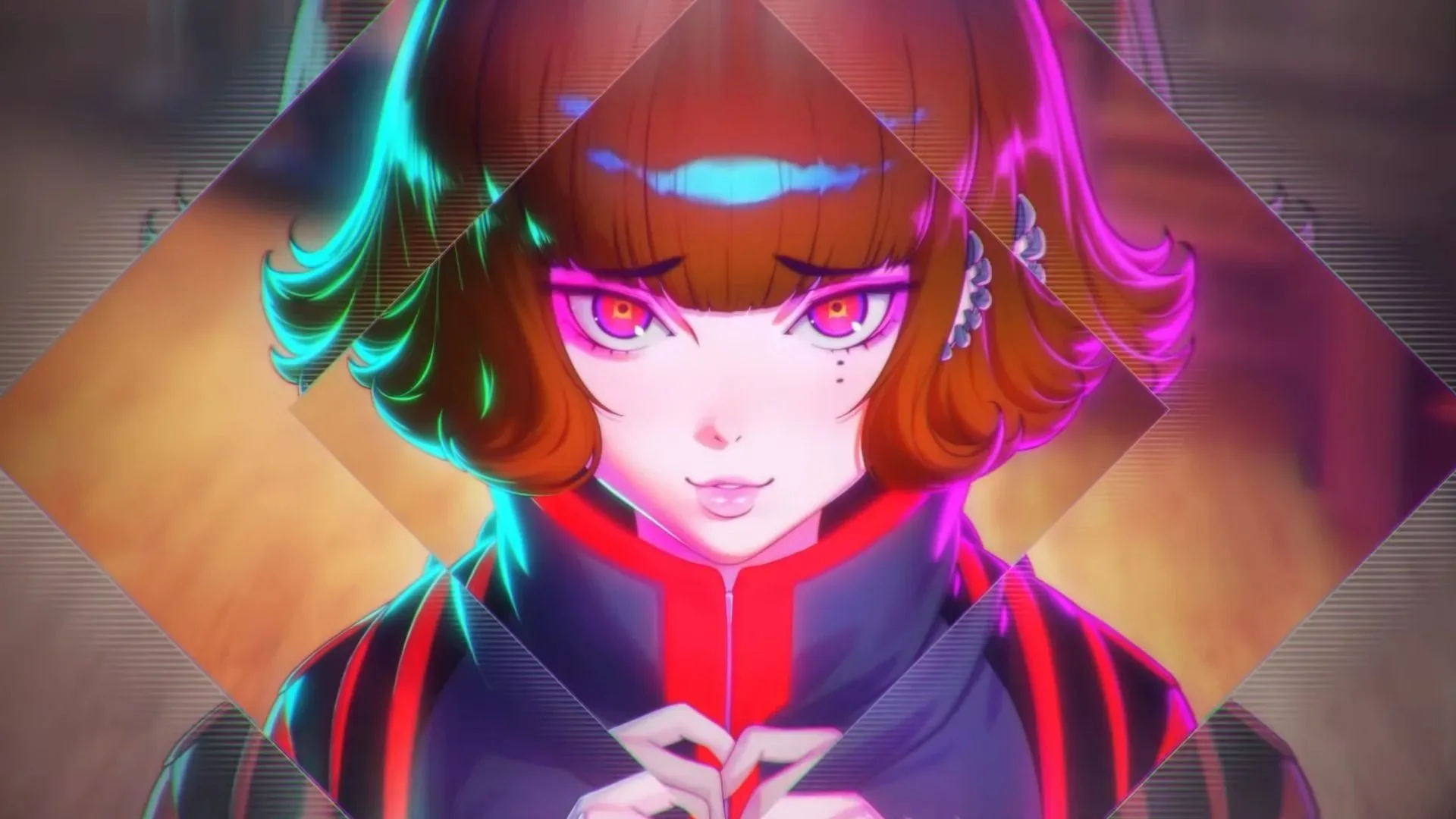
When a veteran creator with deep ties to Shin Megami Tensei and the earliest Persona games reveals a school-set RPG, comparisons are almost guaranteed. Kouji “Cozy” Okada is not trying to dodge them. He has said outright that Persona influenced Villion:Code, his forthcoming action RPG. But he is equally clear on the other half of the point: the new game was not conceived as an alternate take on Persona.
That distinction matters because the similarities visible in the premise are easy to reduce to a familiar shorthand. Both projects occupy school-related territory, and Okada’s history naturally makes that lineage part of the conversation. Yet the details currently attached to Villion:Code point to a different combination of ideas: action-based combat, dungeon environments described as tubular and vein-like, and genome editing embedded in the game’s identity. Okada frames the project less as an attempt to outrun his past and more as an extension of a long-running interest in what games can do through player participation.
Villion:Code is scheduled to launch on January 26, 2027 for PlayStation 4, PlayStation 5, Nintendo Switch, Nintendo Switch 2, and Steam.
Influence is not the same as a blueprint
Okada’s answer avoids a false choice. He does not claim that Persona and Shin Megami Tensei have no direct bearing on the project. Rather, he places them among the many series and standalone games that have informed a career stretching back to RPG work in the 1980s.
For more context, explore Future’s “Ya Hit” Video Puts Its All-Star Cast and Luxury-Car Energy Front and Center.
His credits and experience include the original Megami Tensei, Shin Megami Tensei If...—a precursor to Persona—and the first three Persona games. That is enough history to make a clean separation between “old influence” and “new work” unrealistic. A developer’s accumulated design instincts are not a switch that can be flicked off simply because audiences may recognize them.
“There is no doubt that Persona influenced this title,” Okada said, while adding that the same is true of the many games and series he has worked on over his career.
For players, that is a more useful way to read the comparison. It is reasonable to see continuity in a creator’s interests, especially around RPGs, intimate settings and stories that put a player in a protagonist’s position. It is not reasonable, at least from what has been established so far, to treat a shared school setting as proof that two games will deliver the same structure, mechanics or goals.
One related overview has similarly characterized the situation as Persona being an influence rather than a blueprint. That wording captures the central tension: audiences can recognize a creative lineage without turning the next game into a sequel in all but name.
Okada’s central idea: interactivity puts the player at the center
The most revealing part of Okada’s explanation is not the debate over genre labels. It is his emphasis on interactivity. He argues that games differ from other entertainment because a player’s input directly alters what occurs. In his view, the strongest use of that quality comes from putting the player in the role of the protagonist and asking, in effect, what the player would do.
That is a design philosophy rather than a specific promised feature list. It should not be mistaken for confirmation of branching endings, a particular dialogue system, or any named choice mechanic; those details have not been established. What Okada does say is that the player’s decisions and actions are intended to shape how events unfold, allowing the game to communicate questions and messages through the experience itself.
In practical terms, player agency means the sense that a player is acting within a game rather than merely witnessing it. Agency can be created through combat choices, movement, priorities, story decisions or the consequences attached to actions. Okada’s comments establish the goal—making the player inhabit the protagonist’s role—but not the full technical form it will take in Villion:Code.
That caution is important. “Your choices matter” is often used broadly in game marketing, but Okada’s remarks are more specifically about the relationship between input and outcome. The relevant promise is conceptual: the game aims to make player action a vehicle for its themes. Until more is shown, players should distinguish that stated intention from assumptions about the breadth or permanence of potential consequences.
Why a school setting still makes sense
Okada acknowledges that Persona used its setting and overall approach to reach a wider audience. He also says that Villion:Code uses a school setting because the team wanted an intimate world that would feel familiar and relatable. The choice was also tied to a desire to reach younger players and convey a range of messages through the story and related elements.
That explanation is narrower than saying “school equals Persona.” A school can function as a compact social setting: it is immediately legible, it brings people with different perspectives into regular contact, and it gives a story a recognizable day-to-day frame. In Okada’s account, the setting is a communication tool for Villion:Code’s own world, not a shortcut to recreating another series’ identity.
The distinction may sound semantic, but it sets an appropriate expectation. A familiar setting does not determine whether an RPG is turn-based or action-led, how it structures dungeons, what its narrative subjects are, or how its systems work. In this case, the available description already separates Villion:Code from the usual assumptions by identifying it as an action RPG and connecting its premise to genome editing.
Genome editing generally refers to making deliberate changes to genetic material. Here, it is a stated part of Villion:Code’s DNA, figuratively and apparently thematically, but the currently available information does not define the exact systems or story mechanics built around it. It is best understood as a major premise marker, not yet a fully explained gameplay feature.
Combat and dungeons are the clearest early differentiators
Two other details make the case for treating Villion:Code on its own terms. First is the action combat system. An action RPG generally places a greater emphasis on real-time control than a turn-based RPG: timing, movement and immediate inputs are usually central to how encounters play out. That broad description does not confirm the game’s controls, party setup, progression or difficulty model, but it does signal a different foundational rhythm from a combat system built around turns.
Second is the dungeon imagery. The game’s dungeon spaces have been described as tubular and almost vein-like. That language suggests a strong visual and environmental identity, one that fits the project’s genome-editing association. Still, it should not be expanded into claims about procedural generation, puzzles, exploration structure or enemy design. Those details remain unknown.
Together, these elements give Villion:Code a clearer early profile: a school-set action RPG, concerned with player participation and carrying a genetic theme into an unusual dungeon aesthetic. That is enough to explain why people see echoes of Okada’s earlier work while also supporting his argument that the new project is fundamentally separate.
What prospective players can reasonably take from this
For longtime followers of Okada’s games, the appeal may be the combination of continuity and departure. He says the team wants established fans to enjoy Villion:Code, while particularly hoping that younger players will experience it as well. The school setting is meant to be accessible, but the project is not being positioned as nostalgia alone.
For players arriving with Persona expectations, the healthiest approach is to use the connection as context rather than a checklist. Okada accepts the influence and the likely comparisons; he simply rejects the idea that the goal was to manufacture a separate version of the older series. The available information supports looking for his recurring interest in protagonist-led experiences, not expecting a one-to-one reproduction of another RPG’s systems or tone.
That also leaves useful questions open. How directly will genome editing interact with play? What does the action combat look like in motion? How are the vein-like dungeon spaces navigated? And precisely how will player decisions shape events? Those are the details that will define Villion:Code far more than its immediate resemblance to any past school-set RPG.
For now, Okada’s message is straightforward: Persona belongs to the creative history behind Villion:Code, but it is not the project’s destination. The game’s identity will need to stand on the specific interplay of its action combat, genetic premise, dungeon design and commitment to placing the player in the protagonist’s role when it reaches PS4, PS5, Switch, Switch 2 and Steam on January 26, 2027.